
Gift cards have become a ubiquitous part of modern commerce, serving as convenient presents, practical refunds, and even promotional incentives. For many, they represent a tangible asset, a form of prepaid currency linked to specific retailers or networks. However, the true value of a gift card lies not just in its initial loaded amount, but in the holder’s ability to effectively track and utilize that value. Far too often, gift cards sit dormant in wallets, their balances dwindling unnoticed or expiring unused, representing a significant loss of potential spending power. Understanding how to accurately and efficiently check the remaining balance on your gift card is a fundamental aspect of sound personal financial management. It empowers you to make informed purchasing decisions, prevent financial waste, and ensures you harness the full economic benefit intended by the card’s giver or issuer. This guide will delve into the essential methods, best practices, and crucial insights needed to master gift card balance checking, transforming what might seem like a trivial task into an integral part of smart financial stewardship.
The Financial Importance of Knowing Your Gift Card Balance
While gift cards might seem like a minor financial instrument compared to bank accounts or investment portfolios, their collective value can be substantial. Forgetting about or mismanaging gift card balances can lead to real financial leakage, representing money left on the table that could have been spent or saved. Proactive balance checking isn’t just about convenience; it’s a strategic move to optimize your personal finances.
Avoiding Unspent Funds and Maximizing Value
One of the most common pitfalls of gift card ownership is letting funds go unspent. Whether it’s a small residual balance after a purchase or an entire card forgotten in a drawer, these unspent funds contribute to billions of dollars annually in unclaimed value. By regularly checking your gift card balances, you ensure that every penny intended for you is utilized. This proactive approach allows you to plan purchases, consolidate small balances, or even regift cards before they lose value. Maximizing value means not only spending the full amount but also potentially using the card for items you genuinely need or desire, preventing impulse buys spurred by a fear of “losing” the balance. It’s about converting that prepaid value into tangible benefit, rather than letting it evaporate due to oversight.
Budgeting and Financial Planning with Gift Cards
Incorporating gift cards into your personal budget can be a surprisingly effective financial strategy. When you know the exact balance of a gift card, you can allocate those funds towards specific categories in your budget – perhaps groceries from a supermarket gift card, clothing from a fashion retailer card, or entertainment with a movie theatre voucher. This allows you to free up cash from your regular discretionary spending, which can then be saved, invested, or used to pay down debt. For instance, if you have a $50 gift card for a coffee shop, you can factor that into your monthly “dining out” budget, reducing your out-of-pocket expenses for that category. Regularly checking balances helps integrate these assets into your financial planning, ensuring they complement rather than complicate your budgetary goals.
Protecting Against Loss or Fraud
The financial risk associated with gift cards isn’t limited to forgetting their balance. Unlike debit or credit cards, gift cards often lack robust fraud protection. Once the funds are spent, they’re gone, regardless of who spent them. Knowing your balance immediately after receiving a card, and then periodically, serves as a crucial safeguard. An initial check confirms the card was activated correctly with the promised amount. Subsequent checks can help you detect unauthorized use quickly, allowing you to report suspicious activity to the issuer before the entire balance is depleted. In cases of physical loss, having a record of the card number and its last known balance can be instrumental in attempting to recover or replace the funds, though success varies significantly by issuer and card type.
Common Methods for Checking Gift Card Balances
While the exact steps can vary slightly depending on the issuer and type of gift card, most balance checks fall into a few core categories. Understanding these methods is key to quickly and accurately determining your remaining funds.
Online Portal: The Digital Lifeline
For most modern gift cards, checking your balance online is the quickest and most convenient method. Nearly all major retailers and card networks (Visa, MasterCard, American Express) provide a dedicated portal for this purpose.
Locating the Card Number and PIN
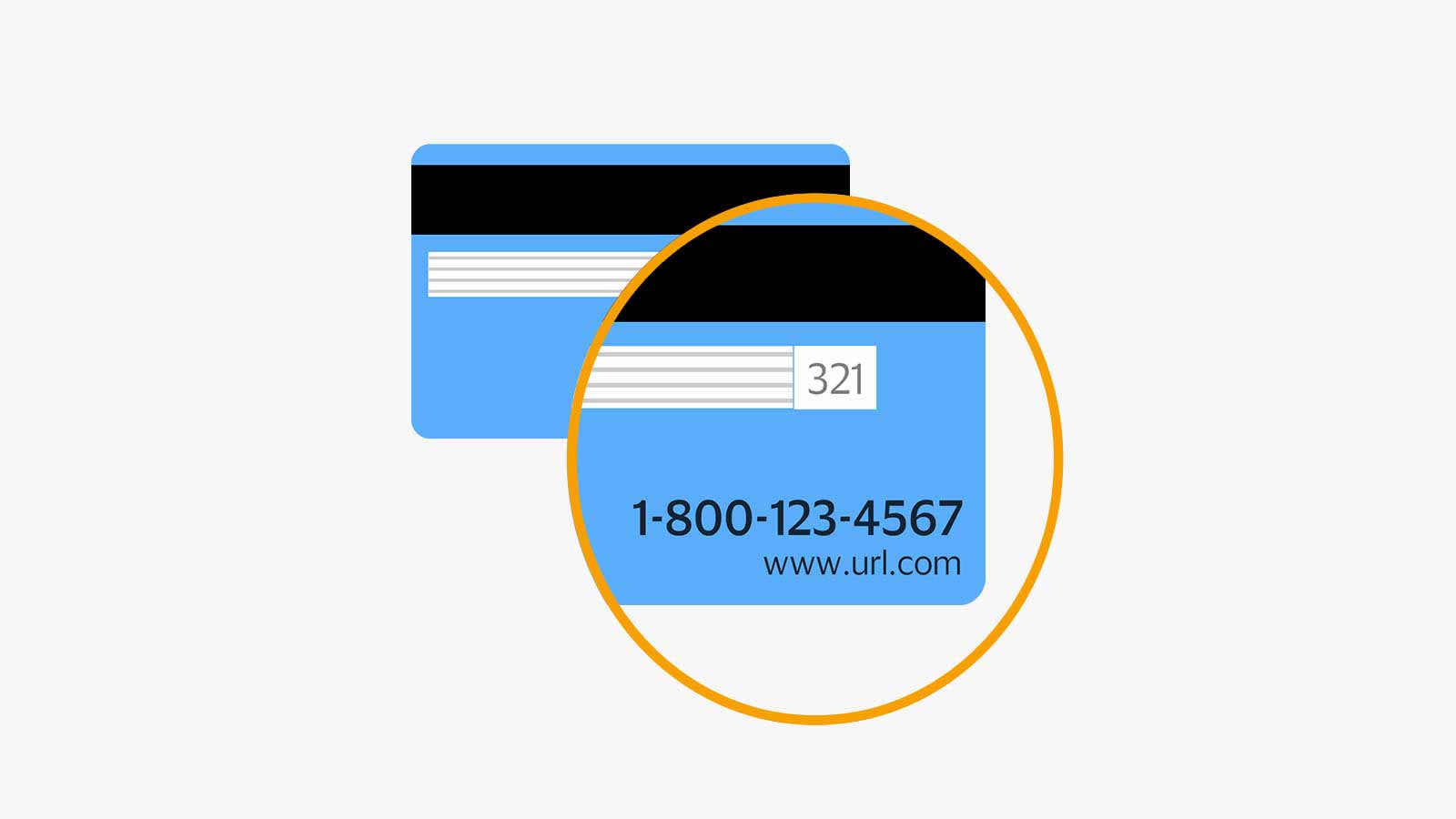
Before heading online, you’ll need two crucial pieces of information, usually found on the back of your gift card:
- Card Number: This is typically a 12-to-19-digit number, similar to a credit card number.
- PIN (Personal Identification Number): Often a 3-to-6-digit number, usually covered by a scratch-off strip for security. Gently scratch this off if it’s covered. Some older or store-specific cards may not have a PIN.
Navigating Retailer Websites and Dedicated Balance Checkers
Once you have your card number and PIN, here’s how to proceed:
- Direct to Retailer: If it’s a store-specific gift card (e.g., Amazon, Starbucks, Target), go directly to that retailer’s official website. Look for links usually labeled “Gift Card,” “Check Balance,” “Customer Service,” or within your account dashboard if you have one.
- Network Card Websites: For open-loop cards (Visa, MasterCard, American Express, Discover gift cards), navigate to the issuing network’s dedicated gift card balance check page (e.g.,
www.visa.com/giftcard,www.mastercard.us/en-us/consumers/get-support/check-prepaid-balance.html). - Third-Party Aggregators (Use with Caution): A few websites attempt to offer universal gift card balance checks. While some might be legitimate, exercise extreme caution. Only use well-vetted, reputable aggregators, and always prioritize the official issuer’s website to protect your card information.
- Enter Details: Input your card number and PIN into the designated fields. Some sites may also require a security captcha.
- View Balance: Your remaining balance should be displayed instantly.
Phone Support: A Direct Line to Clarity
If you prefer speaking to a human, or if online methods prove difficult, calling customer support is a reliable alternative.
Finding Customer Service Numbers
The customer service phone number for gift card inquiries is almost always printed on the back of the gift card itself, often near the card number or issuer details. For network-branded cards, you might find a general customer service line for prepaid cards.
Essential Information for Phone Inquiries
When you call, be prepared to provide:
- The full gift card number.
- The PIN (if applicable).
- Sometimes, for security, they might ask for the activation date or the name of the purchaser (if you know it).
The automated system might allow you to enter the card number to hear the balance, or you might need to speak to a representative.
In-Store Inquiry: The Traditional Approach
For physical gift cards, checking the balance in person at the issuing store remains a straightforward and often reassuring option.
Approaching Customer Service Desks

Visit any location of the retailer that issued the gift card. Head to the customer service desk or any checkout counter. Simply present your gift card to the associate and request a balance check. They will typically swipe or manually enter the card details into their Point-of-Sale (POS) system.
Understanding POS Terminal Information
The associate can usually print out a receipt showing the remaining balance, or they might verbally tell you. This method is particularly useful for cards that lack an online balance checker or a clear phone number, or if you’re already in the store planning a purchase. It also offers immediate verification and an opportunity to ask questions if there are any discrepancies.
Mobile Apps: Convenience at Your Fingertips
Many major retailers, especially those with loyalty programs or extensive digital ecosystems, now offer balance checking capabilities directly within their official mobile applications.
- Retailer-Specific Apps: If you frequently shop at a particular store (e.g., Starbucks, Target, Amazon), download their app. You can often add your gift card to your digital wallet within the app, which then displays the current balance. This also streamlines payment in-store or online.
- Digital Wallets: Some generic digital wallet apps (like Apple Wallet or Google Pay) might allow you to store gift card information, but their ability to dynamically update and display balances varies greatly by card and integration. For balance checks, relying on the retailer’s dedicated app or website is generally more reliable.
Always ensure you’re downloading and using the official app from a trusted app store to avoid phishing scams.
Advanced Strategies and Troubleshooting for Gift Card Management
Beyond the basic methods of checking balances, a deeper understanding of gift card nuances can save you money and headaches. Issues like expiration, fees, and handling lost cards require specific financial literacy.
Dealing with Lost or Damaged Gift Cards
Losing a gift card can feel like losing cash, but it’s not always a complete write-off.
- Immediate Action: If you lose a gift card, immediately contact the issuer (the retailer or network).
- Proof of Purchase: Your chances of recovery are significantly higher if you have the original purchase receipt, which often includes the gift card number. This receipt proves ownership and provides the unique identifier needed to track the card.
- Registration: Some retailers allow you to register your gift card online upon receipt. This links the card to your identity, making it much easier to replace if lost or stolen.
- Issuer Policy: Be aware that policies vary. Some issuers offer replacements with the remaining balance; others have strict “treat as cash” policies with no replacement for lost cards. Always check the terms and conditions.
Understanding Expiration Dates and Fees
Not all gift cards maintain their value indefinitely.
- Expiration Dates: While federal law (CARD Act of 2009) protects the underlying funds on most retail gift cards from expiring for five years from the date of issuance or last load, state laws can vary, and promotional gift cards often have much shorter expiration periods (e.g., 90 days, 6 months). Always check the fine print on the card or its packaging.
- Dormancy/Inactivity Fees: Some cards may charge dormancy fees if they are unused for a prolonged period (e.g., 12 months). These fees reduce the card’s balance. Federal law prohibits inactivity fees unless the card has been inactive for at least one year and certain disclosures are made. Again, promotional cards may have different rules. Regular balance checks help you use the card before fees or expiration dates eat into its value.
Consolidating Balances or Converting to Cash (Where Possible)
Sometimes you’re left with small, inconvenient balances across multiple cards.
- Balance Consolidation: Some retailers allow you to transfer a small balance from one gift card to another new card, or add it to an existing gift card or store credit account. This is particularly useful for consolidating residual amounts. Inquire at the customer service desk.
- Small Balance Cashing Out: A few states have laws requiring retailers to cash out gift cards with balances below a certain threshold (e.g., $5 or $10). Check your state’s consumer protection laws or inquire at the retailer. This is a rare but useful option for extracting full value from negligible balances.
- Gift Card Resale Market: For cards you don’t intend to use, consider selling them on reputable gift card resale websites (e.g., CardCash, Raise). You won’t get the full face value, but it’s a way to convert unwanted gift cards into usable cash, typically at 70-90% of their value.
The Nuances of Multi-Retailer and Open-Loop Gift Cards
- Multi-Retailer Cards: These cards are usable at a group of specific retailers (e.g., “Dining Out” gift cards valid at several restaurant chains). Check their balance using the method specified on the card, usually a dedicated website or phone number provided by the managing company.
- Open-Loop Cards (Visa, MasterCard, Amex, Discover): These are essentially prepaid debit cards and are accepted wherever their respective network is honored. Their balances are checked on the network’s specific gift card website, as detailed in the “Online Portal” section. Remember, these often come with activation fees and sometimes expiration dates, making timely use important.
Best Practices for Gift Card Handling and Security
Effective management of gift cards extends beyond simply checking their balance; it involves adopting habits that safeguard their value and protect you from potential issues. Treating gift cards as a form of cash or financial asset is crucial.
Record Keeping: The Digital and Physical Approach
Diligent record keeping is your first line of defense against gift card woes.
- Photograph the Back: As soon as you receive a gift card, take a clear photo of the front and back, ensuring the card number, PIN, and any relevant customer service numbers are legible. Store this photo securely on your phone or in cloud storage.
- Keep Receipts: Retain the activation receipt that often accompanies a gift card purchase. This receipt proves the card was purchased and activated for a specific amount, which is invaluable if you need to dispute a balance or replace a lost card.
- Spreadsheet/App Tracking: For those with multiple gift cards, consider creating a simple spreadsheet or using a dedicated budgeting app to track card numbers, PINs, initial balances, current balances (updated after purchases), and expiration dates. This centralizes your gift card information and provides a holistic view of your prepaid funds.
Immediate Balance Checks Upon Receipt
Make it a habit to check the balance of any new gift card as soon as you receive it, even before its first use. This serves several critical purposes:
- Verify Activation: It confirms that the card was properly activated by the retailer or sender and loaded with the correct amount. Occasionally, errors occur during activation, and an immediate check allows you to address discrepancies swiftly.
- Baseline for Tracking: This initial check provides a baseline for future tracking. You’ll know the starting point of your funds.
- Early Detection of Tampering: In rare cases, cards can be tampered with before they reach you. An immediate balance check can help uncover this before funds are illegally drained.
Safeguarding Your Card Information
Treat your gift card numbers and PINs with the same care you would your bank account or credit card details.
- Physical Security: Keep physical gift cards in a secure location, like your wallet or a dedicated gift card holder, rather than loose in a bag where they could be easily lost or seen.
- Digital Security: If you record gift card information digitally, use strong passwords for your devices and cloud storage. Avoid sharing card details over unsecured networks or with untrusted individuals. Never store gift card information on public computers.
- Scratch-Off Protection: For cards with a scratch-off PIN, only reveal the PIN when you are ready to use it or check the balance. This prevents others from easily accessing it.
Recognizing and Avoiding Gift Card Scams
Gift cards are a popular tool for scammers because they are essentially untraceable cash once redeemed.
- Scammers Demanding Gift Cards: Be extremely wary if anyone, especially someone claiming to be from a government agency (IRS, Social Security), utility company, or tech support, demands payment in the form of gift cards. Legitimate organizations will never ask for payment in gift cards.
- Fake Websites/Emails: Only use official retailer or network websites to check balances. Be vigilant about phishing emails or suspicious websites that ask for gift card numbers, as these are often attempts to steal your funds.
- Tampered Cards in Stores: Before purchasing a gift card, carefully inspect the packaging for any signs of tampering, such as peeled-off stickers, altered barcodes, or exposed PINs. Scammers sometimes record card numbers and PINs from cards on display, then wait for them to be activated and drain the balance.
By adopting these best practices, you transform gift card ownership from a potential financial leak into a well-managed asset, ensuring you extract every bit of value from your prepaid funds.
In conclusion, knowing how to check the balance on your gift card is a vital skill for anyone navigating the landscape of modern personal finance. It’s about more than just convenience; it’s about financial literacy, waste prevention, and asset protection. By embracing the various methods – online portals, phone support, in-store inquiries, and mobile apps – and implementing robust management strategies, you can ensure that your gift cards serve their intended purpose, providing you with flexible spending power and contributing positively to your overall financial well-being. Don’t let valuable prepaid funds slip through your fingers; take control of your gift cards today.
aViewFromTheCave is a participant in the Amazon Services LLC Associates Program, an affiliate advertising program designed to provide a means for sites to earn advertising fees by advertising and linking to Amazon.com. Amazon, the Amazon logo, AmazonSupply, and the AmazonSupply logo are trademarks of Amazon.com, Inc. or its affiliates. As an Amazon Associate we earn affiliate commissions from qualifying purchases.