
In the dynamic world of cryptocurrency, buying is often seen as the entry point, the exciting first step into a new financial frontier. However, for many investors, the true realization of their investment strategy comes with the decision to sell. Whether you’re looking to lock in profits, rebalance your portfolio, or simply free up capital for other financial goals, understanding the process of selling your digital assets is as crucial as knowing how to acquire them. Coinbase, as one of the most widely used and regulated cryptocurrency exchanges globally, serves as a primary platform for countless individuals managing their crypto holdings. This guide will walk you through the intricacies of selling on Coinbase, providing a professional and insightful overview of the financial considerations, practical steps, and strategic choices involved in converting your digital currency back into traditional fiat money. By the end, you’ll be equipped with the knowledge to execute your sales confidently and strategically, aligning with your broader financial objectives.
Understanding the Fundamentals of Selling Cryptocurrency
Before diving into the mechanics of selling on Coinbase, it’s essential to grasp the underlying financial rationale and key considerations that should inform your decision. Selling cryptocurrency isn’t just a click of a button; it’s a strategic move within your investment journey.
Why Sell Your Crypto? A Financial Perspective
The reasons for selling cryptocurrency are as diverse as the investors themselves, but they almost always stem from a core financial objective. One primary motivation is profit-taking. After seeing your initial investment appreciate significantly, realizing those gains becomes a tangible reward for your risk and foresight. Conversely, you might decide to sell to cut losses if a particular asset isn’t performing as expected, preventing further erosion of your capital. This is a critical component of risk management.
Another common reason is portfolio rebalancing. As different assets perform differently, your desired asset allocation can shift. Selling off overperforming assets allows you to reinvest in underperforming ones or diversify into new opportunities, maintaining a balanced and healthy portfolio aligned with your risk tolerance. Sometimes, urgent financial needs dictate a sale. Whether it’s to cover an unexpected expense, make a down payment, or fund an emergency, converting crypto to cash can be a necessary liquidity event. Finally, tax considerations often play a role. Investors might sell at specific times to optimize their capital gains or losses for tax purposes, particularly towards the end of a fiscal year. Each of these motivations underscores the importance of a clear financial strategy guiding your crypto disposition.
Key Factors Influencing Your Sale
Several external and internal factors should weigh into your decision to sell. Market prices are perhaps the most immediate concern. Selling during a bull run might maximize profits, but attempting to perfectly time the market is notoriously difficult. Conversely, selling during a downturn can either prevent further losses or lock in capital for reinvestment elsewhere. Fees are another critical consideration; every exchange charges fees for selling, which can eat into your profits. Understanding Coinbase’s fee structure is paramount to calculating your net proceeds.
Liquidity refers to how easily an asset can be converted into cash without affecting its market price. Major cryptocurrencies like Bitcoin (BTC) and Ethereum (ETH) generally have high liquidity on Coinbase, meaning large sales can be executed swiftly. For smaller altcoins, liquidity might be lower, leading to slippage or delays. Finally, your personal financial goals should always be at the forefront. Are you selling to buy a house, save for retirement, or just to have spending money? Your overarching financial plan dictates the prudence of any sale.
The Importance of a Clear Financial Strategy
Approaching crypto sales without a strategy is akin to sailing without a compass. A robust financial strategy includes setting profit targets – deciding in advance at what price point you will sell a portion or all of your holdings. This helps to remove emotion from the decision-making process. Equally important are stop-loss limits, which define the price at which you will sell to prevent excessive losses. This risk management tool is vital in volatile markets. Furthermore, consider whether your sale is intended for long-term gains (assets held for over a year, often with preferential tax treatment) or short-term gains (assets held for less than a year, typically taxed at ordinary income rates). Your strategy should encompass not just when to sell, but also how much to sell, and what to do with the proceeds.
Navigating the Coinbase Platform for Sales
Once your financial strategy is in place, the next step is to execute your sale on Coinbase. The platform is designed for user-friendliness, but understanding each step ensures a smooth and efficient transaction.
Account Setup and Verification for Selling
To sell cryptocurrency on Coinbase, you must have a fully verified account. This involves completing Know Your Customer (KYC) requirements, which typically include providing personal information, government-issued ID, and sometimes proof of address. This regulatory step is crucial for financial security and compliance. Equally important is linking your bank account or PayPal for fiat payouts. For bank transfers (ACH), you’ll typically link your bank account via your bank’s online portal or by manually entering routing and account numbers. Ensuring these links are correctly established and verified before you need to sell will prevent delays when it matters most. For enhanced security, always enable two-factor authentication (2FA) on your Coinbase account; this protects your funds even if your password is compromised.
The Step-by-Step Selling Process
Selling on Coinbase is straightforward once your account is set up.
- Log in to your Coinbase account.
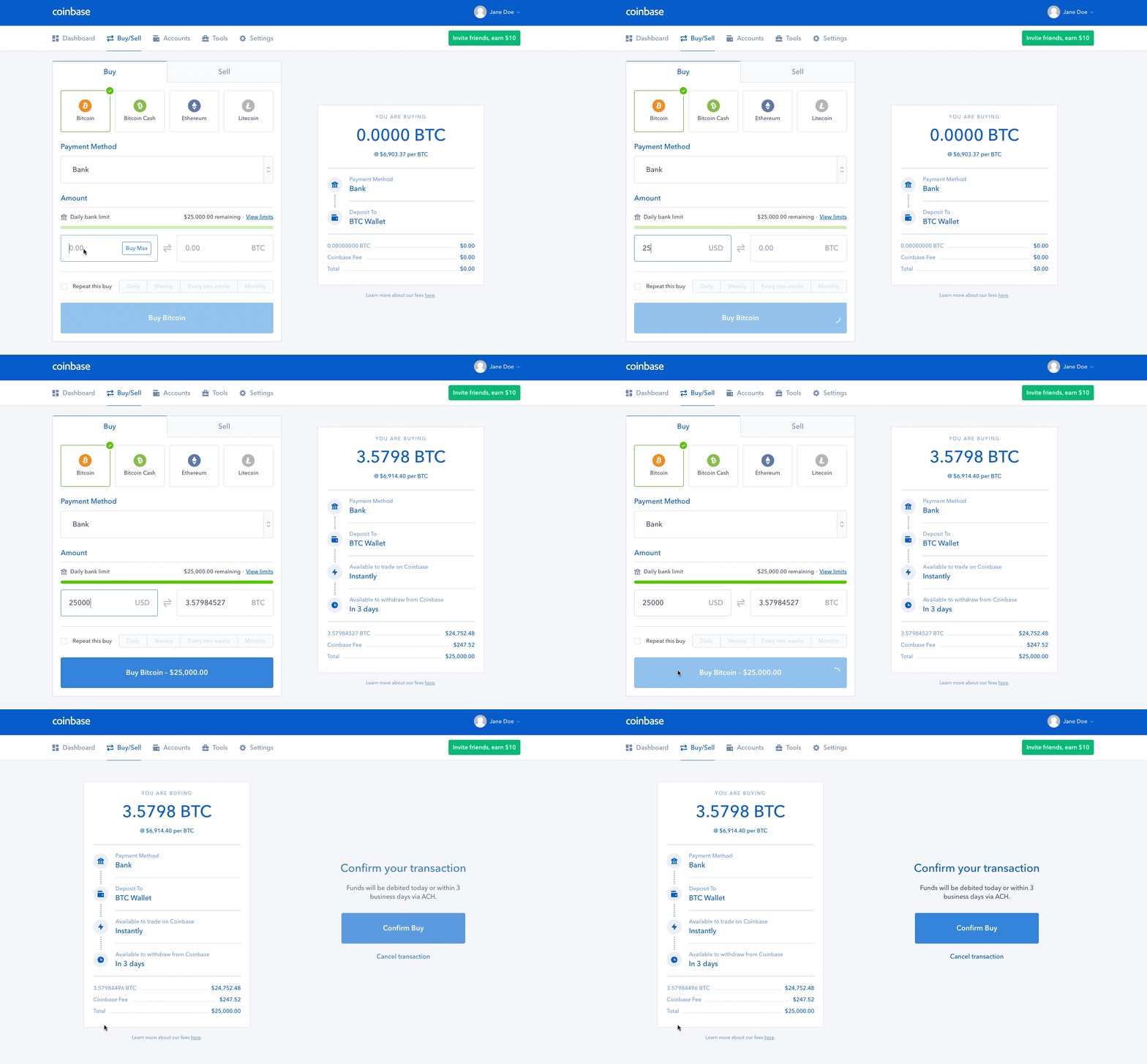
- Navigate to the “Buy/Sell” tab or button. This is usually prominently displayed on the dashboard.
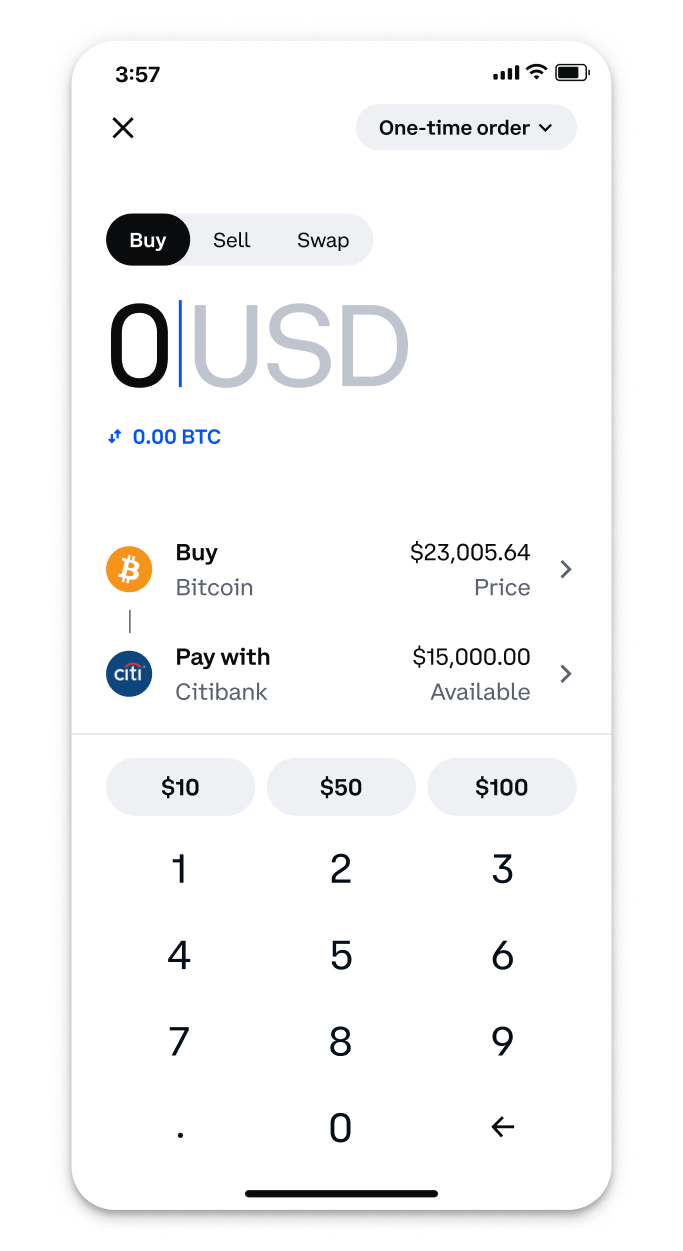
- Select “Sell.”
- Choose the cryptocurrency you wish to sell. Coinbase will show your available balance for that asset.
- Enter the amount you wish to sell. You can input a specific crypto amount (e.g., 0.1 BTC) or a fiat amount (e.g., $500 USD). Coinbase will automatically calculate the equivalent.
- Select the destination for your funds. This will be your linked bank account or PayPal.
- Review your sale details. This “preview sale” screen is critical. It will display the current exchange rate, the Coinbase fee, and the net amount you will receive. Ensure all details are correct.
- Confirm the sale. Once confirmed, the transaction is typically irreversible. Your crypto will be sold, and the fiat equivalent will be initiated for transfer to your chosen payout method.
Understanding each element of the preview screen, especially the fees, will prevent surprises and ensure you receive the expected amount.
Understanding Fiat Payout Options
Coinbase offers several options for receiving your fiat currency after a sale, each with its own pros and cons in terms of speed and fees.
- ACH Bank Transfers: This is the most common method for U.S. customers. Funds are sent directly to your linked bank account. Pros: Generally low cost, widely supported. Cons: Can take 3-5 business days to clear, depending on your bank and current banking holidays.
- Wire Transfers: Available for larger transactions, wire transfers are faster than ACH. Pros: Often clear within 1 business day. Cons: Typically incur higher fees from both Coinbase and your bank.
- PayPal: Funds can be instantly transferred to your linked PayPal account. Pros: Instant access to funds, convenient for online spending. Cons: PayPal may have its own fees for withdrawals to a bank account, and sometimes limits apply to transaction amounts.
- Debit Card Withdrawals: For smaller amounts, some regions allow instant withdrawals to a linked debit card. Pros: Instant access. Cons: Often carry higher fees than ACH, and strict limits on withdrawal amounts.
Choosing the right payout method depends on your urgency for funds, the amount you’re withdrawing, and your tolerance for fees. Always compare the costs and timelines associated with each option before making your selection.

Fees, Limits, and Timelines: What You Need to Know
Understanding the financial architecture behind Coinbase’s operations—specifically its fee structure, transaction limits, and payout timelines—is paramount for any savvy investor. These elements directly impact the net proceeds of your sale and the efficiency of accessing your funds.
Demystifying Coinbase Selling Fees
Coinbase generates revenue through various fees, which can impact your final payout. The primary fee components are:
- The Spread: When you buy or sell crypto on Coinbase, they apply a spread, which is a slight difference between the market price and the price you actually get. This small margin is how Coinbase profits on each transaction, irrespective of other fees. It’s typically around 0.5% for most transactions, though this can vary.
- Coinbase Fee: In addition to the spread, Coinbase charges a separate fee, which can be either a flat fee or a percentage-based fee, depending on the transaction amount and type. For smaller transactions, a flat fee might apply (e.g., $0.99 for transactions under $10). For larger amounts, it typically transitions to a percentage (e.g., 1.49% for bank transfers).
- Specific Payout Fees: As mentioned, certain payout methods like instant debit card withdrawals or wire transfers might incur additional, separate fees.
To minimize fees, consider executing larger, less frequent sales rather than numerous small ones, as flat fees can accumulate quickly. Also, exploring Coinbase Pro (now Coinbase Advanced Trade), if you’re comfortable with a more complex interface, generally offers significantly lower trading fees due to its maker-taker fee model, which is based on your 30-day trading volume. While beyond the scope of a direct “sell on Coinbase” guide, it’s an important financial tool for active traders.
Transaction Limits and Their Implications
Coinbase imposes various limits on selling and withdrawing funds. These limits are in place for regulatory compliance, security, and risk management.
- Daily/Weekly Selling Limits: These dictate the maximum amount of cryptocurrency you can sell within a 24-hour or 7-day period. These limits are usually higher for fully verified accounts but can still pose a challenge for very large sales.
- Withdrawal Limits: Similar to selling limits, there are maximum amounts you can withdraw to your bank account or PayPal per day or week.
- Tiered Verification: Your verification level directly impacts these limits. Users with basic verification will have much lower limits than those who have completed full identity verification.
It’s crucial to be aware of your current limits before initiating a large sale. If you anticipate exceeding your limits, you might need to contact Coinbase support to request an increase, which may require additional verification steps. Planning your sales in advance, especially for significant sums, can help you navigate these restrictions without undue stress.
Payout Timelines and Expectations
The time it takes for your funds to reach your bank account is a frequent point of concern for sellers.
- ACH Transfers: Typically, ACH withdrawals take 3-5 business days to complete. This is because ACH is not an instant payment system; it operates in batches, and banks have their own processing times. Factors like weekends, public holidays, and the specific timing of your transaction (e.g., submitting on a Friday evening) can extend this timeline.
- Wire Transfers: For U.S. customers, wire transfers are generally faster, often completing within 1 business day. They are processed individually and are suitable for urgent or larger transactions.
- PayPal: Payouts to PayPal are usually instant. However, if you then transfer funds from PayPal to your bank, PayPal’s own processing times (which can be 1-3 business days) will apply.
- Debit Card Withdrawals: These are typically instant but are often subject to lower limits and higher fees.
Always factor in these timelines when planning your financial activities. If you need funds by a specific date, initiate your sale and withdrawal well in advance, preferably opting for faster methods like wire transfers if the amount justifies the additional fees.
Strategic Considerations for Maximizing Your Sale
Selling cryptocurrency is more than just executing a transaction; it’s a strategic financial decision that requires careful planning and an understanding of its broader implications. Maximizing your sale isn’t solely about getting the highest price at a given moment, but about optimizing the entire process for your financial benefit.
Timing Your Sale: Market Analysis and Risk Management
The age-old dilemma of “when to sell” is perhaps the most challenging aspect of investing. While no one can perfectly predict market movements, employing basic market analysis can inform your decisions. This involves:
- Technical Analysis Basics: Looking at price charts, trading volumes, and simple indicators (like moving averages) can help identify potential resistance levels where selling pressure might increase, or support levels where price might bounce. However, this is highly speculative and requires dedicated study.
- Fundamental Analysis: Staying informed about news, regulatory developments, and project updates related to your crypto assets can help anticipate market reactions. Positive news might signal a good time to sell into strength, while negative news could prompt a strategic exit to limit losses.
- Dollar-Cost Averaging Out: Just as dollar-cost averaging (DCA) is popular for buying, the inverse can be applied to selling. Instead of selling all your holdings at once, you sell a fixed dollar amount or a fixed percentage of your holdings at regular intervals. This strategy reduces the risk of trying to perfectly time the market’s peak and smooths out your average selling price.
- Risk Management: Never let emotions dictate your sale. Stick to your predefined profit targets and stop-loss limits. The goal is to make rational decisions that align with your financial plan, not to chase ephemeral market highs or panic during lows.
Tax Implications of Selling Crypto
This is perhaps the most overlooked yet critical aspect of selling cryptocurrency. In many jurisdictions, including the United States, selling cryptocurrency is a taxable event.
- Capital Gains/Losses: When you sell crypto for a profit, it’s considered a capital gain. If you sell at a loss, it’s a capital loss. These are typically categorized as short-term (assets held for less than one year) or long-term (assets held for over one year). Long-term capital gains often receive more favorable tax treatment.
- Record-Keeping: It is your responsibility to keep meticulous records of all your crypto transactions, including purchase dates, acquisition costs (cost basis), sale dates, and sale prices. This data is essential for accurately calculating your gains or losses. Coinbase typically provides transaction history, but cross-referencing with your own records is wise.
- Consult a Tax Professional: Cryptocurrency tax laws are complex and evolving. It is highly recommended to consult with a qualified tax advisor who specializes in digital assets. They can help you understand your obligations, minimize your tax burden legally, and ensure compliance. Ignoring tax implications can lead to significant penalties.
Reinvesting vs. Cashing Out
Once you’ve sold your crypto and received fiat currency, you face another crucial financial decision: what to do with the proceeds.
- Cashing Out for Consumption: This involves using the money for immediate needs, paying bills, making a down payment, or simply enjoying the fruits of your investment. This is a legitimate outcome of successful investing.
- Reinvesting in Traditional Assets: You might choose to diversify your portfolio by moving profits into traditional investment vehicles like stocks, bonds, real estate, or mutual funds. This can provide stability and exposure to different market dynamics, reducing your overall risk.
- Reinvesting in Other Crypto Assets: Perhaps you’ve identified a new crypto project with strong fundamentals, or you wish to rebalance into more stable cryptocurrencies. Reinvesting within the crypto ecosystem can maintain your exposure to the digital asset space while potentially optimizing for future growth.
- Financial Planning: Whatever your decision, it should be integrated into your broader financial plan. Consider your savings goals, debt repayment strategies, and overall asset allocation. Selling crypto should not be an isolated event but a thoughtful step within your comprehensive financial journey.
Conclusion
Selling cryptocurrency on Coinbase, while seemingly a simple transaction, is a process laden with important financial considerations. From understanding the strategic motivations behind a sale to navigating the platform’s mechanics, fees, and payout options, every step requires careful attention. The financial implications extend beyond the immediate transaction, encompassing crucial elements like market timing, diligent record-keeping for tax purposes, and strategic decisions regarding the utilization of your proceeds.
By adhering to a clear financial strategy, staying informed about market conditions, and meticulously managing your account details, you can execute your sales efficiently and confidently. Remember that the journey of a successful investor involves not just accumulating assets but also intelligently realizing their value. As the digital asset landscape continues to evolve, a well-informed and disciplined approach to selling on platforms like Coinbase will remain a cornerstone of responsible and profitable cryptocurrency investing. Always prioritize due diligence, consider consulting financial and tax professionals, and ensure your crypto activities align seamlessly with your overarching financial objectives.
aViewFromTheCave is a participant in the Amazon Services LLC Associates Program, an affiliate advertising program designed to provide a means for sites to earn advertising fees by advertising and linking to Amazon.com. Amazon, the Amazon logo, AmazonSupply, and the AmazonSupply logo are trademarks of Amazon.com, Inc. or its affiliates. As an Amazon Associate we earn affiliate commissions from qualifying purchases.