
MicroStrategy (MSTR) has emerged as a truly unique entity in the modern investment landscape, captivating investors with its audacious embrace of Bitcoin. Once primarily known as a business intelligence software company, MicroStrategy, under the visionary leadership of CEO Michael Saylor, has aggressively pivoted to accumulate a significant treasury of Bitcoin, effectively transforming it into a publicly traded vehicle for Bitcoin exposure. This strategic shift has positioned MSTR as a fascinating, albeit volatile, investment opportunity for those seeking to participate in the cryptocurrency market without directly holding digital assets.
For both seasoned investors and those new to the stock market, understanding how to navigate the acquisition of MSTR stock is crucial. This comprehensive guide will walk you through the essential steps, from understanding MicroStrategy’s unique investment thesis to executing your trade and managing your holdings, all within the framework of sound financial principles.

1. Demystifying MicroStrategy’s Investment Profile
Before committing capital, it’s paramount to understand what you’re investing in. MicroStrategy is not a typical tech stock anymore; its valuation and market movements are inextricably linked to the volatile world of cryptocurrency.
Beyond a Software Company: The Bitcoin Strategy
MicroStrategy was founded in 1989 and, for decades, built a solid reputation as a provider of enterprise analytics and business intelligence software. Its core business continues to operate, generating revenue and cash flow. However, in August 2020, the company made headlines by announcing its adoption of Bitcoin as its primary treasury reserve asset. This decision, championed by Michael Saylor, was driven by a belief in Bitcoin’s long-term potential as a superior store of value, a hedge against inflation, and a future global reserve asset.
Since then, MicroStrategy has consistently added substantial amounts of Bitcoin to its balance sheet, often utilizing convertible debt offerings to finance these acquisitions. This aggressive strategy has effectively turned MSTR into a “Bitcoin proxy” – a publicly traded company whose stock performance is heavily correlated with the price of Bitcoin itself, often trading at a premium or discount relative to its underlying Bitcoin holdings and traditional software business. Investors buying MSTR stock are, in essence, making a bet on MicroStrategy’s ability to execute its Bitcoin strategy, manage its debt, and on the future appreciation of Bitcoin.
The Allure and Risks of an MSTR Investment
Investing in MicroStrategy offers a distinct set of advantages and disadvantages compared to direct Bitcoin ownership or other investment avenues.
The Allure:
- Institutional Access: For some institutional investors or those constrained by regulatory frameworks, MSTR provides a regulated and traditional stock market vehicle to gain exposure to Bitcoin.
- Simplified Tax Reporting: Trading MSTR stock typically involves standard equity tax rules, which can be simpler than navigating cryptocurrency tax implications for some investors.
- Diversified Company Structure: While Bitcoin-centric, MicroStrategy still has its operational software business, offering a semblance of a diversified asset base, even if its influence on stock price is currently minor.
- Management Expertise: Investors are betting on Michael Saylor’s deep conviction and expertise in navigating the Bitcoin market and leveraging financial instruments to acquire it.
- Potential for Outsized Gains: If Bitcoin performs exceptionally well, MSTR’s leveraged position (through debt financing for Bitcoin purchases) could potentially amplify returns.
The Risks:
- Extreme Volatility: MSTR’s stock price is highly volatile, mirroring and sometimes amplifying Bitcoin’s dramatic price swings. This means significant potential for both gains and losses.
- Premium/Discount to NAV: MSTR often trades at a premium or discount to its net asset value (NAV), which is calculated by its Bitcoin holdings plus the value of its software business, minus its debt. Understanding this relationship is crucial.
- Company-Specific Risks: Beyond Bitcoin volatility, MSTR faces risks related to its debt obligations, operational performance of its software business, and strategic decisions made by its management.
- Concentration Risk: A substantial portion of MicroStrategy’s assets is concentrated in a single, volatile asset class (Bitcoin), which presents significant concentration risk.
- Regulatory Uncertainty: The broader cryptocurrency market still faces evolving regulatory landscapes, which could indirectly impact MSTR.
Ultimately, investing in MSTR is a high-conviction, high-risk strategy. It’s suitable for investors with a high tolerance for risk, a deep understanding of the cryptocurrency market, and a belief in MicroStrategy’s long-term vision.
2. Preparing Your Investment Journey
Once you’ve thoroughly assessed MicroStrategy’s profile and determined it aligns with your investment goals and risk tolerance, the next step involves setting up the practical infrastructure for your investment.
Selecting the Right Brokerage Account
To buy MSTR stock, you’ll need a brokerage account. Choosing the right brokerage is a critical decision that can impact your trading experience, costs, and access to research.
- Types of Brokers:
- Discount Brokers: These typically offer lower fees (often zero commission on stock trades), self-directed trading platforms, and a range of basic research tools. They are ideal for investors who prefer to manage their own investments. Examples include Charles Schwab, Fidelity, E*TRADE, TD Ameritrade (now part of Schwab), Interactive Brokers, and even newer platforms like Robinhood (though caution should be exercised with platforms like Robinhood due to their simplified interface and potential for gamification of investing).
- Full-Service Brokers: These offer personalized advice, portfolio management, and a wide array of financial products, but typically come with higher fees. They are more suited for investors who prefer professional guidance.
- Key Considerations:
- Fees and Commissions: While many brokers now offer commission-free stock trades, check for other fees such as account maintenance fees, inactivity fees, or fees for specific services.
- Platform Features: Evaluate the trading platform’s user-friendliness, access to real-time data, charting tools, and order types (e.g., limit orders, stop-loss orders).
- Research and Educational Resources: Look for brokers that provide robust research reports, market analysis, and educational content to help you make informed decisions.
- Customer Support: Accessible and responsive customer service can be invaluable, especially for new investors.
- Regulatory Compliance: Ensure the broker is regulated by relevant authorities (e.g., SEC and FINRA in the U.S.) and offers investor protections like SIPC insurance.
Once you’ve chosen a broker, you’ll go through an account opening process, which typically involves providing personal information, verifying your identity, and answering questions about your investment experience and risk tolerance.
Funding Your Investment Account
After opening your brokerage account, the next step is to deposit funds that you’ll use to purchase MSTR stock.
- Common Funding Methods:
- ACH Transfer (Automated Clearing House): This is the most common method for transferring funds from your bank account to your brokerage account. It’s usually free but can take 1-3 business days for funds to become fully settled and available for trading.
- Wire Transfer: Wires are faster (often same-day) but usually incur a fee from both your bank and potentially the brokerage. They are typically used for larger, time-sensitive transfers.
- Check Deposit: You can mail a check to your brokerage, but this is the slowest method.
- Direct Deposit: Some brokers allow you to set up direct deposit from your paycheck.
- Transfer from Another Brokerage: If you have an account at another firm, you can initiate an Automated Customer Account Transfer Service (ACATS) to move existing assets.
Before initiating a transfer, ensure you understand any minimum deposit requirements set by your brokerage and the time it takes for funds to clear. Crucially, decide on the amount of capital you are willing to allocate to MSTR stock, keeping in mind the high-risk nature of the investment and never investing more than you can comfortably afford to lose.
3. Executing Your Purchase of MSTR Stock
With your brokerage account funded, you’re ready to place your trade. This process is generally straightforward but requires attention to detail.
Navigating the Trading Platform
Log in to your chosen brokerage’s website or mobile app. You’ll typically find a “Trade,” “Invest,” or “Buy/Sell” section.
- Search for MSTR: In the search bar, type in “MicroStrategy” or its ticker symbol, MSTR. You should see the company’s stock quote, including its current price, daily high/low, volume, and other relevant information.
- Review Stock Quote: Take a moment to review the current price. Keep in mind that stock prices fluctuate in real-time throughout the trading day (typically 9:30 AM to 4:00 PM Eastern Time, Monday to Friday).
Placing Your Order: Market vs. Limit Orders
This is a critical decision that affects the price at which your trade is executed.
-
Market Order: A market order instructs your broker to buy or sell shares immediately at the best available current price.
- Pros: Ensures immediate execution.
- Cons: You don’t have control over the exact price. In volatile markets, the price you get might be slightly different (worse) than the last quoted price you saw, known as “slippage.”
- When to Use: Suitable for highly liquid stocks where a small price difference won’t significantly impact your overall investment, or when speed of execution is paramount. Given MSTR’s volatility, caution is advised.
-
Limit Order: A limit order allows you to specify the maximum price you’re willing to pay for a stock (or the minimum price you’re willing to sell it for).
- Pros: Guarantees you won’t pay more than your specified price.
- Cons: Your order might not be executed if the stock’s price never reaches your specified limit.
- When to Use: Highly recommended for volatile stocks like MSTR, or when you have a specific price target in mind. This gives you more control over your entry point.
-
Quantity: Decide how many shares of MSTR you wish to purchase. Some brokers offer fractional shares, allowing you to invest a specific dollar amount rather than buying whole shares.
-
Order Duration: For limit orders, you’ll often have options like “Day” (expires at market close) or “Good ‘Til Canceled” (GTC – remains active until filled or canceled).
Confirming and Reviewing Your Trade
Before clicking “Place Order” or “Submit,” carefully review all the details:
- Stock ticker (MSTR)
- Buy/Sell action
- Order type (Market/Limit)
- Quantity of shares
- Price (for limit orders)
- Estimated total cost
Once confirmed, your order will be sent to the market. For market orders, execution is typically instantaneous. For limit orders, you’ll need to wait for the stock’s price to reach your specified limit. You’ll receive a confirmation message, and the shares will appear in your account, usually within a few minutes.
4. Managing and Optimizing Your MicroStrategy Holdings
Buying MSTR stock is just the beginning. Effective portfolio management requires ongoing vigilance, strategic thinking, and emotional discipline.
Monitoring Performance and Market Dynamics
Given MSTR’s unique investment profile, constant monitoring is essential.
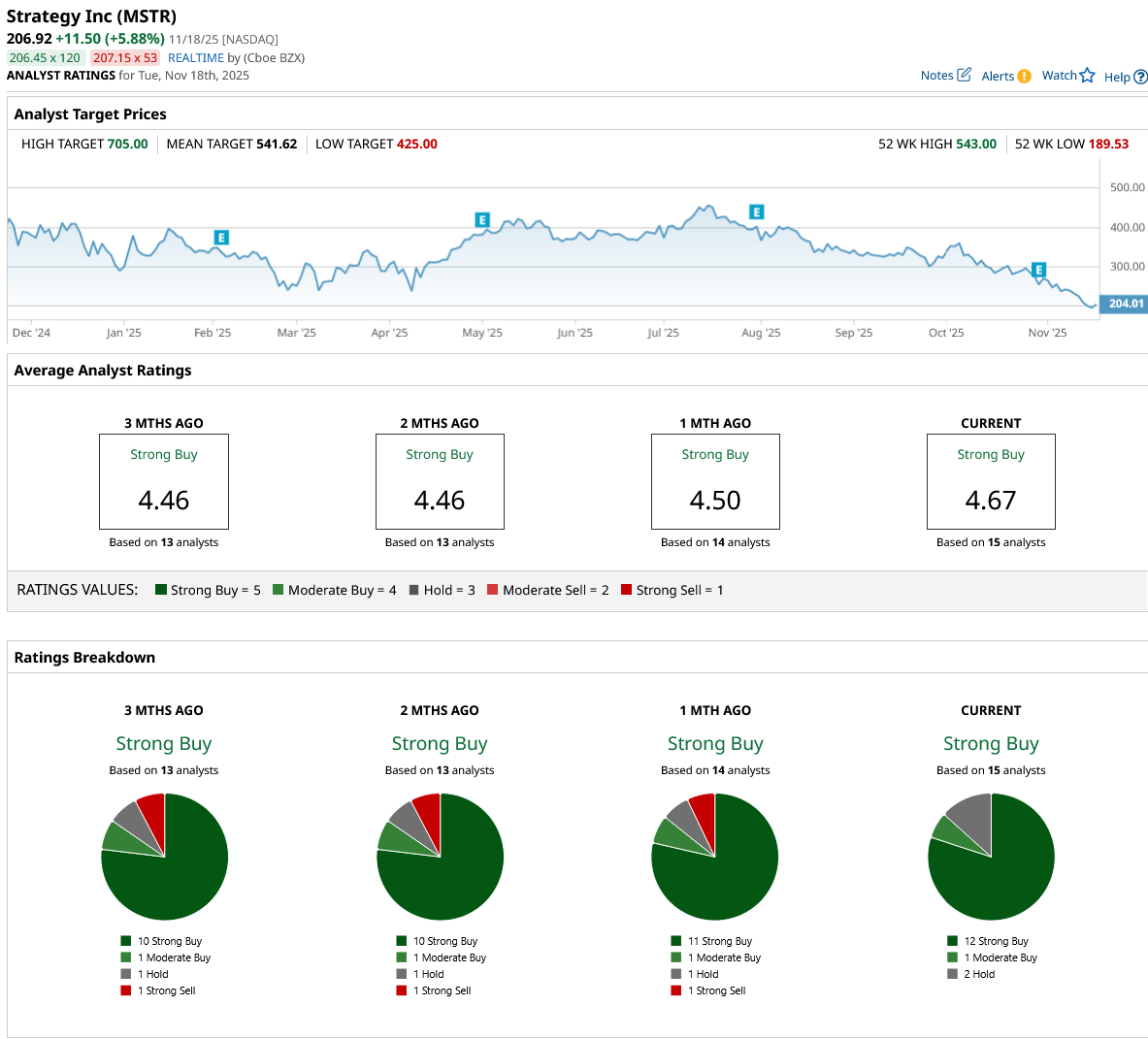
- Stay Informed on Bitcoin: The primary driver of MSTR’s stock price is Bitcoin. Keep a close eye on Bitcoin’s price movements, market sentiment, and any major news or regulatory developments in the crypto space.
- Track MicroStrategy’s Corporate News: Pay attention to MicroStrategy’s earnings reports, new debt offerings, Bitcoin acquisition announcements, and any changes in management or strategy. These can significantly impact the stock.
- Understand Macroeconomic Trends: Broader economic factors like inflation rates, interest rate decisions by central banks, and geopolitical events can influence both the stock market and cryptocurrency valuations, thereby affecting MSTR.
Tax Implications and Portfolio Strategy
Investing comes with tax responsibilities. Understanding these is crucial for optimizing your returns.
- Capital Gains Tax: If you sell your MSTR shares for a profit, you’ll likely owe capital gains tax. This is typically divided into short-term (assets held for one year or less) and long-term (assets held for more than one year) capital gains, with different tax rates applying to each.
- Record-Keeping: Maintain meticulous records of your purchase date, price, and sale date/price for all transactions. Your brokerage will provide annual tax forms (e.g., Form 1099-B), but personal records can be invaluable.
- Rebalancing Strategies: Depending on your overall portfolio and risk tolerance, you might consider rebalancing. If MSTR grows to an uncomfortably large percentage of your portfolio, you might trim some shares. Conversely, if its price falls significantly, you might consider dollar-cost averaging by buying more shares at a lower price, provided your investment thesis remains intact.
Long-Term Vision vs. Short-Term Speculation
Define your investment horizon from the outset.
- Long-Term Vision: If you believe in Michael Saylor’s long-term Bitcoin strategy and its potential as a store of value, you might adopt a “buy and hold” approach, weathering short-term volatility. This requires patience and conviction.
- Short-Term Speculation: While possible, actively trading a volatile stock like MSTR for short-term gains is highly risky and often leads to losses, especially for inexperienced investors. It requires significant market analysis, quick decision-making, and the ability to manage emotions.
Regardless of your chosen approach, avoid impulsive decisions driven by fear or greed. Stick to your research, investment plan, and predefined risk parameters.
Investing in MicroStrategy stock offers a unique pathway to gain exposure to the Bitcoin phenomenon within a traditional equity framework. However, this opportunity comes with inherent risks, primarily stemming from Bitcoin’s volatility and MicroStrategy’s leveraged position. By thoroughly understanding the company’s strategy, diligently preparing your investment, executing trades with precision, and actively managing your holdings, you can approach this investment with greater confidence. Always remember to conduct your own due diligence and consider consulting with a qualified financial advisor to ensure your investment decisions align with your personal financial situation and goals.
aViewFromTheCave is a participant in the Amazon Services LLC Associates Program, an affiliate advertising program designed to provide a means for sites to earn advertising fees by advertising and linking to Amazon.com. Amazon, the Amazon logo, AmazonSupply, and the AmazonSupply logo are trademarks of Amazon.com, Inc. or its affiliates. As an Amazon Associate we earn affiliate commissions from qualifying purchases.