
Investing in coins, whether for their intrinsic metal value, historical significance, or aesthetic appeal, represents a unique facet of wealth preservation and portfolio diversification. For centuries, physical coins have served as tangible assets, offering a hedge against economic uncertainties and a pathway to accumulate wealth outside traditional financial instruments. Understanding the nuances of this market is crucial for making informed decisions and securing your financial future.
Understanding Your “Coin” Investment: What Are You Buying?
The term “coins” in the context of buying and investing encompasses a broad spectrum, each with distinct characteristics and investment rationales. Primarily, we categorize them into two main types: bullion coins and numismatic coins. A clear distinction between these categories is fundamental to setting your investment strategy.
Bullion Coins: The Focus on Intrinsic Value
Bullion coins are primarily valued for their precious metal content. Typically struck from gold, silver, platinum, or palladium, these coins are produced by government mints and carry a nominal face value, which is significantly lower than their market value. Their price fluctuates directly with the spot price of the underlying metal on global commodity markets.
- Gold Bullion Coins: Popular choices include the American Gold Eagle, Canadian Gold Maple Leaf, South African Krugerrand, Austrian Philharmonic, and Australian Kangaroo. These are often purchased in denominations of 1 troy ounce, but smaller fractions are also available. Gold is traditionally seen as a safe-haven asset, offering protection against inflation and economic instability.
- Silver Bullion Coins: The American Silver Eagle, Canadian Silver Maple Leaf, and British Silver Britannia are widely recognized. Silver is more volatile than gold but offers greater upside potential due to its industrial demand and lower price point, making it accessible for smaller investments.
- Platinum and Palladium Bullion Coins: These are less common but also serve as industrial metals with investment potential. Their markets are generally smaller and less liquid than gold or silver.
When buying bullion, your primary objective is to acquire precious metals in a recognizable, fungible form, often exempt from sales tax in many jurisdictions. The premium over the spot price for bullion coins is typically lower than for numismatic items, reflecting their commodity nature.
Numismatic Coins: The Value of Rarity and History
Numismatic coins, also known as collectible or rare coins, derive their value not just from their metal content but predominantly from their rarity, historical significance, condition, mint mark, and demand among collectors. These coins can be made of various metals, including gold, silver, copper, or nickel alloys, and often command prices far exceeding their melt value.
- Key Factors for Numismatic Value:
- Rarity: How many were minted? How many survive?
- Condition/Grade: The state of preservation is paramount. Coins are professionally graded on a 70-point scale (Sheldon scale) by services like PCGS (Professional Coin Grading Service) and NGC (Numismatic Guaranty Corporation). A slight difference in grade can lead to substantial price differences.
- Historical Significance: Coins tied to specific historical events or periods can fetch higher prices.
- Demand: Popularity among collectors significantly influences price.
- Provenance: The history of ownership can add value, especially for famous pieces.
Investing in numismatic coins requires a deeper understanding of the market, extensive research, and often, expert guidance. The potential for appreciation can be significant, but so too are the risks if you lack knowledge or purchase non-authentic items.
Why Invest in Coins? The Financial Imperative
The decision to buy coins is often driven by a desire for financial diversification, wealth preservation, and in some cases, the enjoyment of a tangible asset with historical or artistic merit.
Diversification and Portfolio Resilience
Adding physical assets like gold, silver, or rare coins to an investment portfolio can provide crucial diversification. Precious metals, in particular, often move independently of stocks and bonds, acting as a hedge during periods of market volatility or economic downturns. This inverse correlation can help stabilize overall portfolio returns. Numismatic coins, while subject to collector demand, also represent a tangible asset that isn’t directly tied to corporate earnings or interest rates.
Inflation Hedge and Wealth Preservation
Throughout history, precious metals have served as a reliable store of value, particularly during inflationary periods when fiat currencies tend to lose purchasing power. As the cost of living rises, the intrinsic value of gold and silver typically holds firm or even appreciates, protecting your wealth from erosion. For numismatic coins, their inherent rarity and historical value can also preserve or enhance wealth over the long term, independent of currency fluctuations.
Tangible Asset with Global Liquidity
Unlike digital assets or paper investments, coins are physical, tangible assets that you can hold. This tangibility offers a sense of security and control. Furthermore, both bullion and widely recognized numismatic coins are globally liquid assets, meaning they can be bought and sold in markets around the world. This makes them highly portable and convertible to cash in various jurisdictions, offering flexibility to investors.
Privacy and Portability
For those concerned about financial privacy, physical coins offer a degree of anonymity that digital or bank-held assets do not. While large transactions may trigger reporting requirements, smaller private sales are generally less scrutinized. Their portability also allows for ease of transfer and storage outside traditional banking systems, which can be appealing in times of geopolitical uncertainty.
Navigating the Market: Where and How to Buy Safely
Acquiring coins requires careful consideration of authenticity, fair pricing, and reliable sourcing. The market is vast, with numerous avenues for purchase, each with its own advantages and risks.
Choosing Reputable Dealers and Platforms
The cornerstone of safe coin purchasing is dealing with established and reputable sources. Whether you’re buying bullion or numismatic items, the credibility of the seller is paramount.
- Online Bullion Dealers: For precious metal bullion, major online dealers such as JM Bullion, APMEX, SD Bullion, and Provident Metals are trusted sources. They offer competitive pricing, secure shipping, and a wide selection. Always verify their return policies, shipping insurance, and customer reviews.
- Local Coin Shops (LCS): For both bullion and numismatic coins, a reputable local coin shop can be an excellent resource. They offer personalized service, the opportunity to inspect coins in person, and expert advice. Building a relationship with a trusted LCS owner can be invaluable, especially for numismatic pursuits.
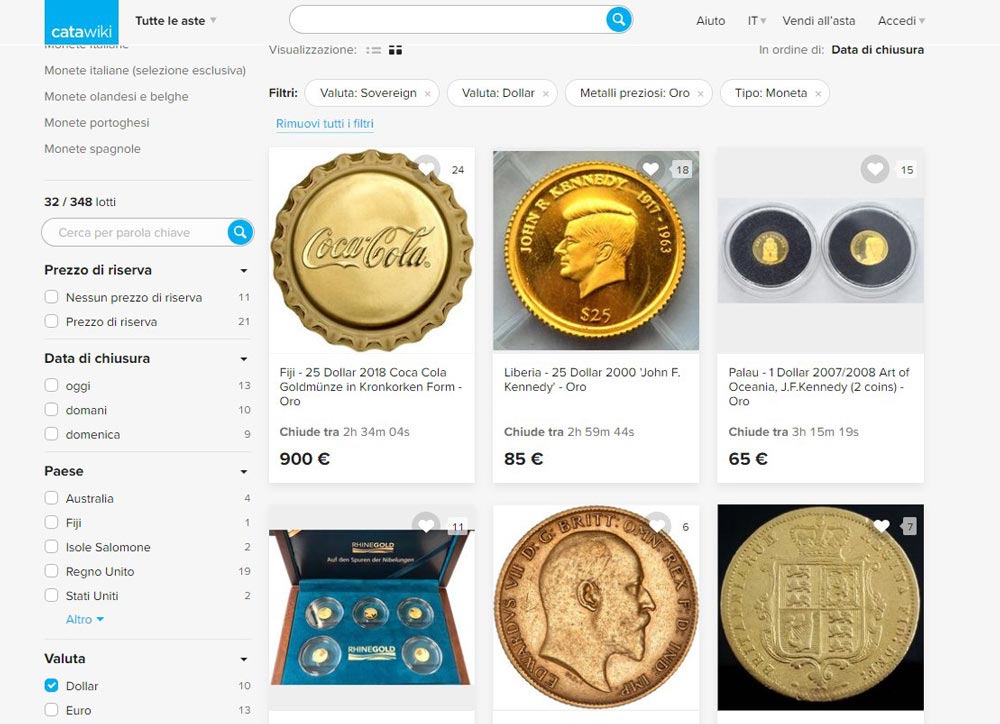
- Auction Houses: For rare and high-value numismatic coins, major auction houses like Heritage Auctions, Stacks Bowers Galleries, and Sotheby’s are reliable sources. They provide extensive cataloging, authentication, and often guarantee the authenticity of their lots.
- Coin Shows and Conventions: These events bring together numerous dealers and collectors, offering a vast array of coins to choose from. It’s an excellent opportunity to compare prices, network, and learn more about the market. However, exercise caution and stick to known dealers.
- Peer-to-Peer Marketplaces (e.g., eBay): While tempting for potentially lower prices, these platforms carry higher risks of counterfeits or misrepresentations. If using them, ensure the seller has an excellent reputation, offers clear photos, and accepts returns. Always verify authenticity upon receipt, possibly with a trusted third-party expert.
Authenticity and Grading Verification
Counterfeiting is a significant risk, particularly with high-value numismatic coins. Always prioritize authenticity verification.
- Professional Grading Services: For numismatic coins, insist on coins certified and encapsulated by PCGS or NGC. These third-party grading services ensure authenticity, assign a precise grade, and protect the coin’s condition. Never buy an expensive raw (ungraded) numismatic coin unless you are an expert or have had it verified by one.
- Weight and Dimensions: For bullion, knowing the exact weight, diameter, and thickness specifications for standard coins can help you perform basic checks. Using a precise scale and calipers can help detect obvious fakes.
- Magnet Test: Gold, silver, and platinum are not magnetic. If a coin sticks to a strong magnet, it’s likely a fake.
- Ping Test: Tapping a genuine precious metal coin will produce a distinct, resonant “ping” sound that differs from base metals. This requires practice and familiarity with authentic coins.
Understanding Premiums and Pricing
When buying coins, especially bullion, you will pay a “premium” over the current spot price of the metal. This premium covers the cost of minting, distribution, dealer markup, and sometimes collector demand.
- Bullion Premiums: Premiums on bullion coins are generally lower for common, high-volume issues and larger denominations. Compare prices from multiple reputable dealers to ensure you’re getting a fair deal.
- Numismatic Pricing: Numismatic coin pricing is more complex, influenced by grade, rarity, market demand, and historical sales data. Use resources like the PCGS Price Guide, NGC Price Guide, or various coin publications to research values. Be wary of prices that seem too good to be true.
Minimizing Risks and Maximizing Returns
Like any investment, buying coins comes with inherent risks. Understanding and mitigating these risks is crucial for maximizing your potential returns and protecting your investment.
Secure Storage and Insurance
Physical coins are susceptible to theft, loss, or damage. Secure storage is non-negotiable.
- Home Safes: For smaller collections, a high-quality, fire-resistant safe bolted to the floor can provide adequate security. Ensure it’s not easily discoverable or portable.
- Bank Safe Deposit Boxes: For larger or higher-value collections, a safe deposit box at a bank offers robust security against theft and fire. However, access is limited to bank hours.
- Third-Party Vault Services: Specialized secure storage facilities offer high-level security, climate control, and comprehensive insurance. These are often used by institutional investors or those with substantial holdings.
- Insurance: Most homeowner’s insurance policies have limited coverage for precious metals or collectibles. It is essential to obtain a separate “specie” or collector’s insurance policy to adequately protect your investment against theft, loss, or damage. Keep detailed records, including purchase receipts and photographs.
Liquidity and Exit Strategy
While physical coins are generally liquid, the ease and speed of selling can vary.
- Bullion Liquidity: Bullion coins are highly liquid and can be easily sold back to most dealers at or slightly below the current spot price.
- Numismatic Liquidity: Selling rare coins can take longer, especially for unique or very high-value pieces. The market for numismatic items is smaller and more specialized. You might need to use auction houses or specialized dealers, which can involve commission fees. Consider your potential exit strategy before making significant numismatic investments.
Market Volatility and Long-Term Outlook
The value of precious metals can be volatile, influenced by economic data, geopolitical events, and currency movements. Numismatic values can also fluctuate based on collector trends and market sentiment.
- Dollar-Cost Averaging: Consider buying coins incrementally over time (dollar-cost averaging) to mitigate the impact of short-term price fluctuations.
- Long-Term Horizon: Investing in coins is generally a long-term strategy. Don’t expect quick riches. Patience is key to seeing significant appreciation, especially for numismatic items whose value can grow considerably over decades.

Tax Implications
Be aware of the tax implications of buying and selling coins, which can vary significantly by jurisdiction.
- Capital Gains Tax: In many countries, profits from the sale of precious metals or collectibles held for investment are subject to capital gains tax. The specific rates and rules can differ based on the asset class and holding period.
- Sales Tax: Some states or countries levy sales tax on precious metal purchases, while others offer exemptions for certain forms or quantities of bullion.
- Reporting Requirements: Large transactions might trigger reporting requirements to tax authorities. Consult with a qualified tax advisor to understand your specific obligations.
By carefully planning your approach, understanding the nuances of the market, and taking precautions against common risks, buying coins can be a rewarding endeavor that contributes significantly to your overall financial well-being and investment strategy.
aViewFromTheCave is a participant in the Amazon Services LLC Associates Program, an affiliate advertising program designed to provide a means for sites to earn advertising fees by advertising and linking to Amazon.com. Amazon, the Amazon logo, AmazonSupply, and the AmazonSupply logo are trademarks of Amazon.com, Inc. or its affiliates. As an Amazon Associate we earn affiliate commissions from qualifying purchases.