
The stock market, often seen as a barometer of economic health, is a complex and dynamic ecosystem. Its fluctuations can induce feelings of excitement during bull runs and dread during downturns. Among the most feared events is a stock market crash – a sudden, significant, and often unexpected decline in stock prices across a broad market index. While seemingly catastrophic, understanding the potential consequences and historical context of such an event is crucial for investors, businesses, and individuals alike. It’s not just about losing money; a crash can send ripple effects throughout the entire global economy, reshaping financial landscapes and influencing daily lives. This article delves into the multi-faceted impact of a stock market crash, offering insights into its immediate aftermath, broader economic and social consequences, and strategies for navigating such turbulent times.

Understanding the Anatomy of a Market Crash
A stock market crash is more than just a bad day on Wall Street; it’s a dramatic repricing of assets that often signals deeper underlying economic issues or triggers new ones. Recognizing its characteristics and historical patterns is the first step toward preparing for its potential impact.
Defining a Stock Market Crash
There’s no universally agreed-upon precise definition for a “crash,” but it generally refers to a sudden and dramatic drop in stock prices over a short period. Unlike a “correction,” which is typically a decline of 10-20% from a peak, a crash often involves a fall of 20% or more within a few days or weeks, frequently accompanied by high volatility and investor panic. This rapid descent distinguishes it from a bear market, which is a prolonged period of declining prices, although a crash can often be the catalyst that ushers in a bear market. The severity and speed of the decline are key indicators, reflecting a widespread loss of confidence among market participants. This confidence erosion can be triggered by a single major event or a confluence of negative factors, leading to a cascade of selling orders as investors rush to liquidate their holdings.
Historical Precedents and Their Causes
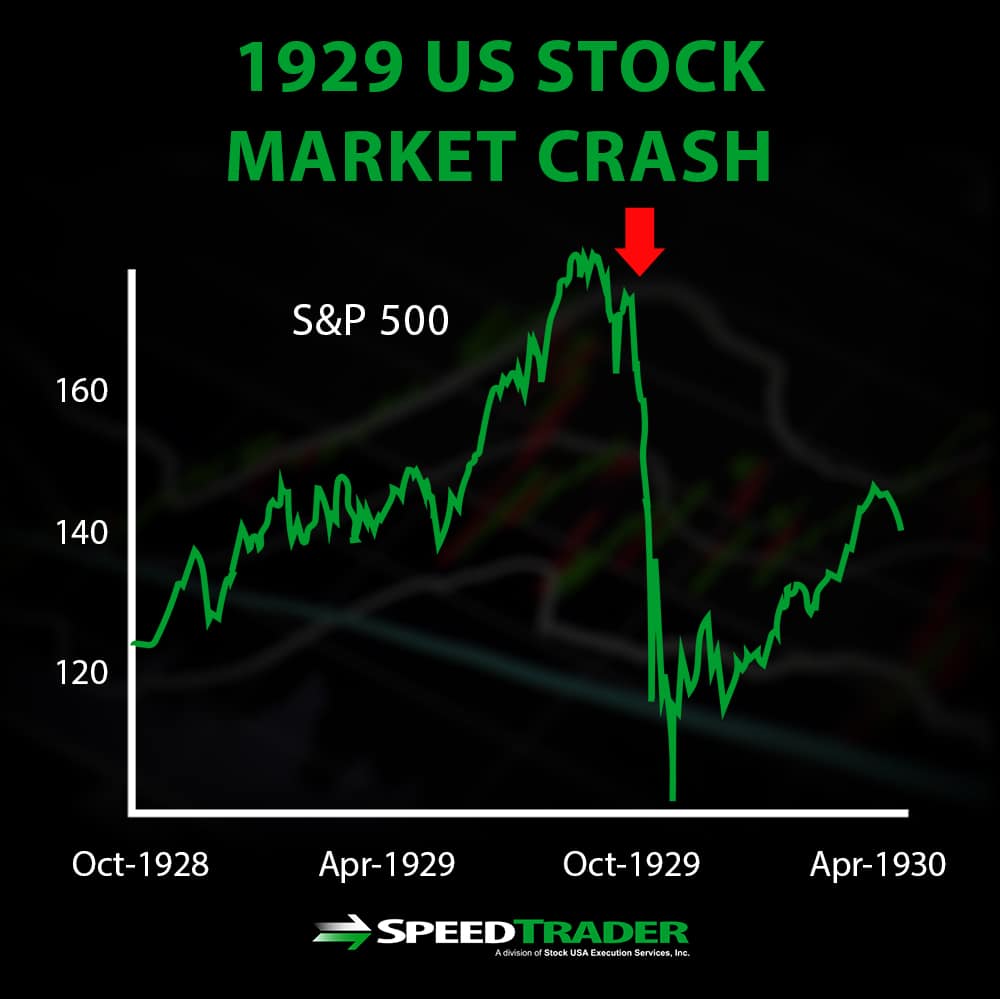
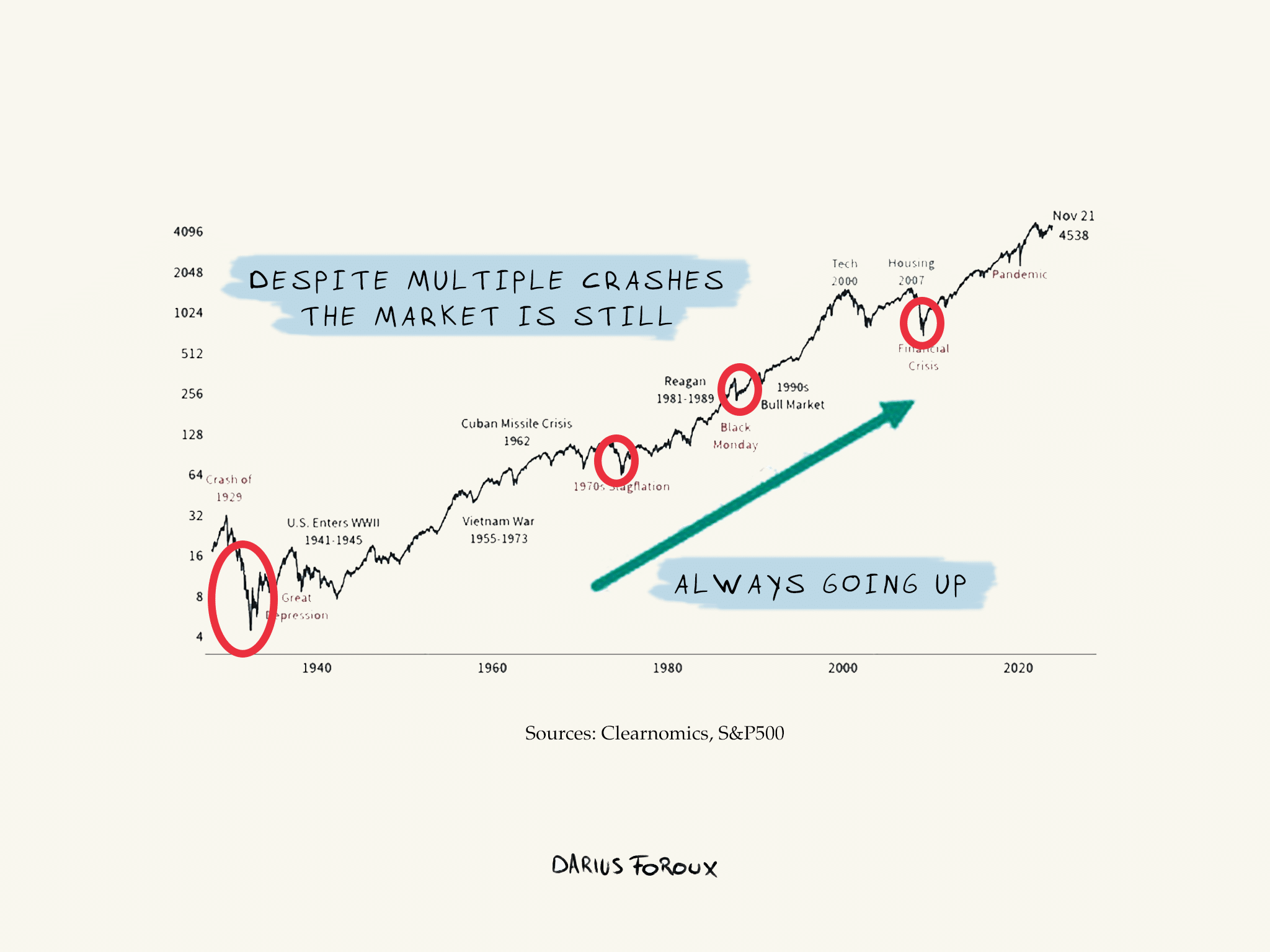
History is replete with examples of market crashes, each with its unique triggers and consequences, yet sharing common threads. The “Black Monday” crash of October 19, 1987, saw the Dow Jones Industrial Average plummet 22.6% in a single day, fueled by program trading and market exuberance. The bursting of the dot-com bubble in 2000-2002 followed years of speculative overvaluation in technology stocks. More recently, the 2008 Global Financial Crisis, stemming from subprime mortgage lending and complex financial instruments, led to a severe market downturn and a prolonged recession. The COVID-19 pandemic in early 2020 also caused a swift, albeit short-lived, market crash as global economic activity ground to a halt. These historical events demonstrate that crashes can stem from various sources: speculative bubbles, technological changes, geopolitical events, or systemic financial weaknesses. Understanding these precedents helps us recognize patterns and the diverse nature of catalysts that can precipitate such events.
The Triggers: Economic, Geopolitical, or Speculative Bubbles
What ultimately lights the fuse for a market crash can be diverse. Economic triggers often include signs of an impending recession, such as rising unemployment, declining corporate profits, tightening credit conditions, or inflation spiraling out of control, eroding purchasing power. A sudden shift in monetary policy, like aggressive interest rate hikes by central banks, can also slow economic activity and dampen investor enthusiasm. Geopolitical events present another potent threat; major conflicts, terrorist attacks, political instability in key regions, or even large-scale natural disasters can create uncertainty, disrupt supply chains, and undermine global trade, leading investors to flee risky assets. Finally, speculative bubbles are perhaps the most insidious cause. These occur when asset prices detach from their underlying fundamental value, driven by irrational exuberance, herd mentality, and cheap credit. When the bubble inevitably bursts, often triggered by a minor negative event, the ensuing panic selling leads to a rapid and painful correction, exemplified by the dot-com bust or the housing crisis preceding 2008.
Immediate Repercussions Across the Economy
When the stock market crashes, the immediate effects are felt far and wide, touching investors, businesses, and consumers with varying degrees of intensity. The speed and interconnectedness of modern financial systems mean these repercussions can propagate globally within hours.
Impact on Investors: Portfolio Values and Retirement Funds
For individual investors, the most direct and painful consequence is the erosion of their portfolio values. Retirement accounts, such as 401(k)s and IRAs, which are often heavily invested in stocks and mutual funds, can see significant declines. This immediate loss of wealth can delay retirement plans, reduce available capital for major life events like home purchases or college tuition, and create immense psychological stress. Those nearing retirement are particularly vulnerable, as they have less time to recover losses before needing to draw on their savings. Day traders and those engaged in speculative activities might face margin calls or even complete wipeouts of their capital. While long-term investors are often advised to ride out the storm, the emotional toll of seeing years of savings diminish overnight can be immense, leading to irrational selling decisions.
Business and Corporate Sector: Layoffs and Reduced Spending
Companies are deeply affected by a market crash, even those not publicly traded. Publicly listed companies see their market capitalization shrink, making it harder to raise capital through issuing new shares. Investor confidence plummets, often leading to reduced capital expenditures, hiring freezes, and even layoffs as businesses brace for a potential recession. Consumer spending, a major driver of economic growth, typically contracts sharply. Companies reliant on consumer discretionary spending, from retail to travel, are hit particularly hard. Small businesses, often operating with tighter margins and less access to credit, become especially vulnerable to reduced cash flow and heightened economic uncertainty, sometimes leading to closures. The ability of businesses to invest in innovation, expand operations, or hire new talent is severely hampered, creating a negative feedback loop that further exacerbates the economic downturn.
Consumer Confidence and Spending Habits
The psychological impact of a stock market crash on consumers is profound. The “wealth effect” – the idea that people feel wealthier and spend more when their assets increase in value – works in reverse. As investment portfolios shrink and job security becomes uncertain, consumer confidence takes a nosedive. People become more cautious, prioritizing saving over spending. Big-ticket purchases like cars and homes are postponed or canceled, and even everyday discretionary spending is reduced. This widespread contraction in consumer demand sends shockwaves through the economy, leading to lower sales for businesses, increased inventory, and ultimately, a slowdown in production. The fear of unemployment and financial instability becomes a self-fulfilling prophecy, contributing to a deeper and more prolonged economic slump.
Government and Central Bank Responses
In the face of a severe market crash and looming recession, governments and central banks typically step in with policy responses aimed at stabilizing financial markets and stimulating economic activity. Central banks, like the Federal Reserve in the U.S., might cut interest rates aggressively to encourage borrowing and investment, or implement quantitative easing programs to inject liquidity into the financial system. Governments might enact fiscal stimulus packages, including tax cuts, increased public spending on infrastructure, or direct payments to citizens, to boost demand. Regulatory bodies might also introduce temporary measures, such as circuit breakers to halt trading during extreme volatility, or impose short-selling bans to curb panic. While these interventions can soften the blow and prevent a complete collapse, their effectiveness and timing are crucial, and they often come with their own long-term economic trade-offs, such as increased national debt or inflationary pressures.
Broader Economic and Social Consequences
Beyond the immediate financial tremors, a stock market crash can trigger a cascade of broader economic and social ramifications, altering global dynamics and impacting the fabric of society.
Ripple Effects on Global Markets
In today’s interconnected global economy, a significant stock market crash in one major market, especially the U.S., rarely stays localized. Due to globalization, international trade, and capital flows, downturns in one region can quickly spill over into others. Foreign investors holding assets in the crashing market will suffer losses, potentially withdrawing capital from their own domestic markets. Multinational corporations with significant operations in affected areas will see their revenues and profits decline. Currency markets can experience extreme volatility as investors flee to safer assets, leading to capital flight from emerging markets. This interconnectedness means a localized financial crisis can rapidly morph into a global economic slowdown or even a recession, as evidenced by the Asian Financial Crisis of 1997 or the ripple effects of the 2008 U.S. housing crisis on European banks.
Credit Markets and Lending Tightening
A stock market crash often coincides with or precipitates a tightening of credit markets. Banks and other financial institutions, facing increased uncertainty, potential defaults, and reduced capital, become much more cautious about lending. Interest rates on loans, even those not directly controlled by central banks, can rise, and credit standards become stricter. This “credit crunch” makes it harder for businesses to secure loans for operations or expansion, and for individuals to obtain mortgages, car loans, or even personal credit. Small businesses, which rely heavily on accessible credit, are particularly vulnerable. The lack of readily available and affordable credit can stifle economic growth, delay recovery, and deepen the recession, as investment and consumption are severely constrained.
Psychological Impact and Societal Strain
The impact of a market crash extends beyond financial metrics to the psychological well-being of individuals and the broader societal fabric. Widespread job losses, foreclosures, and reduced retirement savings can lead to increased stress, anxiety, and depression. There can be a rise in social unrest, political polarization, and a general erosion of trust in financial institutions and government. The widening wealth gap, often exacerbated by such crises where the wealthy with liquid assets might recover faster or even find opportunities, can intensify social divisions. Entire communities can be devastated by the loss of local businesses and economic opportunities. This societal strain can manifest in various ways, from increased crime rates to changes in voting patterns, reflecting a profound sense of insecurity and disillusionment among the populace.
Opportunities for Long-Term Investors
While crashes are characterized by fear and panic, they also paradoxically present significant opportunities for resilient, long-term investors. During a crash, fundamentally sound companies can see their stock prices plummet far below their intrinsic value. For investors with cash on hand and a long-term perspective, these periods can be excellent opportunities to “buy the dip” and acquire high-quality assets at discounted prices. History shows that markets eventually recover, and those who invest during downturns are often handsomely rewarded when the recovery takes hold. This requires discipline, a strong understanding of investment principles, and the ability to stomach short-term volatility. It underscores the importance of not panicking and maintaining a diversified portfolio that can weather such storms.
Navigating a Downturn: Strategies for Financial Resilience
Preparing for and effectively navigating a stock market crash requires proactive planning and disciplined execution, whether you are an individual investor, a business owner, or a financial manager. Building financial resilience is key to weathering the storm and emerging stronger.
For Individual Investors: Diversification and Long-Term Vision
The cornerstone of investor resilience lies in diversification. Spreading investments across different asset classes (stocks, bonds, real estate, commodities), industries, geographies, and company sizes helps mitigate risk. When one segment of the market struggles, others might perform better or hold steady, cushioning the blow to your overall portfolio. Equally crucial is maintaining a long-term vision. Market crashes are often painful but temporary. Panicking and selling all holdings at the bottom crystallizes losses and prevents participation in the inevitable recovery. Instead, focus on your long-term financial goals, regularly review your asset allocation, and consider dollar-cost averaging (investing a fixed amount regularly, regardless of market fluctuations) to take advantage of lower prices during a downturn. Emotional discipline is as important as financial strategy.
For Businesses: Cost Control and Liquidity Management
Businesses must prioritize cost control and liquidity management to survive a severe economic downturn. This involves critically reviewing all expenses, identifying areas for reduction without compromising core operations or quality. Building and maintaining a robust cash reserve is paramount, as credit markets can tighten rapidly. Diversifying revenue streams and customer bases can reduce reliance on any single market segment that might be disproportionately affected. Scenario planning, stress-testing financial models for various downturn scenarios, and having contingency plans in place for reduced demand or supply chain disruptions are essential. Agile businesses that can quickly adapt their operations, product offerings, or marketing strategies to changing consumer behavior are better positioned to weather the storm.
The Role of Emergency Funds and Debt Management
For individuals, an often-overlooked but critical component of financial resilience is a robust emergency fund. This is a readily accessible savings account containing 3 to 6 months’ worth (or more) of living expenses. Such a fund provides a safety net during job loss, unexpected medical expenses, or other crises that often accompany an economic downturn, preventing the need to sell investments at a loss. Equally important is debt management. High-interest debt, especially credit card debt, can become an unbearable burden during a recession. Prioritizing the reduction or elimination of such debt before a crash provides greater financial flexibility and reduces recurring expenses, freeing up cash flow when it’s most needed.
Seeking Professional Financial Advice
Navigating the complexities and emotional stress of a market crash can be overwhelming. This is where professional financial advisors play a crucial role. A qualified advisor can help individuals and businesses assess their financial situation objectively, create a tailored financial plan that accounts for market volatility, and provide guidance on asset allocation, risk management, and tax-efficient strategies. They can also serve as a crucial emotional buffer, helping clients stick to their long-term plans and avoid impulsive decisions driven by fear. For businesses, consultants specializing in financial restructuring, operational efficiency, or market strategy can offer invaluable insights and support during challenging economic periods.
In conclusion, a stock market crash is a formidable event with far-reaching consequences that touch every facet of the economy and society. While it can be a source of immense financial pain and uncertainty, understanding its mechanisms, historical context, and potential impacts empowers individuals and businesses to prepare strategically. By prioritizing diversification, liquidity, debt management, and a long-term perspective, coupled with professional guidance, it is possible not only to survive a market crash but also to find opportunities amidst the turbulence, ultimately building stronger financial resilience for the future.
aViewFromTheCave is a participant in the Amazon Services LLC Associates Program, an affiliate advertising program designed to provide a means for sites to earn advertising fees by advertising and linking to Amazon.com. Amazon, the Amazon logo, AmazonSupply, and the AmazonSupply logo are trademarks of Amazon.com, Inc. or its affiliates. As an Amazon Associate we earn affiliate commissions from qualifying purchases.