
For both seasoned investors and curious newcomers, understanding the precise operational schedule of the stock market is fundamental. In the global financial landscape, New York stands as a pivotal hub, housing two of the world’s largest and most influential exchanges: the New York Stock Exchange (NYSE) and NASDAQ. The opening bell on Wall Street isn’t merely a ceremonial gesture; it signals the commencement of intense activity, price discovery, and opportunity for millions of investors worldwide.
While the core question – what time does the stock market open in New York? – has a straightforward answer, its implications extend far beyond a simple clock reading. This article will delve into the official trading hours, explore the crucial periods before and after the main session, discuss why these timings are vital for various investing strategies, and examine the broader economic and logistical factors that influence market activity around the clock. By grasping these dynamics, investors can better position themselves to navigate the complexities and capitalize on the opportunities presented by one of the most liquid and dynamic financial markets globally.

The Official Trading Hours of U.S. Stock Exchanges
The rhythm of the U.S. stock market is dictated by established trading hours, providing a structured environment for buying and selling securities. These hours are not arbitrary but have evolved to balance accessibility with the need for market stability and processing efficiency.
New York Stock Exchange (NYSE) and NASDAQ: Core Hours
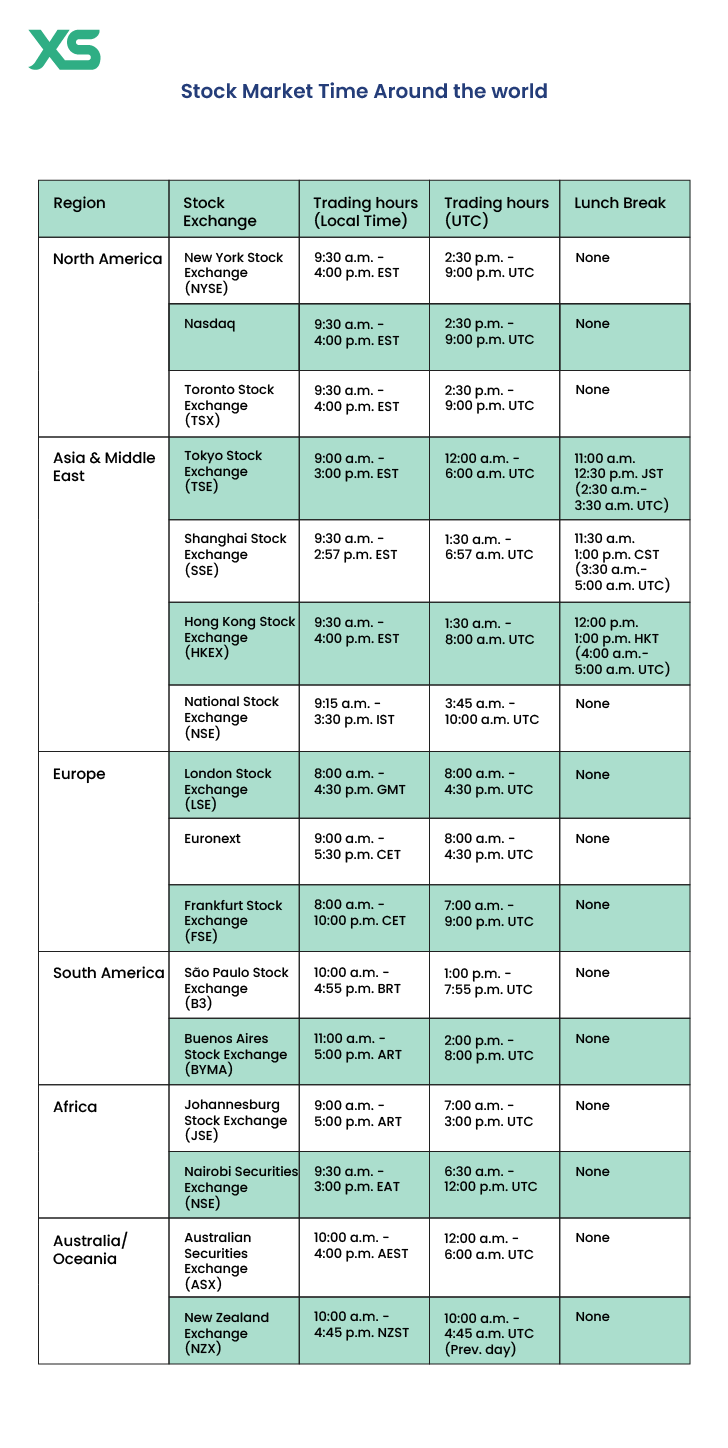
The two primary stock exchanges in the United States, the New York Stock Exchange (NYSE) and the NASDAQ Stock Market, operate on a synchronized schedule. Their standard trading hours are:
- Opening Time: 9:30 AM Eastern Time (ET)
- Closing Time: 4:00 PM Eastern Time (ET)
This 6.5-hour window, running Monday through Friday, constitutes the “regular trading session.” During these hours, the vast majority of trading volume occurs, characterized by high liquidity and tighter bid-ask spreads, making it the most predictable and accessible period for individual and institutional investors alike. The NYSE, known for its iconic physical trading floor and large-cap industrial companies, and NASDAQ, a fully electronic exchange favored by technology and growth companies, both adhere strictly to this schedule. Understanding this core period is the first step in aligning an investment strategy with market reality.
Pre-Market and After-Hours Trading
While the regular session defines the market’s pulse, trading activity doesn’t cease immediately at 4:00 PM ET, nor does it wait until 9:30 AM ET the next day. Pre-market and after-hours trading sessions allow investors to react to news and events outside of the standard window.
- Pre-Market Trading: Typically runs from 4:00 AM ET to 9:30 AM ET. This period often sees trading activity driven by overnight news, corporate earnings announcements released before the market open, and economic data.
- After-Hours Trading: Generally extends from 4:00 PM ET to 8:00 PM ET. Similar to pre-market, this session allows for reactions to late-breaking news, post-market earnings reports, and analyst upgrades/downgrades.
It’s crucial to understand that trading in these extended hours differs significantly from the regular session. These periods are characterized by lower liquidity, wider bid-ask spreads, and often higher volatility. Fewer participants mean that even small orders can have a disproportionate impact on prices. This environment presents both opportunities for agile traders to react quickly to news and amplified risks due to reduced depth in the order book. Only sophisticated investors with a clear understanding of these dynamics and adequate risk management strategies typically engage heavily in extended-hours trading.
Market Holidays and Early Closures
The U.S. stock market does not operate every weekday. It observes a series of federal holidays, during which the exchanges are completely closed. These include New Year’s Day, Martin Luther King, Jr. Day, Presidents’ Day, Good Friday, Memorial Day, Juneteenth, Independence Day, Labor Day, Thanksgiving Day, and Christmas Day. These closures provide periods of rest for market participants and allow for the processing of pending transactions without new trading activity.
Additionally, there are instances of early closures, particularly on days preceding or following major holidays, such as the day after Thanksgiving or Christmas Eve. On these days, the market might close at 1:00 PM ET, significantly shortening the trading window. Investors must be aware of these modified schedules, as they can impact trading strategies, settlement cycles, and the timing of financial news releases. Reputable brokerage platforms and financial news outlets typically publish detailed market holiday calendars well in advance.
Why Trading Hours Matter for Investors
Understanding the specific hours of operation for the stock market is more than just academic knowledge; it forms a critical component of successful investment strategy and risk management. Different phases of the trading day present unique characteristics that can be leveraged or mitigated by informed investors.
Impact on Volatility and Liquidity
The opening and closing bells often signify periods of heightened activity and potential volatility.
- Opening Bell: The initial minutes and hours after 9:30 AM ET frequently witness a surge in trading volume as investors react to overnight news, economic reports, and pre-market price movements. This can lead to rapid price swings and greater volatility.
- Closing Bell: Similarly, the final hour before 4:00 PM ET, often dubbed “the power hour,” sees increased activity as institutional investors rebalance portfolios, execute large block trades, and retail investors try to get in or out before the close.
Throughout the day, liquidity (the ease with which an asset can be bought or sold without affecting its price) fluctuates. It’s generally highest during the core hours and lowest during pre-market and after-hours sessions. Higher liquidity typically leads to tighter bid-ask spreads, making transactions more efficient and less costly. Conversely, lower liquidity, especially during extended hours, can result in wider spreads, making it more expensive to execute trades and potentially leading to larger price discrepancies.
Strategic Trading Opportunities
Different trading strategies are often tailored to specific market hours.
- Day Traders: These individuals thrive on intraday price movements, often entering and exiting positions within minutes or hours. They meticulously watch the open for initial volatility and use sophisticated charting and technical analysis tools to exploit short-term trends.
- Swing Traders: Holding positions for a few days to several weeks, swing traders might be less focused on the immediate opening frenzy but are keenly aware of how closing prices set the stage for the next day. They often look for opportunities to enter positions based on end-of-day momentum or after-hours news.
- Long-Term Investors: For those focused on fundamental value and holding assets for months or years, the precise opening and closing times might seem less critical. However, even long-term investors benefit from understanding liquidity for efficient entry and exit points, especially when deploying significant capital. They also need to be aware of how news releases, often timed around market hours, can impact their portfolio’s valuation.
Information Flow and News Catalysts
Financial markets are largely driven by information. Major economic data, corporate earnings reports, and significant news events are often strategically timed around market hours to maximize their impact or allow market participants time to digest the information.
- Pre-Market Releases: Many crucial economic indicators (e.g., CPI, jobless claims, GDP) are released before the 9:30 AM ET open, allowing traders to form initial reactions and influence the opening price. Corporate earnings reports for major companies are also frequently released before the open or after the close to prevent undue advantage or disruption during the regular session.
- Market Impact: The timing of news can directly affect stock prices, sector performance, and overall market sentiment. Savvy investors monitor economic calendars and corporate reporting schedules to anticipate these information flows and react accordingly.
International Investors and Time Zone Differences
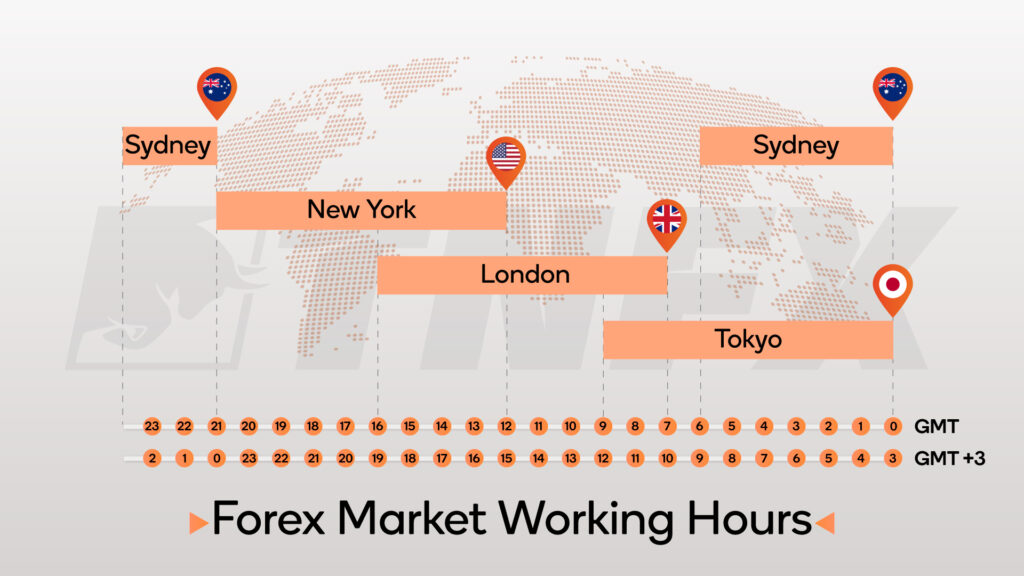
For investors outside the Eastern Time zone, the New York market’s operating hours pose unique challenges and require careful planning. An investor in London (GMT) must align with a 5-hour time difference, meaning the market opens at 2:30 PM GMT and closes at 9:00 PM GMT. For investors in Asia or Australia, the time difference can mean trading primarily occurs overnight or in the early morning hours, local time. This necessitates leveraging technology, setting alerts, or relying on professional money managers to manage portfolios effectively during peak trading hours in New York. Understanding these time differences is crucial for participating in global financial markets and ensuring timely execution of trades.
Beyond the Opening Bell: Factors Influencing Market Activity
While the official trading hours define the operational window, numerous external factors exert profound influence on the market’s direction, volatility, and overall activity. These elements collectively shape investor sentiment and drive price discovery, often reacting instantaneously during market hours.
Economic Data Releases
Macroeconomic indicators are vital pulse checks for the economy and have an immediate impact on investor confidence and market movements. Data points such as:
- Inflation Reports (CPI, PPI): Provide insights into price stability and influence central bank policy.
- Employment Data (Non-Farm Payrolls, Unemployment Rate): Reflect economic health and consumer spending capacity.
- Gross Domestic Product (GDP): The broadest measure of economic activity.
- Retail Sales: Indicates consumer demand and spending patterns.
- Manufacturing and Services PMIs: Gauge sector-specific growth or contraction.
These reports, often released at scheduled times (e.g., 8:30 AM ET for many key reports), can trigger significant market shifts as traders and algorithms digest the implications for corporate earnings, interest rates, and overall economic stability. A strong jobs report might boost market confidence, while unexpected inflation data could lead to a sell-off as investors anticipate tighter monetary policy.
Corporate Earnings and Announcements
The financial health and future prospects of individual companies are central to stock performance. Quarterly earnings reports, typically released before market open or after market close, are highly anticipated events. These reports include:
- Revenue and Profit Figures: Actual performance against analyst estimates.
- Earnings Guidance: Company projections for future earnings and revenue.
- Dividend Announcements: Changes to shareholder payouts.
- Mergers & Acquisitions (M&A): Announcements of corporate consolidation.
Positive earnings surprises or strong guidance can lead to significant stock rallies, while misses or cautious outlooks can trigger sharp declines. These announcements are critical catalysts that drive trading activity and can profoundly impact sector and broader market performance, particularly during the earnings season.
Geopolitical Events and Global News
The interconnectedness of the global economy means that events far beyond New York’s borders can send ripples through the U.S. stock market.
- International Conflicts or Tensions: Can create uncertainty, affecting oil prices, defense stocks, and overall market risk appetite.
- Trade Wars and Tariffs: Impact global supply chains, corporate profits, and economic growth forecasts.
- Major Elections or Policy Shifts in Other Nations: Can influence currency markets, commodity prices, and investor confidence in specific regions, ultimately affecting companies with international exposure.
- Natural Disasters or Pandemics: Can disrupt economies, supply chains, and consumer behavior on a global scale.
These events introduce systemic risk and can prompt investors to reassess their positions, leading to rapid market adjustments during trading hours.
Central Bank Policies (Federal Reserve)
Perhaps one of the most significant external influences on the U.S. stock market is the monetary policy set by the Federal Reserve.
- Interest Rate Decisions: The Fed’s decisions on the federal funds rate directly impact borrowing costs for businesses and consumers, affecting corporate profitability, investment, and economic growth. Higher rates can slow the economy and potentially depress stock valuations, while lower rates can stimulate growth.
- Quantitative Easing/Tightening: The Fed’s actions to buy or sell government bonds influence the money supply and long-term interest rates. These policies can inject liquidity into the financial system or withdraw it, profoundly impacting asset prices.
- Forward Guidance: Statements and speeches by Fed officials provide insights into future policy intentions, which markets closely scrutinize for clues about interest rate trajectories and economic outlook.
Changes in Fed policy or even hints of future changes can lead to immediate and substantial market reactions, as investors reprice assets based on new expectations for the cost of capital and economic growth.
Practical Considerations for Modern Investors
In today’s digitally driven financial world, understanding market open times extends beyond simply knowing when exchanges are active. Modern technology and evolving market structures offer new avenues and challenges for investors.
Brokerage Platform Accessibility
The advent of online brokerage platforms has democratized access to the stock market. Retail investors can now place trades, monitor portfolios, and access real-time market data from anywhere with an internet connection. Most platforms offer:
- Extended Hours Trading Capabilities: While specific hours may vary by broker, many allow clients to place orders during pre-market and after-hours sessions. It’s crucial for investors to understand how to specify “extended hours” orders and be aware of the associated risks, such as lower liquidity and higher volatility.
- Advanced Order Types: Features like limit orders, stop-loss orders, and conditional orders allow investors to define specific price points at which they want trades to execute, providing control even when they cannot actively monitor the market.
- Research Tools and News Feeds: Integrated tools provide timely access to economic calendars, corporate earnings announcements, and breaking news, helping investors make informed decisions.
This accessibility empowers investors but also places a greater responsibility on them to understand the tools and their implications.
Risk Management in Extended Hours
As previously highlighted, trading during pre-market and after-hours sessions carries elevated risks that demand careful consideration:
- Lower Liquidity: Fewer buyers and sellers mean that it can be harder to execute trades at desired prices, and large orders can significantly move the market.
- Wider Spreads: The difference between the bid (highest price a buyer is willing to pay) and ask (lowest price a seller is willing to accept) can be much larger, increasing transaction costs.
- Increased Volatility: News events can cause exaggerated price swings due to the thinner trading environment.
- Limited Information Access: Not all news sources are as active during extended hours, potentially leading to information asymmetry.
Investors considering extended-hours trading should use limit orders to control their execution price, understand their broker’s specific rules, and only commit capital they are prepared to lose given the heightened risks.
Importance of Due Diligence and Education
Regardless of the trading window, successful investing hinges on thorough due diligence and continuous education.
- Research Companies: Understand the fundamentals of the businesses you invest in – their financial health, competitive landscape, management team, and growth prospects.
- Understand Market Mechanics: Learn about order types, market indicators, technical analysis, and how economic data influences asset prices.
- Develop a Strategy: Define your investment goals, risk tolerance, and time horizon. Whether you’re a long-term investor or a short-term trader, a clear strategy helps guide decisions.
- Stay Informed: Regularly consume reputable financial news, analysis, and economic reports to stay abreast of market trends and potential catalysts.
Ignorance of market hours, specific stock dynamics, or broader economic trends can lead to poor decisions and financial losses.
Automated Trading and Algorithmic Strategies
The modern stock market is heavily influenced by technology, with automated trading systems and algorithmic strategies playing a significant role.
- High-Frequency Trading (HFT): These systems execute millions of trades in fractions of a second, often taking advantage of tiny price discrepancies. HFT firms are particularly active around the market open and close, contributing to the initial volatility and liquidity.
- Algorithmic Orders: Large institutional orders are often broken down and executed by algorithms over time to minimize market impact, especially during quieter periods or across different trading sessions.
While individual investors typically don’t engage in HFT, understanding its presence helps explain rapid price movements and the efficiency (or perceived inefficiency) of the market at different times. These technologies underscore the dynamic and increasingly sophisticated nature of financial markets, where speed and information processing are paramount.
Conclusion
The question “what time does the stock market open in New York?” serves as an entry point into a much deeper discussion about the intricate mechanics of financial markets. The official 9:30 AM ET opening and 4:00 PM ET closing of the NYSE and NASDAQ define the core trading day, but the modern financial landscape extends well beyond these hours through pre-market and after-hours sessions.
Understanding these operational windows is critical for investors across all strategies, influencing everything from trading opportunities and risk management to the impact of news and economic data. Beyond the clock, a myriad of factors – from corporate earnings and central bank policies to global geopolitical events – continuously shape market sentiment and activity.
For the contemporary investor, leveraging accessible technology while maintaining a disciplined approach to research, risk management, and continuous education is paramount. The stock market is a dynamic, ever-evolving entity, and a comprehensive understanding of its timings and underlying drivers is not just advantageous but essential for navigating its complexities and successfully pursuing financial goals.
aViewFromTheCave is a participant in the Amazon Services LLC Associates Program, an affiliate advertising program designed to provide a means for sites to earn advertising fees by advertising and linking to Amazon.com. Amazon, the Amazon logo, AmazonSupply, and the AmazonSupply logo are trademarks of Amazon.com, Inc. or its affiliates. As an Amazon Associate we earn affiliate commissions from qualifying purchases.