
The New York Stock Exchange (NYSE), often referred to as “The Big Board,” is one of the world’s most prominent financial marketplaces. For investors, traders, and anyone engaged in the financial world, understanding its operating hours is not merely a logistical detail but a critical component of successful financial planning, risk management, and strategic investment. The rhythm of the NYSE dictates the pace for a vast segment of global financial activity, influencing everything from individual stock prices to major economic indicators.
Understanding NYSE Trading Hours
The NYSE operates on a standard schedule designed to facilitate robust and liquid trading while allowing for necessary processing and market maintenance. However, the concept of “trading hours” extends beyond the conventional open and close, encompassing pre-market and after-hours sessions that offer additional opportunities and complexities for investors.
Standard Operating Schedule
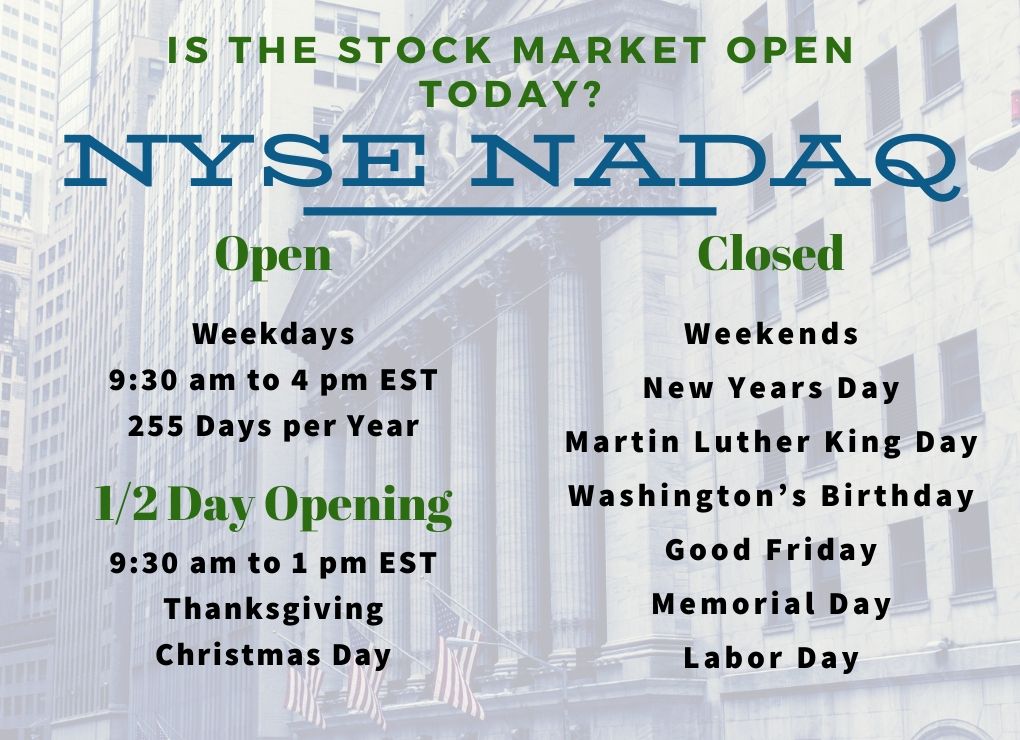
The core trading hours for the New York Stock Exchange are 9:30 AM Eastern Time (ET) to 4:00 PM ET, Monday through Friday. During these hours, the market operates at its highest liquidity, with the greatest volume of transactions and the narrowest bid-ask spreads for most securities. This period is when the majority of price discovery occurs, driven by real-time news, economic data releases, and corporate announcements. For most individual investors, particularly those engaged in long-term strategies, these are the hours when their orders are most likely to be executed efficiently at competitive prices.
Pre-Market Trading
Before the official 9:30 AM ET open, the NYSE facilitates pre-market trading, typically beginning as early as 6:30 AM ET and running up to the market open. This session allows institutional investors and some retail traders to react to overnight news, corporate earnings reports released before market open, or global market movements that occurred while the NYSE was closed. Trading volumes in the pre-market are significantly lower than during regular hours, and liquidity can be sparse for many stocks. This lower liquidity often translates into wider bid-ask spreads and potentially greater price volatility. While it offers an early opportunity to trade, it also carries increased risk due to these market conditions.
After-Hours Trading
Following the 4:00 PM ET close, the NYSE also supports after-hours trading, which generally extends until 8:00 PM ET. Similar to pre-market trading, this session allows participants to react to news released after market close, such as late-day earnings announcements or sudden geopolitical developments. Like pre-market, after-hours trading is characterized by lower liquidity and higher volatility. It’s often utilized by professional traders and institutions to adjust positions or capitalize on breaking news. Retail investors using after-hours trading should be acutely aware of the associated risks, including potential for larger price swings and difficulty in executing trades at desired prices due to reduced market depth.
Holiday Schedule and Early Closures
It’s crucial for investors to be aware that the NYSE observes several holidays throughout the year, during which the market remains closed. These typically include New Year’s Day, Martin Luther King, Jr. Day, Presidents’ Day, Good Friday, Memorial Day, Juneteenth, Independence Day, Labor Day, Thanksgiving Day, and Christmas Day. Additionally, the NYSE may have early closures on certain days, such as the day after Thanksgiving or Christmas Eve, with trading typically ending at 1:00 PM ET. These holiday schedules are announced well in advance and are vital for planning investment activities and avoiding unexpected delays in trade execution or settlement.
Why Trading Hours Matter for Investors
The specific timing of market operations has profound implications for various aspects of investing, from trade execution to portfolio management. Understanding these dynamics is essential for making informed financial decisions.
Volatility and Liquidity
Regular trading hours offer the highest liquidity, meaning there are plenty of buyers and sellers, which generally leads to tighter bid-ask spreads and smoother price movements. This environment minimizes the impact of individual large orders on a stock’s price, making it ideal for executing significant trades. Conversely, pre-market and after-hours sessions, with their lower liquidity, are prone to higher volatility. A relatively small number of trades can cause substantial price swings, making these periods riskier for casual investors or those sensitive to price stability. For day traders, this volatility can present opportunities, but for long-term investors, it often means increased risk of unfavorable execution prices.
Information Flow and Price Discovery
Market hours directly correlate with the flow of information and the process of price discovery. Major economic reports, corporate earnings, and significant news events are often strategically released either before the market opens or after it closes. This timing allows market participants a window to digest the information and formulate trading strategies before the next regular session begins. Pre-market and after-hours trading can therefore offer an initial reaction to this news, providing clues about potential market direction. However, the true consensus and full price discovery typically unfold during regular trading hours, when the broader market participates.
Strategic Implications for Investment Decisions
Different investment strategies are inherently linked to market hours. Day traders, for example, rely heavily on the volatility and rapid price movements that occur during regular hours, and sometimes leverage pre/after-market activity. Long-term investors, on the other hand, are generally less concerned with intraday price fluctuations and more focused on fundamental value. For them, executing trades during regular hours ensures optimal liquidity and typically better execution prices, reducing the impact of short-term volatility. Understanding these timings also helps in managing risk, as attempting to trade illiquid stocks during extended hours can lead to significant slippage or an inability to execute trades at all.
Strategies for Navigating Market Timings
Savvy investors and traders develop strategies that account for the nuances of NYSE trading hours, optimizing their approach based on their investment goals and risk tolerance.
Day Trading vs. Long-Term Investing
For day traders, who aim to profit from short-term price movements, being active during regular market hours is paramount. They thrive on the high liquidity and predictable volatility patterns often seen during the open and close of the market. They might also engage in pre-market and after-hours trading but typically with smaller position sizes due to increased risk. Their strategies often involve analyzing real-time news and technical indicators to make rapid buy and sell decisions within a single trading day.
Long-term investors, conversely, often place their orders during regular market hours but are less concerned with the precise minute of execution. Their focus is on the company’s fundamentals and long-term growth prospects, making intraday volatility less impactful. They might place “limit orders” which only execute at a specified price or better, providing a safeguard against unfavorable price swings, especially during less liquid periods.
Utilizing Pre-Market and After-Hours Sessions Wisely
While extended hours offer opportunities, they demand a cautious approach. Investors looking to trade based on news released outside regular hours should:
- Assess Liquidity: Always check the bid-ask spread and volume for the specific stock. Wide spreads and low volume are red flags indicating higher risk.
- Use Limit Orders: Instead of market orders, which execute immediately at the best available price (which could be unfavorable in illiquid markets), use limit orders to specify the maximum or minimum price you’re willing to accept.
- Understand News Impact: Differentiate between significant, market-moving news and minor announcements. Not all news warrants immediate action in extended hours.
- Consider Risk: Be prepared for potential drastic price reversals when regular trading resumes and broader market participation normalizes.

The Interplay with Global Markets
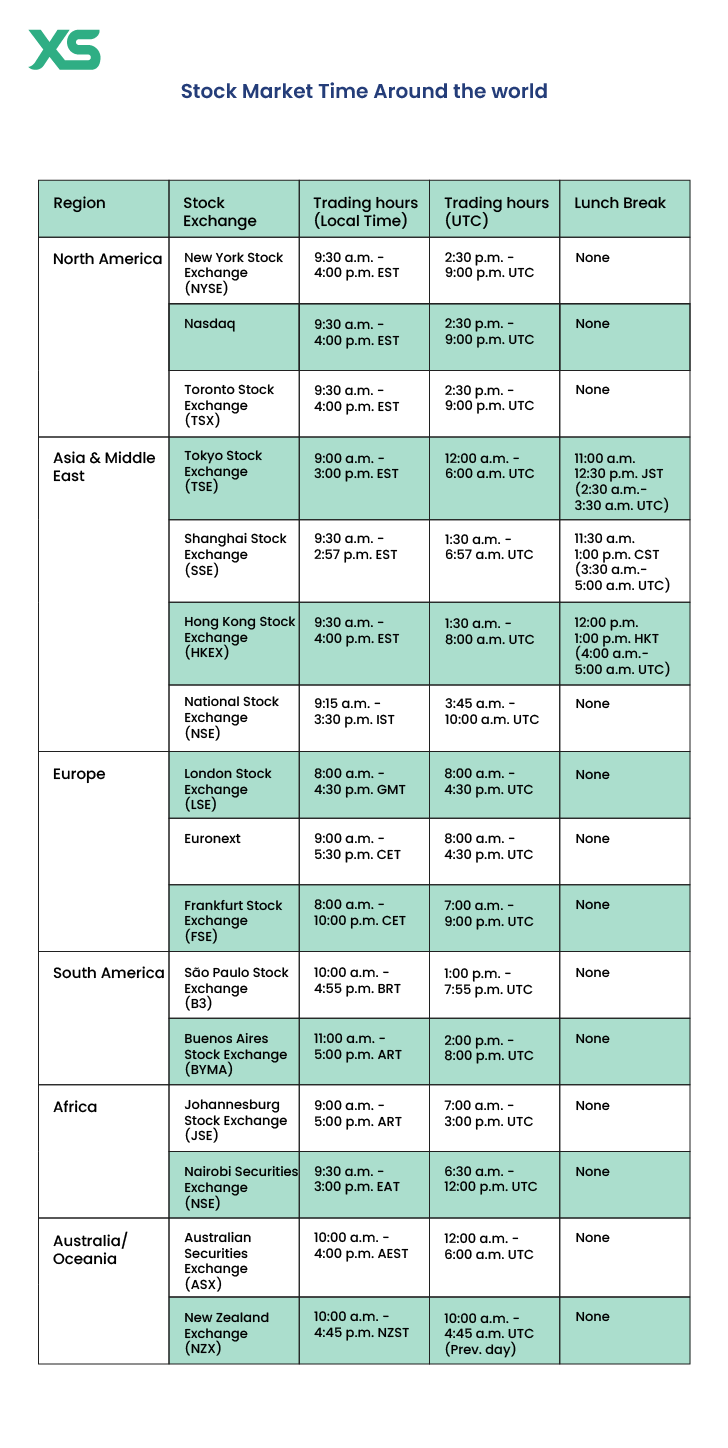
Even when the NYSE is closed, global financial markets continue to operate. Asian markets (like Tokyo and Shanghai) open first, followed by European markets (like London and Frankfurt), creating a continuous chain of trading activity around the clock. Significant events or economic data releases from these regions can influence investor sentiment and potentially impact how the NYSE opens the following day. For investors with global portfolios or an interest in international ETFs, understanding this interconnectedness means being aware that their investments are subtly being influenced even during NYSE off-hours. Staying informed about major global economic indicators and geopolitical developments can help anticipate NYSE movements.
Ultimately, mastering the timings of the NYSE is a fundamental skill for navigating the financial markets. It’s about more than just knowing when the doors open and close; it’s about understanding the financial implications of each trading period and aligning your investment strategy with the market’s pulse to protect capital and seize opportunities effectively.
aViewFromTheCave is a participant in the Amazon Services LLC Associates Program, an affiliate advertising program designed to provide a means for sites to earn advertising fees by advertising and linking to Amazon.com. Amazon, the Amazon logo, AmazonSupply, and the AmazonSupply logo are trademarks of Amazon.com, Inc. or its affiliates. As an Amazon Associate we earn affiliate commissions from qualifying purchases.