
Understanding the precise opening and closing times of global trading markets is far more than a trivial detail for investors; it’s a foundational element of sound financial strategy, risk management, and opportunity identification. The rhythm of these markets dictates everything from the timing of major economic announcements to the liquidity available for transactions and the optimal windows for executing specific trading strategies. For anyone engaging with stocks, bonds, commodities, forex, or cryptocurrencies, a firm grasp of market hours is indispensable for navigating the complex, interconnected world of global finance.
Understanding Market Hours: More Than Just a Clock
At its core, “market open” signifies the moment when buyers and sellers can begin to place and execute orders for financial instruments on a particular exchange. However, this seemingly simple concept belies a complex interplay of time zones, regulatory frameworks, and market-specific traditions. The opening bell often marks a period of heightened activity and volatility as overnight news is digested, pending orders are filled, and fresh capital enters the market.
Why do market hours matter so profoundly? Firstly, they dictate liquidity. During standard trading hours, the volume of participants is typically highest, leading to tighter bid-ask spreads and easier execution of trades at fair prices. Outside these hours, liquidity can thin significantly, increasing volatility and making it harder to enter or exit positions without incurring substantial costs. Secondly, market hours often align with the release of critical economic data, corporate earnings, and geopolitical news, all of which can trigger rapid price movements. An investor unaware of these timings risks being caught off guard or missing prime opportunities. Finally, in a globally interconnected financial system, the sequential opening and closing of exchanges across different time zones create a continuous, albeit segmented, flow of capital and information, influencing market sentiment worldwide.
Key Global Stock Market Opening Hours
Stock markets are perhaps the most recognized examples of scheduled trading. While specific times vary, a typical trading day often spans 6-8 hours, excluding pre-market and after-hours sessions.
North American Markets: NYSE and NASDAQ
The New York Stock Exchange (NYSE) and NASDAQ, two of the world’s largest stock exchanges, operate on Eastern Time (ET). Their standard trading hours are 9:30 AM to 4:00 PM ET, Monday through Friday. This six-and-a-half-hour window is often bracketed by:
- Pre-market trading: Typically 4:00 AM to 9:30 AM ET.
- After-hours trading: Typically 4:00 PM to 8:00 PM ET.
These extended hours, primarily facilitated by electronic communication networks (ECNs), allow institutional investors and increasingly, retail traders, to react to news released outside regular hours. However, liquidity is generally lower, and price swings can be more pronounced during these periods.
European Markets: London, Frankfurt, Euronext
Europe’s major exchanges follow their local time zones, creating an overlap with Asian and North American markets.
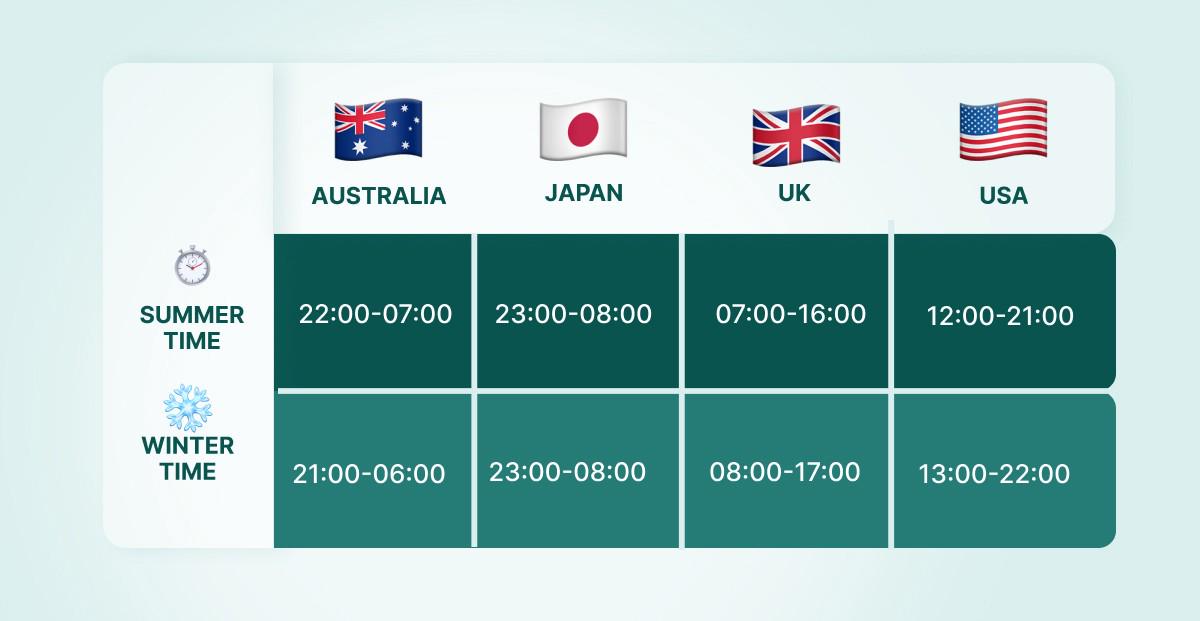
- London Stock Exchange (LSE): Operates from 8:00 AM to 4:30 PM GMT, making it a crucial bridge between Asian and American trading sessions.
- Euronext (Paris, Amsterdam, Brussels, Lisbon): Trading hours are typically 9:00 AM to 5:30 PM CET.
- Frankfurt Stock Exchange (XETRA): Operates from 9:00 AM to 5:30 PM CET, similar to Euronext.
These markets often see significant activity as European economic data is released and as traders react to the closing sentiments of Asian markets and anticipate the opening of North American markets.
Asia-Pacific Markets: Tokyo, Shanghai, Hong Kong, Sydney
Asian markets are the first to open the trading week and crucial for setting global sentiment.
- Tokyo Stock Exchange (TSE): Trades from 9:00 AM to 11:30 AM JST, and 12:30 PM to 3:00 PM JST, with a one-hour lunch break.
- Shanghai Stock Exchange (SSE) & Shenzhen Stock Exchange (SZSE): Similar to Tokyo, they operate from 9:30 AM to 11:30 AM CST, and 1:00 PM to 3:00 PM CST, also featuring a lunch break.
- Hong Kong Stock Exchange (HKEX): Trading hours are 9:30 AM to 12:00 PM HKT, and 1:00 PM to 4:00 PM HKT.
- Australian Securities Exchange (ASX): Operates from 10:00 AM to 4:00 PM AEST.
These markets often react to overnight news from North America and set the tone for the subsequent European and American sessions. The lunch breaks, common in some Asian markets, can temporarily reduce liquidity and create distinct trading patterns.
Beyond Stocks: Other Trading Market Schedules
While stocks garner much attention, other financial markets operate on different, often extended, schedules.
Forex (FX) Market
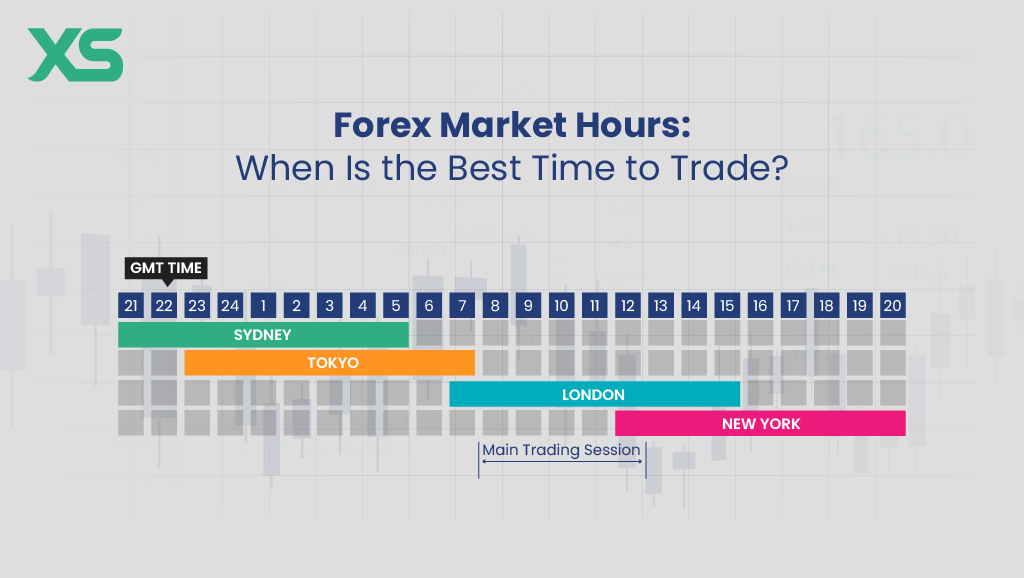
The foreign exchange market, where currencies are traded, is unique in its 24-hour, five-day-a-week operation. This continuous trading from Sunday evening ET to Friday afternoon ET is due to its decentralized nature and the sequential opening of major financial centers worldwide:
- Sydney/Wellington: Kicks off the week.
- Tokyo: Follows, often overlapping with Sydney.
- London: The largest forex hub, creating high liquidity.
- New York: The final major center, often overlapping significantly with London.
This “follow the sun” model means liquidity is almost always available, though it peaks during overlaps, especially the London-New York session.
Futures and Commodities Markets
Futures contracts for commodities (oil, gold, agricultural products) and financial instruments (indices, currencies) are traded on exchanges like the CME Group (Chicago Mercantile Exchange) and ICE (Intercontinental Exchange). Many of these have near 24-hour electronic trading, beginning Sunday evening and running through Friday afternoon. For example, crude oil futures on the NYMEX (part of CME) trade for most of the week, allowing continuous reaction to global supply and demand dynamics. While some older “pit trading” hours existed, electronic platforms have largely extended these markets into an almost continuous cycle.
Bond Markets
Bond markets often have distinct trading hours, which can be shorter than equity markets. In the U.S., the fixed income market typically operates from 8:00 AM to 5:00 PM ET, though this can be influenced by specific treasury auctions or central bank announcements. The over-the-counter (OTC) nature of many bond transactions also means liquidity can vary.

Cryptocurrency Markets
Perhaps the most significant departure from traditional schedules, cryptocurrency markets operate 24 hours a day, 7 days a week, 365 days a year. There is no “opening bell” for Bitcoin or Ethereum. This perpetual trading cycle means investors can react instantly to news at any time, but it also necessitates constant vigilance for active traders and presents unique challenges for price discovery and volatility management.
The Strategic Implications of Trading Hours for Investors
The timing of market openings and closings carries profound strategic implications for investors across all asset classes. Ignoring these rhythms can lead to suboptimal outcomes, while understanding them can unlock significant opportunities.
Volatility and Liquidity Dynamics
The opening bell of any market is often characterized by increased volatility and high liquidity. This is when pent-up orders from the overnight session are executed, and traders react to pre-market news. The closing bell also sees elevated activity as traders either close positions or adjust them ahead of the next session. Mid-day, particularly around lunch breaks in some markets, often sees a lull in activity, leading to reduced liquidity and potentially wider spreads. Savvy traders often focus their most active strategies during these high-liquidity, high-volatility windows.
Information Flow and Price Discovery
Major economic reports (e.g., inflation data, employment figures, GDP), central bank decisions, and corporate earnings announcements are almost always scheduled to coincide with specific market hours or the pre-market period. These releases can dramatically shift market sentiment and asset prices. Investors who are aware of these schedules can position themselves strategically or prepare to react swiftly, either by entering trades or adjusting existing portfolios. The staggered release of information globally means that an earnings report from a tech giant in the U.S. will first impact Asian markets in their morning, then European markets, and finally the U.S. market when it opens.
Time Zone Challenges and Opportunities
For international investors, navigating different time zones is a constant challenge. An investor in London tracking U.S. stocks will be active in the late afternoon and evening, while a U.S. investor monitoring Asian markets will be trading overnight. The concept of “following the sun” describes how institutional investors often have trading desks operating across different global centers to maintain continuous coverage of their portfolios. For retail investors, this often means choosing specific markets to focus on or utilizing platforms that offer extended-hours trading.
Pre-Market and After-Hours Trading: Risks and Rewards
Extended trading sessions offer flexibility but come with distinct risks. Lower trading volumes mean that price movements can be exaggerated on relatively small orders. Bid-ask spreads tend to be wider, increasing transaction costs. While these periods can offer opportunities to react quickly to breaking news before the broader market opens, they are generally recommended for experienced traders due to their inherent volatility and reduced liquidity. For long-term investors, the impact of these hours is often less critical than for day traders or swing traders.
Practical Considerations for Engaging with Market Openings
Integrating an understanding of market hours into your investment routine is crucial for success and managing risk effectively.
Setting Trading Strategies
Different investment strategies benefit from different market conditions.
- Day traders often thrive on the volatility and liquidity of the opening and closing hours, aiming to profit from short-term price movements.
- Swing traders might use overnight news and pre-market indicators to set positions for multi-day holds, but still need to be aware of the impact of market opens on their entries and exits.
- Long-term investors may be less concerned with hourly fluctuations but still benefit from understanding how market openings digest major news, influencing the long-term trend of their assets.
Risk Management
A robust risk management plan should account for market hours. Knowing when liquidity will be high or low, and when major news is expected, allows investors to adjust stop-loss orders, take-profit levels, or reduce position sizes to mitigate potential losses from unexpected price swings. Avoiding significant exposure during periods of extremely low liquidity, unless specifically intended, is a prudent practice.
Using Financial Tools
Modern financial platforms and brokers provide a wealth of tools to navigate market hours. Real-time data feeds, customizable alerts for market open/close, and access to pre-market and after-hours trading are standard features. Utilizing these tools effectively can give investors a distinct advantage in timing their actions.
Work-Life Balance and Mental Well-being
For active traders, the demanding schedules of global markets can take a toll. Constantly monitoring multiple time zones or reacting to 24/7 crypto markets can lead to burnout. Establishing clear trading routines, delegating monitoring tasks to automated alerts, and prioritizing mental well-being are essential for sustained engagement in the markets.
Impact of Holidays and Special Closures
It’s vital to remember that markets observe various public holidays and may have early closures on certain dates. These can significantly impact trading volume and liquidity. Always check the calendar of relevant exchanges for these special days to avoid unexpected disruptions to your trading plans.
The Future of Market Hours: Towards 24/7 Trading?
The rise of cryptocurrency markets, with their continuous 24/7 operation, has sparked debate about the future of traditional market hours. As technology advances and global interconnectedness deepens, the financial industry is slowly moving towards extended trading hours, blurring the lines between traditional market sessions. While a complete shift to 24/7 trading for all asset classes faces significant regulatory and operational hurdles, the trend towards greater accessibility and flexibility is clear. Understanding the current market timings, and anticipating future changes, will remain a cornerstone for any successful investor navigating the complex world of finance.
aViewFromTheCave is a participant in the Amazon Services LLC Associates Program, an affiliate advertising program designed to provide a means for sites to earn advertising fees by advertising and linking to Amazon.com. Amazon, the Amazon logo, AmazonSupply, and the AmazonSupply logo are trademarks of Amazon.com, Inc. or its affiliates. As an Amazon Associate we earn affiliate commissions from qualifying purchases.