
The world of finance is a ceaseless, global operation, yet the specific windows during which investors can buy and sell shares on major stock exchanges are far from constant. Understanding “stock market hours” is not merely a matter of knowing when an exchange opens and closes; it’s a fundamental aspect of successful investing, influencing everything from trading strategies and liquidity to risk management and international market dynamics. For both seasoned traders and novice investors, a deep dive into these operational schedules reveals critical insights into market behavior and opportunities.
At its core, stock market hours refer to the periods when stock exchanges are officially open for trading. These hours dictate when orders can be placed, executed, and settled, and they are typically standardized within each exchange’s jurisdiction. However, the seemingly straightforward concept becomes more complex when considering pre-market and after-hours trading, global time zones, market holidays, and the strategic implications for investors operating across different financial landscapes. This comprehensive guide will demystify stock market hours, providing a professional, insightful, and engaging look into their intricacies and importance in the modern financial ecosystem.
Understanding Standard Trading Hours
The cornerstone of understanding stock market operations lies in grasping the concept of standard trading hours. These are the fixed periods during which the vast majority of trading activity occurs, characterized by high liquidity and regulated oversight.
The Core Trading Window
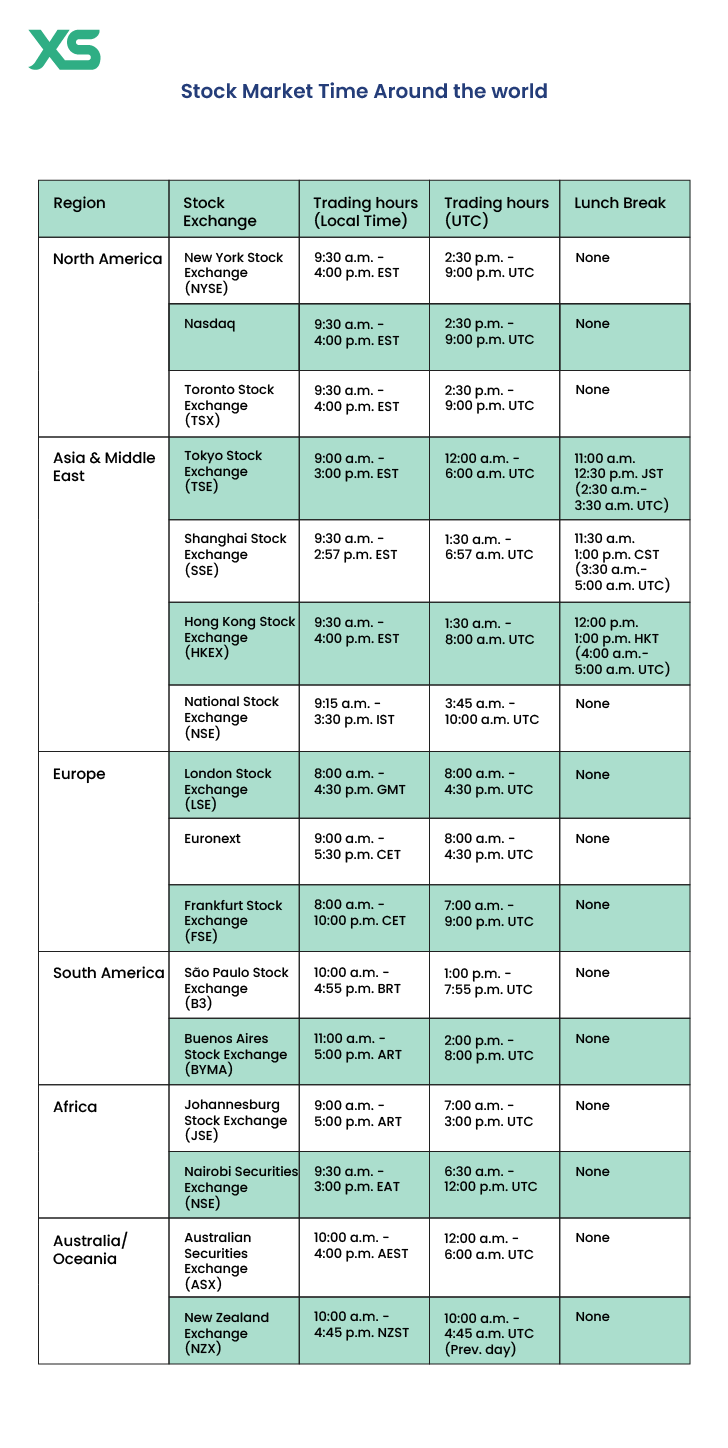
For most major stock exchanges around the world, the core trading window is a defined period, typically spanning six to seven hours on weekdays. In the United States, for instance, both the New York Stock Exchange (NYSE) and the NASDAQ operate from 9:30 AM to 4:00 PM Eastern Time (ET), Monday through Friday. This 6.5-hour window represents the primary period when traders and investors execute their buy and sell orders. During these hours, market participants have access to the most up-to-date pricing, deepest liquidity, and the most robust order matching systems. This concentration of activity often leads to the most efficient price discovery and the tightest bid-ask spreads, making it the preferred time for many to transact. The opening and closing bells of these exchanges are symbolic moments, often accompanied by heightened volatility as pending orders are executed and positions are adjusted in anticipation of the day’s or the next day’s market movements.
Pre-Market and After-Hours Trading
While the core trading window defines the standard day, the financial markets don’t simply shut down completely outside these hours. Instead, extended trading sessions, known as pre-market and after-hours trading, allow for transactions to occur before the market officially opens and after it closes. Pre-market trading typically begins as early as 4:00 AM ET for some brokers and extends up to the 9:30 AM ET open. After-hours trading, conversely, can run from 4:00 PM ET until 8:00 PM ET or even later, depending on the brokerage firm and electronic communication networks (ECNs) involved.
These extended sessions are facilitated primarily by ECNs, which match buyers and sellers electronically. Unlike the main trading session, pre-market and after-hours trading are characterized by significantly lower trading volumes and, consequently, reduced liquidity. This lower liquidity can lead to wider bid-ask spreads and increased price volatility, meaning that large orders can have a disproportionate impact on share prices. News announcements, such as quarterly earnings reports or major corporate events, often occur outside regular trading hours. This means that these extended sessions can be crucial for investors reacting quickly to new information, but they also carry elevated risks due to the aforementioned lower liquidity and potential for larger price swings.
Why These Extended Hours Matter
Understanding and utilizing pre-market and after-hours trading can be a double-edged sword for investors. For those with sophisticated trading strategies or a need to react immediately to breaking news, these sessions offer valuable flexibility. A company’s earnings report released at 4:30 PM ET might cause a significant price movement in after-hours trading, offering an early opportunity for those who predict its impact. Similarly, pre-market trading allows investors to position themselves ahead of the official opening bell, potentially capitalizing on overnight news or sentiment shifts.
However, the inherent characteristics of extended hours—lower volume, wider spreads, and increased volatility—demand caution. Retail investors, in particular, need to be aware that their orders might not be filled at their desired price or could experience significant slippage. The institutional players with their advanced trading algorithms often dominate these sessions, making it a challenging environment for less sophisticated participants. Therefore, while offering opportunities, pre-market and after-hours trading also necessitate a heightened awareness of risk and a clear understanding of one’s trading objectives and capabilities.
Global Markets: A 24/5 Landscape
While individual exchanges have specific operating hours, the global nature of financial markets means that somewhere in the world, a major stock exchange is almost always open for business on a typical weekday. This creates a continuous, albeit fragmented, trading environment that spans multiple time zones.
Major Global Exchanges and Their Hours
The world’s stock markets operate on a rolling basis, dictated by their respective geographic locations and local business days. Understanding these varied schedules is crucial for investors with international portfolios or those tracking global economic trends.
- North America: As mentioned, the NYSE and NASDAQ in New York operate from 9:30 AM to 4:00 PM ET. The Toronto Stock Exchange (TSX) in Canada follows a similar schedule, from 9:30 AM to 4:00 PM ET.
- Europe: The London Stock Exchange (LSE) is open from 8:00 AM to 4:30 PM GMT/BST. Euronext, which operates exchanges in Paris, Amsterdam, Brussels, Lisbon, and Dublin, generally runs from 9:00 AM to 5:30 PM CET/CEST. The Frankfurt Stock Exchange (XETRA) trades from 9:00 AM to 5:30 PM CET/CEST.
- Asia: The Tokyo Stock Exchange (TSE) has two sessions: 9:00 AM to 11:30 AM JST and 12:30 PM to 3:00 PM JST. The Shanghai Stock Exchange (SSE) and Shenzhen Stock Exchange (SZSE) operate from 9:30 AM to 11:30 AM CST and 1:00 PM to 3:00 PM CST. The Hong Kong Stock Exchange (HKEX) runs from 9:30 AM to 12:00 PM HKT and 1:00 PM to 4:00 PM HKT.
- Australia: The Australian Securities Exchange (ASX) trades from 10:00 AM to 4:00 PM AEST/AEDT.
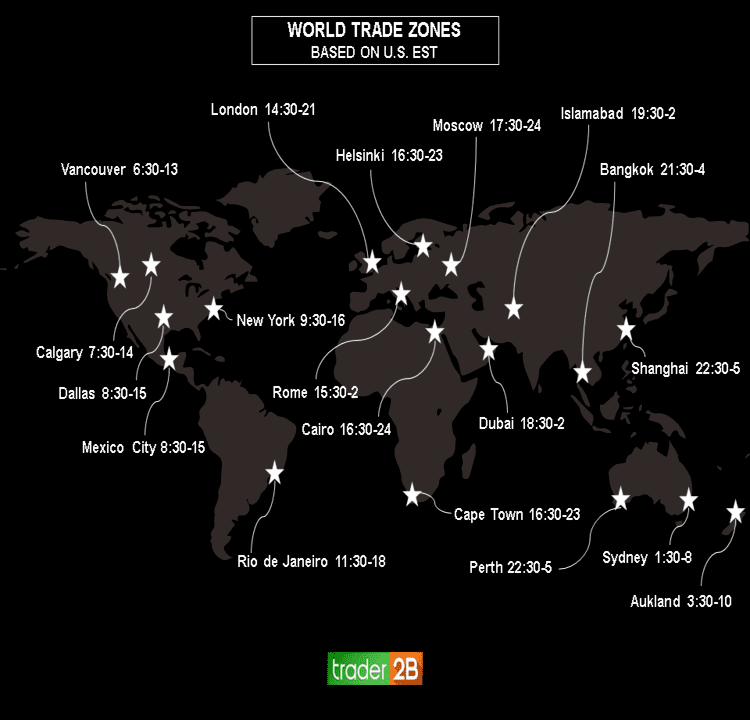
These examples illustrate the diversity of trading hours, each tailored to local business practices and time zones. The start of the week often begins with the opening of markets in Asia, followed by Europe, and then North America, creating a continuous flow of trading activity around the globe.
Time Zones and Market Overlap
The sequential opening and closing of global exchanges create fascinating periods of market overlap. For instance, as North American markets are preparing to open, European markets are often in their mid-day trading session, providing a window where major economies are simultaneously active. Similarly, when European markets close, Asian markets may already be well into their next trading day.
These overlaps are not merely coincidental; they are critical for international investors and global financial institutions. During overlap periods, liquidity can increase, and information from one market can quickly ripple across another. For example, a significant economic report from Europe released in its afternoon could immediately influence futures prices in the U.S. and set the tone for the U.S. market open, even before the NYSE officially rings its bell. Understanding these overlaps allows investors to anticipate market reactions and adjust their strategies accordingly, recognizing that events in one corner of the globe can have instantaneous repercussions elsewhere.
The Impact of International Trading on Domestic Markets
The interconnectedness of global markets means that what happens overseas rarely stays overseas. International trading has a profound impact on domestic markets, influencing everything from commodity prices to corporate earnings and investor sentiment. For example, a major economic downturn in China could lead to a slump in European markets, which could then pre-emptively drive down futures prices for U.S. stocks even before the U.S. market opens.
Similarly, geopolitical events or significant corporate news originating from one country can trigger a domino effect across other markets as investors react to perceived risks or opportunities. This global connectivity underscores why investors, even those focused solely on domestic equities, must remain cognizant of international market hours and developments. The “24/5” nature of global finance means that market-moving news can emerge at any time, requiring a dynamic understanding of how different time zones and trading schedules interlace to form the larger tapestry of the world economy. It also highlights the importance of staying informed through global news outlets and financial data providers that offer real-time insights across various markets.
Factors Influencing Trading Hours and Market Openings
While standard hours provide a baseline, various factors can alter or suspend regular trading schedules, demanding investors’ attention. These deviations are often critical for risk management and planning.
Market Holidays and Early Closures
Stock exchanges, like most businesses, observe public holidays, during which they remain closed. These market holidays are specific to each country and can include national observances like Christmas, New Year’s Day, or local bank holidays. In the U.S., for example, the NYSE and NASDAQ close for holidays such as Martin Luther King, Jr. Day, Presidents’ Day, Memorial Day, Juneteenth National Independence Day, Independence Day, Labor Day, Thanksgiving Day, and Christmas Day. It is essential for investors to be aware of these closures, as no trading can occur on these days.
Furthermore, exchanges sometimes announce early closures or half-days, typically in conjunction with major holidays. For instance, U.S. markets often close early on the day before or after certain holidays, such as the day after Thanksgiving (Black Friday) or Christmas Eve. These early closures shorten the trading day, which can impact liquidity and volatility during the truncated session. For investors, planning around these non-standard days is crucial to avoid missed opportunities or unexpected portfolio illiquidity. Brokerage firms typically publish calendars of market holidays and early closures well in advance, and investors should consult these resources regularly.
Exchange-Specific Rules and Regulations
Beyond general holidays, each stock exchange operates under its own specific set of rules and regulations that can influence trading hours and practices. These rules are designed to ensure fair and orderly markets, protect investors, and maintain systemic stability. For example, circuit breakers are a crucial regulatory mechanism. These temporary trading halts are triggered during periods of extreme market volatility, such as a sharp, sudden drop in broad market indices. The intent is to give investors time to process information and prevent panic selling, allowing for a more orderly market reopening. The duration and trigger points for circuit breakers vary by exchange and market index level.
Other exchange-specific rules might govern the types of orders that can be placed during extended hours, limits on price fluctuations for certain securities, or requirements for listing and delisting companies. For example, some exchanges might restrict certain complex derivatives trading to specific hours or only allow market-on-close orders to be submitted within a particular window. Staying abreast of these nuanced rules is particularly important for active traders and institutional participants whose strategies might be directly impacted by such regulatory frameworks. Retail investors generally benefit from their brokerage platforms handling many of these complexities, but a basic understanding enhances informed decision-making.
Daylight Saving Time Adjustments
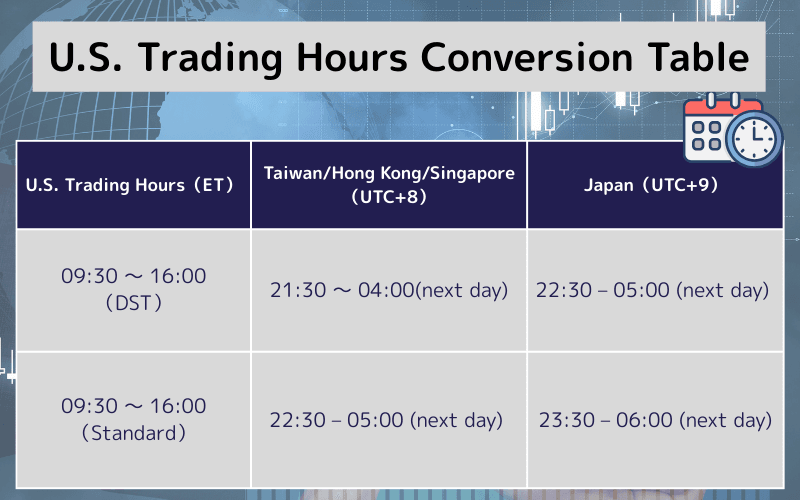
A subtle yet significant factor affecting stock market hours, particularly for international investors, is Daylight Saving Time (DST). Many countries observe DST, adjusting their clocks forward or backward by an hour at different times of the year. This can cause temporary shifts in the time difference between exchanges that observe DST and those that do not, or between exchanges that adjust their clocks on different dates.
For example, when the U.S. switches to or from DST, the time difference between New York and London will temporarily change for a few weeks until London also adjusts its clocks. This means that the exact overlap window between the NYSE and LSE, or other global exchanges, will shift by an hour. While seemingly minor, this adjustment can impact the timing of cross-market trading strategies, news releases, and liquidity flows. International investors and algorithmic trading systems must meticulously account for these DST changes to ensure their operations remain synchronized and efficient across different time zones. Failing to account for DST can lead to miscalculations regarding market openings, closings, and critical news windows, potentially resulting in missed opportunities or erroneous trade executions.
Strategic Implications of Trading Hours for Investors
The specific hours during which stock markets operate are not merely administrative details; they have profound strategic implications for investors, influencing everything from the effectiveness of certain trading styles to the perception of risk and opportunity.
Volatility and Liquidity During Different Periods
Market hours are not uniform in terms of activity. Different segments of the trading day exhibit distinct characteristics regarding volatility and liquidity, which can significantly impact an investor’s experience and outcomes.
- Market Open: The first hour of trading is often characterized by heightened volatility and substantial liquidity. This period sees the execution of orders accumulated overnight, reactions to pre-market news, and early position adjustments. Prices can move rapidly, presenting opportunities for quick gains but also carrying increased risk for those caught on the wrong side of a move. Day traders frequently target this window for its fast-paced action.
- Mid-Day: The middle hours of the trading day (e.g., late morning to early afternoon in New York) often experience a lull. Volume typically decreases, and volatility tends to subside. This period can be less conducive to rapid, high-frequency trading but might be preferred by investors looking for more stable price discovery or executing larger block trades with less immediate price impact. Liquidity remains generally good, but the “frenzy” of the open has typically dissipated.
- Market Close: The final hour of trading, especially the last 30 minutes, often sees a resurgence in activity, similar to the open. Traders and institutional investors aim to close out positions, rebalance portfolios, or place “market-on-close” orders, which are designed to be executed at the closing price. This rush can lead to increased volatility and liquidity, as participants make final adjustments before the market shutters for the day.
- Extended Hours (Pre-Market/After-Hours): As discussed, these sessions are notable for their lower liquidity and higher volatility. While they offer the advantage of reacting to news outside standard hours, they also carry greater risk due to wider bid-ask spreads and the potential for larger price swings on relatively low volume.
Understanding these patterns allows investors to tailor their activities to the periods that best suit their risk tolerance and trading objectives.
Tailoring Trading Strategies to Market Hours
Different investing strategies are more effective during specific market hours.
- Day Trading: Given its focus on short-term price movements and closing all positions before the market closes, day trading heavily relies on the volatility and liquidity present during the core trading window, particularly the opening and closing hours. Day traders often develop strategies specifically for these high-activity periods.
- Swing Trading: This strategy involves holding positions for a few days or weeks to capture short-to-medium term trends. While swing traders might enter or exit positions during core hours, they are less concerned with intra-day volatility. However, they must be aware of how overnight news, potentially reflected in pre-market or after-hours trading, could impact their positions at the next open.
- Long-Term Investing: For buy-and-hold investors, the specific time of day for buying or selling is generally less critical. Their focus is on fundamental analysis and long-term growth. They might place orders during the quieter mid-day session to potentially get better fills on larger positions or simply use market orders that execute at the prevailing price. For them, market holidays and closures are primarily logistical considerations rather than strategic ones.
- Algorithmic Trading: High-frequency trading firms and institutional investors utilize sophisticated algorithms that are programmed to execute trades across various market conditions and hours, exploiting micro-differences in prices and liquidity. Their systems are designed to operate continuously, navigating the nuances of pre-market, core, and after-hours sessions.
Matching one’s strategy to the characteristics of different trading periods is a hallmark of disciplined and effective investing.
Practical Considerations for Retail Investors
For individual retail investors, understanding stock market hours translates into several practical considerations:
- Order Placement: Being mindful of market hours is crucial when placing orders. A “market order” placed outside of regular hours might be held by the brokerage until the next market open, where it could be executed at a significantly different price than anticipated, especially if overnight news has shifted sentiment. “Limit orders,” which specify a maximum buy price or minimum sell price, offer more control, particularly during extended hours or volatile periods.
- News Consumption: Significant company news or economic data releases often occur outside of standard market hours. Retail investors need to decide whether to react during less liquid extended sessions or wait for the full market open. Reacting early can offer an advantage but comes with increased risk.
- Work-Life Balance: For many retail investors, their day jobs conflict with core market hours. This often pushes them towards monitoring and trading during extended hours or relying on limit orders and longer-term strategies. Understanding these constraints helps in setting realistic expectations and managing risk.
- Access to Information: While real-time data is abundant during core hours, it can be more fragmented or delayed during extended sessions, particularly for free services. Access to timely and accurate information is paramount, regardless of the trading window.
By acknowledging these practicalities, retail investors can make more informed decisions, manage their expectations, and navigate the stock market effectively within their own constraints and objectives.
Navigating Market Hours with Modern Tools and Resources
In today’s digital age, investors are equipped with an array of tools and resources designed to help them navigate the complexities of stock market hours, manage their portfolios, and stay informed. Leveraging these technologies is key to successful investing.
Brokerage Platforms and Real-time Data
Modern online brokerage platforms are the primary gateway for most retail investors to access the stock market. These platforms offer sophisticated interfaces that display real-time stock quotes, charts, and often provide access to pre-market and after-hours trading data. High-quality platforms will clearly indicate whether a market is open, closed, or in an extended session. Many also offer Level II data, which shows the depth of buy and sell orders at various price points, providing insight into market liquidity, especially during extended hours when liquidity can be sparse.
Furthermore, these platforms often integrate news feeds, analyst reports, and economic calendars, allowing investors to track market-moving events as they unfold. Access to real-time data is critical because market prices can fluctuate rapidly, and even a few minutes’ delay in information can lead to suboptimal trading decisions. Professional platforms often provide direct access to electronic communication networks (ECNs) that facilitate extended-hours trading, offering greater control and transparency over order execution.
Alerts and Notifications
Given the dynamic nature of global markets and extended trading hours, staying constantly glued to a screen is neither practical nor necessary. Most modern brokerage platforms and financial news applications offer customizable alerts and notifications. These can be set to notify an investor when:
- A specific stock reaches a certain price (price alerts).
- A significant volume threshold is met.
- A company releases earnings or breaking news.
- A market opens or closes.
These alerts are invaluable for investors who cannot constantly monitor the market during core hours or wish to react quickly to overnight or extended-hours developments. For instance, an investor might set a price alert for a stock that has reported strong after-hours earnings, allowing them to consider placing an order as soon as the main market opens, without having to actively track pre-market movements. This feature enhances convenience and ensures that critical information is not missed, enabling more timely and informed decision-making.
The Rise of 24/7 Crypto Markets
While this article focuses on traditional stock market hours, it’s worth noting the parallel evolution in the broader investment landscape, particularly with the emergence of 24/7 cryptocurrency markets. Unlike traditional stock exchanges that adhere to fixed operating hours, cryptocurrency exchanges operate around the clock, every day of the year. This continuous trading environment presents both opportunities and challenges.
For stock investors, the crypto market’s continuous nature serves as a stark contrast and, in some ways, a glimpse into a potential future for certain asset classes. It means that major news or market shifts can impact crypto assets at any hour, demanding constant vigilance from participants. While traditional stocks are unlikely to fully transition to 24/7 trading anytime soon due to regulatory frameworks, liquidity concerns, and human operational factors, the existence of always-on markets like crypto underscores the growing expectation among some investors for greater flexibility and accessibility in financial trading. Understanding this distinction reinforces the unique characteristics and operational constraints that define the traditional stock market’s hours and the strategic advantages and disadvantages they present.
Conclusion
Navigating the intricacies of stock market hours is an indispensable skill for any investor. From the bustling core trading windows of major exchanges like the NYSE and NASDAQ to the lower-liquidity environments of pre-market and after-hours trading, each period presents its own set of characteristics, opportunities, and risks. The global, 24/5 nature of financial markets further complicates this landscape, demanding an awareness of how different time zones and regional holidays influence overall market dynamics.
Strategic investors tailor their approaches to these varying hours, understanding that volatility and liquidity ebb and flow throughout the day and across the globe. Practical considerations, from order placement to staying abreast of critical news, become paramount. Fortunately, modern financial tools and brokerage platforms offer robust support, providing real-time data, customizable alerts, and access to extended trading sessions, empowering investors to make informed decisions regardless of their experience level or time constraints.
Ultimately, mastering the concept of “what are stock market hours” goes beyond memorizing opening and closing times. It’s about comprehending the rhythm of the financial world, appreciating the factors that shape market activity, and strategically aligning one’s investment approach with the operational realities of the global stock exchanges. This nuanced understanding is a critical asset in the pursuit of long-term financial success and effective portfolio management.
aViewFromTheCave is a participant in the Amazon Services LLC Associates Program, an affiliate advertising program designed to provide a means for sites to earn advertising fees by advertising and linking to Amazon.com. Amazon, the Amazon logo, AmazonSupply, and the AmazonSupply logo are trademarks of Amazon.com, Inc. or its affiliates. As an Amazon Associate we earn affiliate commissions from qualifying purchases.