
Understanding the operating hours of financial markets is fundamental for anyone involved in investing, from seasoned day traders to long-term passive investors. While the concept of a “stock market” often conjures images of bustling trading floors and digital screens, its accessibility isn’t boundless. The stock market operates within specific timeframes, which vary depending on the exchange and the type of trading session. Knowing these hours, including standard sessions, extended hours, and market holidays, is crucial for strategizing trades, managing risk, and interpreting market movements effectively.
The traditional image of the stock market, with its iconic opening and closing bells, largely refers to the standard trading sessions of the major U.S. exchanges like the New York Stock Exchange (NYSE) and NASDAQ. However, the advent of electronic trading platforms has significantly extended the window of opportunity for investors, introducing pre-market and after-hours trading sessions that push the boundaries of the conventional trading day. This comprehensive guide will dissect the intricate schedule of the stock market, offering insights into its various segments and their implications for investors navigating the dynamic world of finance.
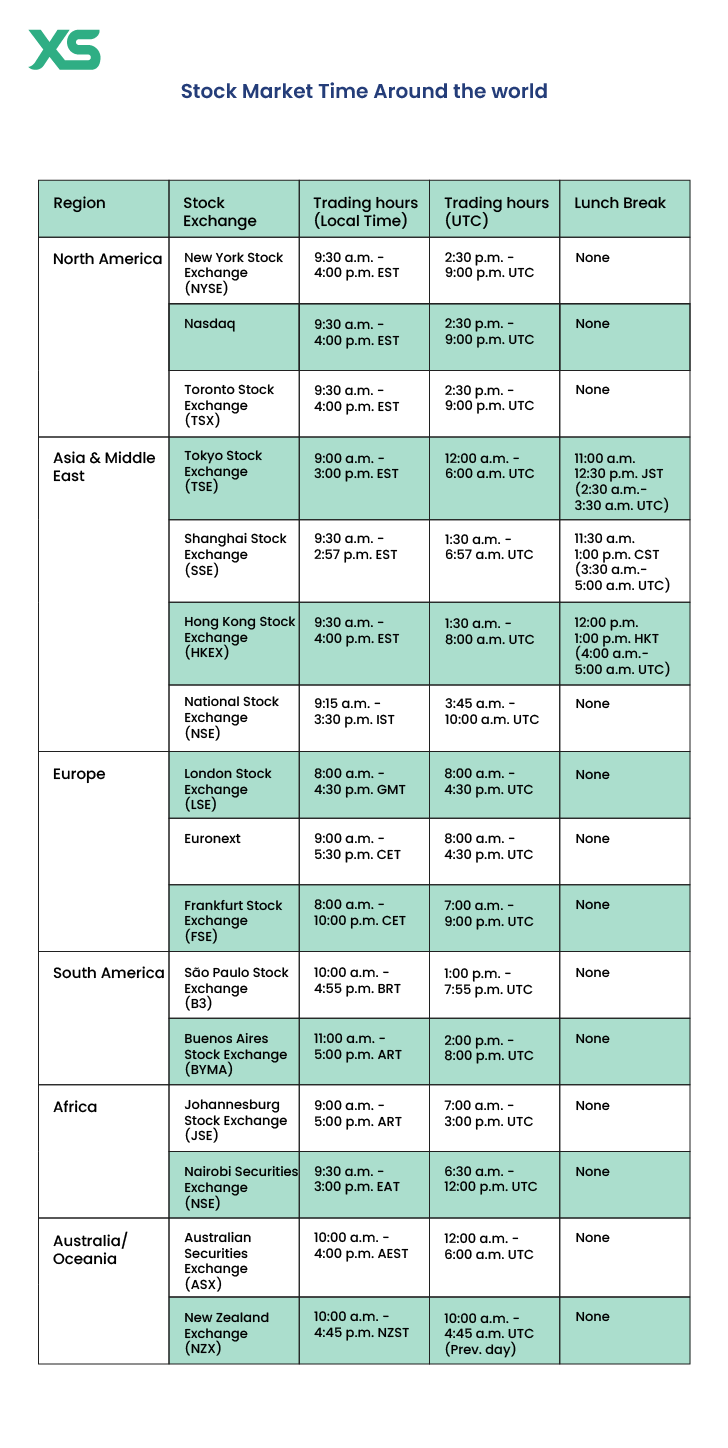
The Core Trading Day: Standard Stock Market Hours
The heart of stock market activity revolves around what are known as standard trading hours. These are the periods when liquidity is highest, trading volume is most robust, and the vast majority of transactions occur. For U.S. equity markets, these hours are meticulously defined and widely recognized.
New York Stock Exchange (NYSE) and NASDAQ
The two primary stock exchanges in the United States, the New York Stock Exchange (NYSE) and the NASDAQ Stock Market, adhere to the same standard trading schedule for equities. This schedule is as follows:
- Monday to Friday: 9:30 AM Eastern Time (ET) to 4:00 PM Eastern Time (ET).
This 6.5-hour window represents the official “trading day.” It’s during these hours that the iconic opening and closing bells ring, symbolizing the start and end of daily trading activity. The use of Eastern Time is standard across U.S. financial markets, making it imperative for investors in other time zones to adjust their schedules accordingly. For instance, an investor on the West Coast (Pacific Time) would see the market open at 6:30 AM PT and close at 1:00 PM PT.
The uniformity of hours across the NYSE and NASDAQ ensures consistency and efficiency in the broader U.S. equities market, allowing for synchronized price discovery and order matching across various listed companies. These hours are deeply rooted in historical practices, designed to facilitate human-driven trading and interaction, though today much of the trading is automated.
Understanding Market Open and Close Dynamics
The first and last hours of the standard trading day are often characterized by heightened activity and increased volatility, a phenomenon driven by several factors:
- The Opening Bell (9:30 AM ET): The market open is a flurry of activity. Traders react to news released overnight or during pre-market hours, pre-market orders are executed, and initial price discovery takes place. This period often sees larger price swings as buyers and sellers rush to establish positions or exit trades based on the latest information. Liquidity tends to be very high, but so does volatility, which can present both opportunities and risks for traders.
- The Closing Bell (4:00 PM ET): Similarly, the market close is a critical period. Institutional investors and funds often execute large orders to rebalance portfolios or meet end-of-day targets. Traders might liquidate positions to avoid overnight risk, or conversely, establish positions in anticipation of after-hours news. The “closing auction” mechanism helps determine the official closing price, where orders are matched at a single price to maximize volume. Like the open, the close can be highly volatile, with significant price movements occurring in the final minutes.
For long-term investors, while the hourly fluctuations might seem less relevant than the broader market trends, understanding these dynamics can still be beneficial. For active traders, however, these periods are often the most lucrative, demanding intense focus and swift decision-making to capitalize on rapid price movements.
Extending the Trading Window: Pre-Market and After-Hours Sessions
While 9:30 AM to 4:00 PM ET defines the standard trading day, the advent of electronic communication networks (ECNs) and advanced trading platforms has extended the market’s reach significantly. These “extended hours” trading sessions allow investors to react to news and trade outside the traditional window, though they come with their own set of characteristics and risks.
Pre-Market Trading
Pre-market trading refers to the period before the standard market opens. For U.S. equities, this typically runs from:
- Approximately 4:00 AM ET to 9:30 AM ET.
The exact start time can vary slightly depending on the brokerage or ECN being used, with some platforms offering access as early as 4:00 AM ET, while others might start later, such as 7:00 AM ET or 8:00 AM ET.
Participants in pre-market trading are often institutional investors, hedge funds, and professional traders who need to react immediately to news released overnight or before the market opens, such as earnings reports, analyst upgrades/downgrades, or major economic data. Retail investors can also participate through brokerage platforms that offer extended-hours trading.
Key characteristics of pre-market trading include:
- Lower Liquidity: Compared to standard hours, fewer participants are trading, leading to lower overall volume. This means it can be harder to buy or sell large blocks of shares without significantly impacting the price.
- Wider Spreads: The difference between the bid (highest price a buyer is willing to pay) and the ask (lowest price a seller is willing to accept) tends to be wider due to lower liquidity. This can result in less favorable execution prices for investors.
- Increased Volatility: While overall volume is lower, individual stock prices can experience greater percentage swings on relatively small trading volumes, especially in response to breaking news.
After-Hours Trading
After-hours trading occurs after the standard market close and typically runs from:
- 4:00 PM ET to approximately 8:00 PM ET.
Similar to pre-market, the specific end time can vary by brokerage platform. After-hours trading serves a similar purpose to pre-market: allowing investors to react to news that breaks after the market closes, such as quarterly earnings announcements or corporate press releases issued in the late afternoon or early evening.
The characteristics of after-hours trading largely mirror those of pre-market trading: lower liquidity, wider bid-ask spreads, and heightened volatility. This is particularly true for individual stocks that are the subject of breaking news, as investors scramble to process and react to new information.
Risks and Opportunities in Extended-Hours Trading

Extended-hours trading presents both unique opportunities and significant risks:
- Opportunities:
- Rapid Reaction to News: The primary advantage is the ability to act quickly on new information. If a company announces positive earnings after market close, investors can buy shares before the next day’s open, potentially securing a better price.
- Flexibility: It offers flexibility for investors whose schedules prevent them from trading during standard hours.
- Risks:
- Lack of Liquidity: This is the most significant risk. Low trading volume means it can be difficult to execute trades quickly and at desired prices, especially for larger orders. Orders may be partially filled or not filled at all.
- Price Volatility: Prices can fluctuate wildly on thin volume, leading to unexpected losses. A stock might gap up or down significantly between extended hours and the next standard open, potentially erasing gains or exacerbating losses.
- Wider Spreads: The larger bid-ask spread means investors might buy at a higher price or sell at a lower price than they would during standard hours.
- Competition: Institutional traders with faster systems and more resources can have an advantage, making it challenging for retail investors to compete effectively.
- Limited Order Types: Some brokers may restrict the types of orders allowed in extended hours (e.g., only limit orders, no market orders), to mitigate volatility risks.
Given these risks, investors should exercise caution and potentially use limit orders when participating in pre-market or after-hours sessions to control execution prices.
Key Considerations Beyond Standard Times: Holidays, Time Zones, and Market Closures
While the 6.5-hour standard trading day and its extended-hours appendages form the backbone of market accessibility, other factors critically influence when and how markets operate. These include scheduled holidays, the impact of global time zones, and the rare but significant events of unusual market closures.
Stock Market Holidays
The U.S. stock market does not operate every calendar day. It observes a number of national holidays, during which the exchanges are completely closed. These closures are typically announced well in advance, allowing investors and financial institutions to plan accordingly. Major U.S. stock market holidays include:
- New Year’s Day
- Martin Luther King, Jr. Day
- Presidents’ Day
- Good Friday (though not a federal holiday, observed by exchanges)
- Memorial Day
- Juneteenth National Independence Day
- Independence Day (July 4th)
- Labor Day
- Thanksgiving Day
- Christmas Day
In addition to full-day closures, there are sometimes half-day trading sessions, where the market may close early. A common example is the day after Thanksgiving (Black Friday), when the market might close at 1:00 PM ET, or the day before Independence Day if it falls on a weekday. It is crucial for investors to consult the official holiday schedule published by the NYSE and NASDAQ each year, as exact dates can shift slightly if a holiday falls on a weekend. These closures mean there is no trading activity whatsoever, including pre-market or after-hours.
Impact of Time Zones and Global Markets
The U.S. stock market’s adherence to Eastern Time (ET) means that investors in different geographical locations must adjust. For an investor in London, the market opens in the early afternoon, while for someone in Tokyo, it might be late evening or even early morning the next day. This necessitates careful planning for international investors who wish to participate directly in U.S. market hours.
Furthermore, the U.S. market does not exist in a vacuum. It is deeply interconnected with global markets, which operate on their own schedules. Major exchanges in Europe (e.g., London Stock Exchange, Euronext) and Asia (e.g., Tokyo Stock Exchange, Shanghai Stock Exchange) open and close at different times relative to ET. News and economic data from these regions can influence U.S. market sentiment and prices even before the NYSE or NASDAQ opens. For instance, a major market move in Asia overnight can set the tone for European markets, which then, in turn, influences U.S. futures trading and the eventual open of the U.S. cash market.
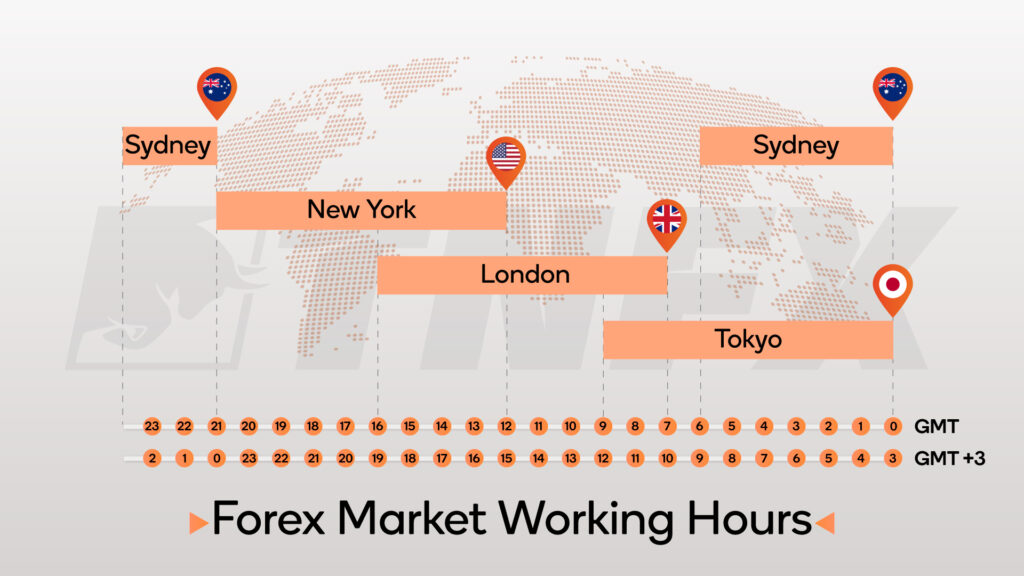
While most individual equities are tied to their primary listing exchange’s hours, some financial instruments, such as Forex (foreign exchange) markets and certain futures contracts, trade almost 24 hours a day, five days a week, allowing continuous global access and reaction to events irrespective of local stock market hours.
Unusual Market Closures and Circuit Breakers
While rare, there can be instances of unscheduled market closures or temporary halts in trading:
- Unusual Closures: These are typically due to extreme circumstances such as severe weather events (e.g., blizzards in New York), national emergencies, or catastrophic events. Such closures are highly infrequent and are usually announced by the exchange regulators or the government.
- Circuit Breakers: These are pre-defined rules designed to prevent panic selling and extreme volatility. If the S&P 500 Index declines by a certain percentage (e.g., 7%, 13%, 20%) within a single trading day, trading across U.S. equity markets is halted for a specified period (e.g., 15 minutes for the first two levels, rest of the day for the third level). These halts provide investors with time to assess the situation, digest news, and prevent uncontrolled downward spirals. Circuit breakers are a critical risk management mechanism for market stability.
Understanding these less common but significant disruptions is part of comprehensive market awareness, allowing investors to be prepared for all eventualities.
Strategic Implications of Trading Hours for Modern Investors
The various trading sessions—standard, pre-market, and after-hours—along with market closures, collectively shape the landscape in which investors operate. Recognizing the nuances of each period and strategically adapting to them is crucial for maximizing opportunities and mitigating risks in modern financial markets.
Tailoring Trading Strategies to Market Hours
Different types of investors and traders inherently gravitate towards certain market hours based on their strategies and risk tolerance:
- Day Traders: These individuals focus exclusively on standard market hours, aiming to profit from intraday price fluctuations. They thrive on the high liquidity and volatility characteristic of the 9:30 AM to 4:00 PM ET window, especially at the open and close. Extended hours are generally too illiquid and volatile for their high-frequency, short-term strategies unless they specialize in very specific, news-driven extended-hours plays.
- Swing Traders and Short-Term Investors: While primarily active during standard hours, swing traders, who hold positions for a few days or weeks, pay close attention to pre-market and after-hours activity. Major news released during these periods can significantly impact a stock’s price, potentially providing early signals for entry or exit points or necessitating adjustments to their existing positions.
- Long-Term Investors and Buy-and-Hold Strategists: For those with multi-year investment horizons, the precise hours of market operation are less critical for daily decision-making. Their focus is on fundamental analysis, company performance, and macroeconomic trends. However, even long-term investors should be aware of market holidays and significant extended-hours news that could materially affect the value of their holdings over time, prompting a re-evaluation of their investment thesis.
- International Investors: For investors outside North America, managing time zone differences is paramount. They might use advanced order types, automated systems, or professional advisors to execute trades during U.S. market hours without having to stay awake at inconvenient times.
Leveraging Technology and Automation
Modern financial technology plays a pivotal role in bridging the gap between traditional market hours and investor access. Online brokers have democratized participation in extended-hours trading, offering platforms that allow retail investors to place orders during pre-market and after-hours sessions.
- Advanced Order Types: Investors can use various order types to manage risk and execute trades strategically, especially outside standard hours. Limit orders, for instance, are essential during extended hours. They specify the maximum price an investor is willing to pay (for a buy) or the minimum price they are willing to accept (for a sell), protecting against unfavorable executions due to low liquidity or wide spreads. Stop-loss orders can be set to automatically sell a security if it drops to a certain price, mitigating potential losses, though their execution price can vary significantly in volatile, extended hours.
- Automated Trading Systems: Algorithmic trading and automated systems are not bound by human working hours. They can continuously monitor markets and execute trades based on pre-defined rules around the clock (for instruments that trade 24/7) or within the extended hours of equity markets. This technology allows for rapid reaction to news and the exploitation of minute market inefficiencies.
The Evolving Landscape of Market Access
The trend is towards increasing accessibility and potentially longer trading hours. The lines between traditional and extended hours are blurring as technology advances and global markets become ever more interconnected. Discussions occasionally arise about the possibility of extending standard trading hours or even moving towards 24/7 equity trading, mirroring markets like forex or cryptocurrencies. While major regulatory and logistical hurdles remain, the demand for greater flexibility from investors and the capabilities of modern electronic exchanges continue to push these boundaries.
For the average investor, understanding these dynamics means making informed decisions about when to trade, what order types to use, and how to interpret price movements across different sessions. It also emphasizes the importance of staying informed about market holidays and being prepared for the unique characteristics of extended-hours trading, enabling more robust financial planning and investment execution.
In conclusion, the stock market’s hours are more complex than a simple 9:30 AM to 4:00 PM window. From the standard trading day to the extended pre-market and after-hours sessions, each period carries its own opportunities and risks. Coupled with market holidays, global time zone influences, and technological advancements, a comprehensive understanding of these operational hours is an indispensable tool for every investor navigating the intricate world of financial markets.
aViewFromTheCave is a participant in the Amazon Services LLC Associates Program, an affiliate advertising program designed to provide a means for sites to earn advertising fees by advertising and linking to Amazon.com. Amazon, the Amazon logo, AmazonSupply, and the AmazonSupply logo are trademarks of Amazon.com, Inc. or its affiliates. As an Amazon Associate we earn affiliate commissions from qualifying purchases.