
Investing in the stock market can seem daunting to the uninitiated, conjuring images of frantic traders, complex algorithms, and rapid market shifts. However, at its core, stock investment is a straightforward concept: owning a piece of a company. Understanding how stocks work for investment is a foundational step for anyone looking to build wealth, achieve financial independence, or simply grow their savings beyond traditional bank accounts. This guide will demystify the world of stocks, breaking down the mechanics, strategies, and essential considerations for successful investing.
Understanding the Fundamentals of Stocks
Before diving into the intricacies of trading and analysis, it’s crucial to grasp what a stock truly represents and why companies issue them in the first place.
What is a Stock?
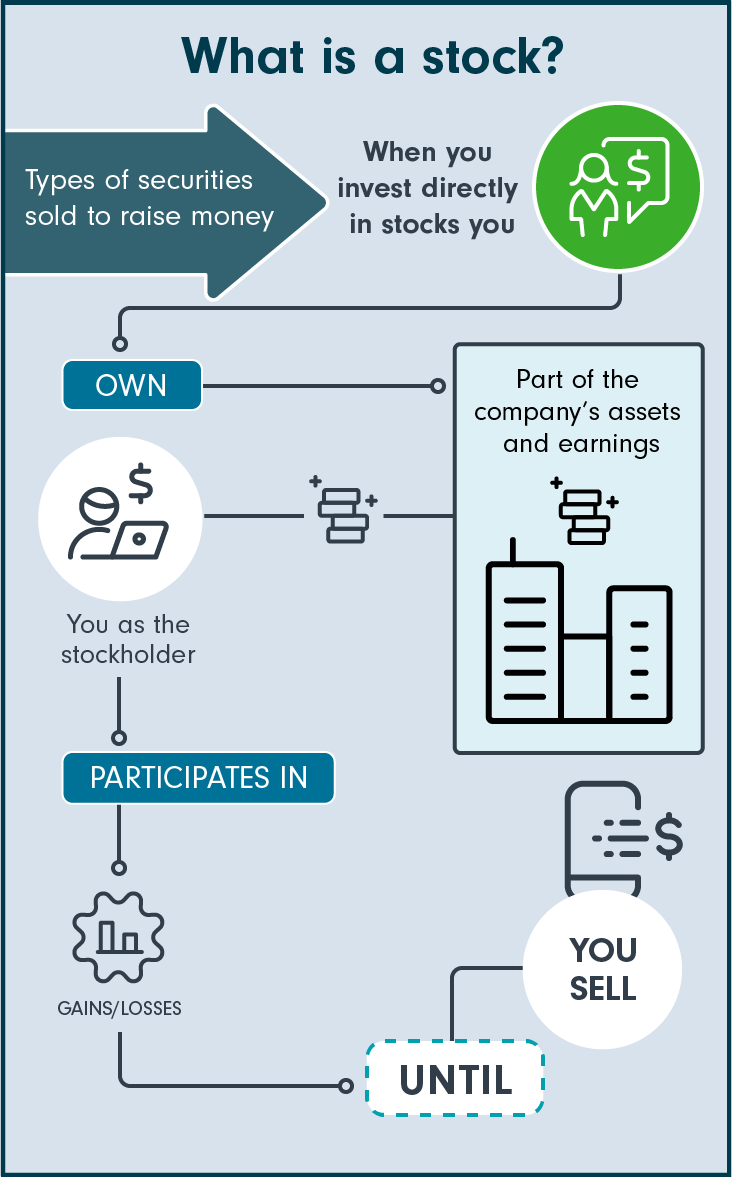
A stock, often referred to as a “share” or “equity,” represents a fractional ownership interest in a public company. When you buy a share of a company’s stock, you become a part-owner of that company. This ownership comes with certain rights, most notably the right to a portion of the company’s earnings (through dividends) and the right to vote on certain corporate matters, depending on the type of stock you own (common vs. preferred).
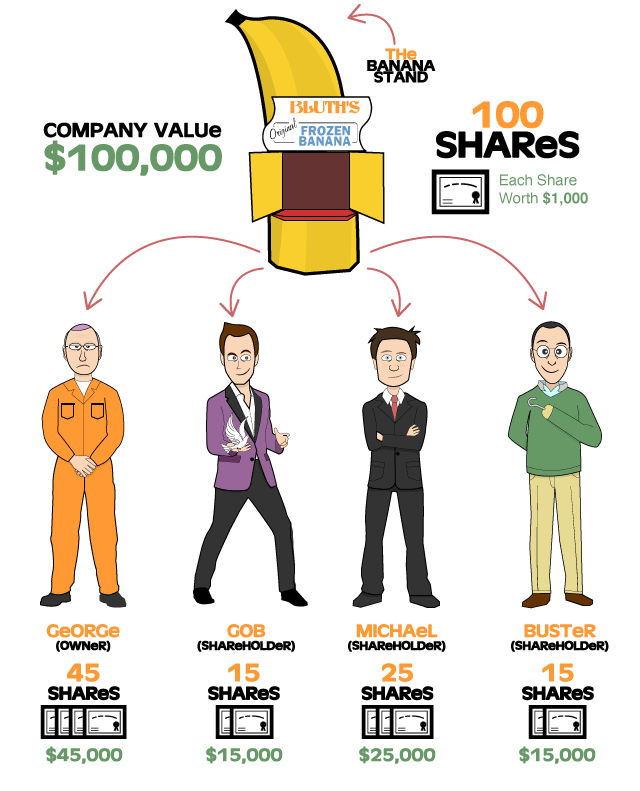
The total value of a company on the stock market is determined by its “market capitalization,” which is simply the current share price multiplied by the total number of outstanding shares. This figure fluctuates constantly as shares are bought and sold, reflecting investor sentiment, company performance, and broader economic conditions.
Why Do Companies Issue Stocks?
Companies primarily issue stocks as a means of raising capital to fund their operations, expand their business, develop new products, or repay debts. Instead of borrowing money from banks or private lenders, which often comes with interest payments and strict repayment schedules, companies can sell ownership stakes to the public.
This process is typically initiated through an Initial Public Offering (IPO), where a private company sells its shares to institutional investors and the general public for the first time. By going public, companies gain access to a vast pool of capital from individual and institutional investors, fueling growth and innovation. In return, investors get the opportunity to participate in the company’s future success.
The Stock Market: A Global Marketplace
The stock market is not a single physical location but rather a network of exchanges and brokers where stocks are bought and sold. Major stock exchanges like the New York Stock Exchange (NYSE), Nasdaq, London Stock Exchange (LSE), and Tokyo Stock Exchange (TSE) facilitate these transactions.
The market operates on two primary levels:
- Primary Market: This is where new stocks are issued directly by companies to investors, typically through IPOs.
- Secondary Market: This is where investors trade existing stocks among themselves. The vast majority of stock market activity occurs in the secondary market, where prices are determined by the forces of supply and demand. Your interaction with the stock market, when you buy or sell shares, is almost always within this secondary market.
The Mechanics of Investing in Stocks
Once you understand the basic concepts, the next step is to learn how to actually participate in stock investment.
Buying and Selling Stocks: The Process
To buy or sell stocks, you need a brokerage account. Brokerage firms act as intermediaries, executing your buy and sell orders on the stock exchange. These firms can be full-service (offering advice and management) or discount (providing a platform for self-directed trading).
When you place an order, you’ll typically specify:
- Stock Symbol: A unique ticker representing the company (e.g., AAPL for Apple Inc.).
- Number of Shares: How many shares you want to buy or sell.
- Order Type: Common types include:
- Market Order: Executes immediately at the best available current price.
- Limit Order: Specifies a maximum price you’re willing to pay (for buying) or a minimum price you’re willing to accept (for selling). This order will only execute if the stock reaches your specified price.
Once an order is placed and executed, the ownership of the shares is transferred, and the transaction is typically settled within two business days (T+2 settlement).
Share Prices and Valuation
Stock prices are a reflection of what investors are collectively willing to pay for a piece of a company. This price is influenced by numerous factors:
- Company Performance: Earnings, revenue growth, profitability, and future prospects.
- Industry Trends: Growth or decline in the sector the company operates in.
- Economic Conditions: Interest rates, inflation, unemployment, and GDP growth.
- Investor Sentiment: Market psychology, fear, and greed.
- Supply and Demand: The number of buyers versus sellers at any given price.
Understanding a company’s “intrinsic value” – its true worth based on its assets, earnings potential, and future cash flows – is a cornerstone of informed investing. While market price reflects current sentiment, intrinsic value provides a benchmark for long-term investors.
Key Metrics for Stock Analysis
To make informed investment decisions, investors often analyze a company using various financial metrics:
- P/E Ratio (Price-to-Earnings Ratio): Compares a company’s current share price to its per-share earnings. A high P/E might suggest investors expect high future growth, while a low P/E might indicate undervaluation or a lack of growth prospects.
- EPS (Earnings Per Share): The portion of a company’s profit allocated to each outstanding share of common stock. A higher EPS generally indicates greater profitability.
- Dividends: Payments made by a company to its shareholders from its profits. Not all companies pay dividends, but those that do can provide a steady income stream for investors.
- Balance Sheet and Income Statement: These financial statements provide a snapshot of a company’s assets, liabilities, equity, revenues, expenses, and profits over a period, crucial for assessing financial health.
Strategies for Stock Investment
There isn’t a single “right” way to invest in stocks. Different strategies suit different goals, risk tolerances, and time horizons.
Growth Investing vs. Value Investing
- Growth Investing: Focuses on companies expected to grow at an above-average rate compared to the market. These companies often reinvest most of their earnings back into the business, meaning they may not pay dividends. Growth stocks typically have high P/E ratios, reflecting investor optimism for future earnings. Examples include technology companies and emerging market leaders.
- Value Investing: Involves identifying companies whose stock prices appear to be trading below their intrinsic value. Value investors look for “bargains” – companies with solid fundamentals but temporarily out of favor with the market. They often seek companies with low P/E ratios, strong balance sheets, and consistent dividends.
Income Investing: The Role of Dividends
Income investing primarily focuses on generating regular income from investments, often through dividend-paying stocks. Companies that consistently pay and grow their dividends are often mature, stable businesses with predictable cash flows. Dividend reinvestment plans (DRIPs) allow investors to automatically use their dividend payouts to buy more shares of the same stock, leveraging the power of compounding.
Diversification: Mitigating Risk
One of the most fundamental principles of investing is diversification – spreading your investments across various assets, industries, and geographies to reduce risk. Instead of putting all your money into one company or one sector, a diversified portfolio might include:
- Stocks from different industries (tech, healthcare, finance, consumer goods).
- Stocks of different market capitalizations (large-cap, mid-cap, small-cap).
- International stocks.
- Other asset classes like bonds or real estate.
Diversification helps cushion the blow if one particular investment performs poorly, as losses in one area may be offset by gains in another.
Understanding Risk and Volatility
All investments carry some level of risk, and stocks are no exception. The value of stocks can fluctuate significantly over short periods (volatility), influenced by market news, company announcements, and economic data.
Key risks include:
- Market Risk: The risk that the entire stock market will decline, affecting even fundamentally strong companies.
- Company-Specific Risk (Idiosyncratic Risk): Risks unique to a particular company, such as poor management, product failures, or competitive pressures.
- Liquidity Risk: The risk that you may not be able to sell your shares quickly enough without affecting the price, particularly for less-traded stocks.
While risks exist, a long-term perspective and a well-diversified portfolio can help mitigate their impact.
The Potential Returns and Risks of Stock Investment
Understanding how stocks can generate returns, alongside their inherent risks, is crucial for setting realistic expectations.
How Investors Make Money from Stocks
Investors typically profit from stocks in two primary ways:
- Capital Appreciation: This is the most common form of return, occurring when the price of a stock increases from the purchase price. If you buy a stock at $50 and sell it at $70, you’ve made a capital gain of $20 per share.
- Dividends: As mentioned, many companies distribute a portion of their profits to shareholders as dividends. These payments can be a regular source of income, especially for retirees or those seeking consistent cash flow.
The combination of capital appreciation and dividends forms an investor’s total return. Over the long term, stock market returns have historically outpaced inflation and other asset classes, making them a powerful tool for wealth creation.
The Inherent Risks of Stock Investment
Despite the potential for significant returns, stock investment is not without its downsides:
- Loss of Principal: There’s no guarantee that the value of your stock will increase. You could lose some or all of your initial investment if the company performs poorly or the market declines.
- Market Volatility: Stock prices can be highly volatile, experiencing rapid and unpredictable swings. While this can present opportunities, it also means your portfolio’s value can fluctuate significantly in the short term.
- Inflation Risk: While stocks generally combat inflation better than cash, high inflation can erode the purchasing power of your investment returns if they don’t keep pace.
- Company Failure: Even established companies can face bankruptcy or severe financial distress, leading to a significant loss of shareholder value.
A balanced approach that considers both risk and return is essential.
Long-Term Growth Potential
One of the most compelling aspects of stock investing is its long-term growth potential. Historically, the stock market has demonstrated an upward trend over extended periods, despite numerous recessions and market corrections. The power of compounding – reinvesting your returns to generate further returns – means that even modest initial investments can grow substantially over decades. Patient, long-term investors who ride out market fluctuations often reap the greatest rewards.
Getting Started: Practical Steps for New Investors
Ready to take the plunge? Here’s a practical roadmap for beginning your stock investment journey.
Setting Investment Goals
Before you invest a single dollar, define your financial goals. Are you saving for retirement, a down payment on a house, your child’s education, or simply building a rainy-day fund? Your goals will dictate your investment horizon, risk tolerance, and the types of investments you pursue. Short-term goals typically call for lower-risk investments, while long-term goals allow for more aggressive, potentially higher-return strategies.
Choosing a Brokerage Account
Research and select a reputable brokerage firm that aligns with your needs. Consider factors like:
- Fees and Commissions: Look for low or zero-commission trades.
- Investment Options: Does it offer a wide range of stocks, ETFs, and mutual funds?
- Tools and Research: Does the platform provide robust research tools, educational resources, and analytical capabilities?
- Customer Service: Is reliable customer support available?
- Account Minimums: Some brokers require a minimum deposit to open an account.
Many popular online brokers cater specifically to self-directed investors, offering user-friendly platforms and extensive educational content.
Research and Due Diligence
Never invest in a company you don’t understand. Conduct thorough research before buying any stock:
- Read Company Financials: Review annual reports (10-K), quarterly reports (10-Q), and investor presentations.
- Understand the Business Model: How does the company make money? What are its products and services?
- Analyze Management: Who leads the company? What is their track record?
- Evaluate Industry Position: Is the company a leader in its sector? What are its competitive advantages?
- Follow News and Analyst Reports: Stay informed about company-specific news and broader market trends.

Starting Small and Learning Continuously
You don’t need a large sum to start investing. Many brokers allow you to buy fractional shares, meaning you can invest a specific dollar amount (e.g., $100) to own a fraction of a high-priced stock. Consider starting with an exchange-traded fund (ETF) or mutual fund that tracks a broad market index, offering instant diversification.
Investing is a continuous learning process. Read books, follow financial news, take online courses, and learn from experienced investors. The more you understand, the more confident and successful you’ll become in navigating the complexities of the stock market. By approaching stock investment with a professional, insightful, and engaging mindset, you can unlock its potential as a powerful engine for financial growth.
aViewFromTheCave is a participant in the Amazon Services LLC Associates Program, an affiliate advertising program designed to provide a means for sites to earn advertising fees by advertising and linking to Amazon.com. Amazon, the Amazon logo, AmazonSupply, and the AmazonSupply logo are trademarks of Amazon.com, Inc. or its affiliates. As an Amazon Associate we earn affiliate commissions from qualifying purchases.