
The world of stock investing can seem like a complex maze, often shrouded in jargon and intimidating charts. Yet, at its core, buying stocks is a fundamental way individuals participate in the growth of companies and build wealth over time. For many, it represents a crucial step towards achieving financial independence and securing their future. This guide aims to demystify the process, breaking down the mechanics, strategies, and considerations involved in becoming a stock investor. Whether you’re a complete novice or looking to refine your understanding, grasping the fundamentals of how buying stocks works is the first step towards making informed and confident investment decisions.
Understanding the Stock Market Fundamentals
Before diving into the specifics of making a purchase, it’s essential to lay a solid foundation by understanding what stocks are, why companies issue them, and the environment in which they are traded. This foundational knowledge empowers you to approach the market with clarity rather than confusion.
What is a Stock?
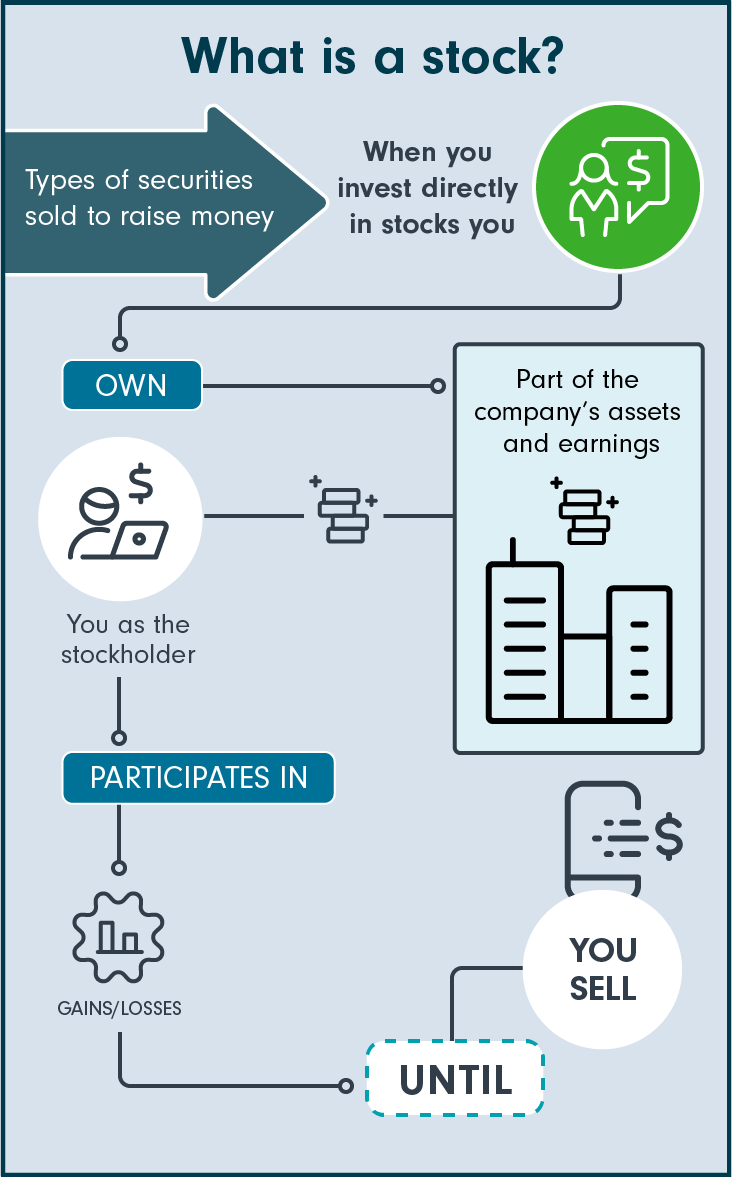
At its simplest, a stock, also known as equity, represents a fractional ownership interest in a company. When you buy a stock, you become a shareholder, meaning you own a tiny piece of that corporation. This ownership bestows certain rights, though they vary depending on the type of stock (common vs. preferred). Common shareholders typically have voting rights on company matters, such as electing the board of directors, and have the potential to benefit from the company’s growth through increasing stock prices and sometimes dividends. Preferred shareholders usually do not have voting rights but receive fixed dividend payments before common shareholders and have a higher claim on assets in case of liquidation. The value of your stock fluctuates with the market’s perception of the company’s performance, its future prospects, and broader economic conditions.
Why Do Companies Issue Stocks?
Companies primarily issue stocks as a means of raising capital. When a private company decides to “go public” through an Initial Public Offering (IPO), it sells shares to investors to fund its operations, expand its business, develop new products, or repay debt. This injection of capital is vital for growth and innovation. By selling a portion of the company to the public, the original founders and early investors can also “cash out” some of their ownership, realizing profits from their initial investment. For investors, buying these stocks offers a chance to participate in the company’s success and potentially earn returns through capital appreciation (when the stock price increases) and dividends (a share of the company’s profits).
The Role of Stock Exchanges
Stock exchanges are organized marketplaces where shares of publicly traded companies are bought and sold. They provide a regulated, transparent, and efficient environment for these transactions to occur. The most famous examples include the New York Stock Exchange (NYSE) and the Nasdaq in the United States, but nearly every country has its own major exchanges. Exchanges facilitate trading by matching buyers and sellers, ensuring fair pricing, and providing real-time information on stock prices and trading volumes. While the image of a bustling trading floor might come to mind, the vast majority of stock transactions today occur electronically, through sophisticated computer networks that connect investors, brokers, and the exchanges.
Preparing to Invest: Key Prerequisites
Entering the stock market requires more than just money; it demands preparation, a clear strategy, and an understanding of your personal financial landscape. Rushing in without due diligence can lead to costly mistakes.
Defining Your Investment Goals and Risk Tolerance
Before making any investment, it’s crucial to define what you aim to achieve and how much risk you’re willing to take. Are you saving for retirement decades away, a down payment on a house in five years, or simply looking to grow your wealth over the long term? Your investment horizon significantly influences the types of stocks suitable for your portfolio. Equally important is understanding your risk tolerance. Stocks are inherently volatile; their value can go up and down dramatically. Some investors are comfortable with higher risk in pursuit of greater returns, while others prioritize capital preservation and prefer less volatile assets. A clear understanding of your goals and risk comfort level will guide your asset allocation and stock selection process.
Essential Capital and Budgeting
While you don’t need a fortune to start investing, you do need “disposable income” – money that you won’t need for immediate expenses or emergencies. Financial advisors generally recommend establishing an emergency fund (3-6 months of living expenses) before investing in the stock market. Once your emergency fund is secure, you can allocate a portion of your income specifically for investing. Even small, consistent contributions can grow significantly over time thanks to the power of compounding. Create a budget to identify how much you can comfortably invest each month without compromising your daily living expenses or other financial obligations.
Choosing a Brokerage Account
To buy stocks, you’ll need an investment account with a brokerage firm. These firms act as intermediaries, executing buy and sell orders on your behalf. There are various types of brokerage accounts, but most individual investors will open a “self-directed” or “discount” brokerage account, which allows you to make your own investment decisions. When choosing a brokerage, consider factors such as:
- Fees and Commissions: Some brokerages offer commission-free trading for stocks and ETFs, while others charge per trade. Watch out for other fees like account maintenance or inactivity fees.
- Minimum Deposit Requirements: Some brokers require a minimum initial deposit, though many popular platforms now offer accounts with no minimum.
- Investment Options: Ensure the brokerage offers access to the types of stocks and other securities you wish to invest in.
- Research Tools and Educational Resources: Especially for beginners, robust research tools, analytical features, and educational content can be invaluable.
- Customer Service: Responsive and helpful customer support can be crucial when you encounter issues or have questions.
- Platform User Experience: A user-friendly interface for both desktop and mobile apps makes managing your investments easier.
Once you’ve selected a broker, the process typically involves an online application, providing personal identification information, and linking a bank account to fund your new investment account.
The Mechanics of Buying a Stock
With your brokerage account funded and your strategy in mind, you’re ready to make your first purchase. This section walks through the practical steps of executing a trade.
Navigating Your Brokerage Platform
Modern brokerage platforms are designed to be intuitive, but it’s wise to familiarize yourself with the interface before placing a live order. Spend time exploring features like:
- Search Function: How to find specific stocks by ticker symbol (e.g., AAPL for Apple) or company name.
- Stock Quote Pages: These pages display current price, trading volume, historical charts, company news, and key financial metrics.
- Order Entry Screen: Where you’ll specify the stock, quantity, and type of order.
- Portfolio View: To see your current holdings, their performance, and account balance.
- Research & Tools Section: Access to analyst reports, screeners, and educational articles.
Many platforms offer “paper trading” or “simulated trading” accounts, which allow you to practice buying and selling with virtual money, an excellent way to gain confidence without risking real capital.
Types of Orders: Market, Limit, Stop-Loss
Understanding order types is crucial for controlling your entry and exit points in the market.

- Market Order: This is the simplest order. You instruct your broker to buy or sell a stock immediately at the best available current price. Market orders are ideal when you want to execute a trade quickly and are less concerned with a slight price variation. However, in fast-moving markets, the actual price you get might differ slightly from the displayed price when you placed the order (known as “slippage”).
- Limit Order: A limit order allows you to specify the maximum price you’re willing to pay when buying a stock, or the minimum price you’re willing to accept when selling. For example, if a stock is trading at $100, you could place a limit buy order at $99. Your order will only execute if the stock’s price drops to $99 or below. Limit orders provide price control but may not execute if the stock never reaches your specified price.
- Stop-Loss Order: Primarily used to limit potential losses on an existing position, a stop-loss order becomes a market order once the stock price reaches a predetermined “stop price.” If you own a stock at $100 and set a stop-loss at $95, your shares will be sold if the price falls to $95, preventing further losses. It’s important to note that a stop-loss order, once triggered, becomes a market order and will execute at the next available price, which might be slightly below your stop price in volatile markets.
Executing Your First Trade
Once you’ve chosen a stock and an order type, executing the trade is straightforward:
- Search for the stock: Enter the ticker symbol or company name.
- Navigate to the “Buy” or “Trade” section.
- Specify the number of shares: Decide how many shares you want to buy.
- Choose your order type: Select Market, Limit, or another relevant order type. If using a Limit or Stop-Loss order, input your desired price.
- Review the order: Double-check all details, including the stock, quantity, price, and estimated cost.
- Place the order: Confirm the transaction.
Your brokerage platform will typically provide a confirmation once the order is executed. The shares will then appear in your portfolio, usually within one to two business days as the trade “settles.”
Beyond the Purchase: Managing Your Investments
Buying a stock is just the beginning. Effective portfolio management, continuous monitoring, and understanding how your investments generate returns are critical for long-term success.
Diversification and Portfolio Management
One of the most fundamental principles in investing is diversification. This involves spreading your investments across various asset classes, industries, and geographical regions to reduce risk. Putting all your money into a single stock or sector exposes you to significant specific risks. If that company or industry performs poorly, your entire portfolio suffers. By diversifying, you aim to smooth out returns and reduce the impact of any single underperforming asset. For stock investors, this means owning shares in different companies, across different sectors (e.g., tech, healthcare, consumer staples), and potentially in companies of varying sizes (large-cap, mid-cap, small-cap). Exchange-Traded Funds (ETFs) and mutual funds offer convenient ways to achieve instant diversification by investing in a basket of stocks.
Monitoring Your Investments
Once you own stocks, it’s essential to regularly monitor their performance and stay informed about the companies you’ve invested in. While daily price fluctuations can be distracting for long-term investors, you should periodically review:
- Company News: Major announcements, earnings reports, leadership changes, and competitive developments.
- Sector Trends: How the overall industry in which your companies operate is performing.
- Economic Indicators: Broader economic data can influence market sentiment and corporate performance.
- Your Portfolio’s Performance: Compare your returns against relevant benchmarks and assess if your investments are still aligned with your goals.
However, monitoring doesn’t mean constant tinkering. A long-term, buy-and-hold strategy often outperforms frequent trading. The goal is to be informed enough to make rational decisions when necessary, not to react impulsively to every market twitch.
Understanding Dividends and Capital Gains
There are two primary ways investors make money from stocks:
- Capital Gains: This is the profit you make when you sell a stock for a higher price than you bought it for. If you buy a stock at $50 and sell it at $70, you’ve made a capital gain of $20 per share (before factoring in taxes or commissions).
- Dividends: Many profitable companies share a portion of their earnings with shareholders in the form of dividends. These are typically cash payments, paid quarterly, and are a way for investors to earn income from their investments without selling shares. Dividend-paying stocks are often favored by income-focused investors. You can choose to receive these dividends as cash or reinvest them to buy more shares of the same stock, which can accelerate compounding growth.
Both capital gains and dividends are subject to taxation, and understanding the tax implications is a crucial part of managing your investments.
Common Pitfalls and Best Practices for Stock Investors
The journey of stock investing is rarely without its challenges. Being aware of common mistakes and adopting best practices can significantly improve your chances of success.
Avoiding Emotional Decisions
One of the biggest pitfalls for investors is letting emotions drive their decisions. Fear and greed can lead to buying high out of excitement or selling low out of panic. The stock market is prone to irrational swings, and reacting impulsively to these can be detrimental. Develop a disciplined approach, stick to your investment plan, and resist the urge to chase fads or panic during downturns. Remember that market corrections are a normal part of the investing cycle and often present opportunities for long-term investors.
The Importance of Research and Due Diligence
Never invest in a company you don’t understand. Thorough research is non-negotiable. This involves:
- Understanding the Business Model: How does the company make money? What are its products or services?
- Analyzing Financials: Reviewing income statements, balance sheets, and cash flow statements to assess financial health. Key metrics include revenue growth, profit margins, debt levels, and cash flow.
- Evaluating Management: Assessing the leadership team’s experience, track record, and vision.
- Industry Analysis: Understanding the competitive landscape, market trends, and potential disruptors.
- Competitive Advantage: Does the company have a “moat” that protects it from competitors (e.g., strong brand, patents, network effects)?
Many brokerage platforms offer research reports, and free resources like SEC filings (10-K, 10-Q) provide a wealth of information.

Long-Term vs. Short-Term Investing
While short-term trading strategies exist, for most individual investors, a long-term approach to stock investing is more suitable and generally more successful. Long-term investing, often spanning years or even decades, allows your investments to benefit from compounding, ride out market volatility, and capture the full growth potential of quality companies. Trying to “time the market” by predicting short-term movements is notoriously difficult and often leads to suboptimal results. Focus on identifying strong companies with solid fundamentals and holding them for the long haul.
In conclusion, buying stocks is a powerful tool for wealth creation, accessible to nearly everyone with a clear strategy and discipline. By understanding the fundamentals, preparing diligently, executing trades wisely, and managing your portfolio with a long-term perspective, you can confidently navigate the stock market and work towards achieving your financial aspirations. Remember that investing involves risk, and it’s always advisable to start with thorough research and consider consulting a financial advisor.
aViewFromTheCave is a participant in the Amazon Services LLC Associates Program, an affiliate advertising program designed to provide a means for sites to earn advertising fees by advertising and linking to Amazon.com. Amazon, the Amazon logo, AmazonSupply, and the AmazonSupply logo are trademarks of Amazon.com, Inc. or its affiliates. As an Amazon Associate we earn affiliate commissions from qualifying purchases.