
The annual anticipation for Halloween stores to unfurl their spooky banners and stock their shelves with costumes, decorations, and ghoulish delights is a familiar autumnal ritual for many consumers. However, for those in the business of seasonal retail, the question of “when will Halloween stores open?” transcends simple consumer curiosity; it’s a finely tuned financial and logistical calculation. Understanding the timing reveals much about the intricate economics of temporary retail, supply chain management, and strategic market positioning designed to maximize revenue in a compressed sales window.
The Economics of Seasonal Retail: More Than Just Costumes
Seasonal retail, particularly for events like Halloween, operates on a unique financial model distinct from year-round brick-and-mortar operations. These businesses emerge, flourish intensely for a short period, and then recede, leaving behind a complex trail of strategic decisions driven by profit maximization and cost efficiency. The opening date is not arbitrary; it’s a critical financial lever.

Strategic Timing and Revenue Maximization
The decision to open a Halloween store is fundamentally a revenue optimization strategy. Open too early, and operational costs (rent, utilities, staffing) accumulate before peak demand justifies them, potentially eroding profit margins. Open too late, and a significant portion of the consumer spending window is lost to competitors or to customers who have already completed their purchases. Retailers aim for the “sweet spot” where early adopters are captured without incurring excessive overhead.
Typically, major Halloween retailers like Spirit Halloween or Party City begin their phased openings in late August or early September. This timing serves multiple financial objectives:
- Capturing Early Planners: A segment of the market begins planning and purchasing costumes and decorations well in advance. These consumers often have specific, elaborate ideas and are willing to spend more. Opening earlier caters to this high-value demographic.
- Extended Sales Cycle: While the peak is in October, an August/September opening provides 6-8 weeks of sales, allowing for multiple promotional cycles and opportunities to clear inventory. This extended period helps amortize the significant upfront investment in inventory, leases, and build-out.
- Market Dominance: Being among the first to open establishes a presence, captures initial market share, and influences subsequent consumer choices. Early openings can also preempt smaller, independent pop-up competitors.
- Weathering Economic Shifts: An earlier start provides a buffer against unforeseen economic downturns or shifts in consumer spending habits that might impact late-season sales. More time means more opportunities to adapt pricing or promotions.
The financial goal is not just to sell everything, but to sell it at the highest possible margin. Early sales often occur at full price, while late-season sales might require discounting to move remaining stock, impacting overall profitability.
Supply Chain Logistics and Inventory Management
The financial health of a seasonal retailer hinges significantly on robust supply chain logistics and precise inventory management. Halloween stores stock hundreds, if not thousands, of unique SKUs, from inexpensive costume accessories to elaborate animatronics.
From a financial perspective, inventory represents a substantial investment. Carrying too much inventory incurs holding costs (storage, insurance, potential obsolescence), ties up capital, and increases the risk of significant write-downs if items don’t sell. Conversely, too little inventory results in missed sales opportunities and customer dissatisfaction.
The global supply chain plays a critical role. Many Halloween products are manufactured overseas, requiring long lead times and meticulous planning. Retailers typically place orders 9-12 months in advance, navigating currency fluctuations, shipping costs, and potential geopolitical disruptions. The financial risk associated with these large, forward-looking orders is immense, demanding sophisticated forecasting models based on historical sales data, emerging trends, and broader economic indicators.
Upon arrival, inventory needs to be distributed efficiently to hundreds of temporary locations. This involves:
- Warehouse Management: Centralized warehouses receive vast quantities of goods, which are then sorted and dispatched. The cost of warehousing, including rent, labor, and logistics software, is a significant line item.
- Transportation Costs: Shipping goods from warehouses to individual store locations, often across vast geographical distances, incurs substantial fuel, labor, and maintenance costs. Optimizing routes and loads is crucial for profitability.
- Store Setup Efficiency: The rapid transformation of empty retail spaces into themed Halloween emporiums requires pre-packaged inventory and efficient merchandising plans to minimize labor costs during the setup phase.
Every decision in the supply chain, from sourcing raw materials to placing the final product on a temporary shelf, is scrutinized for its financial impact on the bottom line.
Understanding the Seasonal Retail Business Model
The ephemeral nature of Halloween stores defines a unique business model characterized by temporary operations, aggressive sales cycles, and high-stakes financial decisions. It’s a masterclass in maximizing short-term opportunities.
Lease Agreements and Pop-Up Profitability
A cornerstone of the seasonal retail model is the strategic acquisition and utilization of commercial real estate. Halloween retailers primarily leverage “pop-up” store formats, occupying vacant storefronts in shopping centers and malls. This strategy offers several financial advantages:
- Reduced Overhead: Short-term lease agreements are typically negotiated for a few months, significantly reducing the long-term financial commitment associated with year-round leases. Landlords benefit by generating income from otherwise vacant properties, often offering favorable rates for these temporary tenants.
- Flexibility and Scalability: The pop-up model allows retailers to dynamically adjust their footprint based on market demand and available inventory. They can open more stores in economically robust areas or scale back during leaner years, mitigating financial risk.
- Strategic Location: Pop-up stores can strategically position themselves in high-traffic retail corridors that might be too expensive for a permanent presence, thereby maximizing exposure during their critical sales window.
The financial calculus for each location is precise: the potential revenue must significantly outweigh the combined costs of the short-term lease, build-out, utilities, and labor. Profitability is often highly sensitive to sales volume, meaning a few slow weeks can turn a profitable location into a financial drain. Retailers often have sophisticated algorithms to predict the viability of potential sites based on demographics, traffic patterns, and historical sales data from similar locations.

Human Resources: The Seasonal Workforce
Staffing hundreds or thousands of temporary stores with a transient workforce presents a unique set of financial and logistical challenges. Seasonal retailers must rapidly recruit, hire, train, and manage a large contingent of employees, often with varying levels of retail experience.
From a financial perspective, labor costs are a major expenditure. Managing these costs involves:
- Competitive Wages: Offering competitive hourly wages to attract sufficient staff in a tight labor market, especially as the gig economy offers alternative income streams.
- Training Efficiency: Developing highly efficient training programs to quickly onboard new employees on POS systems, merchandising standards, and customer service protocols, minimizing non-productive training hours.
- Scheduling Optimization: Utilizing advanced scheduling software to match staffing levels with anticipated foot traffic and sales volume, avoiding overstaffing during slow periods and understaffing during peak times, which can lead to lost sales.
- Benefits and Compliance: Navigating the complex landscape of temporary employment regulations, payroll taxes, and, in some cases, limited benefits for seasonal staff, all while maintaining compliance.
The ability to efficiently manage this dynamic workforce is critical to maintaining operational costs within profitable parameters and ensuring a positive customer experience that drives repeat business during the compressed sales season.
Consumer Spending Habits and Market Forecasting
The timing of Halloween store openings is also heavily influenced by deep insights into consumer psychology and spending patterns. Understanding when consumers are ready to spend and how much they are willing to allocate is paramount to financial success.
Early Bird vs. Last-Minute Shoppers
Retailers observe a clear bifurcation in Halloween shopping behavior, each with distinct financial implications:
- The Early Bird (August/September): These consumers are often highly engaged, meticulous planners. They are searching for unique, specific, or custom items and are less price-sensitive. This segment drives initial full-price sales and higher average transaction values. Retailers strategically open earlier to capture this lucrative segment, often showcasing their premium and most innovative merchandise first.
- The Mid-Season Shopper (Early October): This is the largest segment, often families and groups, who begin their serious planning a few weeks out. They are looking for a good selection at a reasonable price. This period sees high foot traffic and strong sales volumes.
- The Last-Minute Scrambler (Week of Halloween): These shoppers are driven by urgency, often willing to pay full price for whatever is available. While product selection is diminished, this segment provides a final surge of revenue, particularly for accessory items and smaller decorations. However, retailers must be careful not to overstock for this segment, as unsold items post-Halloween become financially burdensome.
Retailers use promotional strategies and inventory rotations designed to cater to each segment, maximizing revenue across the entire season rather than relying solely on the final rush.
The Impact of Economic Conditions on Halloween Spending
Halloween spending is not immune to broader economic forces. In robust economic periods, consumers are more willing to spend on elaborate costumes, extensive decorations, and Halloween-themed parties. This translates to higher average transaction values and increased overall revenue for retailers.
Conversely, during economic downturns or periods of high inflation, consumers become more budget-conscious. This shift might lead to:
- Increased DIY: More consumers opting to create costumes at home or reuse previous years’ decorations.
- Focus on Value: A preference for lower-priced items, often necessitating deeper discounts from retailers.
- Reduced Spending per Household: A general tightening of discretionary spending, impacting overall sales volume.
Seasonal retailers continuously monitor economic indicators, consumer confidence reports, and competitor pricing strategies. Their opening schedules, inventory levels, and promotional calendars are often adjusted dynamically to reflect these changing financial realities, aiming to mitigate risk and maintain profitability in a volatile market.
Beyond Brick-and-Mortar: Online Sales and Diversification
While the physical opening of temporary Halloween stores generates much excitement, modern seasonal retail business models have significantly evolved to integrate robust online strategies, further extending their financial reach.
E-commerce’s Role in Extending the Season
The internet has fundamentally altered the economics of seasonal retail. Online storefronts can be “open” year-round, allowing retailers to capture sales long before and after their physical stores operate.
- Pre-Season Sales: Major retailers often launch their full Halloween product lines online as early as June or July. This allows them to gauge demand, test new products, and generate revenue months before physical store openings, effectively lengthening the “Halloween season” for financial reporting.
- Wider Inventory Selection: E-commerce platforms can offer a far broader selection of niche products, specialty sizes, and exclusive items than any physical store, catering to a diverse customer base and increasing average order values.
- Reduced Operational Costs: While e-commerce has its own fulfillment and marketing costs, it eliminates the need for temporary leases, store build-outs, and large seasonal on-site staff, presenting a different cost structure for profitability.
- Data Collection: Online sales provide invaluable data on consumer preferences, popular items, and geographical demand, which can inform inventory purchasing and store placement strategies for subsequent seasons, optimizing future financial decisions.
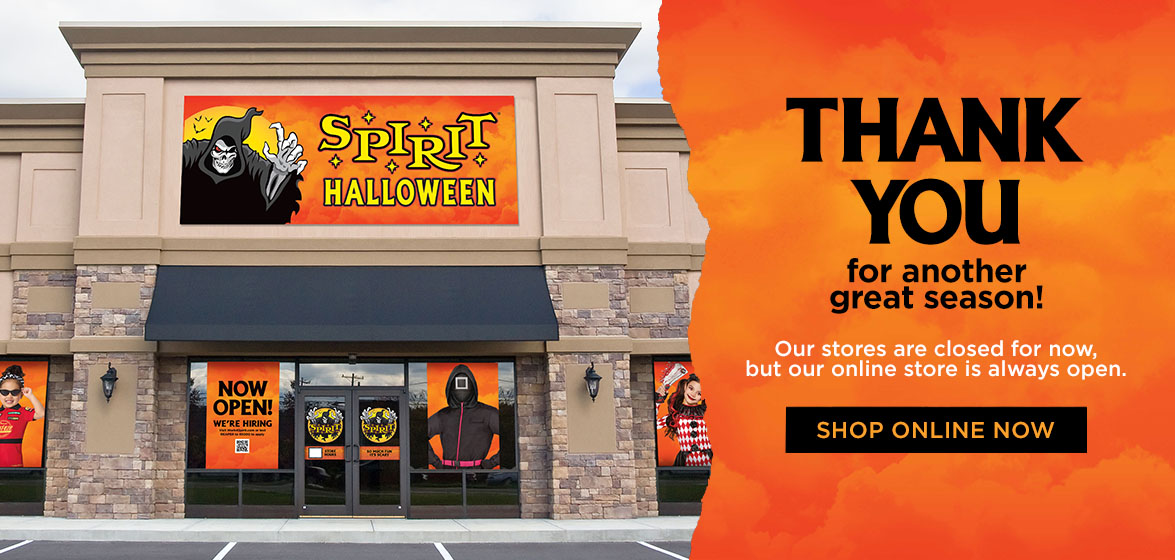
Investment in Year-Round “Spirit”
Some of the largest seasonal retailers are not merely temporary operations. They represent significant corporate entities that strategically invest year-round. This includes:
- Product Development: Investing in research and development for new costume designs, animatronics, and decorations to stay competitive and drive consumer interest.
- Supply Chain Infrastructure: Maintaining sophisticated global supply chains, including relationships with manufacturers, freight forwarders, and logistics providers, even during off-peak months.
- Marketing and Branding: Sustained marketing efforts to build brand recognition, engage customer loyalty through email lists, and maintain an active social media presence to keep the brand top-of-mind.
- Diversification: Some seasonal retailers own other holiday-focused brands (e.g., Christmas, patriotic holidays) or have year-round party supply stores, diversifying their revenue streams and optimizing asset utilization across different seasons.
Ultimately, the opening of Halloween stores is a carefully orchestrated financial play, blending aggressive market timing, meticulous logistical planning, and deep consumer insights. It’s a testament to the profitability and strategic complexity inherent in the seemingly simple act of setting up shop for a few festive months.
aViewFromTheCave is a participant in the Amazon Services LLC Associates Program, an affiliate advertising program designed to provide a means for sites to earn advertising fees by advertising and linking to Amazon.com. Amazon, the Amazon logo, AmazonSupply, and the AmazonSupply logo are trademarks of Amazon.com, Inc. or its affiliates. As an Amazon Associate we earn affiliate commissions from qualifying purchases.