
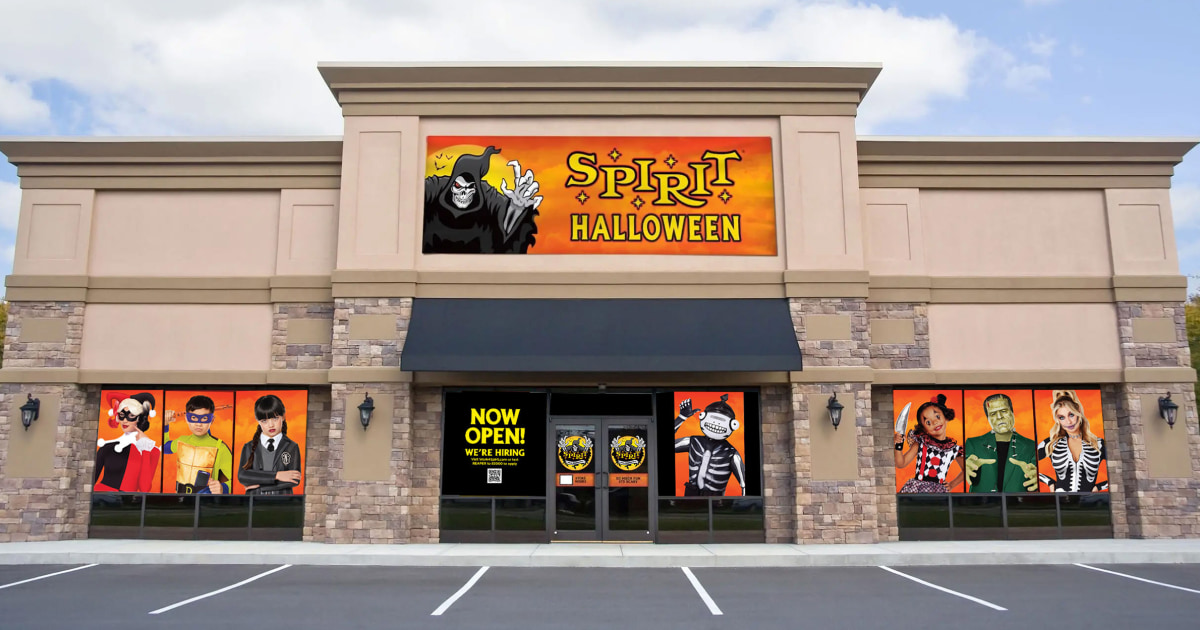
Spirit Halloween, the ubiquitous pop-up retailer that heralds the arrival of autumn, operates on a unique and highly condensed business model. Understanding their sales cycles and pricing strategies is not merely a matter of curiosity for holiday enthusiasts; it’s a crucial aspect of personal financial planning for seasonal expenses and even a potential area for entrepreneurial insight. Navigating the timing of Spirit Halloween’s discounts allows consumers to maximize their budgets, secure desired items at optimal prices, and appreciate the underlying economics of seasonal retail.
The Economics of Pop-Up Retail and Seasonal Sales Cycles
Spirit Halloween’s operational strategy is a masterclass in exploiting a limited-time market window. Unlike year-round retailers, they have a finite period to generate revenue, liquidate inventory, and recoup significant overheads. This intrinsic time pressure dictates their pricing and promotional calendar, offering predictable patterns for the financially savvy shopper.

The Rationale Behind Spirit Halloween’s Pricing Strategy
From a business finance perspective, Spirit Halloween’s pricing strategy is a delicate balance. Early in the season (typically late August to early September), prices are at their peak. This period caters to early planners, enthusiasts with specific costume or decoration needs, and those who prioritize selection over savings. The premium charged reflects the exclusivity of early access to a full inventory and the convenience of early preparation. This initial phase is crucial for generating a strong cash flow to cover initial operational costs, including leasing temporary retail spaces, shipping, and staffing. The company must anticipate demand accurately to avoid both stockouts of popular items and overstocking less desirable ones.
As the season progresses, and particularly as Halloween itself approaches, the pressure to sell intensifies. The cost of carrying inventory past October 31st is prohibitive for a pop-up store. Storage, potential damage, and the opportunity cost of capital tied up in unsold goods necessitate a swift liquidation strategy. This is where the more significant sales begin to emerge, driven by the need to clear merchandise before the temporary leases expire and stores dismantle.
Inventory Management and Overhead Costs: Driving Sale Decisions
Efficient inventory management is paramount for Spirit Halloween. Every costume, prop, and accessory represents a capital investment that must be converted into revenue within a narrow window. Unsold items are not merely a missed sale; they are a direct financial loss, compounded by the logistical costs of disposal or off-season storage. Therefore, the decision to initiate sales is often a direct response to real-time inventory levels and projected sales velocity. If certain product categories are moving slower than anticipated, discounts will be introduced to accelerate their sale, minimizing the financial risk of residual stock.
Moreover, the extensive overheads associated with pop-up retail – short-term leases, temporary build-outs, seasonal labor, and extensive marketing – create an imperative for aggressive sales targets. These fixed and semi-fixed costs must be covered entirely within the two-to-three-month operational window. Sales and promotional activities are not just about attracting customers; they are critical tools for ensuring profitability by maximizing throughput and ensuring all invested capital is recovered and ideally, exceeded.
Decoding the Sale Calendar: Optimal Times for Personal Savings
For the average consumer, understanding Spirit Halloween’s sale progression is key to optimizing personal finance and securing the best deals on their Halloween necessities. There’s a distinct rhythm to their discounting, offering different opportunities for different buying behaviors.
Pre-Season Promotions: Early Bird or Early Trap?
Spirit Halloween often initiates promotions even before stores fully open, or shortly after their initial grand openings, typically in late August or early September. These often take the form of percentage-off coupons (e.g., 20% off a single item or your entire purchase) or buy-one-get-one deals on specific categories.
- Financial Insight: While attractive, these early sales are generally not the deepest discounts. They serve to entice early shoppers who prioritize selection and want to avoid last-minute rushes. For consumers with a very specific, popular costume or decoration in mind, purchasing during this period, utilizing a coupon, can be a financially sound decision. The premium paid ensures item availability, mitigating the risk of stockouts closer to the holiday. However, if your goal is maximum savings and you have flexibility in your choices, these early promotions might be an “early trap” that prevents you from realizing deeper price cuts later.
Mid-Season Markdowns: Balancing Selection and Savings
As September transitions into October, Spirit Halloween begins to introduce more widespread markdowns. This phase, typically from the second week of October up to about a week before Halloween, sees a broader application of discounts across various product lines. Often, you’ll see a tiered approach, with certain sections or categories receiving a 15-25% markdown.
- Financial Insight: This is often the sweet spot for many shoppers. While the absolute best deals are still to come, mid-season markdowns offer a good balance between availability and savings. Popular items might still be in stock, and the discounts are significant enough to feel financially impactful. For those needing specific items but unwilling to pay full price, or risk waiting until after Halloween, this period presents a strategic window for purchase. Budget-conscious consumers can typically find what they need without severely compromising their budget.
The Post-Halloween Fire Sale: Unlocking Maximum Discounts
The true “fire sale” begins immediately after Halloween, typically on November 1st. This is when Spirit Halloween, along with many other seasonal retailers, initiates their most aggressive liquidation efforts. Discounts can range from 50% to 75% off, and sometimes even more, as the absolute deadline for inventory clearance looms.
- Financial Insight: For the shrewd personal financier, this is the prime time to purchase for next year. If you have storage space and the foresight, buying costumes, props, and decorations at these drastically reduced prices offers unparalleled savings. The trade-off is often a significantly reduced selection, as popular items will have already sold out. However, for generic props, lighting, basic costume components, or general decor that can be reused, this strategy provides the highest return on investment. It’s an excellent method for building up a robust, reusable Halloween collection over time at a fraction of the cost, demonstrating strong long-term budgeting.
Maximizing Your Halloween Budget: Smart Spending and Investment Strategies
Beyond merely timing purchases, a comprehensive approach to Halloween spending involves strategic budgeting and viewing certain purchases as long-term investments.
Calculating True Value: Cost-Per-Use for Decorations and Costumes
When considering the financial impact of Halloween purchases, especially for items like decorations or high-quality costume pieces, it’s beneficial to think in terms of “cost-per-use.” A $50 decoration might seem expensive for a single event, but if it’s durable and can be used for five subsequent Halloweens, its cost-per-use drops to $10.
- Financial Insight: Investing slightly more in well-made, versatile items during a sale can lead to greater long-term savings than continually buying cheap, disposable decor annually. Prioritize items that are timeless or adaptable to different themes. This minimizes recurring expenses and optimizes the utility of each dollar spent, a fundamental principle of shrewd personal finance.
Budgeting for Ephemeral Festivities: A Personal Finance Approach
Halloween, like many holidays, can become an unexpected drain on personal finances if not properly budgeted. Integrating a “seasonal festivities” category into your annual budget allows for planned spending, preventing impulse purchases and post-holiday financial regret.
- Financial Insight: Allocate a specific amount for Halloween-related expenses well in advance. This might involve setting aside a small amount each month. By having a dedicated fund, you can make informed decisions about when to buy (taking advantage of sales), what to buy (prioritizing needs vs. wants), and how much to spend without impacting other financial goals. This proactive approach turns potential discretionary spending into a controlled, intentional financial activity.
Long-Term Value Creation: Investing in Reusable Halloween Assets
Consider certain Halloween purchases not just as expenses but as investments in a reusable holiday asset base. Quality animatronics, durable outdoor props, and versatile clothing items that can be part of multiple costumes can be seen as assets that depreciate slowly and provide value over many years.
- Financial Insight: When taking advantage of post-Halloween sales, focus on acquiring these long-term assets. For example, a sturdy fog machine or a high-quality costume base bought at 70% off can eliminate the need to buy similar items for several years, resulting in significant cumulative savings. This strategy shifts spending from an annual recurring cost to a periodic, larger investment that yields years of free utility.
Beyond Personal Savings: The Entrepreneurial Opportunity
For those with an eye for opportunity, Spirit Halloween’s aggressive end-of-season sales can also present a niche for entrepreneurial endeavors, falling under the umbrella of online income and side hustles.
Capitalizing on Liquidation: Strategies for Reselling
The substantial discounts available post-Halloween create a margin for profit for enterprising individuals. By purchasing highly discounted, desirable items (especially those with broad appeal or collectible value) and reselling them online through platforms like eBay, Facebook Marketplace, or specialized forums, individuals can generate supplemental income.
- Financial Insight: Success in this area requires market knowledge (understanding what sells well year-round or in the off-season), keen pricing strategies, and efficient logistics for storage and shipping. The key is to identify items where the post-sale price is low enough to cover the purchase cost, selling fees, shipping, and still leave a reasonable profit margin. This effectively turns Spirit Halloween’s need for liquidation into a business opportunity.

Understanding Market Demand for Seasonal Merchandise
Analyzing historical sales data and current trends can inform what items are most likely to retain value or see increased demand in the off-season or the following year. Limited edition items, popular character costumes, or unique props often hold their value better than generic decorations.
- Financial Insight: Entrepreneurs should focus on items that are durable, shippable, and have consistent appeal. By leveraging the deep discounts from Spirit Halloween’s end-of-season clearance, individuals can strategically acquire inventory at a low cost basis, positioning themselves for future sales and transforming what would be a consumer saving opportunity into a revenue-generating side hustle. This demonstrates an astute application of market dynamics and financial arbitrage.