
Investing in the stock market can seem daunting, a complex world of charts, jargon, and volatile movements. Yet, for countless individuals, it has proven to be one of the most powerful engines for wealth creation and financial independence. Far from being a exclusive club for financial gurus, the stock market is increasingly accessible to everyday investors, offering a direct path to participate in the growth of leading companies worldwide.
This guide aims to demystify the process, providing a clear roadmap for anyone looking to understand how to invest money in the stock market responsibly and effectively. We’ll break down the basics, help you prepare for your investment journey, explore different approaches, and equip you with strategies to navigate this exciting, yet sometimes challenging, financial landscape. Remember, while the stock market offers significant potential for returns, it also carries inherent risks, and losses are possible. The key is informed decision-making and a long-term perspective.
Understanding the Stock Market Basics
Before you jump into buying your first share, it’s crucial to grasp the fundamental concepts that govern the stock market. This foundational knowledge will serve as your compass in making informed investment choices.
What is a Stock?
At its core, a stock (or share) represents a tiny slice of ownership in a company. When you buy a stock, you become a shareholder, meaning you own a fraction of that company’s assets and earnings. Publicly traded companies issue stocks to raise capital, which they then use to fund operations, expand, develop new products, or repay debt. As a shareholder, you stand to benefit if the company performs well, as its value (and thus the value of its stock) tends to increase. You might also receive dividends, which are portions of the company’s profits distributed to shareholders.
Why Do Companies Issue Stocks?
Companies primarily issue stocks to raise capital without incurring debt. This fresh influx of money allows them to invest in growth opportunities that might otherwise be out of reach. By going public, a company opens itself up to a wider pool of investors, from large institutional funds to individual retail investors like yourself. In return for their investment, shareholders gain an equity stake and the potential for capital appreciation as the company grows and its stock price rises.
The Role of Exchanges and Brokers
The stock market isn’t a single physical location but rather a network of exchanges where buyers and sellers meet to trade stocks. Major exchanges include the New York Stock Exchange (NYSE) and the Nasdaq Stock Market. These exchanges provide the infrastructure for trading, ensuring transparency and fair pricing.
However, individual investors cannot directly trade on these exchanges. Instead, you need a brokerage account. A brokerage firm acts as an intermediary, executing buy and sell orders on your behalf. Today, most individuals use online discount brokers, which offer user-friendly platforms, research tools, and competitive fees, making stock market access easier than ever before.
Key Concepts: Bulls, Bears, and Volatility
The stock market has its own unique lexicon. You’ll often hear about bull markets and bear markets. A bull market is characterized by rising stock prices and investor optimism, signaling economic growth. Conversely, a bear market is marked by falling prices, widespread pessimism, and often precedes or accompanies an economic downturn.
Volatility refers to the degree of variation of a trading price series over time. High volatility means prices fluctuate rapidly and dramatically, while low volatility suggests more stable prices. Understanding these dynamics helps investors mentally prepare for the market’s natural ups and downs and avoid making rash decisions based on short-term movements.
Preparing for Your Investment Journey
Successful investing isn’t just about picking the right stocks; it’s about having a solid financial foundation and a clear understanding of your personal financial landscape. Rushing into the market without preparation can lead to stress and poor decisions.
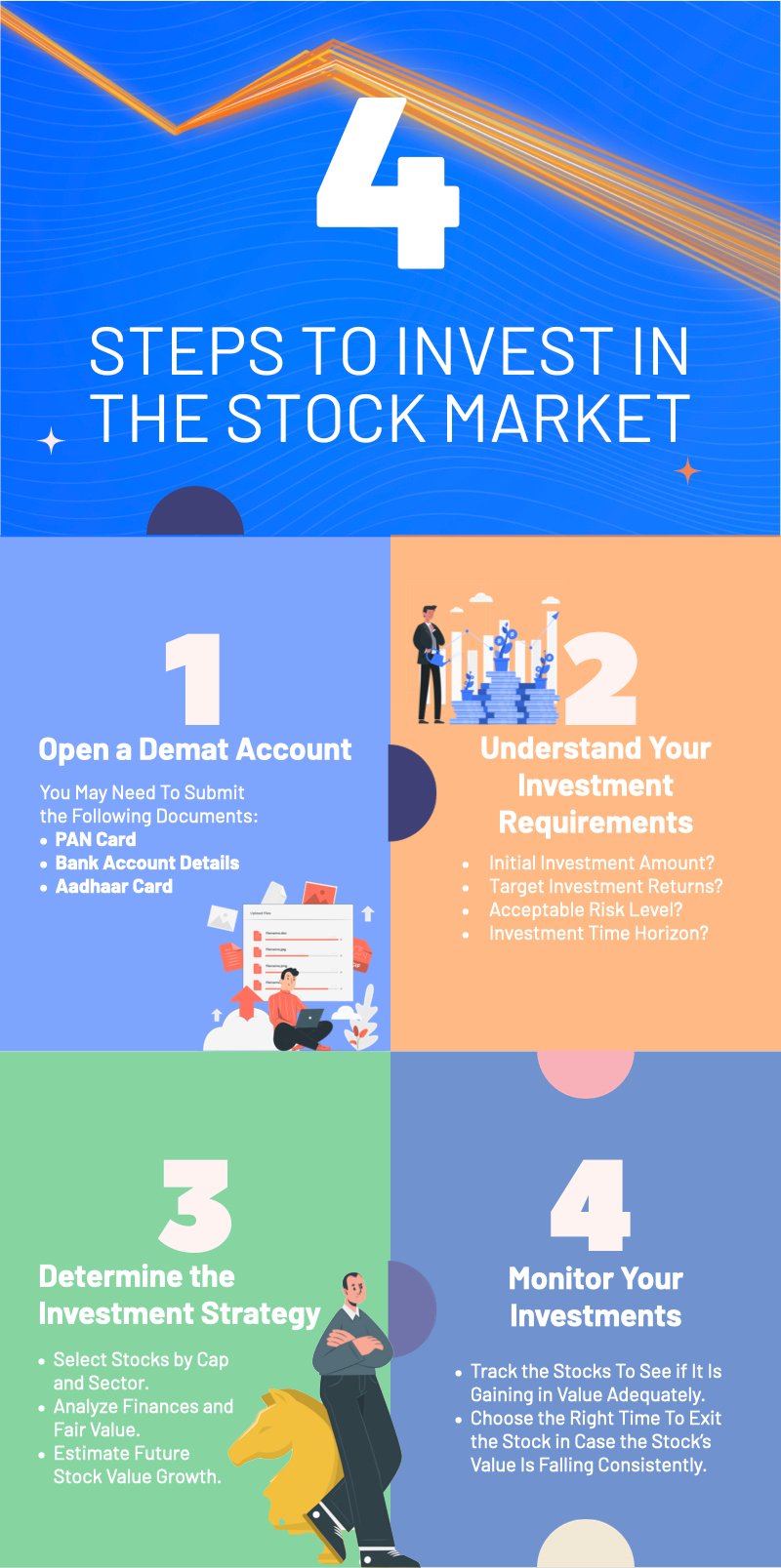
Define Your Financial Goals
Before you invest a single dollar, clarify why you are investing. Are you saving for retirement, a down payment on a house, your child’s education, or simply long-term wealth accumulation? Your financial goals will dictate your investment horizon (how long you plan to invest) and, consequently, the level of risk you might be comfortable taking. Long-term goals often allow for more aggressive strategies, as there’s more time to recover from market downturns. Short-term goals typically call for more conservative approaches.
Assess Your Risk Tolerance
Everyone has a different capacity for risk. Some investors are comfortable with the ups and downs of aggressive growth stocks, while others prefer the stability of more conservative investments. Your risk tolerance is influenced by factors like your age, income stability, financial obligations, and emotional temperament. A younger investor with a stable job and a long time horizon might comfortably accept higher risk, while someone nearing retirement might prioritize capital preservation. Be honest with yourself about how much volatility you can stomach without losing sleep.
Build an Emergency Fund
This is perhaps the most critical step before investing in the stock market. An emergency fund is a readily accessible pool of money, typically held in a high-yield savings account, that can cover 3 to 6 months (or even more) of living expenses. This fund acts as a financial safety net, ensuring you don’t have to sell your investments at an inopportune time (e.g., during a market downturn) if an unexpected expense arises, such as a job loss or medical emergency. Investing money you might need in the short term is generally ill-advised.
Manage High-Interest Debt
If you have high-interest debt, such as credit card balances or personal loans, prioritize paying these off before heavily investing in the stock market. The guaranteed return from eliminating a 15-20% interest rate debt almost always outweighs the potential, but not guaranteed, returns from stock market investments. Freeing yourself from burdensome debt not only improves your cash flow but also reduces financial stress, allowing you to invest with greater peace of mind.
Educate Yourself Continuously
The world of finance is dynamic, and continuous learning is paramount. Read reputable financial news, books, and articles. Follow financial experts, take online courses, and understand economic indicators. The more you learn, the better equipped you’ll be to make informed decisions, adapt to market changes, and avoid common pitfalls. Knowledge empowers you to be a proactive investor rather than a reactive one.
Choosing Your Investment Approach and Account
With your financial foundation in place, the next step involves deciding how you want to approach investing and selecting the right vehicle to hold your investments.
Investment Styles: Active vs. Passive
- Active Investing: This approach involves actively buying and selling individual stocks, attempting to “beat the market” by identifying undervalued companies or timing market movements. It requires significant research, time commitment, and a higher risk tolerance. While it offers the potential for higher returns, it also carries higher risk and often results in lower returns due to transaction costs and the difficulty of consistently outperforming professional investors.
- Passive Investing: This strategy involves investing in diversified funds that aim to mimic the performance of a broad market index, such as the S&P 500. It typically involves buying and holding investments for the long term with minimal trading. Passive investing is favored for its simplicity, lower fees, and consistent long-term performance, making it an excellent choice for most beginners.
Types of Investment Vehicles
- Individual Stocks: Owning shares in specific companies. This requires careful research into a company’s financials, industry position, and future prospects. It offers the highest potential for reward but also the highest risk if not diversified.
- Exchange-Traded Funds (ETFs): These are baskets of securities (stocks, bonds, commodities) that trade like individual stocks on an exchange. ETFs offer instant diversification, often tracking specific indices, sectors, or commodities. They are a popular choice for passive investors due to their low fees and flexibility.
- Mutual Funds: Professionally managed portfolios of stocks, bonds, or other investments. Investors buy shares in the fund, and the fund manager makes investment decisions. Index funds, a type of mutual fund or ETF, are particularly popular for passive investing as they simply aim to replicate the performance of a specific market index.
- Robo-Advisors: These are digital platforms that use algorithms to provide automated, low-cost investment management. After answering a few questions about your financial goals and risk tolerance, a robo-advisor will construct and manage a diversified portfolio for you, often using ETFs. This is an excellent option for beginners seeking a hands-off approach.
Selecting a Brokerage Account
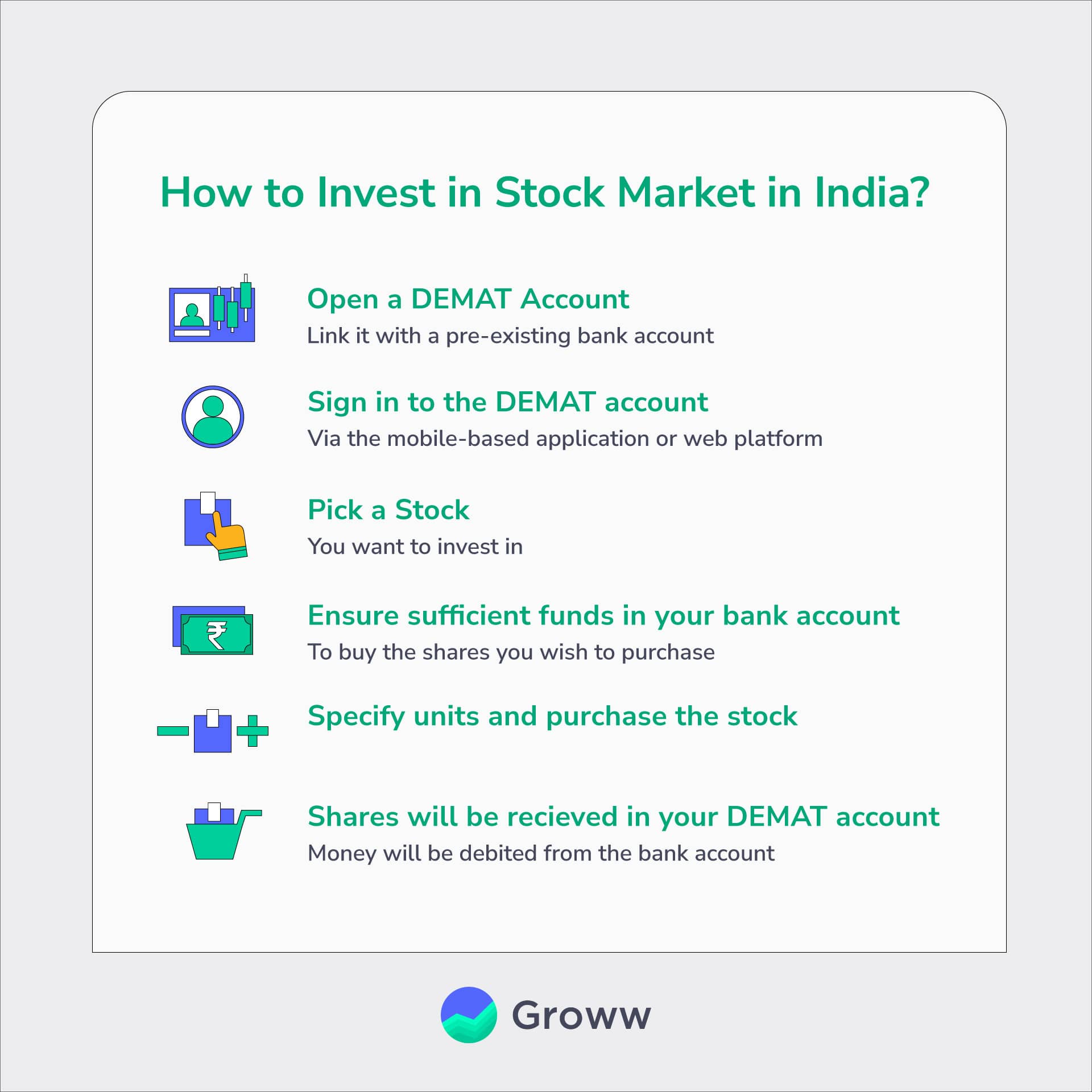
To invest, you’ll need to open an investment account with a brokerage firm. Consider factors like fees (commissions, expense ratios for funds), available investment options, research tools, customer service, and platform usability. Popular online brokers include Fidelity, Charles Schwab, Vanguard, and E*TRADE.
You’ll also need to decide on the type of account:
- Taxable Brokerage Account: A standard investment account where capital gains and dividends are typically taxed each year. It offers maximum flexibility regarding withdrawals.
- Individual Retirement Accounts (IRAs): Tax-advantaged accounts designed for retirement savings.
- Traditional IRA: Contributions may be tax-deductible, and taxes are paid upon withdrawal in retirement.
- Roth IRA: Contributions are made with after-tax money, but qualified withdrawals in retirement are tax-free.
- Employer-Sponsored Retirement Plans (e.g., 401(k), 403(b)): If available, these are often the best place to start, especially if your employer offers a matching contribution, which is essentially free money.
Strategies for Smart Stock Market Investing
Once you’ve chosen your account and initial investment vehicle, employing sound strategies will help you navigate the market effectively and maximize your chances of long-term success.
Diversification is Key
The golden rule of investing: “Don’t put all your eggs in one basket.” Diversification means spreading your investments across various assets, industries, and geographies to minimize risk. If one investment performs poorly, others in your portfolio might perform well, balancing out the overall return. Instead of buying just one company’s stock, consider investing in an S&P 500 index fund, which holds stocks of 500 large U.S. companies, or a total stock market fund for broader exposure.
Dollar-Cost Averaging
Dollar-cost averaging (DCA) is a strategy where you invest a fixed amount of money at regular intervals (e.g., $100 every month), regardless of the stock price. This means you buy more shares when prices are low and fewer shares when prices are high. Over time, this averages out your purchase price, reduces the impact of market volatility, and removes the emotional stress of trying to “time the market.” It’s a disciplined approach that encourages consistent saving and investing.
Long-Term Perspective and Compounding
The stock market typically rewards patience. Historically, despite short-term fluctuations, the stock market has delivered positive returns over long periods (10+ years). Focusing on the long term helps you weather market downturns without panicking and selling at a loss. Compounding, the process of earning returns on your initial investment and on the accumulated returns, is your most powerful ally. The earlier you start, and the longer you stay invested, the more time your money has to grow exponentially.
Research and Due Diligence
Even with a diversified portfolio, understanding what you own is vital. If you’re investing in individual stocks, research the company’s financials (revenue, profit, debt), management team, competitive landscape, and future growth prospects. For funds, understand their holdings, expense ratios, and historical performance. Don’t invest in something you don’t understand. Reputable sources like SEC filings, financial news outlets, and independent research firms can provide valuable insights.
Rebalancing Your Portfolio
Over time, your initial asset allocation (the mix of different asset classes like stocks and bonds) can drift due to varying investment performance. Rebalancing involves periodically adjusting your portfolio back to your desired allocation. For example, if stocks have performed exceptionally well, they might now constitute a larger percentage of your portfolio than you initially intended. You might then sell some stocks and buy more bonds to restore your target allocation, effectively selling high and buying low.
Common Pitfalls and How to Avoid Them
The path to successful investing is rarely straight, and numerous traps can derail even the most well-intentioned investor. Awareness is the first step to avoidance.
Emotional Investing
Perhaps the most common pitfall is letting emotions dictate investment decisions. Fear can cause investors to sell during market downturns, locking in losses, while greed can lead them to chase “hot” stocks at their peak. Both reactions are detrimental. Stick to your investment plan, which should be based on your financial goals and risk tolerance, not on daily market noise or media hype.
Chasing Hot Stocks or Trends
The temptation to jump on the bandwagon of a rapidly rising stock or a trending sector is strong. However, by the time a stock is widely considered “hot,” much of its potential growth may have already occurred. Investing based on FOMO (Fear Of Missing Out) often leads to buying high and selling low. Focus on fundamental value and long-term potential rather than short-term fads.
Lack of Diversification
As discussed, putting all your capital into a single stock or a few related stocks significantly increases your risk. A sudden negative event for that company or industry can wipe out a substantial portion of your investment. Diversification is your primary defense against unforeseen risks.
Investing Money You Can’t Afford to Lose
The stock market is not a place for money you might need in the near future. Always ensure you have a robust emergency fund and that any money allocated to stocks is capital you can afford to have tied up for the long term, and potentially lose some of it. Short-term needs should be met with highly liquid, low-risk savings.
Ignoring Fees and Expenses
Even small fees can significantly erode your returns over decades due to the power of compounding. Be mindful of brokerage commissions, mutual fund expense ratios, and any other charges associated with your investments. Opt for low-cost index funds and ETFs whenever possible, as their lower fees directly translate to more money staying in your pocket.
Conclusion
Investing in the stock market is a powerful tool for building wealth and achieving your financial aspirations. While it requires patience, discipline, and a willingness to learn, the process is far more accessible and manageable than many realize. By understanding the basics, preparing your finances, choosing appropriate investment vehicles, and adhering to sound strategies like diversification and dollar-cost averaging, you can embark on a successful investment journey.
Remember that investing is not a sprint, but a marathon. There will be periods of growth and periods of decline, but a long-term perspective and a commitment to continuous learning will serve you well. Start small, stay consistent, and let the power of compounding work its magic. Your future self will thank you for taking the proactive steps today to secure your financial tomorrow.
aViewFromTheCave is a participant in the Amazon Services LLC Associates Program, an affiliate advertising program designed to provide a means for sites to earn advertising fees by advertising and linking to Amazon.com. Amazon, the Amazon logo, AmazonSupply, and the AmazonSupply logo are trademarks of Amazon.com, Inc. or its affiliates. As an Amazon Associate we earn affiliate commissions from qualifying purchases.