
Embarking on the journey of stock market investing can seem daunting, a complex labyrinth filled with jargon, charts, and seemingly unpredictable movements. Yet, for those who demystify its workings and approach it with a clear strategy, the stock market offers one of the most powerful avenues for wealth creation and financial independence. This guide is designed to cut through the noise, providing a professional, insightful, and engaging roadmap for absolute beginners to confidently take their first steps into the world of equities. We’ll explore the fundamental principles, preparation steps, execution strategies, and long-term habits essential for success, empowering you to cultivate a robust financial future.
Understanding the Fundamentals of Stock Market Investing
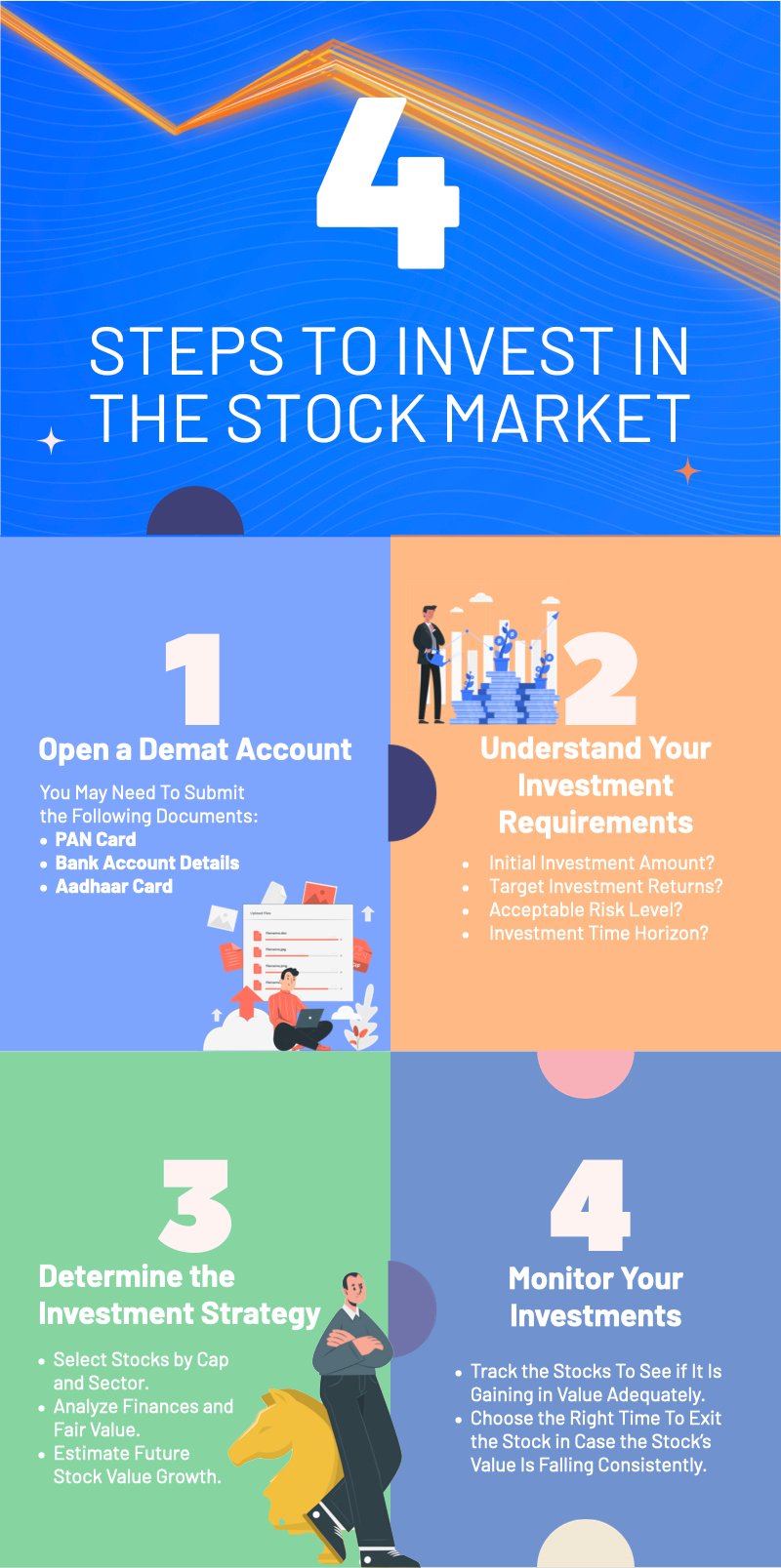
Before you commit your hard-earned money, it’s crucial to grasp the bedrock concepts that underpin the stock market. This foundational knowledge will serve as your compass, guiding your decisions and helping you navigate the inherent volatility.
What is the Stock Market?
At its core, the stock market is a global network of exchanges where buyers and sellers trade shares of publicly listed companies. When you buy a “stock” or “share,” you’re purchasing a tiny fraction of ownership in that company. Companies issue stock to raise capital for growth, research, development, or expansion. The market then dictates the price of these shares based on supply and demand, company performance, economic outlook, and investor sentiment. There’s a primary market (where companies issue new shares) and a secondary market (where investors trade existing shares among themselves, which is what most people refer to when they talk about the “stock market”).
Why Invest in Stocks?
Investing in stocks offers several compelling advantages, primarily focused on wealth growth and preserving purchasing power. Historically, stocks have outperformed other asset classes like bonds and cash over the long term. This potential for higher returns is crucial for outpacing inflation, which erodes the value of money over time. As a company grows and becomes more profitable, its stock price typically increases, and some companies even distribute a portion of their earnings to shareholders in the form of dividends. This dual potential for capital appreciation and income generation makes stocks a cornerstone of many successful investment portfolios.
Key Investment Concepts
To invest wisely, you must internalize certain fundamental concepts. Risk vs. Reward is paramount: higher potential returns often come with higher risk. Understanding your personal tolerance for risk is vital. Diversification is your portfolio’s best friend – spreading your investments across various assets, industries, and geographies to reduce overall risk. Putting all your eggs in one basket can be disastrous. Finally, the distinction between Long-Term vs. Short-Term Investing is critical. While day trading focuses on rapid, short-term gains (and losses), most successful beginner investors adopt a long-term approach, weathering market fluctuations with the goal of significant growth over decades.
Preparing for Your Investment Journey
Successful investing isn’t just about picking the right stocks; it begins with meticulous preparation and a clear understanding of your personal financial landscape. Laying this groundwork will establish a stable and sustainable path for your investment endeavors.
Define Your Financial Goals
Before you even think about buying a share, identify why you’re investing. Are you saving for retirement decades away? A down payment on a house in five years? Your children’s education? Your goals will dictate your investment horizon, risk tolerance, and the types of assets you choose. Long-term goals generally allow for greater risk and higher potential returns, while short-term goals might require more conservative investments. Be specific, quantify your goals, and set realistic timelines.
Assess Your Risk Tolerance
Every investment carries some level of risk. Your risk tolerance is your emotional and financial ability to stomach the ups and downs of the market without panicking and making impulsive decisions. Are you comfortable with the potential for your investments to drop 10% or even 20% in a short period, knowing they could recover and grow over time? Or would such a drop cause you sleepless nights? There are numerous online questionnaires that can help you gauge your risk tolerance, but ultimately, it’s a self-assessment that considers your financial stability, age, and personality.
Build an Emergency Fund
This is non-negotiable. Before you allocate a single dollar to the stock market, ensure you have a robust emergency fund – typically three to six months’ worth of living expenses saved in an easily accessible, liquid account (like a high-yield savings account). This fund acts as a financial safety net, preventing you from having to sell your investments at an inopportune time (e.g., during a market downturn) if an unexpected expense or job loss occurs. Investing should only begin after your emergency fund is fully funded.
Choose the Right Investment Account
The vehicle you use to invest matters. For individual investors, the most common options include:
- Brokerage Accounts: These are standard investment accounts that allow you to buy and sell various securities. They are flexible but subject to capital gains taxes on profits.
- Individual Retirement Accounts (IRAs): These are tax-advantaged accounts designed specifically for retirement savings.
- Traditional IRA: Contributions might be tax-deductible, and taxes are paid upon withdrawal in retirement.
- Roth IRA: Contributions are made with after-tax money, and qualified withdrawals in retirement are tax-free.
Each has its own rules and tax implications, so choose the one that best aligns with your financial situation and retirement goals. Many beginners start with an IRA due to the tax benefits.
Navigating Your First Investments
With your financial foundation in place and goals defined, it’s time to translate your strategy into action. This stage involves choosing your first investments and executing your initial trades.
Researching Investment Options
The stock market offers a diverse array of investment vehicles. For beginners, certain options stand out for their simplicity and inherent diversification:
- Individual Stocks: While exciting, picking individual stocks requires significant research into a company’s financials, industry, and management. For beginners, it’s often recommended to start with a small portion of your portfolio, if at all.
- Exchange-Traded Funds (ETFs): These are baskets of stocks (or other assets) that trade like individual stocks. They offer instant diversification, often tracking an index like the S&P 500, making them an excellent choice for new investors. Low expense ratios are a common feature.
- Mutual Funds: Similar to ETFs, these are professionally managed portfolios of stocks, bonds, or other investments. While also offering diversification, they are typically bought directly from a fund company and priced once a day. They might have higher fees than ETFs.
For most beginners, investing in broad-market ETFs (e.g., an S&P 500 ETF or a total market ETF) is often the most prudent starting point, as it provides instant diversification and tracks market performance without requiring extensive individual stock research.
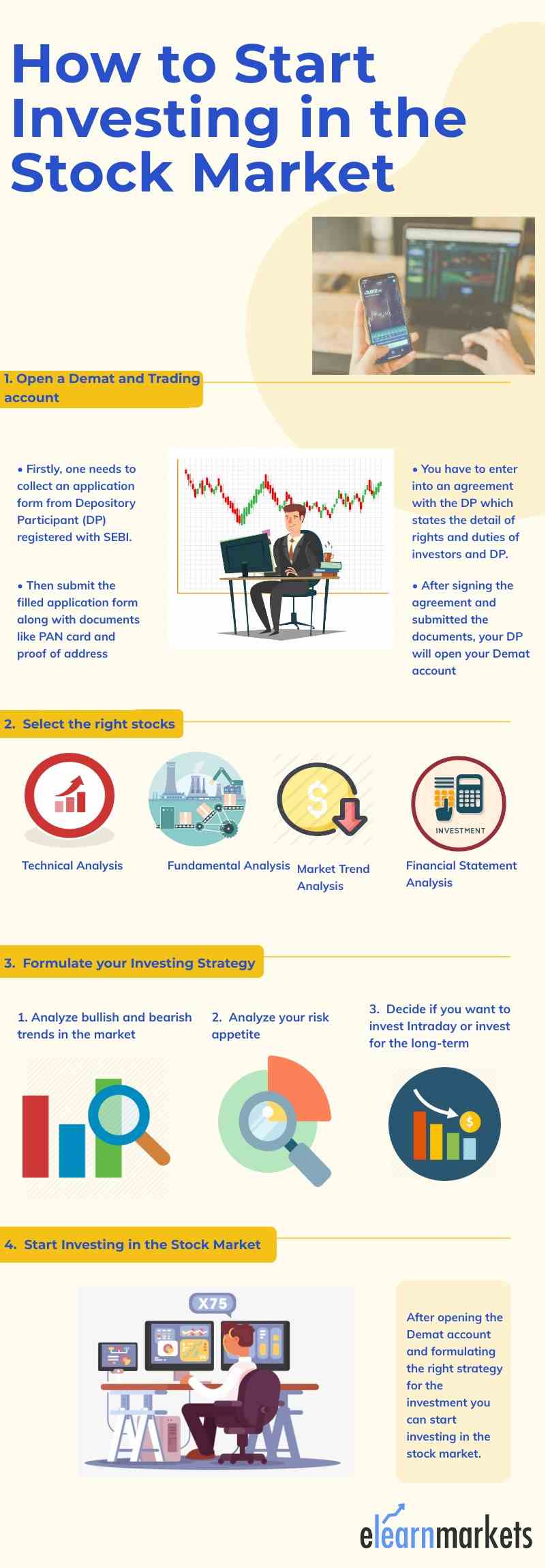
Opening a Brokerage Account
Once you’ve decided on your account type (e.g., Roth IRA) and initial investment vehicle (e.g., an S&P 500 ETF), you’ll need to open an account with a reputable brokerage firm. Look for:
- Low or Zero Commissions: Many online brokers now offer commission-free trading for stocks and ETFs.
- User-Friendly Platform: Especially important for beginners, an intuitive interface makes managing your investments easier.
- Educational Resources: Look for brokers that offer articles, webinars, and tools to help you learn.
- Customer Service: Accessible and helpful support is invaluable when you have questions.
Popular choices include Fidelity, Charles Schwab, Vanguard, and E*TRADE. The application process is typically online and requires personal information, bank account details for funding, and tax forms.
Placing Your First Trade
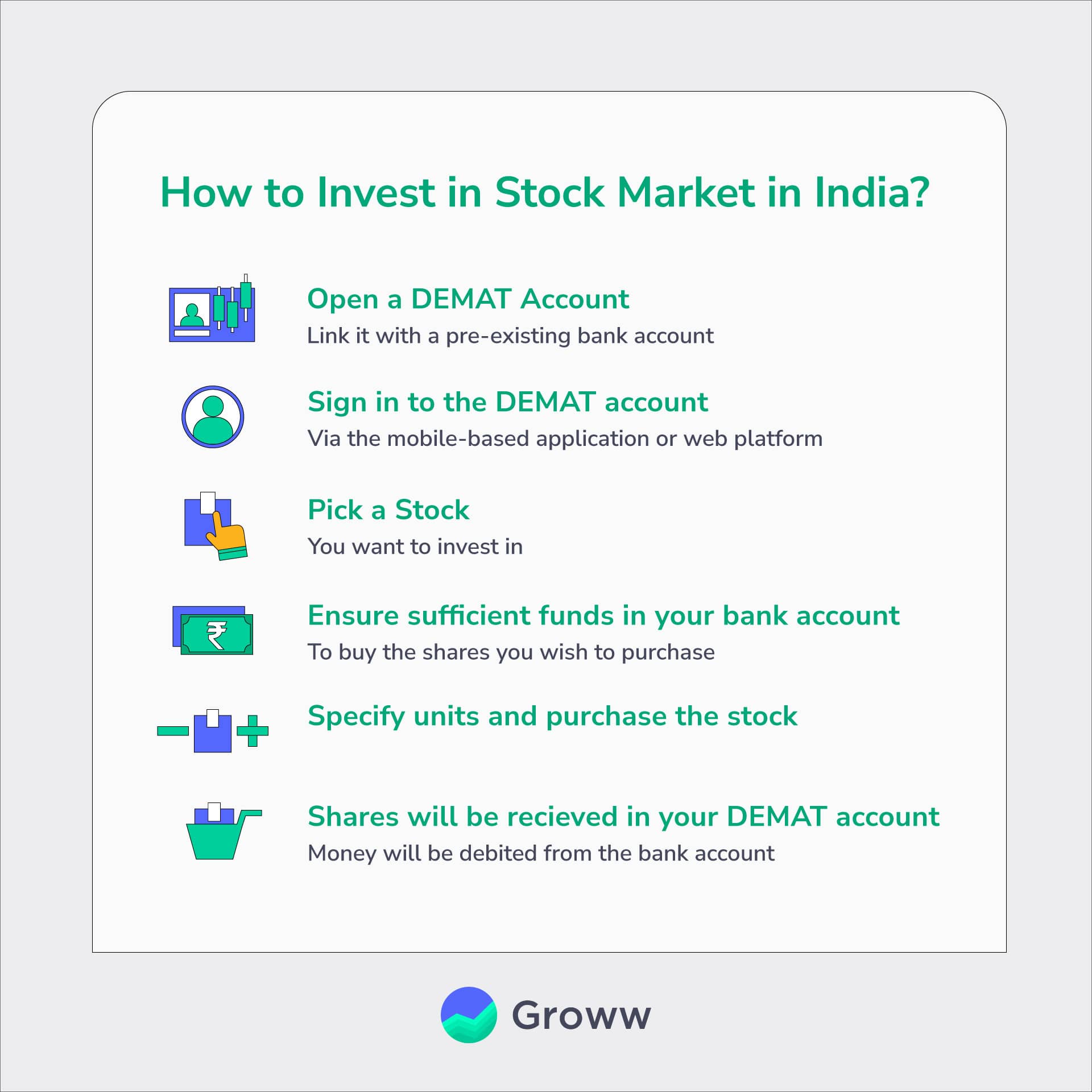
After funding your account, you’re ready to buy your first investment. This process usually involves:
- Searching for the ticker symbol: Every publicly traded stock or ETF has a unique ticker symbol (e.g., SPY for an S&P 500 ETF).
- Entering the quantity: Decide how many shares or what dollar amount you want to invest.
- Choosing order type:
- Market Order: Buys or sells at the best available current price. Quick, but the price might fluctuate slightly from what you see.
- Limit Order: Allows you to specify the maximum price you’re willing to pay (or minimum price you’re willing to sell for). Your order will only execute if the market price reaches your specified limit. For beginners, a market order is often sufficient for highly liquid ETFs, but a limit order can provide more control.
Start small, understand the process, and don’t be afraid to use practice accounts (often called “paper trading”) if your broker offers them, before committing real money.
The Power of Dollar-Cost Averaging
One of the most effective strategies for beginners is dollar-cost averaging (DCA). Instead of trying to time the market (which is notoriously difficult, even for professionals), DCA involves investing a fixed amount of money at regular intervals (e.g., $100 every month), regardless of whether the market is up or down. When prices are high, your fixed amount buys fewer shares; when prices are low, it buys more shares. Over time, this strategy averages out your purchase price, reduces the impact of market volatility, and fosters a disciplined investing habit.
Essential Strategies for Long-Term Success
Investing in the stock market is a marathon, not a sprint. Sustained success hinges on adopting sound long-term strategies and maintaining discipline through various market cycles.
Diversification: Your Best Defense
We touched upon diversification earlier, but its importance cannot be overstated. Beyond just investing in an ETF rather than a single stock, true diversification means spreading your investments across:
- Asset Classes: Stocks, bonds, real estate, commodities.
- Industries: Technology, healthcare, consumer goods, energy.
- Geographies: Domestic, international developed markets, emerging markets.
- Company Sizes: Large-cap, mid-cap, small-cap companies.
This strategy minimizes the impact of a poor performance in any single investment, industry, or region on your overall portfolio. Rebalancing your portfolio periodically ensures that your asset allocation remains consistent with your risk tolerance and goals.
Reinvesting Dividends
Many companies distribute a portion of their profits to shareholders as dividends. For long-term investors, reinvesting these dividends can significantly accelerate wealth accumulation through the power of compounding. When you choose to reinvest dividends, the money is automatically used to buy more shares of the same stock or ETF, leading to exponential growth over time. Most brokerage accounts offer the option to automatically reinvest dividends, simplifying the process.
Continuous Learning and Monitoring
The financial world is dynamic. While a set-it-and-forget-it approach can work for passive index investors, it’s still crucial to stay informed about broad economic trends, market shifts, and changes in your investment thesis (if you hold individual stocks). This doesn’t mean obsessively checking your portfolio daily, but rather dedicating time regularly to review your investments, read reputable financial news, and deepen your understanding of investing principles. Avoid letting emotions dictate your actions during market downturns or surges; stick to your long-term plan.
The Importance of a Long-Term Perspective
Perhaps the most critical mindset for stock market success is adopting a long-term perspective. The stock market is prone to short-term volatility, experiencing periods of significant gains and painful losses. However, over decades, the market has historically trended upwards, rewarding patient investors. Trying to predict and time these short-term fluctuations is a fool’s errand. Instead, focus on “time in the market” rather than “timing the market.” By investing consistently over many years, you give your money the opportunity to grow significantly, leveraging the power of compounding and riding out temporary downturns.
Common Pitfalls to Avoid
As you navigate your investment journey, be aware of common traps that can derail even the most well-intentioned plans. Recognizing and actively avoiding these pitfalls is just as crucial as implementing sound strategies.
Chasing Hot Stocks
The allure of quick riches from the “next big thing” can be incredibly strong. However, investing based on hype, social media trends, or speculative tips without fundamental research is a recipe for disaster. By the time a stock is widely considered “hot,” much of its potential growth may already be priced in, or it might be an overvalued bubble ready to burst. Focus on solid, well-researched investments that align with your long-term strategy, rather than chasing fads.
Emotional Decision-Making
Fear and greed are powerful emotions that can lead investors astray. During market downturns, fear can compel investors to sell their holdings at a loss, locking in those losses and missing out on subsequent recoveries. Conversely, greed can lead to over-speculation, buying into overvalued assets, or taking on excessive risk during boom times. Successful investing requires a disciplined, rational approach. Develop an investment plan and stick to it, regardless of short-term market noise.
Ignoring Fees and Taxes
Every dollar lost to fees or taxes is a dollar that cannot compound for you. High expense ratios in mutual funds, frequent trading commissions (though less common now), and capital gains taxes can significantly erode your long-term returns. When choosing investment products, always pay attention to expense ratios and trading fees. Furthermore, understand the tax implications of your investment accounts and strategies. Utilizing tax-advantaged accounts like IRAs can help minimize your tax burden and maximize your net returns over time.
Lack of Diversification
As emphasized before, putting all your eggs in one basket is a perilous strategy. Whether it’s investing solely in your employer’s stock, putting all your money into a single sector, or only buying U.S. equities, a lack of diversification exposes your portfolio to unnecessary risk. A downturn in one company or industry can wipe out a significant portion of your wealth. Ensure your portfolio is spread across various asset classes, industries, and geographies to mitigate specific risks.
Conclusion
Getting started with stock market investing is a transformative step towards securing your financial future. While the journey may appear complex initially, by understanding the fundamentals, meticulously preparing your finances, choosing appropriate investment vehicles, and adhering to time-tested strategies like dollar-cost averaging and diversification, you can build a resilient portfolio. Remember to define clear goals, assess your risk tolerance, build an emergency fund, and always maintain a long-term perspective. By avoiding common pitfalls and committing to continuous learning, you’ll not only navigate the stock market successfully but also harness its incredible power to achieve financial independence and prosperity. The best time to start investing was yesterday; the next best time is today.
aViewFromTheCave is a participant in the Amazon Services LLC Associates Program, an affiliate advertising program designed to provide a means for sites to earn advertising fees by advertising and linking to Amazon.com. Amazon, the Amazon logo, AmazonSupply, and the AmazonSupply logo are trademarks of Amazon.com, Inc. or its affiliates. As an Amazon Associate we earn affiliate commissions from qualifying purchases.