
For many, the world of stock market investing conjures images of Wall Street titans, complex financial jargon, and massive capital reserves. The prevailing myth is that you need a significant lump sum to even begin, let alone make a meaningful impact. This perception often deters aspiring investors, relegating stock market participation to a distant, unattainable goal. However, this couldn’t be further from the truth in today’s financial landscape. The digital revolution, coupled with evolving investment platforms and financial products, has democratized access to the stock market, making it remarkably accessible even for those starting with very modest sums. Investing with little money isn’t just possible; it’s a powerful strategy for building wealth over time, provided you approach it with the right knowledge and mindset. This article will dismantle the barriers to entry, illuminate modern strategies, and guide you through the practical steps to begin your investing journey, regardless of the size of your initial capital. We’ll explore how small, consistent contributions can harness the formidable power of compound interest, how technology has leveled the playing field, and what essential considerations you must make before diving in. Forget the outdated notions of high minimums and exclusive access; the stock market is now within reach for everyone, and starting with “little money” is often the smartest first step.
Dispelling the Myth: Investing Isn’t Just for the Rich
The notion that stock market investing is an exclusive club for the wealthy is an outdated relic of a bygone era. Historically, high brokerage fees, minimum investment thresholds, and a general lack of information did indeed create significant barriers. However, the financial industry has undergone a dramatic transformation, driven by technology and a push for greater accessibility. Today, the landscape is entirely different, offering numerous avenues for individuals to begin investing with sums that would have been unimaginable just a decade or two ago. This fundamental shift means that personal finance planning, which once seemed to bifurcate into saving for the masses and investing for the elite, now merges into a unified path where even small savings can be actively put to work in the market. Understanding this new reality is the first crucial step in empowering yourself to take control of your financial future.
The Power of Compounding, Even with Small Amounts
One of the most profound principles in finance, and the cornerstone of successful long-term investing, is the power of compound interest. Often called the “eighth wonder of the world,” compounding allows your initial investment to generate earnings, and then those earnings themselves generate earnings, creating an accelerating snowball effect. The magic of compounding doesn’t require massive initial capital; it thrives on time and consistency. Even small, regular contributions can grow into substantial wealth over decades. For instance, consistently investing just $50 per month into an account earning an average annual return of 7% could accumulate to over $50,000 in 30 years. The key takeaway here is that time is your greatest ally when you’re investing small amounts. The earlier you start, the more time your money has to compound, and the less you need to contribute overall to reach your financial goals. This perspective shifts the focus from the size of the initial investment to the duration and regularity of contributions.
Accessibility in Modern Investing: Low Minimums and Fee Structures
The democratization of investing has largely been fueled by the rise of online brokerages, fintech innovations, and a highly competitive market that has driven down costs. Many reputable online brokers now offer accounts with no minimum deposit requirements, allowing you to start with as little as $5 or $10. Furthermore, the industry has seen a widespread elimination of trading commissions for stocks and ETFs, making it significantly cheaper to buy and sell securities. This low-cost environment removes a major hurdle for new investors, ensuring that a larger percentage of your small investment goes directly into assets rather than being eroded by fees. Beyond traditional brokers, micro-investing apps have emerged, designed specifically for individuals who want to invest spare change or very small, regular amounts, further lowering the barrier to entry and simplifying the process for beginners. These platforms are engineered to make investing as effortless and unintimidating as possible.
Essential Steps Before You Invest Your First Dollar
Before you even consider which stocks or platforms to use, it’s paramount to lay a solid financial foundation. Jumping into the stock market without adequate preparation can lead to unnecessary stress, poor decision-making, and even financial setbacks. Investing, regardless of the amount, should always be part of a broader, well-thought-out financial plan. These foundational steps ensure that your foray into investing is sustainable, responsible, and aligned with your overall financial well-being, protecting you from common pitfalls that often trip up eager but unprepared investors. Neglecting these prerequisites is akin to building a house without a strong foundation – it might stand for a while, but it’s vulnerable to collapse under pressure.
Budgeting and Emergency Funds: Your Financial Foundation
The absolute first step is to establish a robust personal budget and build an emergency fund. A budget helps you understand where your money is going, identify areas where you can cut expenses, and free up funds for investing. Without a clear picture of your income and expenditures, it’s impossible to consistently save and invest. Simultaneously, an emergency fund is non-negotiable. This is a dedicated savings account, separate from your investing capital, that holds three to six months’ worth of living expenses. Its purpose is to cover unforeseen financial shocks—like job loss, medical emergencies, or unexpected home repairs—without forcing you to sell your investments at an inopportune time. Dipping into your investments during a market downturn because you lack an emergency fund can decimate your portfolio and undermine your long-term goals. Therefore, prioritize building this financial safety net before allocating any money to the stock market.
Define Your Investment Goals and Risk Tolerance
Once your financial foundation is secure, it’s time to define your investment goals. Are you saving for a down payment on a house, retirement, your child’s education, or simply long-term wealth accumulation? Each goal may have a different timeline and, consequently, a different risk profile. A shorter-term goal might necessitate a more conservative approach, while a longer-term goal allows for greater risk, as there’s more time to recover from market fluctuations. Hand-in-hand with your goals is understanding your personal risk tolerance. How comfortable are you with the idea of your investment value fluctuating, potentially even dropping significantly in the short term? An honest assessment of your emotional capacity to handle market volatility is crucial. Investing in assets that cause you sleepless nights is counterproductive. Your investment strategy should align with both your goals and your comfort level with risk.
Educate Yourself: The Investor’s Best Tool
The stock market can seem complex, but continuous education is your most powerful tool. Before investing, take the time to learn the basics: what stocks are, how the market works, common investment terms (e.g., dividends, ETFs, mutual funds), and the difference between various asset classes. There’s a wealth of free resources available, from reputable financial websites and blogs to educational courses and books. Understanding the fundamentals will not only empower you to make informed decisions but also help you avoid common beginner mistakes, such as chasing “hot” stocks or reacting impulsively to market news. Remember, investing is a marathon, not a sprint, and continuous learning will serve you throughout your financial journey. Don’t feel pressured to know everything before you start, but commit to a path of ongoing education.
Strategies for Investing Small Amounts in Stocks
With a solid financial foundation and a basic understanding of investing principles, you’re ready to explore practical strategies specifically designed for individuals investing with little money. The good news is that modern financial products and approaches make it incredibly efficient to put small sums to work, allowing you to build a diversified portfolio even without a large initial capital. These strategies leverage innovations in financial technology and timeless investment principles to ensure that your modest contributions are both impactful and well-managed. They transform what was once a barrier—the lack of substantial funds—into an opportunity for gradual, consistent wealth building.
Fractional Shares: Owning a Piece of the Pie
One of the most significant innovations for small investors is the advent of fractional shares. Traditionally, to invest in a company like Amazon or Google, you would need to buy at least one full share, which could cost hundreds or even thousands of dollars. Fractional shares allow you to buy parts of a share, meaning you can invest a specific dollar amount (e.g., $50) into a company, regardless of its share price. If a company’s share costs $1000, and you invest $100, you’ll own 0.1 of that share. This capability fundamentally breaks down the barrier of high individual share prices, enabling you to build a diversified portfolio of high-quality companies with very little money. Many popular brokerage apps and platforms now offer fractional share investing, making it easier than ever to own a slice of your favorite companies without a large upfront investment.
ETFs and Mutual Funds: Diversification on a Budget
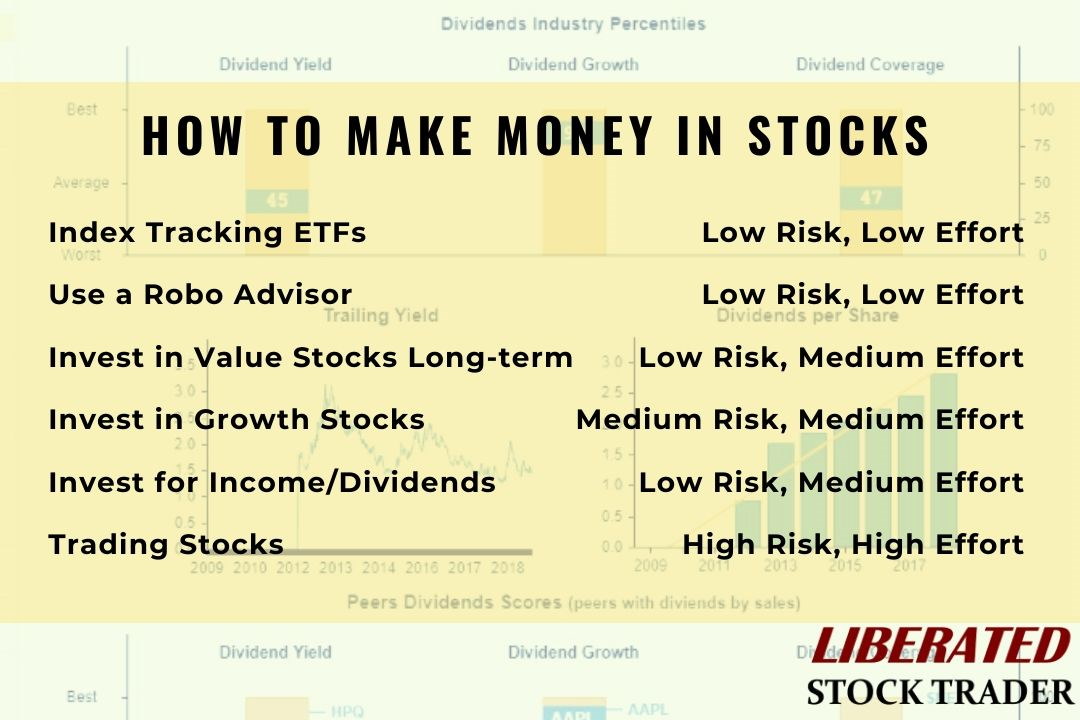
While fractional shares allow you to buy into individual companies, Exchange Traded Funds (ETFs) and mutual funds offer instant diversification, which is critical for mitigating risk. Instead of buying individual stocks, you buy a single share of an ETF or mutual fund, which then gives you ownership in a basket of hundreds or even thousands of underlying stocks. For example, an S&P 500 ETF tracks the performance of the 500 largest U.S. companies. Investing in such an ETF with just $50 gives you exposure to all these companies, effectively diversifying your risk across a broad market sector. Many ETFs can be bought commission-free and often have low expense ratios (annual fees), making them an incredibly cost-effective way to build a diversified portfolio with small amounts of money. Mutual funds also offer diversification but are typically actively managed and may have higher fees and minimum investment requirements, though some offer low or no minimums for certain share classes.
Robo-Advisors: Automated Investing for Beginners
For those who prefer a hands-off approach or feel overwhelmed by investment choices, robo-advisors are an excellent solution. These digital platforms use algorithms to create and manage a diversified portfolio for you, based on your financial goals, risk tolerance, and time horizon. You simply answer a few questions about your financial situation, and the robo-advisor constructs a portfolio, typically comprising a mix of low-cost ETFs. They also automatically rebalance your portfolio to maintain your desired asset allocation and often reinvest dividends. Robo-advisors typically have very low minimum investment requirements (some as low as $0 or $100) and charge significantly lower fees than traditional financial advisors. This automated approach is ideal for beginners looking to invest small amounts consistently without needing deep market knowledge or constant monitoring.
Dollar-Cost Averaging: Consistency is Key
Dollar-cost averaging (DCA) is a disciplined investment strategy particularly effective when you’re investing small amounts regularly. Instead of trying to time the market by making large, infrequent investments, DCA involves investing a fixed amount of money at regular intervals (e.g., $50 every two weeks) regardless of market conditions. When stock prices are high, your fixed dollar amount buys fewer shares; when prices are low, it buys more shares. Over time, this strategy helps average out your purchase price, reducing the risk associated with investing a lump sum at a market peak. DCA removes emotion from investing, encourages consistent savings, and is a powerful way to build wealth incrementally. It aligns perfectly with the goal of investing “little money” consistently over the long term.
Choosing the Right Investment Platform
Selecting the appropriate investment platform is a crucial decision that can significantly impact your investing experience, especially when starting with limited funds. The right platform should align with your investment style, offer the products you need, and provide a user-friendly experience without excessive costs. The proliferation of online brokers and fintech apps means you have more choices than ever, each with its own advantages and disadvantages. Understanding the nuances of these platforms will help you make an informed decision that supports your specific financial goals and budget.
Brokerage Accounts: Traditional vs. Discount Brokers
Brokerage accounts are the most common way to invest in stocks. They come in two main flavors:
- Traditional (Full-Service) Brokers: These typically offer comprehensive financial planning, personalized advice, and a wide range of investment products. However, they often have higher fees, minimum investment requirements, and may not be ideal if you’re starting with little money and prefer a DIY approach.
- Discount Brokers (Online Brokers): These platforms provide tools and access to the market at a much lower cost, often with commission-free trading for stocks and ETFs. They are self-directed, meaning you make your own investment decisions. Examples include Charles Schwab, Fidelity, Vanguard, and E*TRADE. Many discount brokers now offer fractional shares and low or no minimum deposits, making them excellent choices for small investors. They provide a robust suite of research tools, educational content, and a wide selection of investment vehicles suitable for various strategies.
Micro-Investing Apps: Investing from Your Pocket
Micro-investing apps are designed to make investing incredibly easy and accessible, particularly for beginners or those who want to invest very small amounts regularly. Apps like Acorns, Stash, and Robinhood often allow you to invest spare change (by rounding up everyday purchases) or make small recurring deposits.
- Acorns: Automatically invests your spare change into diversified portfolios of ETFs based on your risk tolerance.
- Stash: Offers fractional shares and curated investment options based on your interests and values, with guided portfolios.
- Robinhood: Known for pioneering commission-free trading and offering a very user-friendly interface, though it’s geared more towards self-directed investing in individual stocks and ETFs, including fractional shares.
These apps typically have low monthly fees (often a few dollars), but these fees can represent a significant percentage of your small balance, so it’s essential to compare them to potential returns and the fees of traditional discount brokers as your balance grows.
Understanding Fees and Commissions
When choosing a platform, thoroughly investigate its fee structure. While many brokers now offer commission-free trading for stocks and ETFs, other fees can still apply:
- Expense Ratios: These are annual fees charged by ETFs and mutual funds, expressed as a percentage of your investment. Look for funds with low expense ratios (e.g., 0.03% to 0.20%).
- Account Maintenance Fees: Some brokers charge a fee for maintaining an account, especially if your balance falls below a certain threshold.
- Transfer Fees: If you decide to move your account to another broker, there might be fees involved.
- Advisory Fees: Robo-advisors charge a small percentage of your assets under management (e.g., 0.25% to 0.50% annually).
For small investors, even seemingly minor fees can significantly erode returns. Always prioritize platforms with transparent, low-cost structures to ensure that more of your money is working for you.
Advanced Tips for Growing Your Small Investment
Starting with little money is an excellent first step, but the journey doesn’t end there. To truly maximize the potential of your small investments and build substantial wealth over time, you need to adopt a long-term perspective and employ strategic practices that foster continuous growth. These advanced tips focus on leveraging the inherent advantages of consistent, disciplined investing and adapting your approach as your portfolio matures. They emphasize sustainability and efficiency, ensuring that every dollar you invest works as hard as possible for your financial future.
Reinvesting Dividends: Accelerating Growth
Many companies pay out a portion of their profits to shareholders in the form of dividends. When you’re investing with little money, dividend reinvestment can be an incredibly powerful tool for accelerating your portfolio’s growth. Instead of receiving dividends as cash, you can opt to automatically reinvest them to buy more shares or fractional shares of the same stock or ETF. This process amplifies the effect of compounding, as both your initial investment and the dividends it generates are continually put back to work, generating even more returns. Over long periods, dividend reinvestment programs (DRIPs) can significantly boost your total returns, transforming small, consistent contributions into a rapidly expanding asset base without requiring additional active capital input.
Continual Learning and Portfolio Adjustments
The financial markets are dynamic, and your personal financial situation will also evolve over time. Therefore, continuous learning and periodic portfolio adjustments are essential. Stay informed about market trends, economic indicators, and new investment opportunities. While you shouldn’t react to every news headline, understanding the broader financial environment will help you make more informed strategic decisions. Periodically review your portfolio (e.g., annually) to ensure it still aligns with your financial goals, risk tolerance, and time horizon. As your portfolio grows and your life circumstances change (e.g., marriage, new job, approaching retirement), you may need to adjust your asset allocation to become more aggressive or more conservative. This doesn’t mean constant trading; rather, it implies thoughtful, strategic rebalancing to keep your investments on track.

The Importance of Long-Term Perspective
Perhaps the most crucial “advanced tip” for anyone investing with little money is to embrace a long-term perspective. The stock market experiences ups and downs, and short-term volatility is a given. Attempting to time the market or panicking during downturns can be detrimental to your wealth-building efforts. History has shown that over the long run (10+ years), the stock market has consistently delivered positive returns, outperforming most other asset classes. By focusing on your long-term goals, maintaining a disciplined investment strategy (like dollar-cost averaging), and resisting the urge to make emotional decisions, you give your small investments the time they need to compound and grow significantly. Patience, persistence, and unwavering commitment to your financial plan are the ultimate determinants of success when investing with little money.
In conclusion, the idea that investing is only for the wealthy is a myth that has been thoroughly debunked by modern financial tools and strategies. With fractional shares, low-cost ETFs, robo-advisors, and commission-free trading, anyone can start buying stocks with very little money. The key is to begin with a strong financial foundation (budget, emergency fund), define clear goals, educate yourself, and then consistently apply disciplined strategies like dollar-cost averaging and dividend reinvestment. The power of compounding, amplified over time, ensures that even modest, regular contributions can evolve into substantial wealth. By taking a professional, insightful, and engaging approach to your financial journey, understanding the available resources, and maintaining a long-term perspective, you can confidently navigate the stock market and build a secure financial future, one small investment at a time.
aViewFromTheCave is a participant in the Amazon Services LLC Associates Program, an affiliate advertising program designed to provide a means for sites to earn advertising fees by advertising and linking to Amazon.com. Amazon, the Amazon logo, AmazonSupply, and the AmazonSupply logo are trademarks of Amazon.com, Inc. or its affiliates. As an Amazon Associate we earn affiliate commissions from qualifying purchases.