
The stock market, often perceived as a complex and exclusive domain, is in reality an accessible avenue for wealth creation for anyone willing to learn its principles. For many, the idea of investing can be daunting, filled with jargon and the fear of making costly mistakes. However, with the right knowledge, a clear strategy, and a disciplined approach, embarking on your investment journey can be one of the most empowering financial decisions you make. This comprehensive guide is designed to demystify the process, providing a step-by-step roadmap for absolute beginners eager to dive into the world of stocks and potentially grow their financial future.
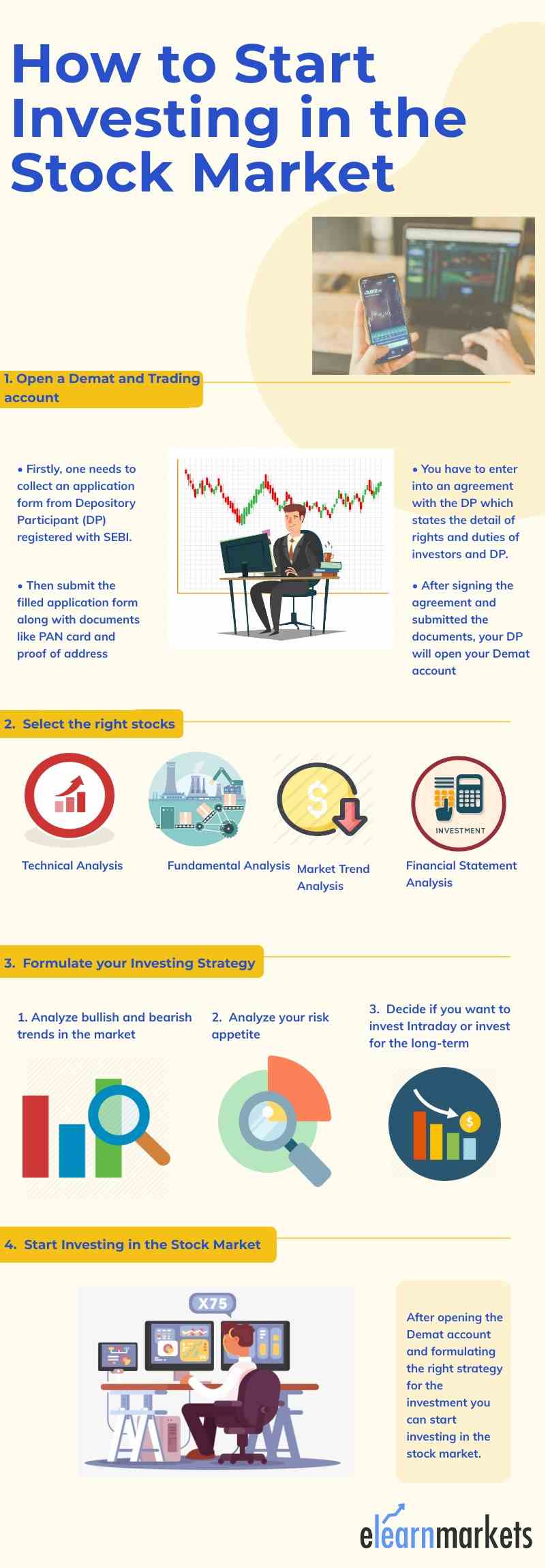
1. Understanding the Fundamentals Before You Invest
Before you commit any capital, it’s crucial to grasp the foundational concepts of the stock market. This initial understanding will equip you with the perspective needed to make informed decisions and navigate the market with greater confidence.
What Exactly is the Stock Market?
At its core, the stock market is a marketplace where shares of publicly traded companies are bought and sold. When you buy a stock, you’re purchasing a small piece of ownership in that company. Companies issue stocks to raise capital, which they then use to fund operations, expand, or develop new products. As an owner, albeit a tiny one, you have the potential to benefit if the company grows and its value increases, which typically drives up the price of its stock. The market facilitates these transactions, bringing together buyers and sellers, and determining prices based on supply and demand, company performance, economic outlook, and investor sentiment.
Why Invest in Stocks? (Potential Rewards)
Investing in stocks offers several compelling advantages for long-term wealth accumulation. Historically, the stock market has provided superior returns compared to other asset classes like bonds or savings accounts, especially over extended periods. This growth potential is often attributed to the power of compounding, where your earnings generate further earnings. Beyond capital appreciation (when your stock’s value increases), many stocks also pay dividends, which are distributions of a company’s earnings to its shareholders. Dividends can provide a steady stream of income or be reinvested to further accelerate growth. Investing allows your money to work for you, potentially outpacing inflation and helping you achieve significant financial milestones like retirement, a down payment on a house, or funding education.
Understanding the Risks Involved
While the allure of high returns is strong, it’s equally important to acknowledge and understand the inherent risks. Stock prices can be volatile, meaning they can fluctuate significantly over short periods due to market sentiment, company-specific news, economic data, or geopolitical events. There’s always the risk that the value of your investment could decrease, leading to a loss of capital. Companies can underperform, go bankrupt, or face unforeseen challenges, directly impacting their stock price. Furthermore, market-wide downturns, often referred to as bear markets, can affect even the strongest companies. Acknowledging these risks doesn’t mean shying away from investing, but rather approaching it with caution, proper risk management, and a long-term perspective.
2. Building Your Investment Foundation
With a basic understanding in place, the next step involves preparing your personal financial situation and mindset for investing. This foundation is critical for sustainable and responsible participation in the market.
Assess Your Financial Health
Before allocating funds to the stock market, ensure your personal finances are in order. This means having an emergency fund (typically 3-6 months of living expenses saved in an easily accessible account) to cover unexpected costs without having to sell investments prematurely. It also involves addressing high-interest debt, such as credit card balances. The returns from stock market investing, while potentially high, are not guaranteed and might not consistently outpace the interest accrued on such debts. A solid financial footing provides a safety net and prevents financial stress from influencing your investment decisions.
Define Your Investment Goals and Risk Tolerance
What are you investing for? Retirement? A down payment? A child’s education? Clear, specific goals will help you determine your investment horizon (how long you plan to invest) and the amount of risk you’re willing to take. Your risk tolerance is your psychological comfort level with potential losses. Someone with a high risk tolerance might be comfortable with more volatile stocks in pursuit of higher returns, while someone with a low risk tolerance might prefer more stable investments. Understanding your goals and risk tolerance is paramount as it dictates your investment strategy, asset allocation, and emotional response to market fluctuations. Be honest with yourself about how you would react to a significant downturn.
Research and Education: Your Most Powerful Tool
The best investors are perpetual learners. Before investing in any specific stock or fund, commit to thorough research. Read company financial reports (annual reports, quarterly earnings), understand their business model, competitive landscape, and management team. Familiarize yourself with basic financial metrics like P/E ratios, revenue growth, and debt levels. Beyond individual stocks, learn about different investment vehicles like mutual funds and Exchange Traded Funds (ETFs), which offer diversification. Utilize reputable financial news sources, educational websites, and books. The more you understand, the better equipped you’ll be to make sound decisions and avoid costly mistakes driven by emotion or hype.
3. Practical Steps to Your First Investment
Once you’ve built a solid foundation, you’re ready to take the practical steps toward making your first investment. This involves choosing the right tools and strategies.

Choosing the Right Brokerage Account
To buy and sell stocks, you’ll need a brokerage account. These accounts are offered by various financial institutions, often called online brokers. When choosing one, consider factors like:
- Fees: Look for brokers with low or zero commission fees for stock and ETF trades.
- Minimums: Some brokers require a minimum deposit to open an account, though many now offer accounts with no minimums.
- Tools and Resources: Does the platform offer robust research tools, educational content, and analytical features that match your needs?
- Customer Service: Is reliable customer support available when you need it?
- Account Types: Decide between a taxable brokerage account or a tax-advantaged retirement account like an IRA (Individual Retirement Account) or Roth IRA. For beginners, an IRA is often an excellent starting point due to its tax benefits.
Deciding On Your Investment Strategy (Active vs. Passive)
Before placing trades, determine your preferred investment strategy:
- Passive Investing: This involves buying and holding investments for the long term, often using diversified funds like index funds or ETFs that track a specific market index (e.g., S&P 500). The goal is to match market returns rather than beat them, relying on the overall growth of the economy. This strategy typically involves lower fees and less active management, making it ideal for beginners.
- Active Investing: This strategy involves more frequent buying and selling of individual stocks or actively managed funds, with the goal of outperforming the market. This requires significant time, research, and a deeper understanding of market dynamics, and carries higher risk. For beginners, starting with a passive approach is generally recommended.
Diversification: The Golden Rule of Investing
“Don’t put all your eggs in one basket” is particularly true for investing. Diversification means spreading your investments across various assets, industries, and geographies to reduce risk. If one investment performs poorly, others may perform well, cushioning the impact on your overall portfolio. Instead of buying just one or two individual stocks, consider investing in a broad market index fund or ETF. These funds hold hundreds or even thousands of different stocks, providing instant diversification with a single purchase. As you gain experience, you might diversify further by adding different asset classes like bonds or real estate.
Placing Your First Trade
Once your account is set up and funded, and you’ve chosen your initial investments (e.g., an S&P 500 ETF), you can place your first trade. Most online brokers have intuitive interfaces. You’ll typically search for the ticker symbol (a unique abbreviation for a stock or fund, e.g., SPY for an S&P 500 ETF), specify the number of shares or the dollar amount you wish to invest, and select the order type (market order or limit order). For beginners, a market order is usually sufficient for highly liquid ETFs, as it executes immediately at the current market price. Take your time, double-check your order details, and confirm the trade. Congratulations, you’ve made your first investment!
4. Long-Term Strategies and Mindset for Success
Investing is a marathon, not a sprint. Success in the stock market often hinges on a long-term perspective and disciplined habits.
Continuous Learning and Adaptation
The financial markets are dynamic, constantly influenced by economic shifts, technological advancements, and global events. Successful investors are those who commit to continuous learning. Stay updated with economic news, read analyses from reputable sources, and explore new investment strategies as your knowledge and experience grow. This doesn’t mean chasing every trend, but rather understanding the broader forces at play and adapting your strategy as necessary, always aligning with your long-term goals and risk tolerance.
Avoiding Common Pitfalls
Several emotional and behavioral biases can derail an investor’s progress. Avoid:
- Panic Selling: Reacting to market downturns by selling investments at a loss. Remember, downturns are often temporary and present opportunities for long-term investors.
- Chasing Hype: Investing in “hot” stocks or trends without proper research, often leading to buying high and selling low.
- Over-concentration: Putting too much money into a single stock or sector, neglecting diversification.
- Emotional Decisions: Letting fear or greed dictate your investment choices. Stick to your predefined strategy.
A disciplined, rational approach, often aided by automation, can help mitigate these pitfalls.
Automating Your Investments
One of the most effective strategies for long-term success is to automate your investments. Set up automatic transfers from your bank account to your brokerage account on a regular schedule (e.g., weekly, bi-weekly, or monthly). This practice, known as dollar-cost averaging, involves investing a fixed amount of money at regular intervals, regardless of market fluctuations. When prices are high, your fixed amount buys fewer shares; when prices are low, it buys more. Over time, this strategy helps to average out your purchase price, reduces the impact of market volatility, and removes emotional decision-making from the equation. It’s a powerful way to consistently build your portfolio without constant effort.
5. Beyond Your First Investment: Growth and Management
Your investment journey doesn’t end with your first trade. Ongoing monitoring and strategic adjustments are key to maximizing your returns and ensuring your portfolio remains aligned with your objectives.
Monitoring Your Portfolio
While you don’t need to check your portfolio daily, it’s wise to review it periodically – perhaps quarterly or semi-annually. This involves checking the performance of your investments, ensuring they still align with your goals and risk tolerance, and staying informed about any significant changes in the underlying companies or funds. For passive investors, monitoring might involve checking that your broad market funds are still tracking their respective indices effectively. For active investors, it means keeping a closer eye on individual company performance and market news. The goal isn’t to react impulsively to every fluctuation, but to ensure your long-term strategy remains sound.
Rebalancing Your Portfolio
Over time, different assets in your portfolio will grow at varying rates, potentially shifting your original asset allocation. For example, if stocks have performed exceptionally well, they might now constitute a larger percentage of your portfolio than you initially intended, increasing your overall risk. Rebalancing involves adjusting your portfolio back to your target asset allocation. This typically means selling some of your overperforming assets and buying more of your underperforming ones. Rebalancing helps maintain your desired risk level and ensures you’re not over-exposed to any single asset class. It’s a disciplined way to “buy low and sell high” in a systematic manner.
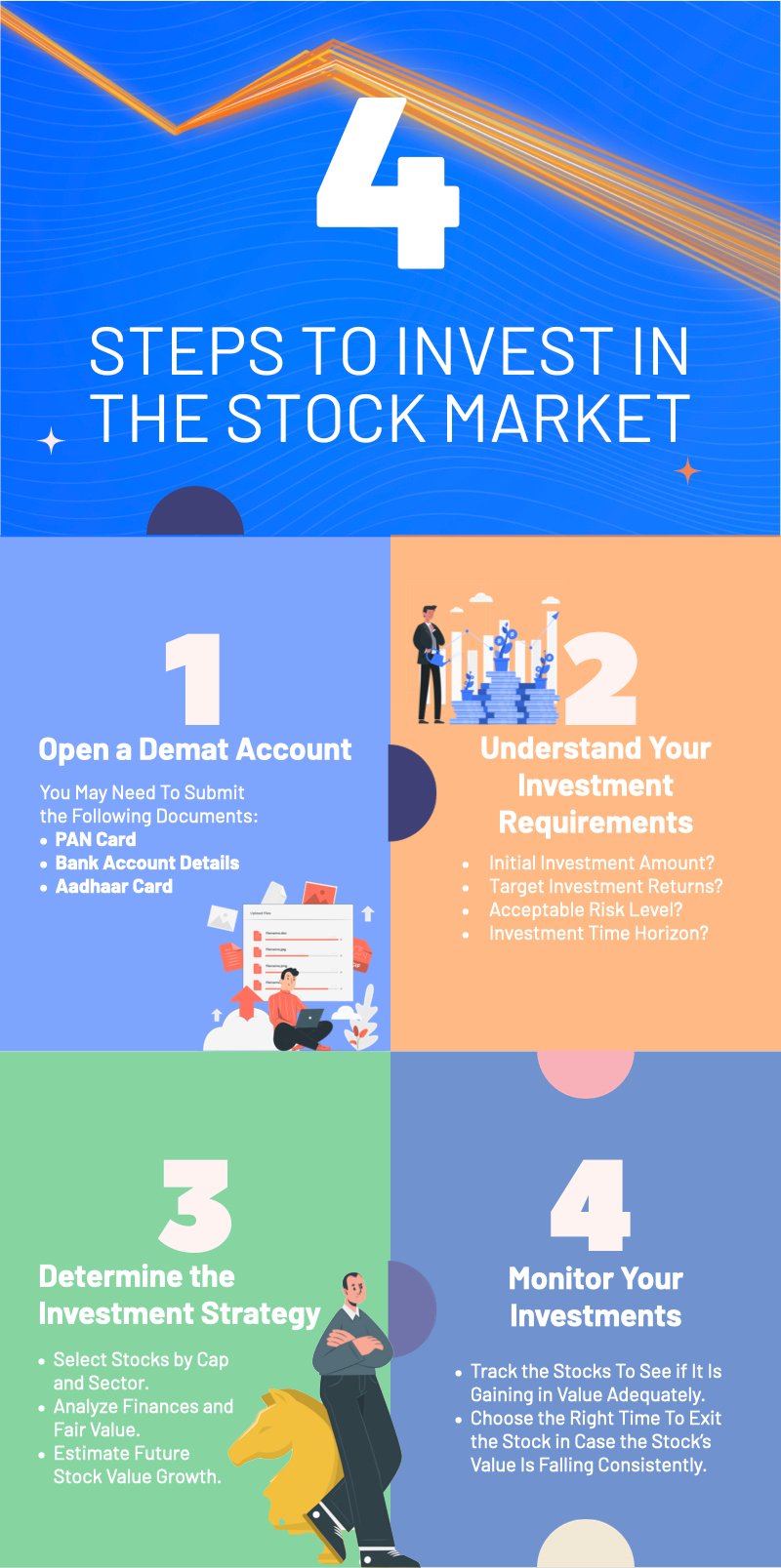
Tax Implications of Investing
Understanding the tax implications of your investments is crucial for optimizing your returns. Different types of accounts (taxable brokerage accounts, IRAs, Roth IRAs) have different tax treatments. Capital gains (profit from selling an investment) are taxed, and the rate depends on how long you held the investment (short-term vs. long-term). Dividends are also typically taxed. Learning about tax-loss harvesting (selling investments at a loss to offset capital gains or income) and the tax efficiency of various investment vehicles can help you maximize your after-tax returns. Consulting with a financial advisor or tax professional is highly recommended to navigate the complexities of investment taxation and ensure you’re making the most tax-efficient choices for your specific situation.
Conclusion:
Getting started in the stock market can seem overwhelming, but by breaking down the process into manageable steps, it becomes an achievable and rewarding endeavor. Begin by educating yourself on the fundamentals, establish a strong financial foundation, and define your clear investment goals. Choose a suitable brokerage, embrace the power of diversification, and adopt a long-term, disciplined mindset. Remember that investing is a journey of continuous learning and adaptation. With patience, persistence, and a commitment to rational decision-making, you can confidently embark on your path to financial growth and secure a more prosperous future. The best time to start investing was yesterday; the next best time is today.