
Business is a term we encounter daily, yet its full scope and profound implications are often overlooked. At its core, business is an organized effort and activity of individuals to produce and sell goods or services for a profit. It is the engine that drives economies, creates jobs, fosters innovation, and ultimately shapes the fabric of our societies. Far from being a mere transactional exchange, a business is a complex ecosystem involving capital, labor, resources, and strategic decision-making, all geared towards generating economic value and financial returns.
Understanding “what is business” requires delving beyond its surface definition to grasp its economic underpinnings, the diverse models it takes, its financial mechanisms, and its broader societal contributions. For anyone looking to navigate the modern economic landscape, whether as an entrepreneur, an investor, an employee, or a consumer, a comprehensive understanding of business is indispensable. It illuminates how wealth is created, how resources are allocated, and how value is delivered in an interconnected global marketplace.

The Fundamental Nature of Business: An Economic Perspective
To truly understand business, one must first appreciate its foundational role in economic theory and practice. It is the primary mechanism through which human needs and wants are met, and resources are efficiently allocated.
Defining Business: Beyond Simple Transactions
At its heart, a business is an entity engaged in commercial, industrial, or professional activities. While the goal of generating profit is central, it’s crucial to understand that profit is often a byproduct of creating value. Businesses identify a need or a problem in the market and devise solutions in the form of products or services. This value creation is what customers are willing to pay for, thereby generating revenue for the business. Without the exchange of value, there is no sustainable business. This definition extends beyond the simple buying and selling of goods to encompass the entire cycle of conception, production, distribution, and consumption, all orchestrated to achieve financial viability and growth.
The Core Pillars: Capital, Operations, and Revenue
Every business, regardless of its size or industry, rests upon three fundamental pillars:
- Capital: This refers to the financial resources required to start and operate a business. It includes initial investments (seed capital), working capital for day-to-day operations, and capital for expansion. Capital can come from various sources, such as personal savings, loans, venture capital, or public stock offerings. Effective capital management is critical for a business’s survival and growth, dictating its capacity to invest, innovate, and weather economic downturns.
- Operations: These are the activities involved in transforming inputs (raw materials, labor, technology) into outputs (products or services). Operations encompass production, logistics, marketing, sales, customer service, and administration. The efficiency and effectiveness of operations directly impact a business’s cost structure and its ability to deliver value profitably. Streamlined operations can reduce expenses, improve product quality, and enhance customer satisfaction, all contributing to better financial performance.
- Revenue: This is the income generated from the sale of goods or services. While revenue is a top-line figure, it’s the foundation upon which profitability is built. Businesses constantly seek to diversify and optimize their revenue streams, whether through increased sales volume, premium pricing, new product development, or subscription models. Understanding how revenue is generated and sustained is key to assessing a business’s economic health.
Risk and Reward: The Entrepreneurial Equation
The pursuit of profit through business inherently involves risk. Entrepreneurs and business owners invest their capital, time, and effort with the understanding that success is not guaranteed. Market shifts, competition, operational challenges, and economic downturns all pose potential threats to a business’s financial stability. However, with this risk comes the potential for significant reward. Successful businesses can generate substantial profits, create personal wealth for owners and shareholders, and provide economic security for their employees. This symbiotic relationship between calculated risk-taking and financial reward is a defining characteristic of entrepreneurship and a cornerstone of the capitalist system.
Diverse Models of Wealth Creation
The concept of business is incredibly versatile, manifesting in countless forms designed to generate income and create economic value. These diverse models illustrate the myriad ways individuals and organizations contribute to the economy.
Goods-Based Businesses: Manufacturing and Retail
This traditional category involves the production and sale of tangible products. Manufacturing businesses transform raw materials into finished goods, adding value at each stage of the production process. Key financial considerations include managing inventory, optimizing the cost of goods sold (COGS), and investing in plant and equipment. Retail businesses, on the other hand, focus on selling these goods directly to consumers. Their financial success hinges on sales volume, pricing strategies, supply chain efficiency, and inventory turnover. Both models require significant capital investment in physical assets and stock, making efficient financial management of inventory and logistics critical for profitability.
Service-Based Businesses: Expertise for Income
Service businesses provide intangible products, offering expertise, labor, or support rather than physical goods. Examples include consulting firms, legal practices, healthcare providers, and IT support services. The primary assets in these businesses are human capital and intellectual property. Financial considerations revolve around billing rates, labor costs, utilization rates of personnel, and client acquisition expenses. Profitability is often driven by the ability to leverage specialized skills, deliver high-quality outcomes, and build strong client relationships that ensure recurring revenue.
Digital & Online Businesses: Scalability and New Revenue Streams
The advent of the internet has revolutionized business models, giving rise to highly scalable digital and online enterprises. These include e-commerce platforms, software-as-a-service (SaaS) providers, content creation businesses, and online advertising networks. Key financial advantages often include lower overhead costs compared to brick-and-mortar operations, global reach, and the ability to scale rapidly. Revenue streams are diverse, encompassing subscription models, pay-per-use, advertising income, affiliate marketing, and direct online sales. Understanding digital analytics and online monetization strategies is paramount for financial success in this rapidly evolving sector.
Social Enterprises: Blending Profit with Purpose
A growing category, social enterprises operate with a dual mission: to achieve social or environmental impact alongside financial sustainability. While profit generation is still a goal—often reinvested to further their social mission—it is not the sole driving force. These businesses challenge the traditional view of profit maximization by integrating social value into their core operations. Financial models for social enterprises often involve a blend of earned income (from selling goods or services), grants, and impact investments. Their success is measured not only by financial returns but also by their quantifiable positive impact on society or the environment, demonstrating that financial viability can coexist with profound social purpose.
The Financial Engine: How Businesses Generate and Manage Money
At the heart of every business lies its financial engine—the intricate system of generating, managing, and allocating money to ensure its survival and growth. Without a robust financial framework, even the most innovative ideas or valuable services will falter.
Revenue Streams: The Lifeblood of an Enterprise
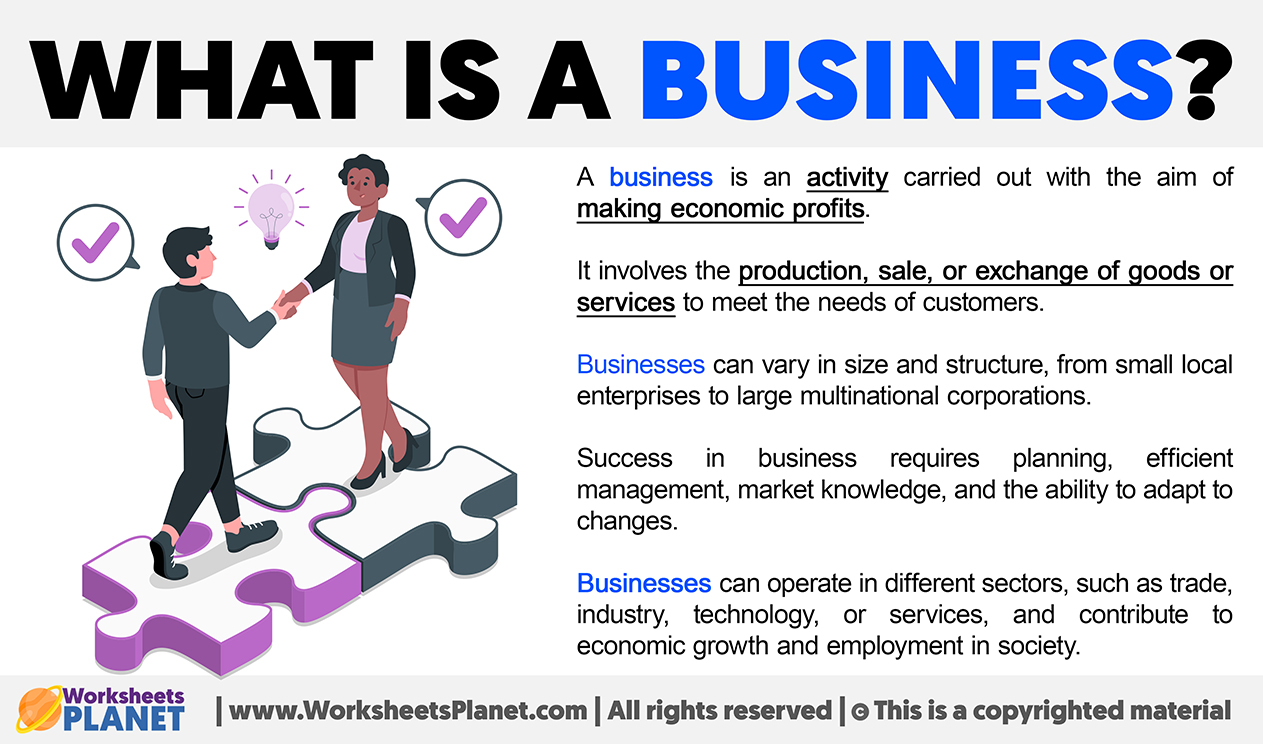
A business’s ability to generate revenue is its lifeblood. Revenue streams are the various ways a company earns money from the sale of products or services. Diversifying revenue streams can mitigate risk and enhance financial stability. Common revenue models include:
- Direct Sales: Selling products or services directly to customers (e-commerce, retail).
- Subscription Models: Recurring revenue from customers paying for continuous access to a service or product (Netflix, SaaS).
- Licensing: Earning royalties by allowing others to use intellectual property (software licenses, patents).
- Advertising: Generating income from displaying ads to users (social media, search engines).
- Transaction Fees: Earning a percentage or fixed fee from transactions facilitated (payment processors, marketplaces).
Understanding and optimizing these streams is crucial for maximizing income.
Cost Management: Optimizing for Profitability
While revenue is essential, intelligent cost management is equally critical for achieving profitability. Costs can be broadly categorized into:
- Fixed Costs: Expenses that do not change regardless of production volume (rent, salaries, insurance).
- Variable Costs: Expenses that fluctuate with the level of production or sales (raw materials, production labor, commissions).
Effective cost management involves identifying inefficiencies, negotiating better terms with suppliers, optimizing operational processes, and making strategic investment decisions. A lean and efficient cost structure allows a business to maximize its profit margins and remain competitive. Budgeting and forecasting are essential tools in this process, enabling businesses to plan expenditures and monitor financial performance against targets.
Profitability Metrics: Understanding Financial Health
To assess its financial health and performance, a business relies on various profitability metrics. These metrics provide insights into how efficiently a company is converting revenue into profit.
- Gross Profit: Revenue minus the cost of goods sold (COGS). It indicates how much money a company makes from its core product or service before considering operating expenses.
- Operating Profit (EBIT): Gross profit minus operating expenses (salaries, rent, marketing). This shows the profitability of a company’s core operations.
- Net Profit: The final profit remaining after all expenses, including taxes and interest, have been deducted from revenue. This is the ultimate measure of a company’s financial success.
- Profit Margins: Expressing profit as a percentage of revenue (e.g., Net Profit Margin = Net Profit / Revenue) allows for comparison across different periods or with competitors.
Understanding these metrics is vital for financial planning, investor relations, and strategic decision-making.
Funding a Business: From Bootstrapping to Venture Capital
Every business needs capital to start, operate, and grow. The sources and methods of funding can vary widely, each with its own financial implications:
- Bootstrapping: Using personal savings and initial revenues to fund operations. This preserves equity but limits rapid growth.
- Debt Financing: Borrowing money from banks or other lenders, which must be repaid with interest. This doesn’t dilute ownership but adds fixed financial obligations.
- Equity Financing: Selling a portion of ownership (equity) to investors in exchange for capital. This provides significant capital without repayment obligations but dilutes control and future profits for existing owners. Examples include angel investors, venture capital firms, and public stock offerings (IPOs).
The choice of funding impacts a business’s capital structure, risk profile, and potential for future financial returns.
The Broader Economic Impact of Business
Beyond individual financial gains, businesses play a monumental role in shaping economies and societies. Their cumulative actions drive progress, create opportunities, and contribute to the collective well-being.
Job Creation and Economic Growth
Businesses are the primary engines of job creation. As companies expand, they hire more people, providing income, benefits, and opportunities for professional development. This employment stimulates consumer spending, which in turn fuels further business growth, creating a virtuous cycle. The sum of all business activities—from production to sales—contributes to a nation’s Gross Domestic Product (GDP), which is a key indicator of economic health and growth. A vibrant business sector is synonymous with a thriving economy, offering prosperity and stability for its citizens.
Innovation and Value Creation
Businesses are at the forefront of innovation. They invest in research and development, seeking new technologies, processes, and products that can solve problems, improve efficiency, and enhance quality of life. From groundbreaking medical treatments to sophisticated software, and sustainable energy solutions, business innovation continually pushes the boundaries of what’s possible. This constant drive to create new and better value not only generates new markets and industries but also elevates living standards and addresses complex societal challenges, leading to long-term economic dividends.
Contribution to Society: Taxes and Community Investment
Successful businesses contribute significantly to public welfare through taxation. Corporate taxes, payroll taxes, and sales taxes fund essential public services such as infrastructure, education, healthcare, and national defense. Beyond direct financial contributions, many businesses engage in Corporate Social Responsibility (CSR) initiatives, investing in community development, environmental sustainability, and philanthropic endeavors. These actions demonstrate a commitment to being good corporate citizens, recognizing their role not just as economic entities but as integral parts of the communities they operate within, further amplifying their positive societal impact.
Navigating the Business Landscape: Key Financial Considerations
Operating a business successfully in today’s dynamic environment requires not only an understanding of its core functions but also acute financial foresight and adaptability.
Regulatory Compliance and Financial Governance
Businesses operate within a complex web of laws, regulations, and ethical standards. Financial governance involves adhering to accounting principles (e.g., GAAP, IFRS), tax laws, labor laws, and industry-specific regulations. Non-compliance can lead to severe financial penalties, reputational damage, and even business closure. Robust internal controls, transparent financial reporting, and regular audits are essential for maintaining financial integrity, building trust with stakeholders, and ensuring long-term sustainability. Good governance also plays a crucial role in attracting investors and securing favorable financing.
Financial Planning and Strategic Foresight
Long-term success in business is rarely accidental; it’s the result of meticulous financial planning and strategic foresight. This involves developing comprehensive budgets, creating financial forecasts, conducting scenario analysis, and setting clear financial goals. Strategic financial planning helps businesses allocate resources effectively, make informed investment decisions, manage cash flow, and prepare for future challenges and opportunities. It allows businesses to identify potential financial risks early on and develop contingency plans, ensuring resilience in an unpredictable market.
Adapting to Change: Market Dynamics and Financial Resilience
The business landscape is in constant flux, influenced by technological advancements, shifts in consumer behavior, geopolitical events, and economic cycles. Businesses must possess financial resilience—the ability to adapt their financial models and strategies in response to these changes. This might involve pivoting to new revenue streams, re-evaluating cost structures, divesting underperforming assets, or investing in new technologies. Companies that are agile and proactively adjust their financial strategies to market dynamics are better positioned to weather storms, seize new opportunities, and achieve sustained financial performance in an ever-evolving global economy.
In conclusion, “what is business” is a question that opens up a world of economic activity, financial strategy, and societal impact. It is a concept deeply intertwined with money—its generation, management, and ultimate purpose. From the smallest sole proprietorship to the largest multinational corporation, businesses are fundamental drivers of progress, prosperity, and innovation, constantly evolving to meet the demands of a dynamic world while striving for financial viability and growth.
aViewFromTheCave is a participant in the Amazon Services LLC Associates Program, an affiliate advertising program designed to provide a means for sites to earn advertising fees by advertising and linking to Amazon.com. Amazon, the Amazon logo, AmazonSupply, and the AmazonSupply logo are trademarks of Amazon.com, Inc. or its affiliates. As an Amazon Associate we earn affiliate commissions from qualifying purchases.