
Starting a finance company is an ambitious undertaking with significant potential for entrepreneurs skilled in navigating the complex financial landscape. Whether your vision involves wealth management, corporate advisory, or specialized lending, success hinges on meticulous planning, deep market understanding, and an unwavering commitment to compliance and client trust. This guide outlines the essential steps to launch and grow a successful financial enterprise within the robust ‘Money’ sector.
I. Laying the Foundation: Strategic Planning and Compliance
The bedrock of any finance company is a well-defined strategy and a stringent approach to regulatory compliance. Without these, even the most innovative financial concepts are likely to falter.

Defining Your Niche and Value Proposition
The financial sector is vast; therefore, identify a specific niche where your company can deliver superior value. Conduct thorough market research to pinpoint underserved segments, analyze competitors, and understand the unique financial pain points of your target clients. Whether it’s sustainable investing, specialized retirement planning, or FinTech advisory, a clear niche streamlines marketing and fosters deep expertise. Crucially, articulate a compelling value proposition that differentiates your services—be it innovative solutions, superior client service, or proprietary financial tools. This clarity will be your guiding star as you build your offerings.
Legal Structures and Regulatory Adherence
Choosing the correct legal entity—typically an LLC (Limited Liability Company) or Corporation for liability protection and scalability—is crucial. However, the most critical aspect is understanding and adhering to regulatory frameworks. Depending on your services (e.g., investment advice, lending, brokerage), you’ll interact with various regulatory bodies such as the SEC (Securities and Exchange Commission), FINRA (Financial Industry Regulatory Authority), state securities regulators, or the CFPB (Consumer Financial Protection Bureau). Strict compliance with licensing, capital adequacy, disclosure obligations, Anti-Money Laundering (AML), and Know Your Customer (KYC) procedures is non-negotiable. Non-adherence leads to severe penalties, necessitating the early designation of a dedicated compliance officer or consultant.
Crafting a Robust Business Plan
Your comprehensive business plan acts as a roadmap and a vital tool for attracting investors. It must include an Executive Summary, a detailed Company Description outlining your niche and services, and an in-depth Market Analysis that examines your target audience, competitors, and strategies for gaining market share. Crucially, it needs an Organization and Management section outlining your team and legal structure, a clear Service Lineup, a well-thought-out Marketing and Sales Strategy, and robust Financial Projections. These projections must detail startup costs, funding requirements, revenue forecasts, profit & loss statements, cash flow, and a break-even analysis for at least 3-5 years, embodying the core ‘Money’ aspects of your venture and demonstrating its financial viability.
II. Building Operations: Services, Technology, and Team
Translating your vision into tangible services and establishing a solid operational framework are the next critical steps to bringing your finance company to life.
Identifying Core Financial Services and Fee Structures
Begin with a focused set of services that align with your niche and leverage your team’s core competencies. For example, a wealth management firm might initially focus on comprehensive financial planning and investment management, while a corporate finance firm could specialize in capital raising or M&A advisory. Consider how these initial services can scale and evolve over time to meet growing client needs. Equally important is determining your transparent fee structure—whether it’s an hourly rate, flat fee, percentage of assets under management (AUM), performance fee, or a hybrid model. Understanding its impact on both profitability and client perception is key to sustainable revenue.
Essential Technology and Cybersecurity
Modern finance demands robust technology to enhance efficiency, security, and client experience. Invest in core systems such as Customer Relationship Management (CRM) for managing client interactions, accounting software for financial record-keeping, portfolio management systems (if applicable), and secure communication platforms. Cloud-based solutions often offer scalability and cost-effectiveness. Prioritize cybersecurity with multi-factor authentication, strong firewalls, data encryption, regular security audits, and a comprehensive data backup and disaster recovery plan. Adhering to data privacy regulations (e.g., GDPR, CCPA) is equally vital. Furthermore, a professional, secure, and user-friendly website will serve as your essential digital storefront and information hub.
Talent Acquisition and Developing a Strong Culture
Your team is your most valuable asset. Identify and recruit key roles early, such as financial advisors, investment analysts, compliance officers, and operations managers. Ensure candidates possess relevant certifications (e.g., CFP, CFA, Series licenses), proven experience, and an unblemished ethical compass; integrity is non-negotiable in finance. Foster a company culture built on transparency, continuous learning, collaboration, and unwavering client advocacy. Invest in ongoing training and professional development to keep your team at the forefront of market changes, new financial products, and evolving regulatory updates, ensuring they are always equipped to provide the best advice.
III. Funding and Financial Management: Fueling Your Growth
Strategic capital acquisition and prudent financial management are paramount for both the launch and sustained expansion of your finance company.
Securing Initial Capital
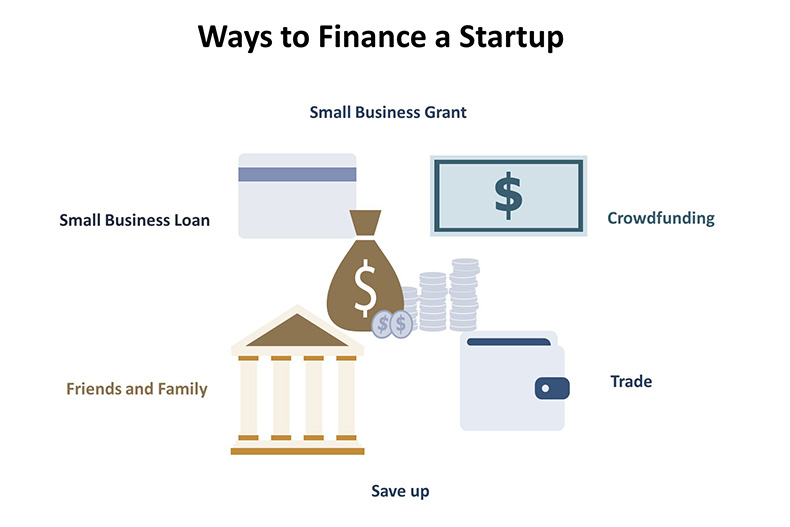
The capital required varies significantly based on your niche and regulatory demands, such as minimum capital reserves for certain licenses. Explore various funding avenues: self-funding through personal savings, capital from friends and family, traditional bank loans (potentially SBA-backed for small businesses), venture capital or angel investors for scalable FinTech models, or strategic partnerships that bring both capital and expertise. Crucially, ensure you maintain sufficient capital beyond startup costs to meet ongoing operational needs, fulfill regulatory requirements, and buffer against unforeseen market fluctuations—a fundamental aspect for any ‘Money’ business.
Financial Projections and Budgeting
Accurate and realistic financial projections are indispensable for both internal planning and attracting investors. Develop detailed revenue forecasts based on your fee structure, anticipated client acquisition rates, and average client value. Meticulously manage all operational expenses, from salaries and rent to technology subscriptions and marketing costs. Maintain diligent cash flow management, ensuring positive cash flow for day-to-day operations and growth. Implement robust budgeting processes, regularly reviewing and adjusting them against actual performance. Additionally, prepare “best-case,” “worst-case,” and “most-likely” financial scenarios for comprehensive risk preparation and strategic decision-making.
Robust Risk Management and Compliance
Effective risk management is an ongoing process vital for protecting your company, clients, and reputation in a volatile industry. Address various categories of risk, including operational (e.g., system failures, human error, fraud), market (e.g., economic downturns, interest rate changes), credit (if involved in lending activities), and particularly regulatory risks. Secure comprehensive insurance policies, including professional liability (Errors & Omissions) and cybersecurity coverage. Implement strong internal controls to prevent fraud, ensure accuracy of financial reporting, and safeguard client assets, maintaining continuous adherence to all legal and ethical standards to build and preserve trust.
IV. Client Engagement: Marketing, Trust, and Retention
Attracting and retaining clients is critical for success, requiring a sophisticated approach to marketing and relationship building within the financial sector.
Developing a Targeted Go-to-Market Strategy
Your marketing efforts must be strategic, professional, and precisely tailored to your specific niche. Utilize content marketing, such as blog posts, whitepapers, webinars, and market commentaries, to demonstrate expertise, educate your audience, and build thought leadership. Employ digital marketing channels like Search Engine Optimization (SEO), Search Engine Marketing (SEM), and professional social media platforms (e.g., LinkedIn) to enhance visibility and attract qualified leads. Actively participate in industry networking events, local business associations, and pursue public relations opportunities to position your experts as credible commentators on financial trends, thereby broadening your reach and strengthening your credibility.
Building Unwavering Trust and Credibility
In the financial sector, trust is paramount; it is the ultimate currency. Cultivate it through absolute transparency regarding your fee structures, investment methodologies, and any potential risks involved. Adhere to the highest ethical standards in every client interaction and business dealing. Empower clients through education, helping them understand their options, the rationale behind your advice, and the implications of their financial decisions. A consistently professional demeanor in all communication and presentation is essential. As your business grows and achieves success, leverage client testimonials and case studies (with appropriate permissions) to further solidify your reputation and demonstrate your impact.
Client Relationship Management and Retention
Acquiring new clients is costly; therefore, prioritizing the retention of existing ones is crucial for long-term profitability and sustainable growth. Deliver highly personalized service, tailoring advice and solutions to individual client needs, goals, and risk tolerances. Maintain regular, proactive communication to keep clients informed about their portfolios, market changes, and any relevant financial updates. Actively solicit and act on client feedback to continuously improve services and client experience. Ultimately, cultivate deep loyalty by fostering a true sense of partnership, consistently delivering value, and demonstrating an unwavering commitment to their long-term financial well-being.
V. Scaling and Sustaining: Future-Proofing Your Finance Company
Launching is merely the beginning; sustained success demands a forward-looking strategy for growth, adaptation, and long-term viability in the dynamic financial world.
Strategic Expansion of Service Offerings
As your company matures and your client base expands, thoughtfully consider and plan the expansion of your service portfolio. Explore adjacent services that complement your existing offerings, such as integrating estate planning, tax advisory, or specialized insurance solutions, potentially through strategic partnerships. Evaluate opportunities to enter new market niches or leverage technology to introduce innovative digital-first services, potentially venturing into specific FinTech areas. Consider geographic expansion by opening new offices or extending your digital reach to new regions, always ensuring alignment with your strategic vision and available resources for a controlled growth trajectory.
Adapting to Economic Shifts and Market Trends
The financial world is in constant flux, necessitating agility and responsiveness. Continuously monitor macroeconomic indicators, geopolitical events, and technological advancements (e.g., artificial intelligence in finance, blockchain applications), alongside evolving regulatory landscapes. Be prepared to adapt your strategies, service models, and even business structure in response to significant market shifts. Foster a culture of innovation to explore new financial instruments, investment strategies, or service delivery models that can give you a competitive edge. Diversify both your client base and, where appropriate, your investment strategies to mitigate concentration risks and build resilience against market volatility.
Long-Term Vision and Succession Planning
While immediate focus is crucial in the startup phase, a successful entrepreneur also plans for the long game. Invest in leadership development programs, identifying and mentoring future leaders within your organization to ensure continuity. Consider your ultimate exit strategy early on—whether it’s selling the company, transitioning ownership to employees, or merging with a larger entity—as this foresight can influence many foundational decisions made today. Define the legacy you wish your finance company to leave; this overarching vision will guide long-term strategic choices and inspire your team towards sustained excellence and continuous improvement across all operations, building an enduring institution.
Conclusion
Starting a finance company is a formidable marathon, demanding a powerful mix of financial acumen, regulatory mastery, technological proficiency, and an unwavering commitment to client trust and ethical conduct. By meticulously building your foundation, establishing robust operations, securing strategic funding, executing a thoughtful market strategy, and embracing continuous adaptation, you can effectively navigate the complexities of the financial world. This journey allows you to build a resilient, impactful, and highly profitable enterprise that shapes financial futures and creates lasting value for clients and stakeholders alike.
aViewFromTheCave is a participant in the Amazon Services LLC Associates Program, an affiliate advertising program designed to provide a means for sites to earn advertising fees by advertising and linking to Amazon.com. Amazon, the Amazon logo, AmazonSupply, and the AmazonSupply logo are trademarks of Amazon.com, Inc. or its affiliates. As an Amazon Associate we earn affiliate commissions from qualifying purchases.