
Embarking on the entrepreneurial journey in America is an exciting prospect, brimming with potential and opportunity. However, beneath the innovative ideas and ambitious visions lies a critical foundation: sound financial planning and astute money management. Without a robust understanding of business finance, even the most brilliant concept can falter. This article will guide aspiring American entrepreneurs through the essential financial considerations, from initial funding to sustainable growth, ensuring your venture is built on a solid fiscal bedrock.
Laying the Financial Foundation: Pre-Launch Essentials
Before any product is sold or service rendered, the financial groundwork for your business must be meticulously laid. This initial phase is about understanding the monetary implications of your idea and formalizing your financial strategy.
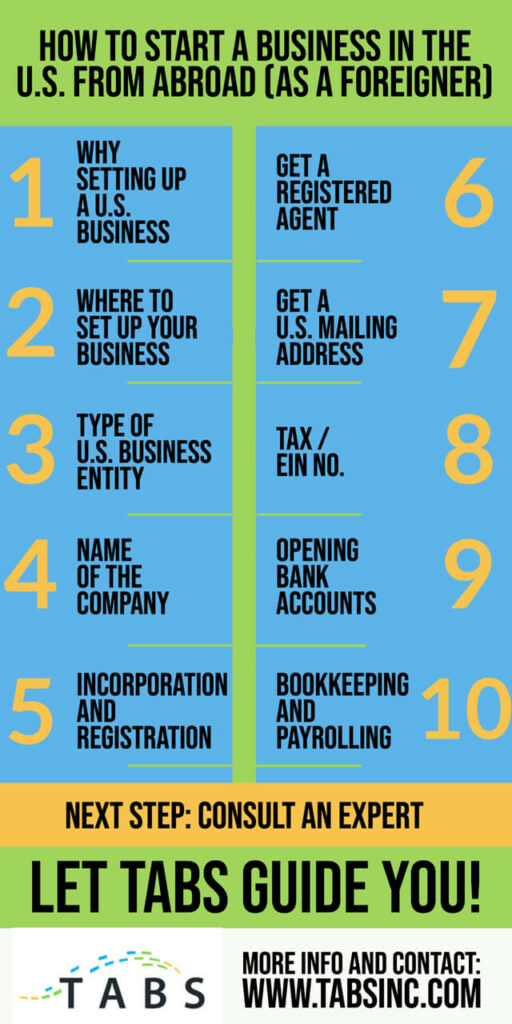
Defining Your Business Model and Revenue Streams
The very first financial step is to clearly articulate how your business will make money. What value will you provide, and how will customers pay for it? A well-defined business model details your target market, value proposition, cost structure, and, crucially, your revenue streams. Are you selling physical products, digital subscriptions, services, or a combination? Understanding these streams allows for more accurate projections of income. Consider different pricing tiers, subscription models, or one-time purchase options. Each choice has significant financial implications for cash flow and profitability. For instance, a subscription model might offer predictable recurring revenue, while product sales might involve higher upfront inventory costs.
Estimating Startup Costs and Operating Expenses
One of the most common pitfalls for new businesses is underestimating the capital required. Startup costs are the one-time expenses incurred before you open your doors, such as legal fees for incorporation, permits, equipment purchases, initial inventory, website development, and office setup. Operating expenses, on the other hand, are the ongoing costs of running the business, including rent, utilities, salaries, marketing, insurance, and raw materials. Create a detailed list of every conceivable expense, both one-time and recurring, and research their typical costs. It’s often wise to add a contingency fund (15-20% of total estimated costs) for unforeseen expenses. This realistic assessment is vital for determining how much capital you will need to raise.
Crafting a Solid Business Plan: The Financial Blueprint
While a business plan covers all aspects of your venture, its financial section is arguably the most critical for securing funding and guiding your operations. This blueprint should include:
- Startup Cost Analysis: A detailed breakdown of all initial expenses.
- Sales Forecasts: Realistic projections of revenue over the first 1-3 years, broken down monthly or quarterly.
- Profit and Loss (P&L) Statement: Projected income statement showing expected revenues, costs of goods sold, and operating expenses to arrive at net profit or loss.
- Cash Flow Projections: A forecast of money coming in and going out, essential for understanding liquidity and identifying potential shortfalls.
- Balance Sheet: A snapshot of your company’s assets, liabilities, and owner’s equity at a specific point in time.
- Break-Even Analysis: Calculation of the sales volume (in units or dollars) needed to cover all fixed and variable costs, indicating when your business will become profitable.
A well-researched and conservative financial plan instills confidence in potential investors and lenders, demonstrating your understanding of financial realities.
Securing Capital: Funding Your American Dream
Once you have a clear picture of your capital needs, the next step is to secure the necessary funding. America offers a diverse landscape of financing options, each with its own advantages and requirements.
Self-Funding and Bootstrapping Strategies
Many entrepreneurs start by funding their businesses themselves, often referred to as bootstrapping. This can involve using personal savings, credit cards (with caution), or even tapping into retirement funds (though professional advice is recommended for the latter). Bootstrapping forces financial discipline, keeps debt low, and allows the founder to retain full ownership and control. Strategies include minimizing initial expenses, operating from home, securing pre-orders, and bartering services. While it may limit rapid expansion, it’s a powerful way to validate your business model without external pressures.
Exploring Debt Financing: Loans and Lines of Credit
Debt financing involves borrowing money that you must repay, typically with interest, over a specified period.
- Small Business Loans: Offered by traditional banks, credit unions, and online lenders. Requirements often include a strong business plan, good credit history, collateral, and sometimes a personal guarantee.
- SBA Loans: Guaranteed by the U.S. Small Business Administration, these loans offer more favorable terms, lower down payments, and longer repayment periods than conventional loans, making them accessible to a broader range of businesses.
- Lines of Credit: Provide flexible access to funds up to a certain limit, ideal for managing short-term cash flow needs or unexpected expenses. Interest is only paid on the amount borrowed.
- Microloans: Smaller loans, often from non-profit organizations, designed for startups and small businesses that may not qualify for traditional bank loans.
Understanding Equity Financing: Investors and Venture Capital
Equity financing involves selling a portion of your company’s ownership in exchange for capital. Unlike debt, this money does not need to be repaid, but you do cede a share of your company and future profits.
- Angel Investors: High-net-worth individuals who invest their personal capital in early-stage companies in exchange for equity. They often bring valuable industry experience and mentorship.
- Venture Capital (VC) Firms: Professional investment firms that fund high-growth potential startups in exchange for significant equity. VCs typically invest larger sums than angel investors and expect a substantial return, often with an exit strategy (e.g., acquisition or IPO).
- Crowdfunding: Platforms like Kickstarter or StartEngine allow you to raise small amounts of capital from a large number of individuals, often in exchange for rewards (product-based crowdfunding) or equity (equity crowdfunding).
Government Grants and Small Business Administration (SBA) Resources
The U.S. government offers various programs to support small businesses. While direct grants for starting a general business are rare, some exist for specific industries (e.g., research and development, environmental projects) or for businesses owned by minorities, women, or veterans. The SBA is an invaluable resource, providing not only loan guarantees but also counseling, training, and extensive information on funding options and business development. Connecting with your local SBA office or Small Business Development Center (SBDC) can provide tailored guidance and access to networks.
Managing Your Business Finances from Day One
Securing funding is just the beginning. Effective financial management is an ongoing process crucial for survival and growth. Without disciplined oversight, even a well-funded business can quickly run into trouble.

Setting Up Business Banking and Accounting Systems
Separate your personal and business finances from the outset. Open dedicated business bank accounts (checking and savings) and, if applicable, a business credit card. This simplifies tax preparation, protects personal assets, and presents a professional image. Simultaneously, establish a robust accounting system. This could range from simple spreadsheets for very small businesses to cloud-based accounting software like QuickBooks, Xero, or FreshBooks. These tools help track income and expenses, manage invoices, reconcile accounts, and generate financial reports, providing real-time insights into your financial health.
Understanding Business Taxes and Legal Structures
Navigating the American tax system can be complex, and your choice of legal structure significantly impacts your tax obligations and liability.
- Sole Proprietorship: Simple to set up, but offers no personal liability protection, and business income is taxed on your personal return.
- Partnership: Similar to sole proprietorships for multiple owners, with shared liability.
- Limited Liability Company (LLC): Offers personal liability protection while maintaining relatively simple taxation (pass-through taxation, like a sole proprietorship or partnership).
- Corporation (S-Corp, C-Corp): More complex to set up and maintain, but offers strong liability protection. C-corps face “double taxation” (corporate profits taxed, then dividends taxed again personally), while S-corps avoid this by passing profits and losses directly to personal income.
Consulting with an attorney and accountant is highly recommended to choose the structure that best balances liability, administrative burden, and tax efficiency for your specific business. Understand federal, state, and local tax requirements, including income tax, sales tax, payroll tax, and property tax.
Effective Budgeting and Cash Flow Management
A budget is a financial plan that outlines your projected income and expenses over a specific period. It acts as a roadmap, guiding your spending and helping you allocate resources efficiently. Regularly compare your actual performance against your budget to identify deviations and make necessary adjustments. Cash flow management is equally critical. It’s not enough to be profitable on paper; you need enough cash on hand to meet immediate obligations. Monitor your cash inflows (sales, loans) and outflows (expenses, debt payments). Implement strategies to optimize cash flow, such as managing inventory efficiently, negotiating favorable payment terms with suppliers, and promptly invoicing and collecting from customers. A positive cash flow is the lifeblood of any business.
Pricing Strategies for Profitability
Setting the right prices for your products or services is a delicate balance. Price too low, and you might not cover costs or convey value; price too high, and you could deter customers.
- Cost-Plus Pricing: Calculate your total cost to produce a product or service, then add a desired profit margin.
- Value-Based Pricing: Base your prices on the perceived value to the customer, rather than just your costs.
- Competitive Pricing: Set prices based on what your competitors are charging.
- Penetration Pricing: Offer a low initial price to quickly gain market share.
- Skimming Pricing: Start with a high price and gradually lower it over time.
A thorough understanding of your costs (both fixed and variable) is fundamental to any pricing strategy. Regularly review and adjust your pricing as market conditions, costs, and customer demand evolve.
Scaling and Sustaining Financial Growth
Once your business is operational and generating revenue, the focus shifts to strategic financial growth and ensuring long-term sustainability. This requires a forward-looking financial perspective.
Reinvesting Profits for Expansion
As your business becomes profitable, you’ll face decisions about how to utilize those earnings. Reinvesting profits back into the business is a common and effective strategy for fueling growth. This could involve expanding your product line, investing in new equipment, hiring additional staff, increasing marketing efforts, or entering new markets. A clear financial plan for reinvestment ensures that capital is allocated strategically to maximize return and drive sustainable expansion, rather than being disbursed prematurely.
Monitoring Key Financial Performance Indicators (KPIs)
To effectively manage and grow your business, you need to track relevant financial KPIs. These metrics provide insights into your operational efficiency, profitability, and overall financial health. Examples include:
- Gross Profit Margin: Revenue minus cost of goods sold, divided by revenue.
- Net Profit Margin: Net profit divided by revenue.
- Customer Acquisition Cost (CAC): The cost of acquiring a new customer.
- Customer Lifetime Value (CLTV): The total revenue a business can reasonably expect from a single customer account over the business relationship.
- Burn Rate: The rate at which your business is losing money (if not yet profitable).
- Working Capital: Current assets minus current liabilities, indicating short-term liquidity.
Regularly monitoring these KPIs helps identify trends, pinpoint areas for improvement, and make data-driven financial decisions.
Planning for Financial Resilience and Future Challenges
The business landscape is dynamic, and financial shocks can occur unexpectedly. Building financial resilience is crucial. This involves maintaining a healthy cash reserve to weather economic downturns, unexpected expenses, or periods of slow sales. Diversifying revenue streams can also reduce reliance on a single product or market. Develop contingency plans for various financial scenarios, such as a sudden drop in sales or an increase in operational costs. This proactive approach helps your business adapt and survive unforeseen challenges, securing its long-term future.
Strategic Financial Tools and Professional Guidance
While the entrepreneurial spirit is vital, leveraging the right tools and seeking expert advice can significantly enhance your financial management capabilities.
Leveraging Financial Software and Tools
Modern technology offers a plethora of financial tools designed to simplify business finance.
- Accounting Software: (e.g., QuickBooks, Xero) for bookkeeping, invoicing, payroll, and reporting.
- Budgeting Tools: (built into accounting software or standalone apps) for expense tracking and budget adherence.
- Payment Processors: (e.g., Stripe, PayPal, Square) for accepting online and in-person payments securely.
- Inventory Management Systems: To track stock levels, manage orders, and optimize inventory costs.
- Financial Modeling Software: For advanced forecasting and scenario planning.
These tools automate mundane tasks, reduce errors, and provide real-time financial insights, allowing you to focus on strategic decision-making.

The Value of Financial Advisors and Accountants
Even with excellent software, the complexities of business finance often warrant professional assistance.
- Accountants: Are indispensable for setting up your chart of accounts, preparing financial statements, ensuring tax compliance, and offering strategic tax planning advice. They can help navigate payroll, sales tax, and income tax regulations.
- Financial Advisors: Can assist with long-term financial planning, investment strategies for business growth, risk management, and even succession planning.
- Business Consultants: May offer broader financial strategy advice, helping with pricing, forecasting, and operational efficiency from a financial perspective.
Investing in professional financial guidance is not an expense, but a strategic investment that can save you money, mitigate risks, and position your business for sustained success.
Starting a business in America is an undertaking that demands creativity, resilience, and, above all, a rigorous commitment to financial prudence. By meticulously planning your finances, strategically securing capital, diligently managing your money day-to-day, and proactively planning for growth and resilience, you lay the strongest possible foundation for your entrepreneurial dream to flourish. Remember, a financially sound business is a sustainable business, equipped to navigate challenges and seize opportunities in the dynamic American market.
aViewFromTheCave is a participant in the Amazon Services LLC Associates Program, an affiliate advertising program designed to provide a means for sites to earn advertising fees by advertising and linking to Amazon.com. Amazon, the Amazon logo, AmazonSupply, and the AmazonSupply logo are trademarks of Amazon.com, Inc. or its affiliates. As an Amazon Associate we earn affiliate commissions from qualifying purchases.