
Launching a small business is a multifaceted endeavor that bridges the gap between a visionary concept and a sustainable economic entity. While many entrepreneurs focus primarily on product development or market entry, the most resilient enterprises are built on a foundation of rigorous financial planning and fiscal discipline. Setting up a small business requires more than just passion; it demands a strategic blueprint for capital management, tax optimization, and financial infrastructure.
Laying the Financial Groundwork: Entity Selection and Fiscal Structure
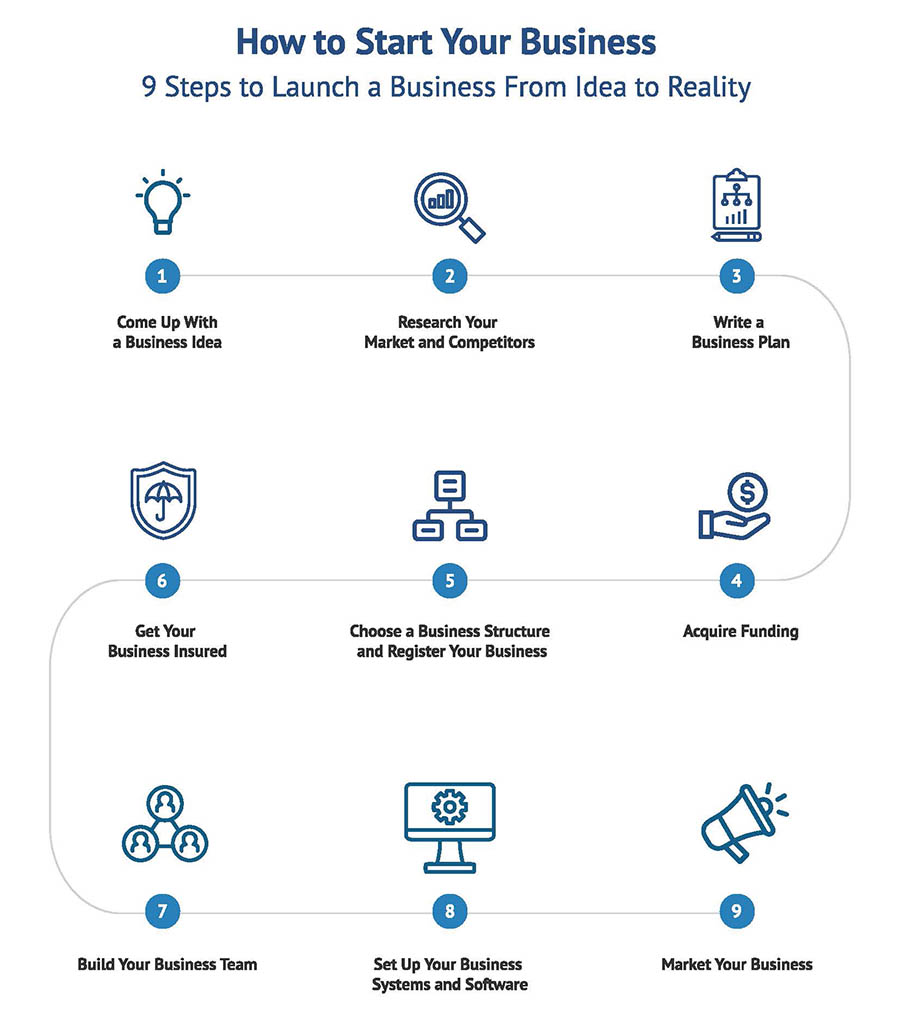
The first critical step in setting up a small business is determining the legal and financial framework under which it will operate. This decision dictates your personal liability, the amount of tax you pay, and your ability to raise capital.
Determining Legal Structure for Tax Efficiency
Choosing between a Sole Proprietorship, Limited Liability Company (LLC), S-Corporation, or C-Corporation is not merely a legal formality; it is a strategic tax decision. A Sole Proprietorship is the simplest to establish but offers no separation between personal and business assets, creating significant financial risk.
Conversely, an LLC provides a protective shield for personal assets while offering “pass-through” taxation, where profits are reported on the owner’s personal tax return. For businesses expecting rapid growth, an S-Corp election can be advantageous, allowing owners to save on self-employment taxes by splitting income between a reasonable salary and shareholder distributions. Understanding these nuances early ensures that the business does not lose unnecessary capital to tax inefficiencies during its most vulnerable stages.
Establishing Business Banking and Credit
A fundamental rule of business finance is the absolute separation of personal and professional funds. This begins with opening a dedicated business checking account and obtaining a Federal Employer Identification Number (EIN). Establishing this boundary is essential for accurate bookkeeping and is a prerequisite for “piercing the corporate veil” protection.
Furthermore, building business credit should begin on day one. By securing a business credit card and establishing trade lines with vendors, an entrepreneur creates a credit profile independent of their personal FICO score. This independent creditworthiness is vital for securing larger commercial loans or lines of credit in the future without risking personal collateral.
Securing Capital: Funding Your Business Vision
Capital is the lifeblood of any new venture. Identifying the right funding mix is a balancing act between maintaining equity control and ensuring the business has enough “runway” to reach profitability.
Bootstrapping and Lean Operations
Bootstrapping—funding the business through personal savings and initial revenue—remains one of the most common ways to start. The primary advantage of bootstrapping is the retention of 100% ownership and total decision-making power. It forces a “lean” operational mindset, where every dollar spent must contribute directly to value creation or revenue generation. However, the limitation of bootstrapping is the “burn rate.” Without a significant cash infusion, a business may struggle to scale quickly enough to capture market share.
Navigating External Funding: Debt vs. Equity
When internal funds are insufficient, entrepreneurs must choose between debt and equity financing. Debt financing, such as Small Business Administration (SBA) loans or traditional bank loans, allows the owner to retain ownership but introduces the obligation of monthly interest payments. This is often the best route for businesses with predictable cash flows and tangible assets to use as collateral.
Equity financing involve bringing on investors—angel investors or venture capitalists—in exchange for a percentage of the company. While this provides a significant influx of cash without the immediate burden of repayment, it dilutes the founder’s ownership and often involves giving up a degree of control. For a small business, the goal is typically to minimize the cost of capital while maximizing the flexibility of the funds.
Architecting Your Financial Infrastructure
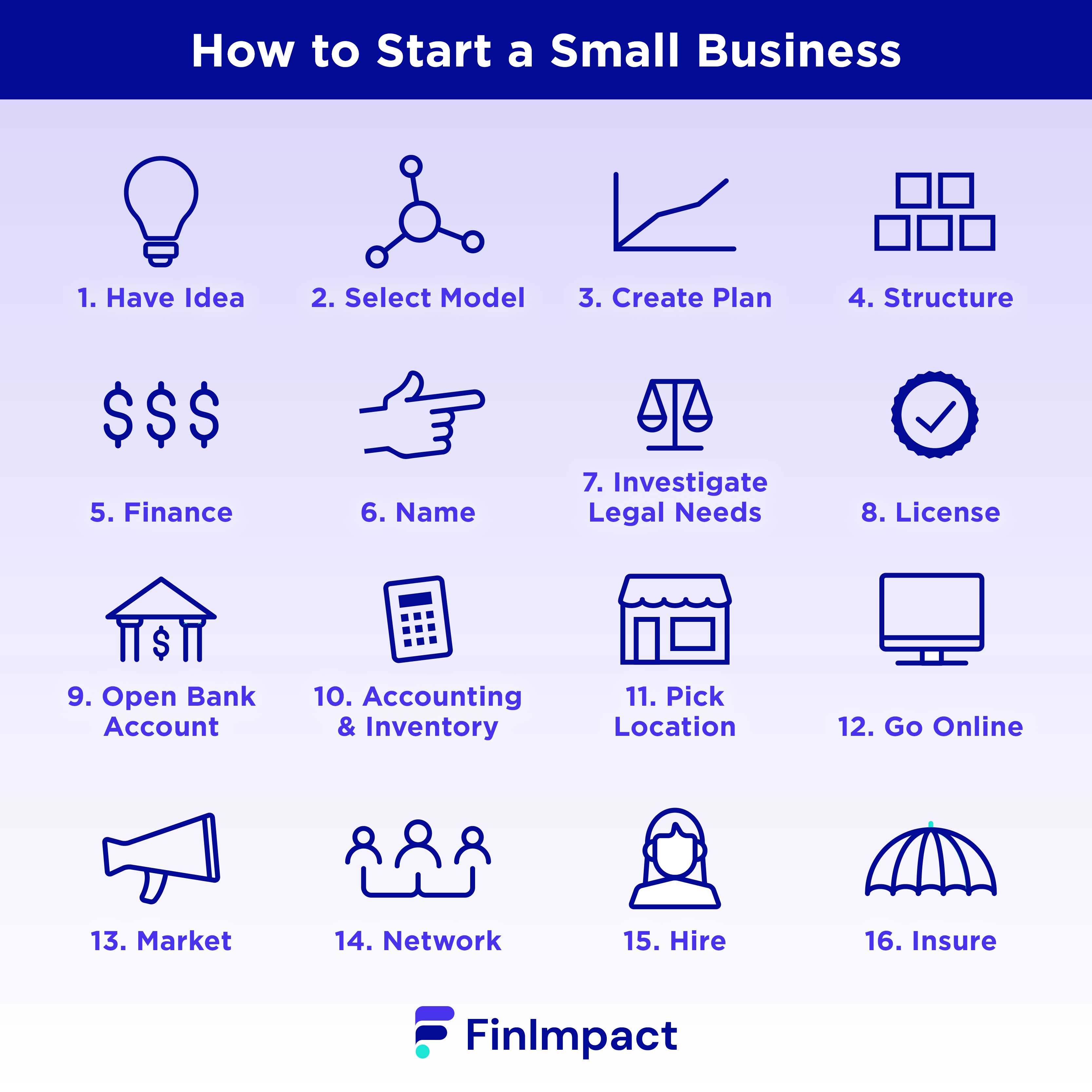
Once the legal structure is set and funding is secured, the focus shifts to creating the systems that will track every cent entering and leaving the business. High-quality financial data is the primary tool for informed decision-making.
Implementing Cloud-Based Accounting and Real-Time Reporting
In the modern economy, relying on a spreadsheet to manage business finances is a recipe for failure. Implementing robust, cloud-based accounting software is non-negotiable. These tools automate data entry through bank feeds, categorize expenses, and generate real-time financial statements.
The three core documents every business owner must master are the Balance Sheet, the Income Statement (P&L), and the Statement of Cash Flows. While the P&L shows profitability, the Statement of Cash Flows is often more critical for a small business. It reveals the actual timing of cash movements, ensuring the business doesn’t go “paper-profit” bankrupt because its cash is tied up in accounts receivable.
Managing Cash Flow and Working Capital
Cash flow management is the art of balancing the timing of payables and receivables. Many small businesses fail not because of a lack of demand, but because of a “cash crunch.” Setting up efficient invoicing systems, offering small discounts for early payment, and negotiating longer payment terms with suppliers are all strategies to keep more working capital inside the business. Maintaining a “cash buffer”—typically three to six months of operating expenses—acts as an insurance policy against market volatility or unexpected equipment failures.
Strategic Tax Planning and Regulatory Compliance
A small business is subject to a complex web of fiscal responsibilities. Ignoring these can lead to heavy penalties and interest that can erase years of profit.
Navigating Small Business Tax Obligations
Unlike employees, business owners are responsible for paying both the employer and employee portions of Social Security and Medicare taxes. Additionally, depending on the state and industry, businesses may be liable for sales tax, excise tax, and property tax.
Setting aside a fixed percentage of every dollar of revenue into a separate tax reserve account is a best practice that prevents “tax season shock.” Working with a Certified Public Accountant (CPA) who specializes in small business can often pay for itself through the identification of legal deductions, such as Section 179 depreciation for equipment or home office deductions, which lower the overall taxable income.
Building an Emergency Fund and Operating Reserve
Financial resilience is built through the disciplined accumulation of retained earnings. Rather than withdrawing all profits as personal income, a strategic founder reinvests a portion into an operating reserve. This fund serves two purposes: it provides a safety net for lean months and creates a “war chest” for opportunistic investments. Whether it is purchasing inventory at a discount or acquiring a competitor’s assets, having liquid capital available provides a significant competitive advantage.
Analyzing Unit Economics for Sustainable Growth
As the business begins to operate, the focus must shift from survival to sustainable growth. This requires a deep dive into the “unit economics”—the direct revenues and costs associated with a single unit of sale.
Identifying Key Financial Performance Indicators (KPIs)
To scale effectively, an entrepreneur must understand their Customer Acquisition Cost (CAC) and the Lifetime Value (LTV) of a customer. If the cost to acquire a customer exceeds the profit that customer generates over time, the business model is fundamentally flawed, and scaling will only accelerate losses.
Other critical KPIs include the Gross Margin—which indicates the efficiency of the production or service delivery—and the Break-Even Point. Knowing exactly how much revenue is required each month to cover all fixed and variable costs allows a business owner to set realistic sales targets and manage expectations with stakeholders.
Strategic Reinvestment and Scaling
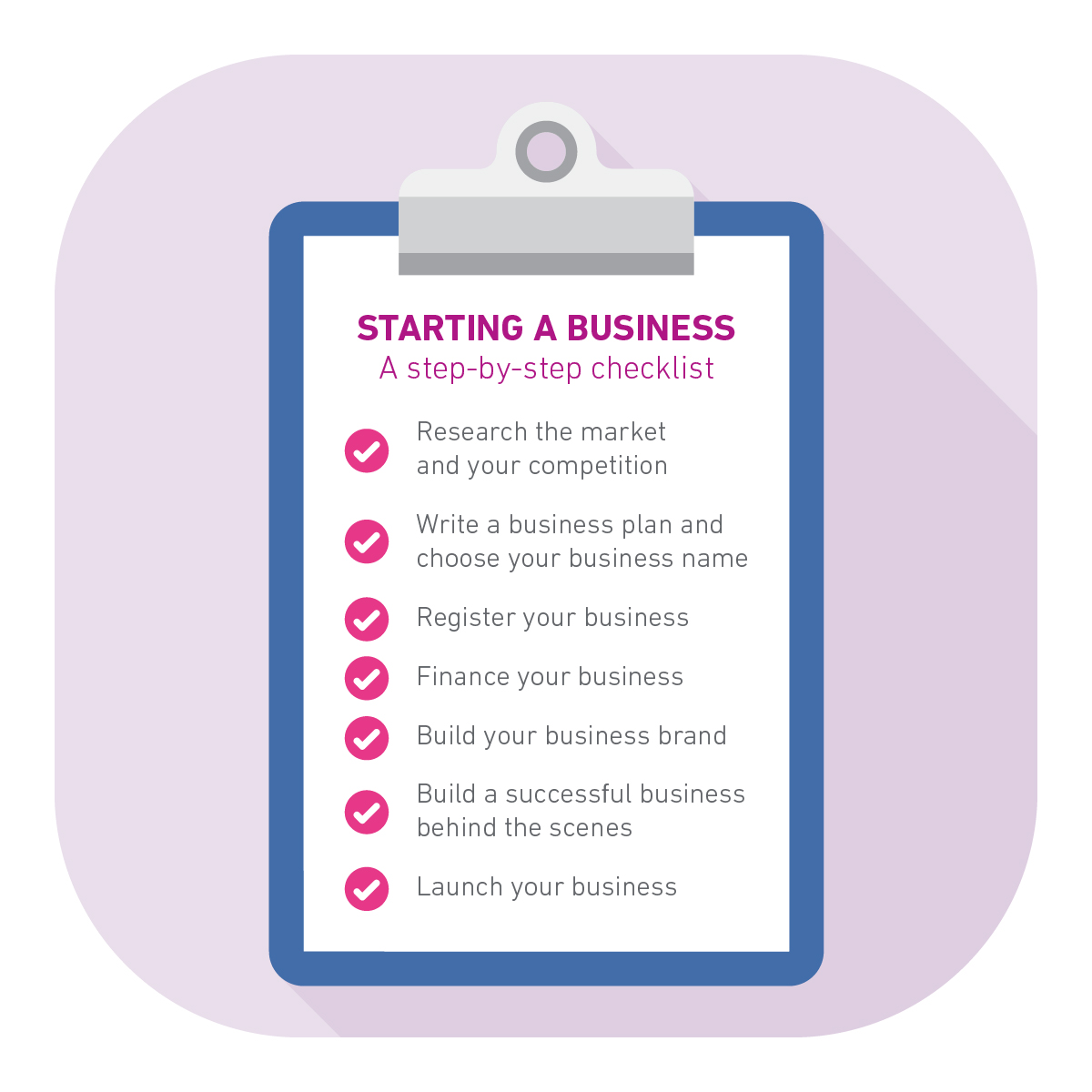
Once the unit economics are proven and the business is consistently profitable, the final stage of setup is planning for expansion. This involves evaluating the Return on Investment (ROI) for various growth levers. Should the business invest in more inventory, hire additional staff, or expand into a new geographic market? By applying a rigorous financial filter to these decisions, the business owner ensures that growth is not just fast, but profitable and sustainable in the long term.
Setting up a small business is a journey that transforms a financial investment into a wealth-generating asset. By focusing on entity structure, capital acquisition, robust accounting, and strategic tax planning, an entrepreneur creates a vehicle capable of navigating the complexities of the modern marketplace. Professional financial management is not an administrative burden; it is the most powerful tool a small business owner possesses to turn a vision into a lasting legacy.
aViewFromTheCave is a participant in the Amazon Services LLC Associates Program, an affiliate advertising program designed to provide a means for sites to earn advertising fees by advertising and linking to Amazon.com. Amazon, the Amazon logo, AmazonSupply, and the AmazonSupply logo are trademarks of Amazon.com, Inc. or its affiliates. As an Amazon Associate we earn affiliate commissions from qualifying purchases.