
In the dynamic world of entrepreneurship, a meticulously crafted business plan is more than just a formal document; it’s the financial blueprint for success, a strategic roadmap guiding your venture from inception to profitability. For aspiring entrepreneurs and established businesses alike, understanding “how to put together a business plan” is synonymous with mastering the art of business finance. This comprehensive guide will dissect the essential components, focusing on the monetary implications and strategic financial decisions that underpin every successful enterprise. It is the definitive tool for attracting investors, securing loans, and ensuring the long-term fiscal health of your business.

The Financial Imperative: Why a Business Plan is Your Fiscal GPS
At its core, a business plan is a financial tool. It provides a structured framework for analyzing market opportunities, forecasting financial performance, and allocating resources judiciously. Without it, you’re navigating the complex waters of commerce without a compass, risking financial missteps that can derail even the most promising ideas.
Securing Capital: Attracting Investors and Lenders
Perhaps the most recognized financial role of a business plan is its function as a fundraising instrument. Angel investors, venture capitalists, and traditional banks demand a clear, compelling business plan before even considering an investment or loan. They are not merely looking for a good idea; they are scrutinizing your financial projections, understanding your revenue model, assessing your market opportunity, and evaluating your team’s capability to deliver on its financial promises. A well-articulated plan demonstrates fiscal responsibility, a clear path to return on investment, and a thorough understanding of the economic landscape your business operates within. It quantifies the investment required, details its intended use, and projects the financial returns, thereby mitigating perceived risk for potential funders.
Financial Forecasting: Predicting Revenue and Expenses
A robust business plan forces you to engage in rigorous financial forecasting. This involves not just optimistic projections but realistic, data-driven estimations of sales, operating costs, and profit margins. It’s about understanding seasonality, market trends, and competitive pressures that can impact your bottom line. Accurate forecasting allows for proactive financial management, enabling you to anticipate cash flow shortages, identify periods of high profitability, and adjust your financial strategy accordingly. This foresight is invaluable, preventing crises and enabling strategic expansion. It translates abstract ideas into tangible financial outcomes, providing a measurable path to sustained economic growth.
Resource Allocation: Optimizing Your Investment
Every dollar invested in your business should be purposeful. A business plan helps you prioritize and allocate your financial resources effectively. It guides decisions on where to spend money—be it on product development, marketing, operational infrastructure, or talent acquisition. By detailing the costs associated with each aspect of your business and aligning them with projected revenues and strategic goals, you can optimize your capital deployment. This ensures that every investment is justified by its potential return and contributes directly to the business’s financial health and growth trajectory, preventing wasteful spending and maximizing efficiency.
Crafting the Core Financial Components
While a business plan encompasses various sections, each one invariably carries financial implications or directly addresses a financial aspect of the business. Understanding these connections is key to building a compelling and financially sound document.
Executive Summary: The Financial Snapshot
Often written last but read first, the executive summary must distill the financial essence of your entire plan. It should succinctly highlight your business concept, market opportunity, key financial projections (e.g., projected revenue, profit margins, funding request), and the value proposition for investors. This initial glimpse must grab attention, clearly outlining the financial potential and the strategic advantage of your venture. It’s the elevator pitch for your financial future.
Company Description: Defining Your Value Proposition for Financial Gains
Beyond merely stating what your company does, this section defines its financial relevance. What problem does your product or service solve, and how does that translate into economic value for customers and, subsequently, revenue for your business? Describe your mission, vision, and legal structure, as these elements influence operational costs, tax implications, and potential funding avenues. A clear understanding of your value proposition is crucial for accurate pricing and revenue modeling.
Market Analysis: Understanding the Economic Landscape
A thorough market analysis is not just about identifying your target audience; it’s about quantifying market size, growth potential, and competitive intensity, all of which directly impact your revenue projections and pricing strategy. Analyze the economic trends, regulatory environment, and competitive landscape. Understanding market dynamics allows you to position your product or service for maximum profitability and forecast realistic sales volumes, which are critical inputs for your financial statements.
Organization and Management: The Team Driving Financial Success
While seemingly non-financial, the management team’s experience and expertise are pivotal to an investor’s confidence in your ability to execute the financial plan. This section details the organizational structure, key personnel, and their relevant experience, especially in financial management, sales, and operations. Investors back people as much as ideas, so demonstrating a capable team significantly enhances the perceived financial viability of your venture. It outlines how the collective expertise will translate into operational efficiency and profitable outcomes.
The Numbers Game: Detailed Financial Projections
This is the bedrock of your business plan within the “Money” niche. Here, you translate your business idea into hard numbers, presenting a clear picture of your financial viability and growth potential.
Startup Costs and Funding Request: What You Need and Why
Detail every expense required to launch your business, from initial inventory and equipment to legal fees and marketing. Clearly state the total funding required, specify how these funds will be used (e.g., X% for equipment, Y% for marketing, Z% for working capital), and explain why this amount is necessary for achieving your financial milestones. This transparency builds trust with potential investors and lenders.
Revenue Model and Sales Forecast: How You’ll Make Money
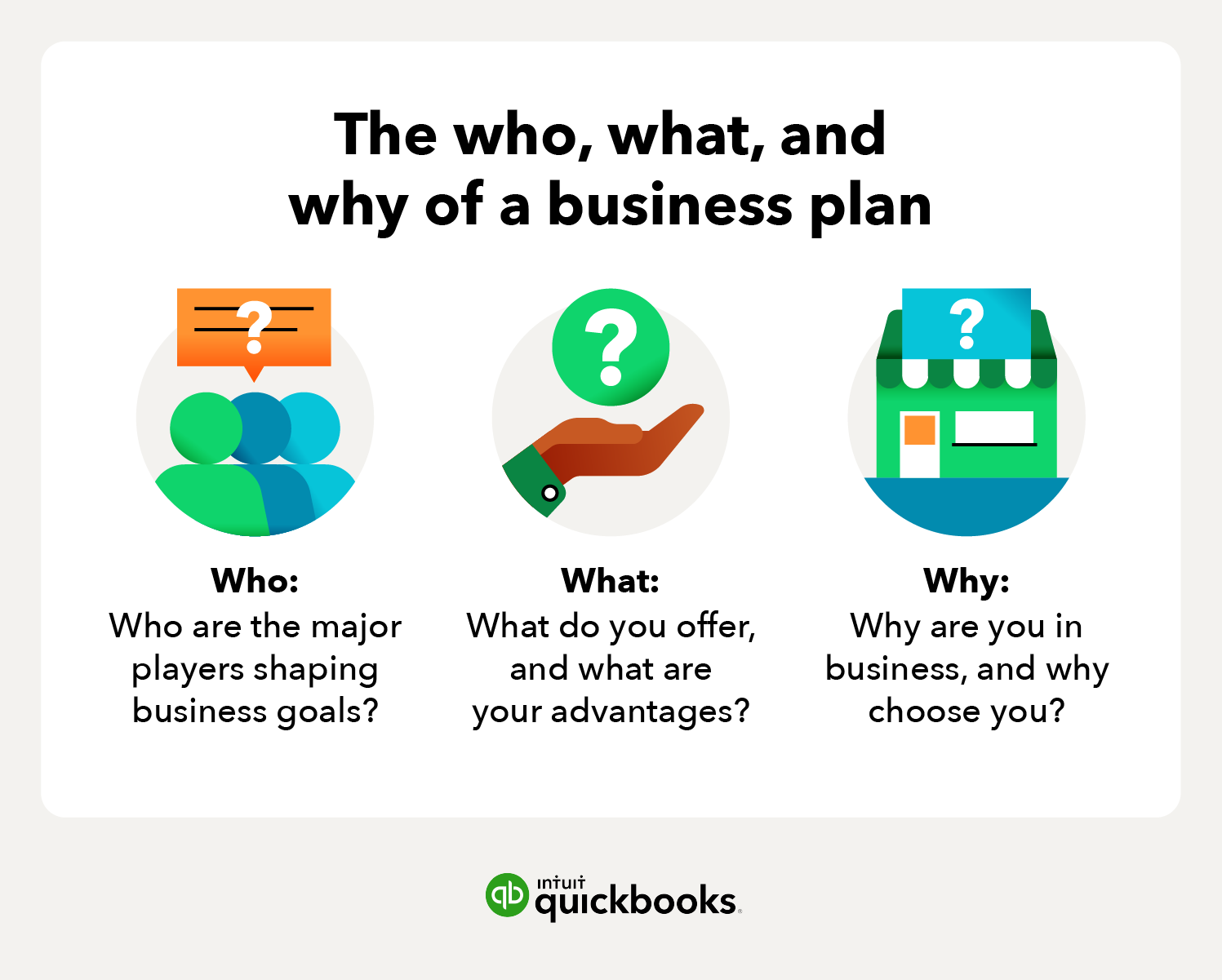
Explain your pricing strategy, sales channels, and anticipated sales volume. Break down your revenue streams (e.g., subscription fees, direct sales, licensing) and provide realistic, justifiable sales forecasts for the next 3-5 years. Base these forecasts on market research, industry benchmarks, and your unique value proposition. Show the assumptions underlying your projections, demonstrating a data-driven approach rather than wishful thinking.
Expense Projections: Managing Your Outflows
List all anticipated operating expenses, both fixed (rent, salaries, insurance) and variable (cost of goods sold, commissions). Project these expenses over the same 3-5 year period as your revenue. Detailed expense projections demonstrate a clear understanding of your cost structure and your ability to manage financial outflows efficiently, directly impacting your profitability.
Cash Flow Statement: Tracking Your Liquidity
This crucial financial statement shows the actual movement of cash into and out of your business over a specific period. It details cash generated from operations, investments, and financing activities. A positive cash flow is vital for business survival, even if your business is profitable on paper. Investors pay close attention to cash flow projections as they indicate your ability to meet short-term obligations and fund ongoing operations without additional external financing.
Income Statement (Profit & Loss): Measuring Profitability
The income statement summarizes your revenues, costs, and expenses over a period, ultimately showing your net profit or loss. It is a direct measure of your business’s financial performance. Projecting income statements for several years allows investors to see the path to profitability and assess the long-term earning potential of your venture. Clearly define your gross profit, operating profit, and net profit.
Balance Sheet: A Snapshot of Financial Health
The balance sheet provides a snapshot of your business’s assets, liabilities, and owner’s equity at a specific point in time. It shows what your business owns, what it owes, and the owner’s stake in the business. A projected balance sheet demonstrates your financial position as the business grows, reflecting how assets are acquired and financed, and providing insights into the stability and solvency of your enterprise.
Operationalizing Your Financial Strategy
The financial health of a business is inextricably linked to its operations. Your business plan must demonstrate how operational aspects contribute to, and are supported by, your financial strategy.
Service or Product Line: The Cost and Revenue Drivers
Detail your products or services, explaining their value proposition in terms of economic benefit to the customer. Critically, outline the cost of production or delivery for each, and your pricing strategy. This section connects the tangible output of your business directly to its revenue streams and cost structure, demonstrating a clear understanding of your gross margins and profitability drivers.
Marketing and Sales Strategy: Driving Revenue Efficiently
Your marketing and sales plan is not merely about brand awareness; it’s about the cost-effective acquisition of customers and the generation of revenue. Detail your strategies for reaching your target market, your sales process, and the associated costs (e.g., advertising, sales salaries, CRM software). Show how these efforts translate into projected sales figures and customer lifetime value, proving a financially viable approach to market penetration and growth.
Funding Request and Use of Funds: Justifying Your Ask
Reiterate your funding needs with a detailed breakdown of how every dollar will be spent to achieve specific financial milestones. This section should clearly articulate the return on investment for investors and the repayment strategy for lenders. It’s the ultimate demonstration of fiscal planning and strategic foresight, proving that the requested capital will be utilized efficiently to generate projected returns.
Continuous Review and Adaptation: Keeping Your Financial Plan Dynamic
A business plan is not a static document; it’s a living tool that must evolve with your business and the market. Regular review and adaptation are critical for maintaining financial stability and achieving long-term success.
Key Performance Indicators (KPIs): Monitoring Financial Health
Identify specific, measurable financial KPIs that you will track to monitor your business’s performance against your plan. These might include customer acquisition cost (CAC), customer lifetime value (CLTV), gross profit margin, monthly recurring revenue (MRR), or burn rate. Regularly monitoring these metrics allows you to quickly identify deviations from your financial projections and take corrective action.
Risk Assessment and Contingency Planning: Safeguarding Your Investments
No business journey is without risk. Identify potential financial risks—market downturns, increased competition, supply chain disruptions, unexpected cost increases—and outline your strategies for mitigating them. This demonstrates foresight and a proactive approach to protecting your financial investments and ensuring business continuity, reassuring stakeholders of your resilience.
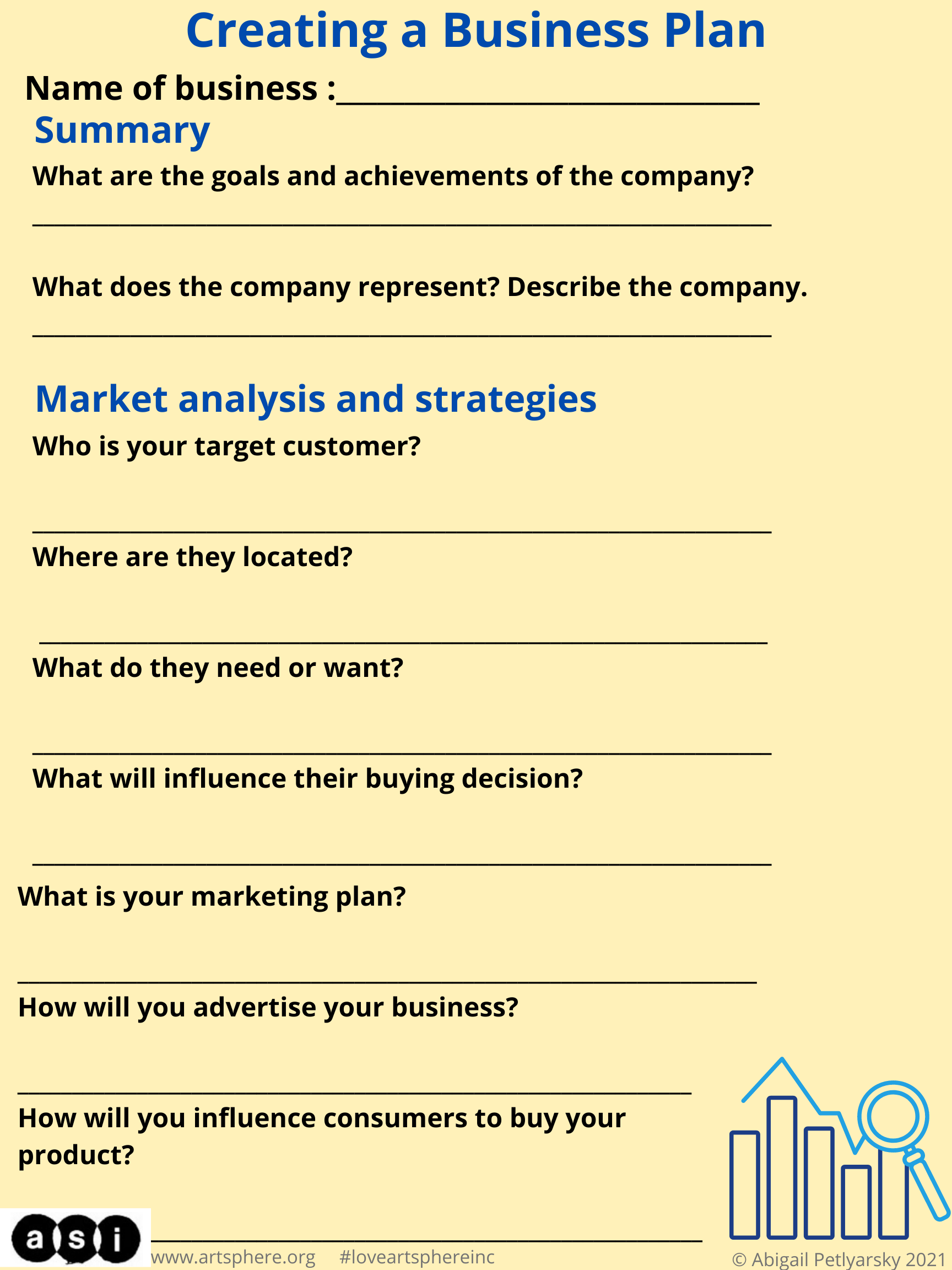
Regular Updates: Adapting to Market Shifts
Your financial world is constantly changing. Commit to regularly reviewing and updating your business plan, especially the financial sections. Market conditions, competitive landscapes, and internal performance will necessitate adjustments to your forecasts and strategies. This iterative process ensures your business plan remains a relevant and effective financial management tool, guiding your decisions and ensuring your venture stays on a profitable trajectory.
In conclusion, crafting a business plan is an indispensable exercise in financial foresight and strategic planning. It is the core document that outlines your revenue streams, cost structure, funding needs, and projected profitability. By meticulously detailing these financial components, entrepreneurs not only solidify their own understanding of their venture’s economic potential but also build a compelling case for investors and lenders, laying a robust foundation for enduring financial success.
aViewFromTheCave is a participant in the Amazon Services LLC Associates Program, an affiliate advertising program designed to provide a means for sites to earn advertising fees by advertising and linking to Amazon.com. Amazon, the Amazon logo, AmazonSupply, and the AmazonSupply logo are trademarks of Amazon.com, Inc. or its affiliates. As an Amazon Associate we earn affiliate commissions from qualifying purchases.