
Opening a company in the United States is a pursuit often characterized by ambition, innovation, and the promise of growth. While the entrepreneurial spirit is the engine, the financial scaffolding and strategic monetary planning are what truly enable a business to stand tall and thrive. For aspiring business owners, navigating the labyrinth of legal structures, funding avenues, taxation, and financial management is paramount. This guide aims to demystify the process, offering a financially-focused roadmap for establishing your venture in the US, ensuring every decision is weighed against its potential financial impact and long-term fiscal health.
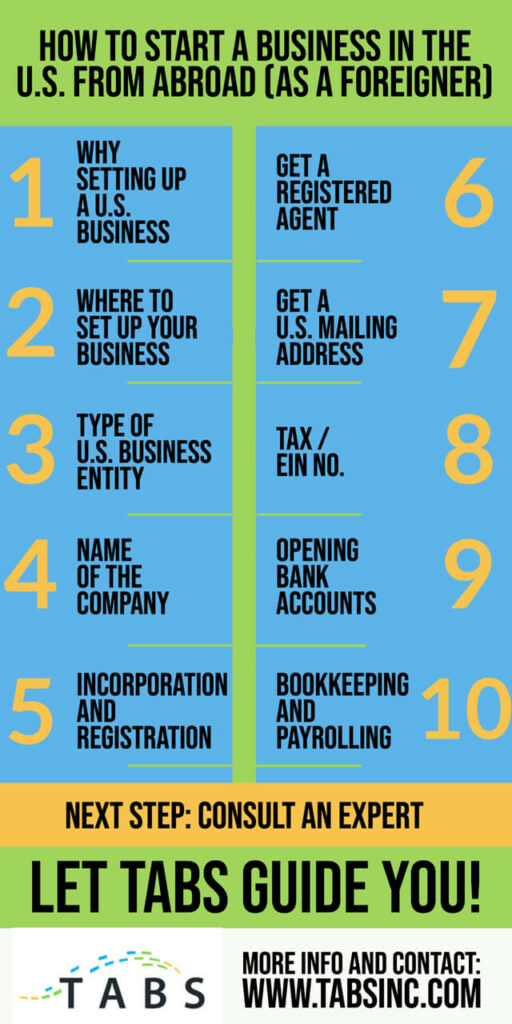
1. Laying the Financial Foundation: Structure, Capital, and Planning
The initial steps in forming a US company are deeply intertwined with financial strategy. The choices made here will dictate your tax obligations, personal liability, fundraising potential, and overall financial operational framework for years to come.
Choosing the Right Legal Entity: Financial Implications
Selecting the appropriate legal structure is perhaps the most critical financial decision you’ll make at the outset. Each entity type carries distinct financial benefits and liabilities:
- Sole Proprietorship: Simple to set up, but offers no personal liability protection. Your personal assets are not separate from business debts. Financially, all profits and losses flow directly to your personal tax return (Schedule C of Form 1040), making tax filing straightforward but potentially exposing personal wealth.
- Partnership (General or Limited): Suitable for two or more owners. General partners share full liability, while limited partners have liability capped at their investment. Profits and losses pass through to partners’ personal tax returns. A key financial consideration is drafting a comprehensive partnership agreement that clearly outlines capital contributions, profit/loss distribution, and dissolution terms to prevent future financial disputes.
- Limited Liability Company (LLC): Offers personal liability protection for owners (members), separating personal assets from business debts, akin to a corporation. Tax-wise, an LLC offers flexibility; it can be taxed as a sole proprietorship, partnership, S-corporation, or C-corporation. This flexibility allows for optimizing tax efficiency based on the company’s financial situation and owner’s income, making it a popular choice for small to medium-sized businesses due to its balance of protection and simplicity.
- Corporation (C-Corp or S-Corp):
- C-Corp: Provides the strongest liability protection. It is a separate legal entity from its owners (shareholders). C-corps are subject to “double taxation”—the corporation pays income tax on its profits, and shareholders pay tax again on dividends received. This structure is often favored by businesses seeking significant external investment, as it allows for multiple classes of stock.
- S-Corp: An S-Corp avoids double taxation as profits and losses are passed directly to the owners’ personal income without being subject to corporate tax rates. It still offers liability protection. However, S-Corps have restrictions on the number and type of shareholders. This structure is financially advantageous for profitable small businesses, allowing owners to pay themselves a reasonable salary and take remaining profits as distributions, which are not subject to self-employment taxes.
Initial Capitalization and Funding Sources
Understanding how you will fund your company is central to its viability. Your initial capital requirements will depend on your business model, industry, and projected operating expenses.
- Self-Funding (Bootstrapping): Using personal savings, credit cards, or borrowing from family/friends. This maintains full ownership and control but places personal finances at risk. Careful budgeting and conservative spending are critical.
- Debt Financing (Loans): Securing loans from banks, credit unions, or Small Business Administration (SBA) guaranteed loans. This requires a solid business plan, good personal credit, and often collateral. Interest payments are a fixed operating cost that must be factored into your financial projections.
- Equity Financing (Investors): Selling a percentage of your company to angel investors or venture capitalists in exchange for capital. While it provides substantial funding without debt, it means relinquishing a portion of ownership and control. This typically involves complex financial valuations and legal agreements.
- Crowdfunding: Raising small amounts of capital from a large number of individuals, often via online platforms. This can be equity-based, reward-based, or donation-based, each with different financial implications for the company and its obligations to funders.
Crafting a Robust Business Plan with Financial Projections
A comprehensive business plan isn’t just a formality; it’s a critical financial blueprint. It forces you to articulate your revenue model, cost structure, and profitability targets. Key financial components include:
- Startup Costs: A detailed breakdown of all one-time expenses (equipment, legal fees, initial inventory).
- Operating Expenses: Recurring costs (rent, salaries, utilities, marketing, insurance).
- Revenue Projections: Realistic forecasts of sales and income.
- Cash Flow Statement: Projecting the movement of money in and out of your business over time. Essential for understanding liquidity.
- Break-Even Analysis: Determining the point at which your revenue equals your total costs.
- Profit and Loss (P&L) Projections: Forecasting your anticipated profits or losses over a specific period.
These financial projections are indispensable for securing funding, making informed strategic decisions, and managing your financial resources effectively.
2. Navigating Financial Compliance: Registration, Taxation, and Permits
Once your fundamental financial structure is decided, the next phase involves legally registering your business and understanding the myriad of tax obligations that come with operating in the US. Missteps here can lead to significant financial penalties and legal issues.
Registering Your Business Name and Obtaining an EIN
Before operating, your business name must be registered, typically with the state government. This often involves a “doing business as” (DBA) filing if your company operates under a name different from its legal name.
Crucially, you will need an Employer Identification Number (EIN) from the IRS, unless you are a sole proprietorship with no employees. The EIN is a unique nine-digit number used by the IRS to identify businesses for tax purposes. It is essential for:
- Opening a business bank account.
- Filing tax returns.
- Hiring employees.
- Applying for certain business licenses.
- Establishing credit for your business.
Obtaining an EIN is free and can be done online through the IRS website.
Understanding Federal and State Tax Obligations
The US tax system is complex, with obligations at federal, state, and sometimes local levels. Understanding these is vital for accurate financial planning and avoiding costly penalties.
- Federal Income Tax: All businesses must file an annual income tax return with the IRS. The form depends on your business structure (e.g., Form 1120 for C-Corps, Form 1065 for Partnerships, Schedule C on Form 1040 for Sole Proprietorships and single-member LLCs). Corporate tax rates apply to C-corps, while pass-through entities (sole proprietorships, partnerships, S-Corps, LLCs taxed as such) pay taxes through the owners’ personal income tax returns.
- Estimated Taxes: Many small businesses and self-employed individuals are required to pay estimated taxes quarterly if they expect to owe at least $1,000 in tax. Failure to do so can result in penalties.
- Payroll Taxes: If you hire employees, you’ll be responsible for withholding federal income tax, Social Security and Medicare taxes (FICA), and federal unemployment tax (FUTA). State and local payroll taxes may also apply. These are significant financial outflows that require meticulous record-keeping and timely remittances.
- Sales Tax: If your business sells taxable goods or services, you’ll need to collect sales tax from customers and remit it to the appropriate state and local tax authorities. This requires obtaining a sales tax permit.
- Other Taxes: Depending on your industry and location, you might face excise taxes, property taxes, or specific industry-related taxes.
It is highly advisable to consult with a tax professional to ensure full compliance and optimize your tax strategy from a financial perspective.
Obtaining Necessary Licenses and Permits
Beyond tax registration, various federal, state, and local licenses and permits may be required to legally operate your business. These permits often come with application fees, which are part of your initial startup costs.
- Federal Licenses: Required for certain industries, such as agriculture, aviation, firearms, alcohol, and broadcasting.
A comprehensive list can be found on the SBA website. - State Licenses: Most states require a general business license. Specific industries (e.g., healthcare, food service, construction) also have state-specific professional licenses or permits.
- Local Licenses: Cities and counties often require permits for zoning, occupancy, signage, and specific business activities.
Researching and securing all necessary licenses and permits is a critical financial and legal due diligence step to avoid operational halts and fines.
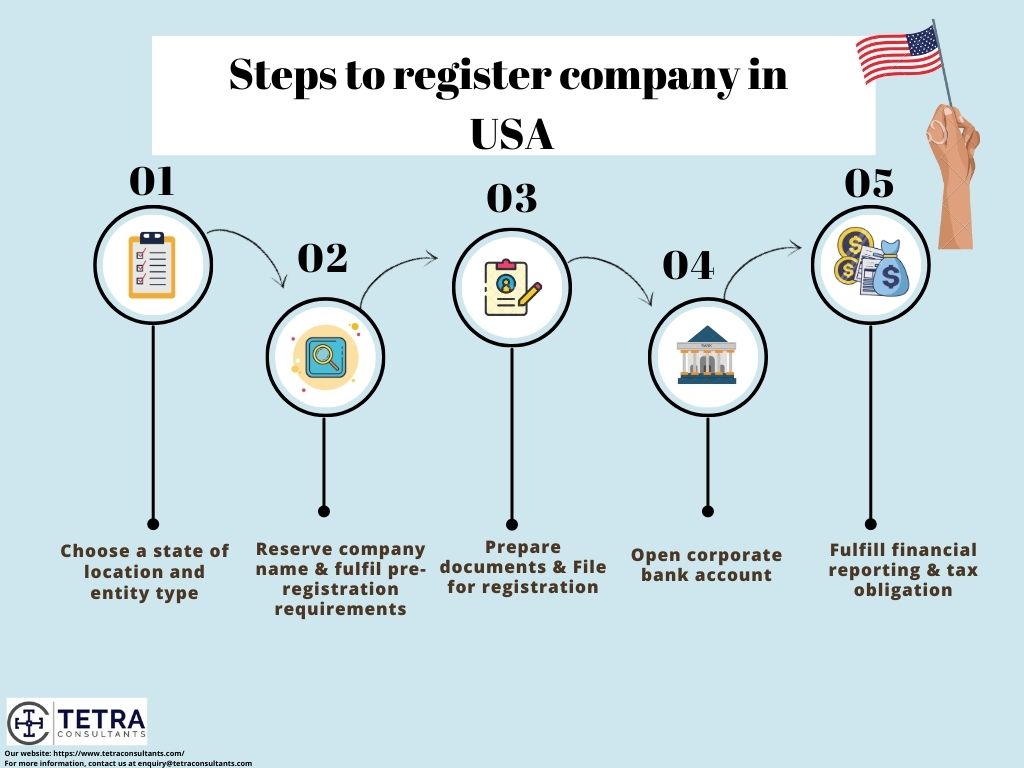
3. Establishing Robust Financial Systems and Infrastructure
Once the foundational legal and tax structures are in place, the focus shifts to setting up the practical financial systems that will underpin your company’s daily operations and long-term stability. Efficient financial management is key to profitability and growth.
Opening a Dedicated Business Bank Account
Separating personal and business finances is not just a best practice; it’s a financial imperative. Commingling funds can complicate accounting, tax filing, and make you vulnerable to losing personal liability protection, particularly for LLCs and corporations. A dedicated business bank account facilitates:
- Clear Financial Tracking: Easier to monitor income and expenses.
- Professionalism: Enhances credibility with clients, suppliers, and lenders.
- Tax Preparation: Simplifies the process of gathering financial data for tax returns.
- Liability Protection: Reinforces the legal separation between you and your business.
When selecting a bank, consider fees, interest rates, credit services, online banking capabilities, and proximity.
Setting Up Accounting and Bookkeeping Systems
Effective financial management hinges on accurate and consistent bookkeeping. This involves recording all financial transactions—income, expenses, assets, and liabilities.
- Bookkeeping Software: Cloud-based accounting software like QuickBooks, Xero, or FreshBooks can automate many tasks, generate financial reports, track invoices, and manage payroll. Investing in such software early can save significant time and money in the long run.
- Professional Accountant/Bookkeeper: For more complex financial situations or simply to free up your time, hiring a professional accountant or bookkeeper can be an invaluable investment. They can help with setting up your chart of accounts, managing payroll, reconciling accounts, preparing financial statements, and ensuring tax compliance. Their expertise can prevent costly errors and provide strategic financial insights.
- Financial Reporting: Regularly generate and review key financial statements:
- Balance Sheet: A snapshot of your company’s assets, liabilities, and equity at a specific point in time.
- Income Statement (P&L): Shows your company’s revenues and expenses over a period, revealing profitability.
- Cash Flow Statement: Tracks the cash generated and used by your business, crucial for liquidity management.
These reports are vital tools for assessing your company’s financial health, making informed business decisions, and attracting investors.
Managing Initial Operating Costs and Budgeting
The early stages of a company often involve significant cash outflows before substantial revenue begins to flow. Meticulous management of initial operating costs and strict adherence to a budget are paramount to avoid running out of capital.
- Cost Control: Identify and prioritize essential expenses. Look for cost-effective solutions for equipment, office space, and marketing. Negotiate with suppliers to secure favorable terms.
- Budgeting: Regularly compare actual expenditures against your projected budget. This variance analysis helps you identify areas where you are overspending or underspending and allows for timely adjustments.
- Cash Flow Forecasting: Continuously update your cash flow forecasts to anticipate periods of low liquidity. This allows you to plan for short-term financing needs or adjust spending accordingly.
- Emergency Fund: Aim to establish a financial buffer to cover at least 3-6 months of operating expenses. This emergency fund provides crucial financial resilience against unexpected challenges or slower-than-anticipated revenue generation.
Effective cost management and budgeting are not just about saving money; they are about intelligently allocating your finite financial resources to maximize impact and ensure survival.
4. Financial Protection and Strategic Growth
Once your company is operational, the focus broadens to protecting its financial assets, managing ongoing monetary obligations, and planning for sustainable financial growth. This phase emphasizes risk mitigation and strategic foresight.
Understanding Business Insurance Needs
Insurance is a critical financial safety net, protecting your company from unforeseen events that could otherwise lead to devastating financial losses. The types of insurance you need will vary based on your industry, size, and specific risks.
- General Liability Insurance: Protects against claims of bodily injury or property damage caused by your business operations, products, or services. This is foundational coverage.
- Professional Liability Insurance (E&O): Essential for service-based businesses, protecting against claims of negligence, errors, or omissions in your professional services.
- Property Insurance: Covers damage to your business property (buildings, equipment, inventory) from perils like fire, theft, or natural disasters.
- Workers’ Compensation Insurance: Legally required in most states if you have employees, covering medical expenses and lost wages for employees injured on the job.
- Cyber Liability Insurance: Increasingly important for businesses handling sensitive data, protecting against costs associated with data breaches and cyberattacks.
Investing in adequate business insurance is a non-negotiable financial safeguard that protects your hard-earned assets and ensures business continuity in the face of adversity.
Strategic Financial Planning for Growth and Expansion
Successful companies don’t just survive; they plan for growth. Strategic financial planning involves looking beyond immediate needs to map out future financial objectives and the strategies to achieve them.
- Reinvestment Strategy: Deciding how much of your profits to reinvest back into the business versus distributing to owners. Reinvestment can fund expansion, research and development, or marketing initiatives.
- Capital Expenditure Planning: Budgeting for significant purchases of assets like new equipment, technology upgrades, or real estate that will support future growth.
- Debt vs. Equity for Expansion: Assessing the financial implications of using debt (loans) or equity (investors) to fund future growth. Debt maintains ownership but incurs interest; equity dilutes ownership but provides capital without fixed repayment schedules.
- Market Analysis and Forecasting: Continuously analyzing market trends and adjusting financial forecasts to identify new opportunities for revenue generation or cost savings.
- Exit Strategy Planning: Even in the early stages, considering an eventual exit strategy (e.g., selling the business, going public, passing it to heirs) can influence financial decisions regarding company valuation and asset structuring.
Proactive financial planning ensures that your company is not just reacting to market conditions but is strategically positioning itself for sustained financial success.
Payroll Management and Employee Compensation
For businesses planning to hire, managing payroll is a complex and financially significant responsibility. It involves more than just paying wages; it encompasses a web of tax withholdings, benefits administration, and regulatory compliance.
- Compensation Structure: Determining competitive salaries, hourly wages, commission structures, and bonuses that attract and retain talent while remaining financially sustainable for the company.
- Payroll Processing: Deciding whether to process payroll in-house (using software or manual methods) or outsource to a payroll service provider. Outsourcing can save time and reduce the risk of errors in tax calculations and remittances, albeit at a cost.
- Employee Benefits: Offering benefits like health insurance, retirement plans (401k), and paid time off involves significant financial outlays but can be crucial for attracting skilled employees. Understanding the costs and tax implications of different benefit packages is vital.
- Tax Withholding and Remittance: Correctly calculating and remitting federal, state, and local income taxes, FICA taxes, and unemployment taxes is critical. Penalties for errors or late payments can be severe.
- Compliance: Adhering to federal and state labor laws regarding minimum wage, overtime, worker classification (employee vs. independent contractor), and equal employment opportunity. Misclassifying workers, for instance, can lead to substantial financial penalties and legal action.
Efficient and compliant payroll management is essential for maintaining a stable workforce, avoiding legal entanglements, and ensuring your business operates within its financial means.

Conclusion
Opening a company in the US is a journey filled with potential, but its success is inextricably linked to sound financial planning, diligent compliance, and shrewd resource management. From the fundamental decision of choosing a legal structure and securing initial capital, through navigating the complexities of taxation and permits, to establishing robust financial systems and planning for future growth, every step requires a keen eye on the monetary implications. By prioritizing financial prudence and seeking expert guidance when needed, entrepreneurs can build a resilient, profitable, and enduring company that not only achieves its commercial objectives but also secures its financial longevity in the dynamic US marketplace.
aViewFromTheCave is a participant in the Amazon Services LLC Associates Program, an affiliate advertising program designed to provide a means for sites to earn advertising fees by advertising and linking to Amazon.com. Amazon, the Amazon logo, AmazonSupply, and the AmazonSupply logo are trademarks of Amazon.com, Inc. or its affiliates. As an Amazon Associate we earn affiliate commissions from qualifying purchases.