
Embarking on the entrepreneurial journey is exhilarating, filled with innovation, passion, and the promise of independence. However, the path to sustainable success is meticulously paved with legal compliance. Skipping crucial legal steps at the outset can lead to severe financial penalties, operational roadblocks, and even the untimely demise of your venture. This guide focuses squarely on the financial and legal considerations inherent in establishing a legitimate business, ensuring you build a resilient foundation for long-term growth and prosperity within the Money niche. Understanding these legal frameworks isn’t just about avoiding trouble; it’s about making informed financial decisions that protect your assets, optimize your tax position, and secure your financial future.

Laying the Financial and Legal Groundwork
The very first decisions you make regarding your business’s legal structure will have profound and lasting financial implications, affecting everything from personal liability to taxation and the ease of attracting investment.
Understanding Business Structures and Their Financial Impact
Choosing the right legal entity is perhaps the most critical initial step. Each structure offers a different balance of liability protection, administrative burden, and tax treatment, directly impacting your bottom line.
- Sole Proprietorship: This is the simplest and least expensive structure to form. As a sole proprietor, you and your business are legally one and the same. This means all business profits and losses are reported on your personal tax return (Schedule C, Form 1040). While easy to set up, its major financial drawback is unlimited personal liability. Your personal assets (home, savings) are not protected from business debts or lawsuits. This structure is best suited for low-risk ventures with minimal capital requirements.
- Partnership: Similar to a sole proprietorship, but involving two or more individuals who agree to share in the profits or losses of a business. General partnerships also carry unlimited personal liability for all partners, including the debts incurred by other partners. Limited Partnerships (LPs) and Limited Liability Partnerships (LLPs) offer some liability protection for specific partners but come with more complex formation requirements. The financial impact involves shared capital contributions and profit distribution, necessitating a clear, legally binding partnership agreement to avoid future financial disputes.
- Limited Liability Company (LLC): The LLC has become a popular choice for small and medium-sized businesses due to its blend of liability protection and tax flexibility. Owners (members) are typically protected from personal liability for business debts and lawsuits, similar to a corporation. For tax purposes, an LLC can choose to be taxed as a sole proprietorship (single-member LLC), partnership (multi-member LLC), S-corporation, or C-corporation. This flexibility allows business owners to optimize their tax burden, for example, by electing S-Corp status to potentially save on self-employment taxes if certain conditions are met. However, forming an LLC involves more administrative steps and costs than a sole proprietorship.
- Corporation (C-Corp and S-Corp): A corporation is a separate legal entity from its owners (shareholders). This offers the strongest liability protection for owners, who are generally not personally responsible for corporate debts or obligations.
- C-Corporation (C-Corp): While offering robust liability protection and being ideal for businesses seeking significant outside investment, C-Corps face “double taxation.” The corporation pays taxes on its profits, and then shareholders pay taxes again on any dividends received. This structure involves the most complex setup and ongoing administrative requirements.
- S-Corporation (S-Corp): An S-Corp avoids double taxation by passing income, losses, deductions, and credits directly through to its shareholders for federal tax purposes. This means income is only taxed once at the individual shareholder level. To qualify, an S-Corp must meet specific criteria, such as having no more than 100 shareholders and only one class of stock. It offers liability protection similar to a C-Corp but with a more favorable tax structure for smaller businesses.
The choice among these structures is a strategic financial decision. It requires a thorough assessment of your risk tolerance, capital needs, growth aspirations, and potential tax implications. Consulting with a legal and financial professional is highly recommended to align your business structure with your financial goals.
Crafting a Robust Business Plan with Financial Projections
Beyond choosing a legal structure, a comprehensive business plan is your financial roadmap. It’s not merely a document to secure funding; it’s a living guide that forces you to critically analyze every facet of your business, especially its financial viability.
A legally sound business plan includes detailed financial projections:
- Startup Costs: A meticulous breakdown of all initial expenses, including legal formation fees, licenses, permits, equipment, initial inventory, and marketing. Underestimating these can lead to immediate financial strain.
- Operating Expenses: Projecting ongoing costs such as rent, utilities, salaries, marketing, insurance premiums, and loan repayments. Accurate forecasting here is vital for cash flow management.
- Revenue Forecasts: Realistic projections of sales and revenue streams, based on market research and pricing strategies. This helps determine profitability and sustainability.
- Funding Requirements: If seeking external financing, the business plan must clearly articulate how much capital is needed, for what purpose, and how it will be repaid. Legal agreements with lenders or investors will be directly tied to these projections.
This plan serves as a legal anchor for various aspects: it informs loan applications, underpins investor agreements, and often provides the basis for regulatory compliance related to financial stability or reporting requirements. It’s a critical tool for demonstrating due diligence to banks, investors, and regulatory bodies, directly impacting your access to capital and adherence to financial guidelines.
Navigating Registrations, Licenses, and Permits
Once your business structure is determined and your financial plan is in place, the next legal hurdle involves official registrations and securing the necessary permissions to operate. These steps are not only legal mandates but also crucial for legitimacy and unlocking financial opportunities.
Federal, State, and Local Registrations
Operating legally requires a layered approach to registration, starting from federal mandates and extending to local city or county requirements.
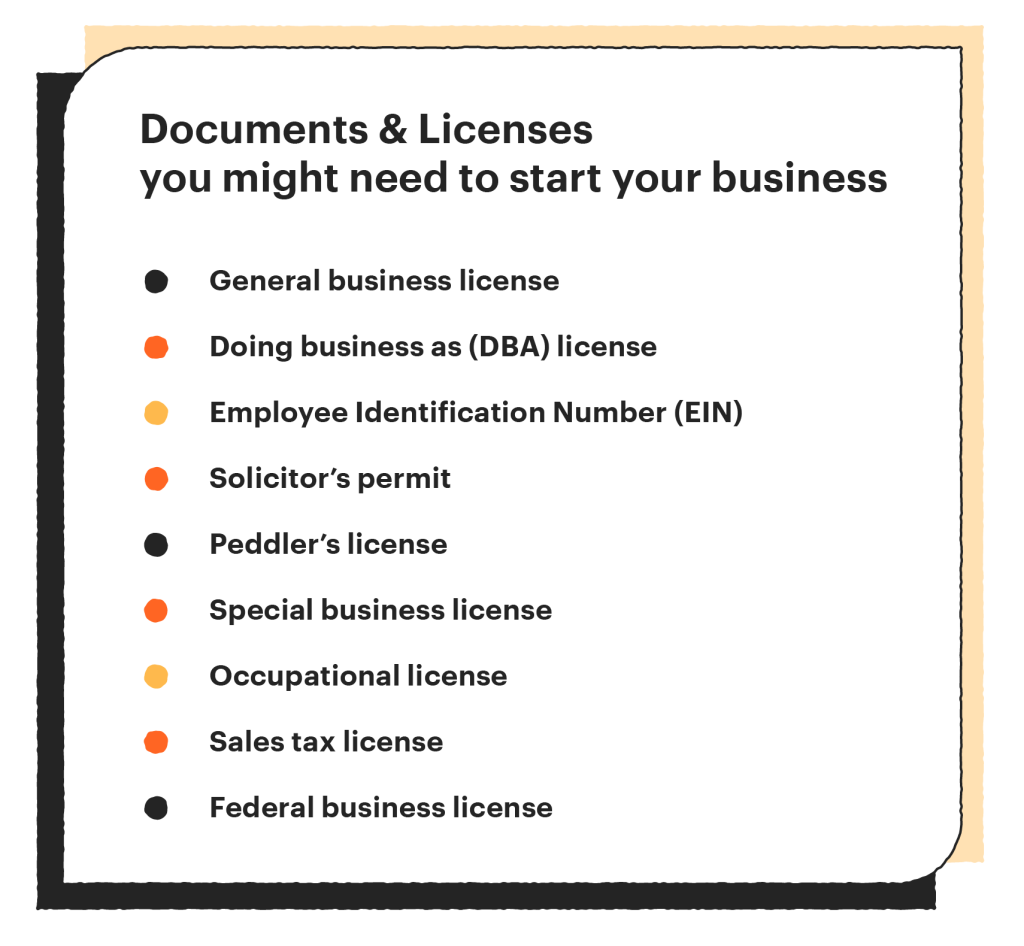
- Employer Identification Number (EIN): For almost all businesses, especially those with employees or those structured as corporations or partnerships, an EIN is essential. Issued by the IRS, this nine-digit number is your business’s federal tax ID, analogous to a Social Security Number for an individual. You’ll need it to open a business bank account, file tax returns, and handle payroll. Obtaining an EIN is a free and straightforward process, typically completed online. Without it, you cannot legally perform many fundamental financial operations.
- State Business Registration: Most states require businesses to register their legal entity with the Secretary of State or a similar government agency. This officially creates your LLC or corporation and makes your business name legally recognized within that state. This registration is a prerequisite for opening bank accounts and obtaining state-level licenses. The associated fees are a significant initial financial outlay.
- Local Business Licenses and Permits: Depending on your business activity and location, you’ll likely need various licenses and permits from your city or county. These can include a general business license, zoning permits (ensuring your business location complies with local land use regulations), health permits (for food service), occupancy permits, and signage permits, among others. Failing to secure these can result in hefty fines, forced closure, and significant financial losses. The cost of these permits varies widely but must be factored into your startup budget.
- Industry-Specific Licenses: Certain professions and industries are regulated by state or federal agencies, requiring specialized licenses. Examples include licenses for contractors, real estate agents, financial advisors, healthcare providers, and child care services. Operating without the necessary professional license can lead to severe legal penalties, including fines, injunctions, and loss of the ability to practice, directly jeopardizing your financial investment and future earnings.
Securing Essential Financial Permissions and Accounts
Beyond basic operational licenses, setting up dedicated financial infrastructure is paramount for legal compliance and sound money management.
- Opening a Dedicated Business Bank Account: This is not just good practice; it’s a legal necessity for LLCs and corporations to maintain their limited liability protection. Commingling personal and business finances (“piercing the corporate veil”) can expose your personal assets to business liabilities. A separate account simplifies financial tracking, streamlines tax preparation, and projects professionalism to clients and vendors. It also facilitates legal audit trails and ensures clear separation of taxable income.
- Payment Processing Setup: If your business accepts credit card payments or online transactions, you’ll need to set up merchant accounts or integrate with payment processors (e.g., Stripe, PayPal, Square). These services come with legal terms and conditions, transaction fees, and compliance requirements (e.g., PCI DSS for credit card security). Understanding these legal agreements and associated costs is crucial to ensure smooth financial operations and avoid legal disputes related to payment handling or data breaches.
- Understanding Local Tax ID Requirements: In addition to federal EIN, some states or localities may require a separate tax ID number for state income tax, sales tax, or property tax purposes. Registering for and properly managing these specific tax IDs is essential for collecting and remitting taxes accurately, avoiding legal penalties for non-compliance.
Understanding Your Tax Obligations and Financial Compliance
Taxes are an unavoidable aspect of running a business, and understanding your obligations from a legal and financial perspective is crucial for sustained solvency. Mismanagement of tax responsibilities can lead to severe penalties, interest charges, and legal action.
Federal and State Tax Responsibilities

Your business structure dictates a significant portion of your tax obligations, but other taxes apply broadly to various business types.
- Income Tax: How your business income is taxed depends heavily on its legal structure. Sole proprietorships and partnerships (including single-member and multi-member LLCs taxed as such) are “pass-through” entities, meaning profits and losses are reported on the owners’ personal tax returns (Form 1040). C-corporations, however, file their own corporate tax returns (Form 1120) and pay corporate income tax. S-corporations also pass profits and losses through to owners but have specific requirements for how owner compensation is handled. Understanding these nuances can significantly impact your personal and business tax burden.
- Self-Employment Tax: For sole proprietors, partners, and LLC members (taxed as sole proprietors or partnerships), you are considered self-employed. This means you are responsible for paying both the employer and employee portions of Social Security and Medicare taxes, collectively known as self-employment tax. This is typically a significant financial commitment and must be factored into your budget.
- Sales Tax: If your business sells goods or certain services, you may be legally obligated to collect sales tax from customers and remit it to the appropriate state and local tax authorities. This requires registering for a sales tax permit, accurately tracking sales, and filing periodic sales tax returns. Failure to collect and remit sales tax correctly can result in fines and legal liability for the uncollected amounts.
- Payroll Taxes: If you hire employees, you become responsible for withholding federal and state income taxes, Social Security, and Medicare taxes from their wages. You, as the employer, also contribute matching amounts for Social Security and Medicare, and typically pay federal and state unemployment taxes (FUTA and SUTA). These are critical legal and financial responsibilities, with strict deadlines and reporting requirements. Mismanaging payroll taxes can lead to severe penalties from the IRS and state tax agencies.
- Property Taxes: If your business owns real estate or certain types of personal property (e.g., equipment), you will likely be subject to local property taxes. These taxes are based on the assessed value of the property and vary by jurisdiction.
- Estimated Taxes: Most businesses are required to pay estimated taxes quarterly throughout the year, rather than a lump sum at year-end. This applies to income tax and self-employment tax. Failing to pay sufficient estimated taxes can result in underpayment penalties.
Adhering to Financial Regulations and Record-Keeping
Beyond specific tax types, businesses must also comply with broader financial regulations and maintain meticulous records.
- Importance of Accurate Bookkeeping: From day one, establishing a robust system for financial record-keeping is non-negotiable. This includes tracking all income, expenses, assets, and liabilities. Accurate bookkeeping provides the necessary legal documentation for tax filings, audits, and financial reporting. It also helps in making informed business decisions and proving financial solvency. Legal issues can arise from inadequate records during an audit or dispute.
- Compliance with Financial Reporting Standards: Depending on your business size and structure, you may need to adhere to specific financial reporting standards (e.g., GAAP – Generally Accepted Accounting Principles). This is particularly relevant for corporations and businesses seeking external investment, where transparency and accuracy in financial statements are legally mandated.
- Understanding Consumer Protection Laws: Laws governing pricing, disclosures, refunds, and advertising directly impact your financial interactions with customers. Misleading pricing, failure to honor warranties, or deceptive advertising can lead to consumer lawsuits, regulatory fines, and significant reputational and financial damage.
- Data Privacy and Security for Financial Information: With the increasing prevalence of digital transactions, businesses are legally obligated to protect sensitive customer financial data. Laws like GDPR (Europe) and CCPA (California) impose strict requirements on data collection, storage, and usage. Non-compliance can result in substantial fines and legal action, impacting your financial stability. Investing in robust cybersecurity measures is not just good practice, but a critical legal safeguard against financial and reputational loss.
Protecting Your Assets and Mitigating Financial Risk
A legally sound business isn’t just about compliance; it’s also about strategically safeguarding your financial assets and minimizing exposure to risk. This involves proactive measures like insurance and meticulously drafted legal agreements.
The Role of Business Insurance
Insurance is a critical financial safety net and, in many cases, a legal requirement that protects your business from unforeseen events that could otherwise lead to devastating financial losses.
- General Liability Insurance: This is often considered the most fundamental type of business insurance. It protects your business from claims of bodily injury, property damage, and advertising injury (like libel or slander) that occur as a result of your business operations. A slip-and-fall accident on your premises or damage to client property could lead to expensive lawsuits; general liability coverage ensures you’re not financially crippled by such incidents.
- Professional Liability / Errors & Omissions (E&O) Insurance: Essential for service-based businesses (consultants, designers, accountants, doctors, etc.), E&O insurance protects against claims of negligence, mistakes, or inadequate work that result in financial loss for a client. A single error could lead to a lawsuit that exceeds your business’s entire annual revenue without this crucial protection.
- Property Insurance: If your business owns or leases a physical location and has valuable equipment, inventory, or furniture, property insurance protects these assets from damage due to fire, theft, vandalism, and other covered perils. Replacing these assets out-of-pocket after an incident could be financially ruinous.
- Workers’ Compensation Insurance: This is legally mandated in most states for businesses with employees. It provides medical benefits and wage replacement for employees who suffer work-related injuries or illnesses, in exchange for relinquishing the employee’s right to sue the employer for negligence. Without it, you could face hefty fines and direct liability for employee injuries.
- Cyber Insurance: In the digital age, cyberattacks and data breaches are growing threats. Cyber insurance helps cover the costs associated with these incidents, including data recovery, legal fees, notification costs, and regulatory fines. Given the increasing legal requirements around data protection, this is becoming an indispensable form of financial protection.
Each type of insurance represents a premium cost, but it is a necessary investment to shield your business from potentially catastrophic legal liabilities and financial setbacks.
Drafting Legal Contracts and Agreements
Well-drafted contracts are the backbone of sound business operations, defining financial terms, responsibilities, and legal recourse, thereby mitigating disputes and protecting your interests.
- Client/Customer Contracts: Clear contracts with your clients or customers are essential. They legally define the scope of work, payment terms (including rates, invoicing schedules, late payment penalties), deliverables, intellectual property rights, and dispute resolution mechanisms. This clarity protects both parties, prevents misunderstandings, and provides a legal basis for collecting payments or enforcing terms. Without strong contracts, collecting outstanding invoices can become a costly legal battle.
- Vendor Agreements: When engaging with suppliers, service providers, or contractors, having robust vendor agreements is crucial. These contracts legally stipulate service levels, delivery schedules, payment terms, confidentiality clauses, and remedies for breach of contract. They ensure you receive the goods or services you pay for and protect your financial investments from unreliable partners.
- Employment Contracts: For employees, formal employment contracts or offer letters clearly outline job roles, compensation (salary, benefits, bonuses), intellectual property assignments, non-disclosure agreements, and terms of termination. These documents legally protect your business from employment disputes, unfair dismissal claims, and the loss of proprietary information, all of which carry significant financial and legal risks.
- Operating Agreements (for LLCs) or Partnership Agreements (for Partnerships): While internal documents, these are legally vital. An LLC operating agreement, for instance, details members’ financial contributions, profit and loss distribution, management structure, decision-making processes, and procedures for admitting new members or resolving disputes. Similarly, a partnership agreement outlines partners’ responsibilities, capital contributions, profit sharing, and dissolution procedures. These agreements legally solidify internal financial arrangements, preventing future conflicts that could escalate into costly litigation or business dissolution.
Continuous Legal and Financial Oversight
Starting a business legally is just the beginning. Maintaining compliance and financial health requires ongoing vigilance. The legal landscape is dynamic, and failing to keep pace can lead to unforeseen financial penalties and operational disruptions.
Staying Current with Regulatory Changes
Laws and regulations are not static; they evolve constantly. This includes tax codes, industry-specific regulations, employment laws, and data privacy mandates.
- Impact of Evolving Legislation: A tax law change could significantly alter your financial liabilities or reporting requirements. New environmental regulations might necessitate costly operational adjustments. Changes in employment law could affect your hiring practices, payroll, or employee benefits. Staying informed is paramount to avoid non-compliance fines, legal challenges, and financial penalties.
- Importance of Ongoing Education and Professional Consultation: Business owners should proactively monitor relevant legislative changes. Subscribing to industry newsletters, attending webinars, and regularly consulting with legal and accounting professionals (such as business attorneys, tax advisors, and Certified Public Accountants) are essential. These experts can help interpret new laws and adapt your business practices to remain compliant, safeguarding your financial stability. For instance, tax law updates can often present opportunities for financial optimization that a skilled CPA can identify.
Regular Financial and Legal Audits
Periodic internal reviews of your financial and legal standing are proactive measures to identify and rectify issues before they escalate into costly problems.
- Reviewing Financial Statements and Records: Regularly reviewing your balance sheets, income statements, and cash flow statements ensures accuracy and consistency. This helps identify discrepancies, potential fraud, or inefficiencies that could lead to financial losses or legal issues during an external audit. Legal scrutiny often begins with financial transparency and correctness.
- Checking Licenses, Permits, and Legal Documents: Periodically audit your business licenses, permits, and registrations to ensure they are current and renewed. Many permits have expiration dates, and operating with an expired license can lead to immediate fines or forced shutdowns, directly impacting revenue. Review all legal contracts (client, vendor, employee) to ensure they are up-to-date and still serve your business’s best interests, especially as your business grows or changes its offerings.
- Proactive Issue Identification: Regular audits allow you to catch minor issues—like an outdated insurance policy, an unfiled tax form, or a non-compliant aspect of your website—before they become significant legal challenges or financial liabilities. This proactive approach is far less costly than reacting to a crisis after it has already caused damage. It ensures that the financial and legal foundations laid at the beginning continue to support your business’s growth effectively.
Conclusion
Starting a business legally is far more than a bureaucratic chore; it is an intelligent and necessary investment in your venture’s financial health and longevity. By carefully selecting the right business structure, meticulously navigating registrations and licenses, conscientiously managing tax obligations, strategically insuring against risks, and safeguarding through robust contracts, you establish a resilient framework. These legal steps, though sometimes complex, are fundamental to protecting your personal assets, ensuring operational continuity, optimizing your financial performance, and ultimately, building a trustworthy and successful enterprise. Remember, proactive legal and financial diligence is not a cost, but a critical cornerstone of sustainable wealth creation and peace of mind. Always consider consulting with legal and financial professionals to tailor these strategies to your specific business needs and circumstances.
aViewFromTheCave is a participant in the Amazon Services LLC Associates Program, an affiliate advertising program designed to provide a means for sites to earn advertising fees by advertising and linking to Amazon.com. Amazon, the Amazon logo, AmazonSupply, and the AmazonSupply logo are trademarks of Amazon.com, Inc. or its affiliates. As an Amazon Associate we earn affiliate commissions from qualifying purchases.