
Embarking on the entrepreneurial journey is a deeply personal and often daunting endeavor. While passion, vision, and hard work are undoubtedly crucial, the bedrock upon which any sustainable business is built is sound financial planning and astute resource management. My own path to setting up a business wasn’t paved with instant success, but rather meticulously calculated steps, each one underpinned by a rigorous financial perspective. This isn’t just a story of a business born, but a testament to how a focus on financial viability from day one shaped its very existence and trajectory.

Many aspiring entrepreneurs dive headfirst into their ideas, sometimes overlooking the critical financial realities until it’s too late. My approach, however, was anchored in understanding the monetary landscape of my venture before laying a single brick. From initial capital allocation to ongoing cash flow management, every decision was filtered through a lens of financial prudence. This article will share the detailed financial framework I established, illustrating how a strategic monetary mindset can transform a nascent idea into a thriving enterprise.
The Genesis of a Business Idea: Financial Viability First
The spark of an idea is exhilarating, but for me, that spark had to be immediately followed by a cold, hard look at the numbers. A brilliant concept without a clear path to profitability is merely a hobby, not a business. My first step was always to identify a market need, but crucially, one that presented a genuine financial opportunity.
Identifying a Market Need with Profit Potential
Before investing any significant time or capital, I conducted extensive market research, specifically focusing on the financial aspects of potential niches. This wasn’t just about identifying problems people wanted solved, but problems they were willing to pay to solve. I looked for gaps where existing solutions were either too expensive, inefficient, or simply non-existent, creating an opening for a more financially attractive alternative.
This involved:
- Analyzing existing market prices: What were competitors charging? Was there room for me to offer a competitive price while maintaining a healthy margin?
- Estimating customer willingness to pay: Through surveys and discussions, I tried to gauge the perceived value of my potential solution and how that translated into a justifiable price point.
- Assessing market size and growth potential: A niche might be profitable, but if the market is too small or shrinking, long-term financial viability is compromised. I sought markets with robust growth forecasts.
The goal was to identify an intersection of passion and profit, ensuring that the inherent interest in the business idea was matched by a tangible return on investment.
Initial Financial Assessment and Risk Mitigation
Once a promising idea emerged, the next critical phase was a rigorous financial assessment. This wasn’t about securing funding yet, but about understanding the financial anatomy of the proposed business.
Key steps included:
- Detailed Startup Cost Projections: I itemized every single expense required to get the business off the ground – from registration fees, equipment purchases, initial inventory, software subscriptions, to marketing launch costs and professional services (legal, accounting). No expense was too small to be accounted for.
- Revenue Stream Forecasting: How would money flow into the business? I modeled various scenarios for sales volume, pricing tiers, and recurring revenue opportunities. This wasn’t wishful thinking but based on market data and conservative estimates.
- Break-Even Analysis: This was a non-negotiable step. I calculated the point at which total costs and total revenues would be equal, indicating the minimum sales volume required to avoid losses. Understanding this number early on provided a realistic benchmark and highlighted the inherent financial risk.
- Scenario Planning: What if sales were 20% lower than expected? What if a key supplier increased prices? I built financial models that allowed me to stress-test the business under various optimistic and pessimistic scenarios, preparing for potential financial setbacks.
This meticulous upfront financial work provided clarity, identified potential pitfalls, and armed me with the data necessary to make informed decisions about whether to proceed, and how.
Budgeting for Bootstrapping vs. Funding
With the financial assessment complete, the decision point arrived: how would the business be funded? My initial inclination was to bootstrap as much as possible, minimizing external debt and equity dilution.
- Bootstrapping: This meant leaning heavily on personal savings, keeping overhead exceptionally low, and reinvesting early profits. I meticulously budgeted for every dollar, prioritizing essential expenditures and deferring non-critical ones. This approach fostered financial discipline and forced creative solutions to resource constraints.
- Exploring External Funding: While bootstrapping was preferred, I also understood its limitations. I researched various funding avenues – small business loans, lines of credit, and even potential angel investors – to understand their terms, requirements, and implications for equity or debt. The decision to pursue external funding would only be made if it demonstrably accelerated growth in a financially sound manner, rather than simply covering operating deficits.
Funding Your Venture: Smart Capital Acquisition
Securing the necessary capital is often the first major financial hurdle for any new business. My strategy was always to acquire capital intelligently, ensuring it aligned with the business’s long-term financial health and my personal risk tolerance.
Personal Savings and Bootstrapping
My primary source of initial capital came from personal savings. This decision was deliberate, fostering a profound sense of ownership and urgency. When your own money is on the line, every expenditure is scrutinized with intense care.
- Lean Operations: I committed to a lean startup model, avoiding unnecessary expenses. This meant working from a home office, leveraging free or low-cost software, and outsourcing non-core functions only when absolutely necessary and cost-effective.
- Phased Investment: Instead of a large upfront investment, I approached capital deployment in phases. Funds were released only as specific milestones were met or proven necessary, minimizing wasted capital on unproven assumptions.
- Early Revenue Focus: My business model was designed to generate revenue as quickly as possible. Even small early sales were crucial, not just for income, but for validating the market and building momentum. This reduced the reliance on my initial savings and proved the concept’s financial viability.
Exploring Debt Financing
While bootstrapping provided the initial runway, sustained growth sometimes requires a larger infusion of capital. I carefully considered debt financing as a tool for expansion, not for survival.
- Understanding Loan Types: I researched various small business loans (e.g., SBA loans, term loans, lines of credit), comparing interest rates, repayment schedules, collateral requirements, and eligibility criteria.
- Business Plan & Projections: A comprehensive business plan with robust financial projections was essential for any loan application. Lenders want to see a clear path to repayment, backed by realistic revenue forecasts and expense management.
- Creditworthiness: Building a strong personal and business credit score was crucial. This involved responsible management of personal finances leading up to the business launch and establishing a separate business credit profile early on. I understood that favorable loan terms were directly tied to perceived creditworthiness.
Grant Opportunities and Alternative Funding
Beyond traditional loans, I also investigated non-dilutive funding options such as grants. While often competitive and specific in their criteria, grants offer capital without requiring equity or repayment.
- Researching Eligibility: I looked into government programs, industry-specific grants, and local economic development initiatives that aligned with my business’s mission or sector.
- Crafting Compelling Applications: Grant applications often require detailed proposals outlining the business’s societal impact, financial need, and project plan. This required significant time and effort, but the potential reward of free capital made it worthwhile.
- Crowdfunding (Consideration): While not ultimately chosen for my specific venture, I also considered crowdfunding platforms. These can be excellent for validating product ideas and generating initial sales/pre-orders, effectively raising capital directly from future customers.
Financial Infrastructure and Operational Setup
With capital secured, the next critical phase was to build a robust financial infrastructure. This lays the groundwork for accurate financial reporting, compliance, and informed decision-making.
Setting Up Business Bank Accounts and Accounting Systems
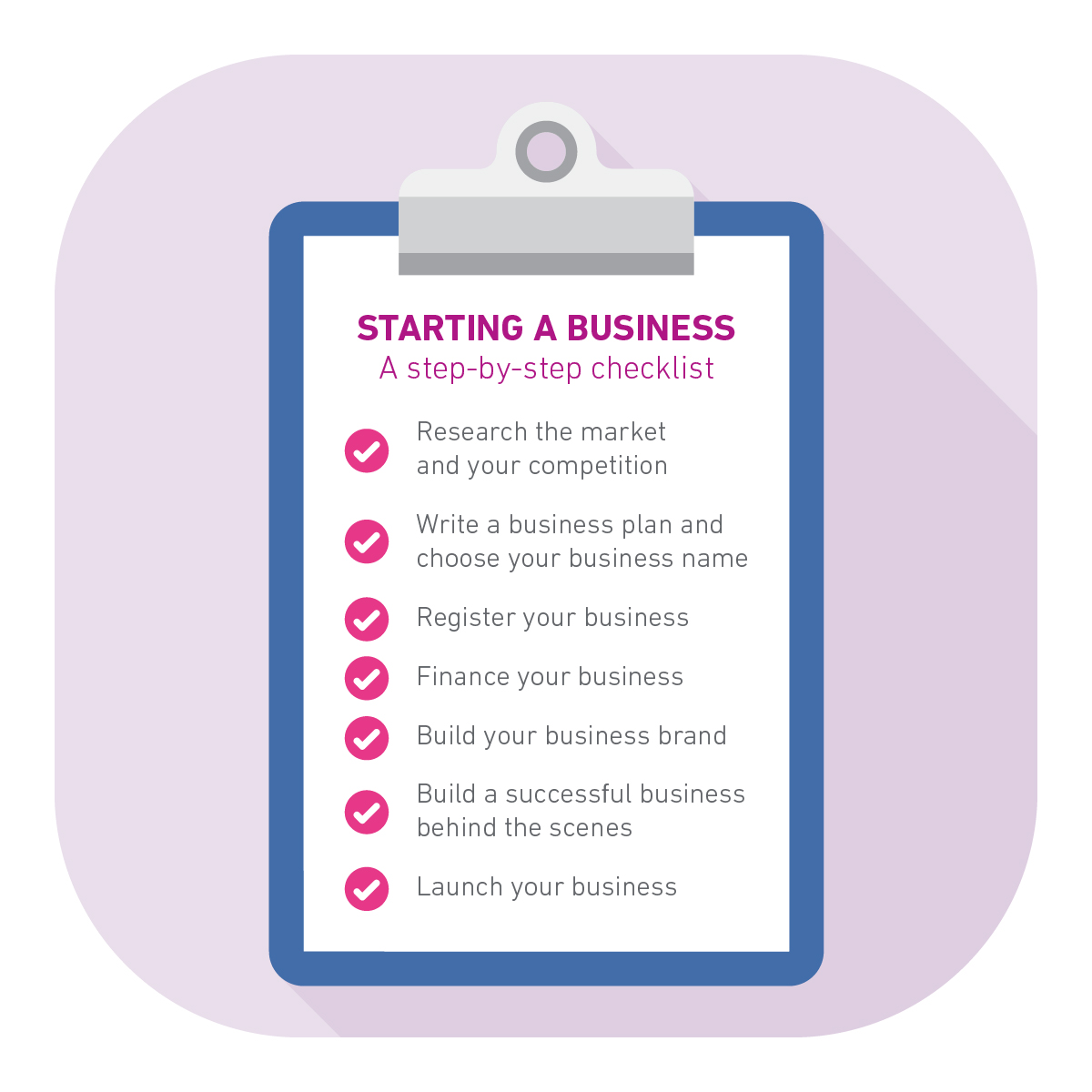
One of the first and most crucial steps was to formally separate personal and business finances. This is not just a best practice but a legal necessity for certain business structures and essential for financial clarity.
- Dedicated Business Accounts: I opened separate checking and savings accounts exclusively for business transactions. This streamlined expense tracking, simplified tax preparation, and protected personal assets.
- Choosing Accounting Software: I invested in user-friendly accounting software (e.g., QuickBooks, Xero, FreshBooks) from day one. This allowed for automated transaction categorization, easy invoice generation, expense tracking, and generation of essential financial reports (profit and loss, balance sheet, cash flow statement). This was a critical tool for understanding the real-time financial health of the business.
- Payment Processors: Integrating reliable payment processors (e.g., Stripe, PayPal, Square) was also key for efficient revenue collection, both online and offline.
Crafting a Financial Model and Projections
Beyond the initial startup costs, I developed a comprehensive financial model that served as a living document, guiding operational decisions and long-term strategy.
- Detailed Revenue Forecasting: This model incorporated various revenue streams, projecting sales volumes, pricing strategies, and potential growth rates over 1, 3, and 5 years. These were not static figures but continually updated based on actual performance and market shifts.
- Operational Expense Tracking: Every recurring expense, from rent and utilities to software subscriptions, salaries, and marketing spend, was meticulously tracked and projected. This allowed for proactive budgeting and identification of cost-saving opportunities.
- Cash Flow Management: This was paramount. My financial model included detailed cash flow projections, showing money coming in and going out, ensuring the business would always have enough liquidity to meet its obligations. Understanding the cash conversion cycle was crucial to prevent liquidity crises.
- Key Performance Indicators (KPIs): The model also integrated key financial KPIs such as gross margin, net profit margin, customer acquisition cost (CAC), and customer lifetime value (CLTV), providing actionable insights into the business’s performance.
Understanding Taxes and Legal Financial Compliance
Navigating the complexities of business taxation and legal compliance is non-negotiable. Missteps here can lead to significant financial penalties and legal issues.
- Business Structure: My choice of business structure (e.g., LLC, Sole Proprietorship, S-Corp) was made with careful consideration of liability protection, ease of administration, and, crucially, tax implications. I consulted with an accountant and legal advisor to determine the most financially advantageous and legally sound structure for my specific venture.
- Tax Obligations: I educated myself on federal, state, and local tax requirements, including income tax, sales tax, payroll taxes (if hiring employees), and estimated tax payments. Setting aside funds for taxes regularly was an integral part of my financial planning.
- Record Keeping: Maintaining accurate and organized financial records was stressed from the beginning. This included all invoices, receipts, bank statements, and payroll records, facilitating seamless tax filing and audit preparedness.
Sustainable Growth: Managing Cash Flow and Profitability
Setting up a business is just the beginning; ensuring its sustained profitability and growth requires continuous vigilance over cash flow and strategic financial management.
Pricing Strategies for Profit
Pricing is not merely a number; it’s a strategic decision that directly impacts profitability and market positioning.
- Cost-Plus Pricing: While I understood my cost of goods/services, I rarely relied solely on cost-plus. It served as a baseline, ensuring I wasn’t selling at a loss.
- Value-Based Pricing: My primary approach was value-based pricing, where prices were set according to the perceived value my product or service delivered to the customer, rather than just my costs. This allowed for higher margins if the value proposition was strong.
- Competitive Analysis: I constantly monitored competitor pricing, but never blindly matched it. The goal was to understand where my offering stood in the market and how its unique value justified its price.
- Tiered Pricing/Bundling: Offering different tiers or bundling services allowed me to capture a wider range of customers and maximize revenue per customer.
Expense Management and Cost Optimization
Maintaining a healthy bottom line requires continuous scrutiny of expenses. Even as the business grew, I never lost sight of cost optimization.
- Regular Review: I conducted monthly reviews of all operational expenses, identifying areas where costs could be reduced without impacting quality or service delivery.
- Negotiation: From software subscriptions to supplier contracts, I made it a practice to negotiate terms whenever possible, seeking better rates or more favorable payment terms.
- Automation: Investing in automation tools for repetitive tasks helped reduce labor costs and improve efficiency, freeing up resources for higher-value activities.
- ROI-Driven Spending: Every marketing dollar, every new tool, every hire was evaluated based on its potential return on investment. If it didn’t demonstrably contribute to revenue or efficiency, it was reconsidered.
Reinvesting Profits vs. Taking Distributions
As the business started generating profits, a crucial decision point emerged: how to allocate those earnings.
- Strategic Reinvestment: My initial focus was on reinvesting a significant portion of profits back into the business to fuel growth. This included expanding product lines, investing in R&D, scaling marketing efforts, or upgrading infrastructure. This approach prioritized long-term value creation over immediate personal gain.
- Owner’s Draw/Salary: While reinvestment was key, I also established a reasonable owner’s draw or salary for myself, ensuring my personal financial needs were met without depleting the business’s vital capital. This required careful budgeting of personal expenses alongside business profits.
- Emergency Fund: A portion of profits was always allocated to building a robust business emergency fund, providing a safety net for unexpected downturns or opportunities.
The Long Game: Financial Resilience and Future Planning
Building a business is a marathon, not a sprint. My financial strategy extended far beyond immediate profitability, focusing on long-term resilience and strategic future planning.
Building a Financial Safety Net
Just as individuals need personal emergency funds, businesses require a financial safety net to weather storms.
- Operating Reserve: I aimed to maintain an operating reserve equivalent to at least 3-6 months of fixed expenses. This cash reserve provided peace of mind and allowed the business to absorb unforeseen shocks, market downturns, or temporary revenue dips without panic.
- Diversification of Assets: While the primary focus was on the business, I also considered personal financial diversification outside of the business, ensuring that my entire financial well-being wasn’t solely tied to the company’s immediate performance.
Diversifying Revenue Streams
Reliance on a single revenue stream, no matter how profitable, is a significant financial risk. I continuously explored opportunities to diversify.
- Product/Service Expansion: As the core business stabilized, I looked for logical extensions of my offerings that could appeal to existing customers or attract new segments.
- Geographic Expansion: If applicable, exploring new markets beyond the initial launch zone could open up new revenue opportunities.
- Partnerships and Collaborations: Strategic alliances could generate new income streams through referrals, joint ventures, or shared services.
Exit Strategy (Financial Perspective)
While it might seem premature when just starting, contemplating an exit strategy from a financial perspective is a fundamental part of long-term business planning.
- Valuation Considerations: Understanding what makes a business valuable (e.g., recurring revenue, strong profit margins, intellectual property, market share) guided my operational and financial decisions from early on. Every decision was made with an eye on enhancing the business’s eventual salability or intrinsic worth.
- Succession Planning: Even if a full sale wasn’t the immediate goal, planning for potential succession, whether to a family member or a key employee, involved ensuring the business’s financial operations were robust and transferable.
Setting up a business is a challenging yet profoundly rewarding journey. By approaching it with a disciplined, foresightful financial mindset, you lay a solid foundation that not only enables survival but fosters sustainable growth and long-term prosperity. My experience has shown that while ideas ignite passion, it’s meticulous financial planning and management that truly fuel the entrepreneurial dream.
aViewFromTheCave is a participant in the Amazon Services LLC Associates Program, an affiliate advertising program designed to provide a means for sites to earn advertising fees by advertising and linking to Amazon.com. Amazon, the Amazon logo, AmazonSupply, and the AmazonSupply logo are trademarks of Amazon.com, Inc. or its affiliates. As an Amazon Associate we earn affiliate commissions from qualifying purchases.