
Building business credit is a critical step for any entrepreneur aiming for sustainable growth, access to capital, and financial independence from personal assets. It’s a strategic financial maneuver that separates your business’s financial health from your own, opening doors to better funding options, lower interest rates, and improved vendor relationships. Unlike personal credit, which is tied to your Social Security Number, business credit is linked to your business’s Employer Identification Number (EIN) and its unique financial identity. Understanding this distinction and actively working to cultivate a strong business credit profile is paramount for long-term success.
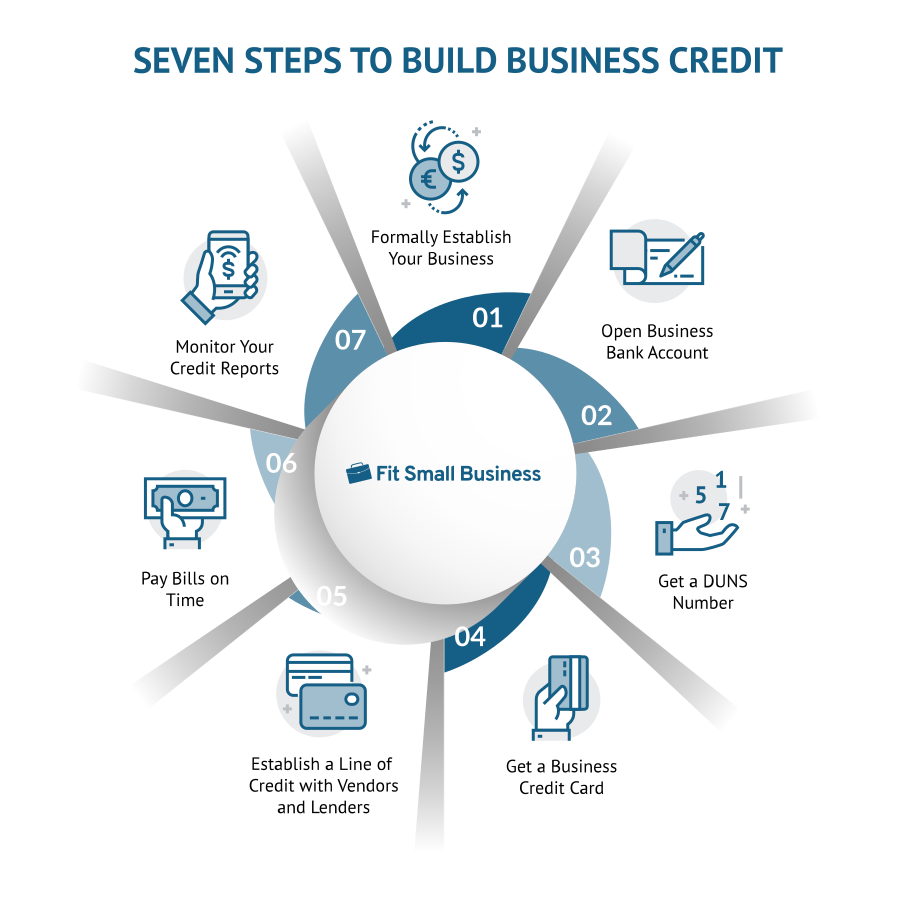
Laying the Foundation: Essential Precursors to Business Credit
Before you can even begin applying for business credit, your enterprise needs to establish a solid financial identity. This foundational work ensures that credit bureaus and lenders can accurately assess and report on your business’s financial behavior. Skipping these initial steps can significantly hinder your ability to build a robust credit profile.
Legally Structuring Your Business and Obtaining an EIN
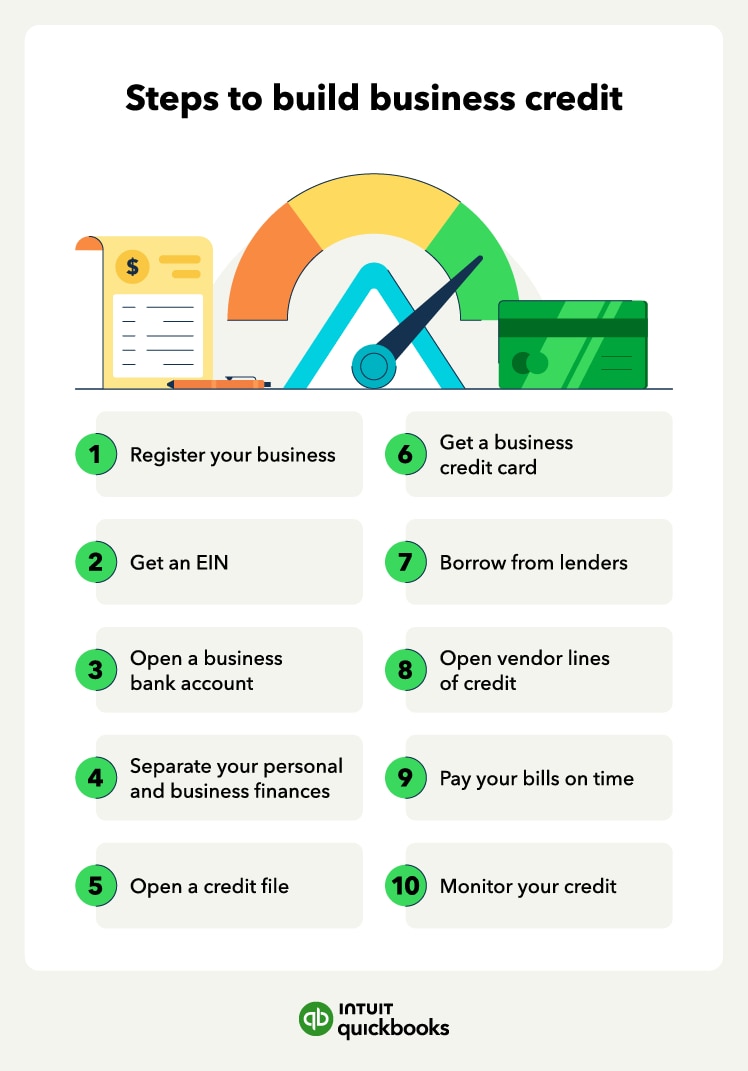
The very first step is to formally register your business as a legal entity. While sole proprietorships and partnerships are common, forming an LLC, S-Corp, or C-Corp provides legal separation and is generally preferred by lenders for credit-building purposes. This formal structure helps delineate business assets and liabilities from personal ones. Once your business is legally formed, obtain an Employer Identification Number (EIN) from the IRS. This nine-digit number is your business’s equivalent of a Social Security Number and is essential for opening business bank accounts, filing taxes, and, most importantly, for credit reporting. Without an EIN, your business cannot establish its own credit file.
Establishing Dedicated Business Banking Accounts
A fundamental rule for building business credit is to maintain clear separation between personal and business finances. This starts with opening dedicated business checking and savings accounts. Not only does this simplify accounting and tax preparation, but it also creates a verifiable financial history for your business. Lenders often review business bank statements to assess cash flow, financial stability, and operational consistency. Consistently depositing revenue and paying business expenses from these accounts establishes a professional financial footprint that credit bureaus can eventually track.
Obtaining a DUNS Number
A Data Universal Numbering System (DUNS) number is a unique nine-digit identifier for businesses, maintained by Dun & Bradstreet (D&B). It is widely used by lenders, suppliers, and business partners to verify your business’s existence and creditworthiness. Many credit-granting institutions require a DUNS number before they will extend credit. Applying for a DUNS number is free and typically takes a few weeks to process, though expedited options are available. Once you have your DUNS number, D&B will begin compiling your business’s credit file, allowing them to track your payment history with various creditors. This step is critical because D&B is one of the three major business credit bureaus, alongside Experian Business and Equifax Business.
Initiating Your Business Credit Profile: Tiered Approach
Once your foundational elements are in place, you can begin the active process of acquiring credit that reports to the business credit bureaus. This is often done in tiers, starting with easier-to-obtain credit and progressing to more substantial lines.
Vendor Credit (Tier 1)
The most accessible starting point for building business credit is often through vendor or trade credit. These are accounts with suppliers that offer payment terms, typically “Net 30,” meaning you have 30 days to pay an invoice after receiving goods or services. Many vendors, especially those that cater to new businesses, will extend credit without a strong existing credit history. Look for vendors in your industry or for general office supplies that explicitly state they report payment activity to business credit bureaus. Examples might include Uline, Quill, Grainger, or specific industry suppliers. Always confirm that the vendor reports to D&B, Experian Business, or Equifax Business before opening an account. Make sure to pay these invoices on time, or even early, to establish a positive payment history.
Store Business Credit Cards (Tier 2)
Once you have a few positive vendor tradelines reporting, you can move on to applying for store business credit cards. These cards are typically offered by larger retailers (e.g., Staples, Lowe’s, Amazon Business) and can be easier to obtain than general-purpose business credit cards. While they often have lower credit limits and can only be used at the issuing store, they are excellent for building your credit history. Just like with vendor accounts, ensure that these cards report to the major business credit bureaus. Use these cards for regular business expenses and pay off the balances consistently and on time to demonstrate responsible credit management.
General Business Credit Cards (Tier 3)
After successfully managing vendor accounts and store credit cards, your business will likely have enough credit history to qualify for general business credit cards from major banks (e.g., Visa, MasterCard, American Express). These cards offer greater flexibility, higher credit limits, and often come with rewards programs. They also report to business credit bureaus, significantly boosting your credit profile. When applying, be prepared for lenders to potentially request a personal guarantee, especially if your business is young. A personal guarantee means you are personally responsible for the debt if your business defaults. While it links your personal credit to the business debt, it’s a common requirement for new businesses and a necessary step for accessing higher-tier credit. As your business credit grows stronger, you may eventually qualify for cards that do not require a personal guarantee.
Business Loans and Lines of Credit
For more significant capital needs, traditional business loans and lines of credit become an option. These can range from term loans for expansion to revolving lines of credit for managing cash flow. Banks and credit unions will extensively review your business credit reports, financial statements, and business plan. A robust business credit score, coupled with healthy cash flow and a solid business plan, will significantly improve your chances of approval and secure more favorable terms. Remember that every successful repayment of a business loan further strengthens your credit profile.
Nurturing and Monitoring Your Business Credit Profile
Building business credit is an ongoing process that requires diligent management and regular monitoring. A strong credit profile is maintained through consistent responsible financial behavior.
Consistent Payment Practices
The cornerstone of excellent business credit is a perfect payment history. Always pay your invoices, credit card bills, and loan installments on time or even early. Late payments are a significant detriment to your credit score and can remain on your report for years, signaling risk to potential lenders. Set up automated payments or reminders to ensure no due dates are missed. Punctual payments demonstrate reliability and financial discipline, which are highly valued by creditors.
Monitoring Your Business Credit Reports
Just as you monitor your personal credit, it’s crucial to regularly review your business credit reports from Dun & Bradstreet, Experian Business, and Equifax Business. You can purchase these reports directly from the bureaus or through third-party services. Monitoring allows you to:
- Identify inaccuracies: Errors can occur, and quickly disputing them can prevent damage to your credit score.
- Track progress: See how new tradelines and timely payments are impacting your scores.
- Spot fraudulent activity: Protect your business from identity theft.
- Understand your standing: Know what lenders see when they evaluate your business.
Each bureau uses its own scoring model, so understanding the factors that influence each score is beneficial. For example, D&B’s PAYDEX score ranges from 1 to 100, with higher scores indicating prompt payments.
Maintaining Low Utilization
Credit utilization, the ratio of your current credit usage to your total available credit, is a significant factor in business credit scores, similar to personal credit. High utilization rates can indicate financial strain and a higher risk of default. Aim to keep your credit utilization below 30% on all revolving credit lines. Even if you pay off your balances in full each month, high reported utilization could negatively impact your score if the report is generated before your payment clears. Strategically staggering your purchases or making multiple payments within a billing cycle can help keep reported utilization low.
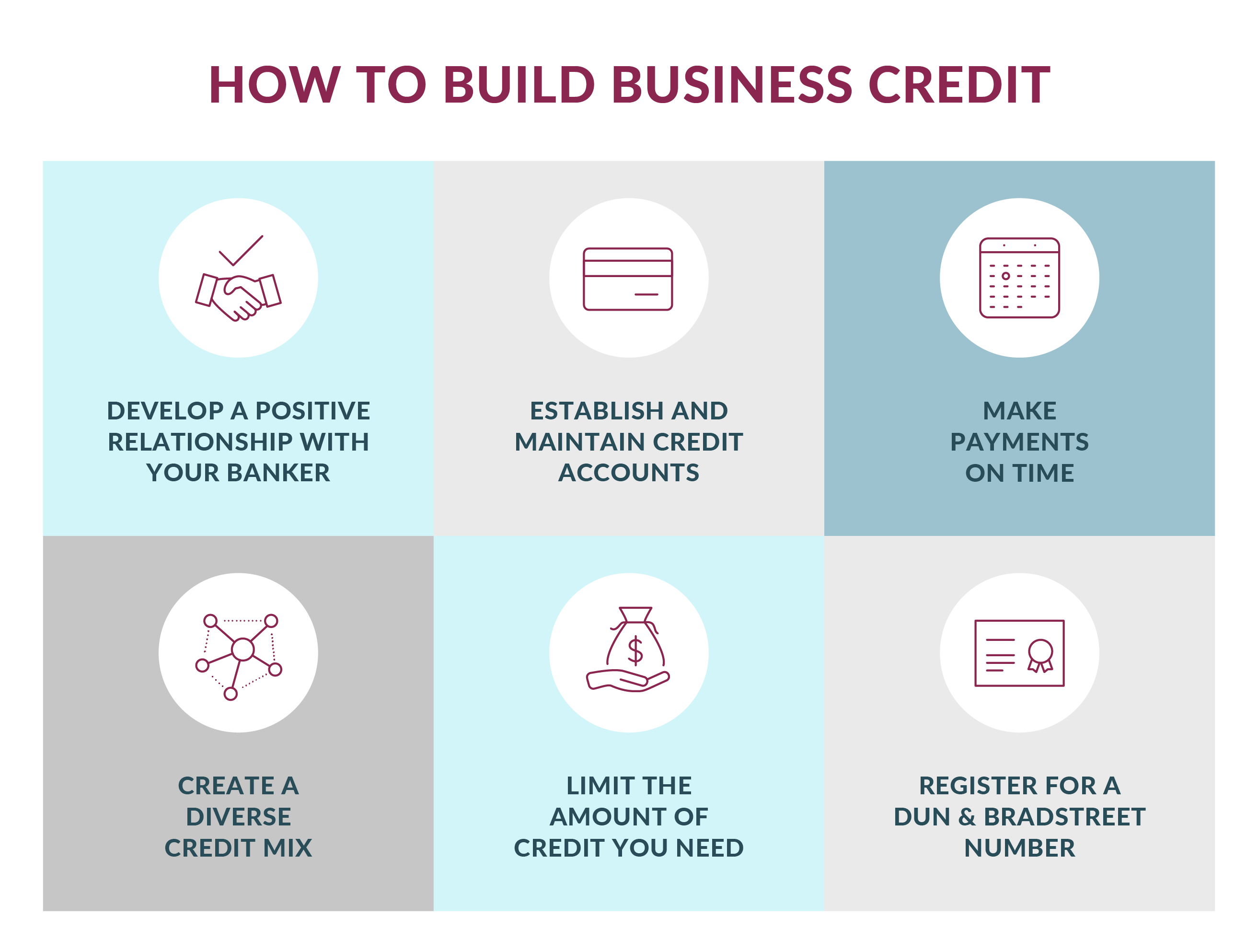
The Long-Term Advantage: Strategic Growth
Building business credit is not a sprint; it’s a marathon that yields significant long-term advantages. A strong business credit profile can lead to:
- Better access to capital: Secure larger loans, lines of credit, and investor interest.
- More favorable terms: Lower interest rates, longer repayment periods, and reduced collateral requirements.
- Improved vendor relationships: Negotiate better terms with suppliers, potentially extending payment windows or receiving volume discounts.
- Enhanced credibility: Boost your business’s reputation and perceived stability in the eyes of partners, customers, and investors.
- Separation from personal finances: Protect your personal assets and credit score from business liabilities, fostering true financial independence for your enterprise.
By diligently following these steps, maintaining strict financial hygiene, and consistently monitoring your progress, any business can build a formidable credit profile that supports sustainable growth and unlocks new opportunities.
aViewFromTheCave is a participant in the Amazon Services LLC Associates Program, an affiliate advertising program designed to provide a means for sites to earn advertising fees by advertising and linking to Amazon.com. Amazon, the Amazon logo, AmazonSupply, and the AmazonSupply logo are trademarks of Amazon.com, Inc. or its affiliates. As an Amazon Associate we earn affiliate commissions from qualifying purchases.