
Building business credit is a cornerstone of financial stability and growth for any enterprise, regardless of its size or industry. Distinct from personal credit, a robust business credit profile unlocks access to better funding opportunities, more favorable terms with suppliers, and a clear separation between your personal and business finances. Understanding how to systematically establish and nurture this vital asset is crucial for long-term success.
Understanding the Foundation of Business Credit
The journey to building business credit begins with grasping its fundamental principles and differentiating it from personal credit. While a strong personal credit score can initially assist a new business, the ultimate goal is to create an independent financial identity for your company.
Why Business Credit Matters
A well-established business credit profile offers a multitude of advantages. Primarily, it grants your business access to larger lines of credit and loans, often with lower interest rates and more flexible repayment terms than those tied to personal credit. It enables you to secure vendor credit, purchasing goods and services on net-30, net-60, or net-90 terms, which significantly improves cash flow. Moreover, separating your business credit from your personal credit protects your personal assets and credit score from business liabilities, fostering a clearer financial distinction that is often vital for legal and tax purposes. Lenders and suppliers view businesses with established credit as more reliable and less risky, opening doors to partnerships and opportunities that might otherwise be unavailable.
Key Differences from Personal Credit
The most significant distinction lies in the reporting mechanisms and identifiers. Personal credit is tied to your Social Security Number (SSN) and reported to the three major consumer credit bureaus: Experian, Equifax, and TransUnion. Business credit, conversely, is linked to your Employer Identification Number (EIN) and reported to specialized business credit bureaus such as Dun & Bradstreet, Experian Business, and Equifax Business. These agencies track different data points, including payment history with suppliers, public records like bankruptcies or liens, and financial statements. While personal credit scores typically range from 300-850, business credit scores often use different scales and methodologies, such as Dun & Bradstreet’s PAYDEX score (0-100) or Experian’s Intelliscore Plus (1-100).
The Role of Your Business Entity
The legal structure of your business plays a critical role in establishing business credit. Sole proprietorships and partnerships often find their business finances closely intertwined with their owners’ personal credit, making it harder to build a distinct business profile. Conversely, establishing a Limited Liability Company (LLC) or a Corporation (S-Corp or C-Corp) is a vital first step in creating legal and financial separation. These entities are recognized as distinct legal persons, allowing them to obtain their own EIN, open separate bank accounts, and apply for credit in the business’s name. This separation is fundamental for building business credit independently of the owner’s personal credit history.
Establishing Your Business’s Creditworthiness
Laying a robust foundation is paramount for building business credit. This involves a series of formal steps that demonstrate your business’s legitimacy and financial organization.
Formalizing Your Business
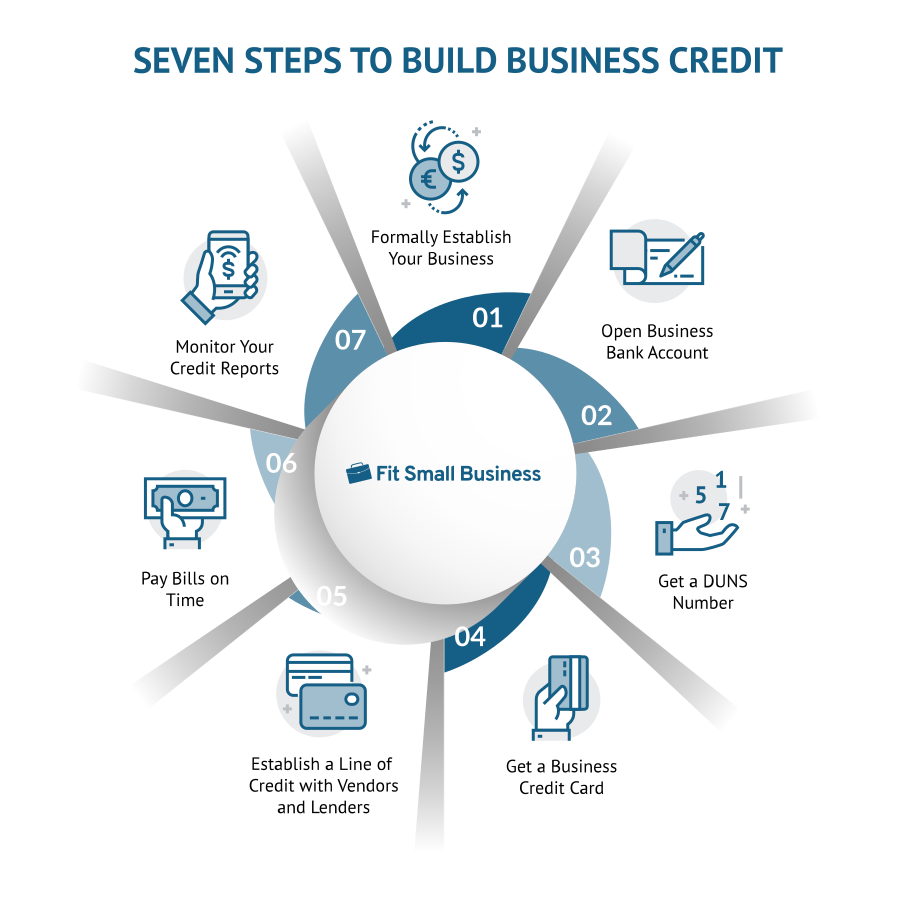
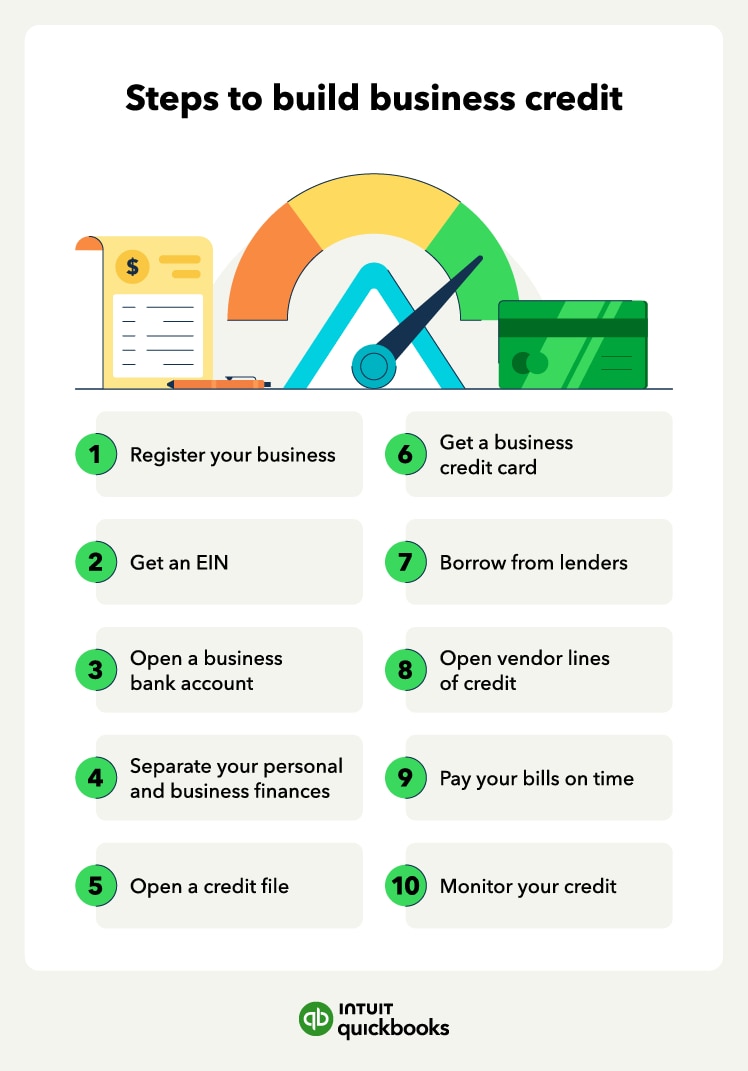
Before any credit can be built, your business needs to be formally recognized. This begins with registering your business with the appropriate state and local government agencies. This could involve obtaining a business license, registering your business name, or forming your legal entity (LLC, Corporation). Next, you must secure an Employer Identification Number (EIN) from the IRS. Even if you don’t plan to hire employees, an EIN serves as your business’s federal tax ID and is crucial for many business activities, including opening bank accounts and applying for credit. Immediately after, open a dedicated business bank account. This is non-negotiable for separating personal and business finances, simplifying accounting, and proving your business’s financial activity. Ensure all business income flows into this account and all business expenses are paid from it. Finally, establish a professional business address and phone number; avoid using personal addresses and cell phones, as these can detract from your business’s perceived professionalism and legitimacy in the eyes of lenders.
Getting a DUNS Number
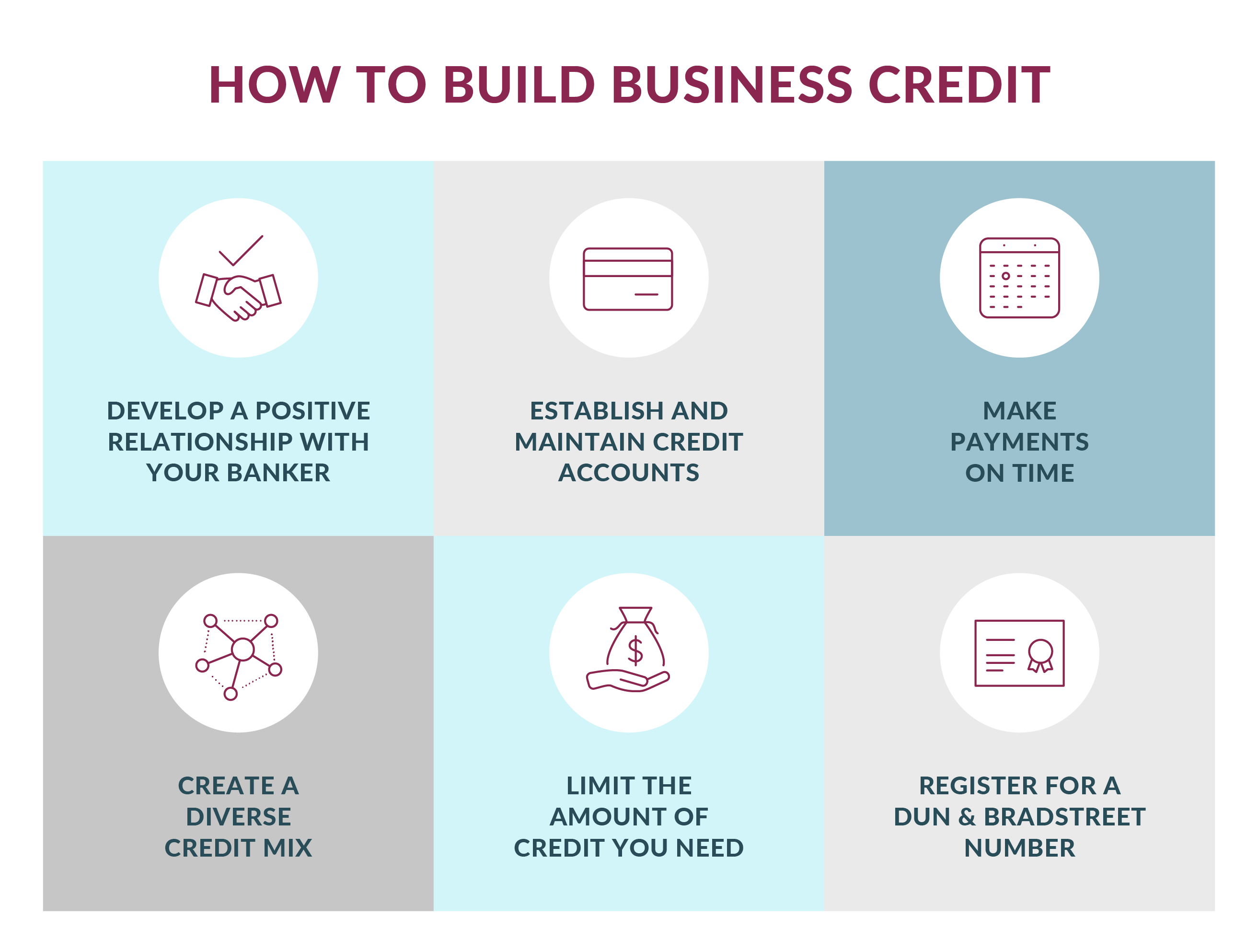
A Data Universal Numbering System (DUNS) number is a unique nine-digit identifier for businesses, primarily used by Dun & Bradstreet (D&B), one of the leading business credit reporting agencies. Many lenders, particularly government contractors and larger corporations, require a DUNS number for business credit applications. Applying for a DUNS number is free and can be done directly through D&B’s website. Once obtained, D&B will begin collecting information on your business, including its payment history, which contributes to your PAYDEX score. This score is a critical indicator of how promptly your business pays its bills and is widely referenced by potential creditors.
Building Early Tradelines
The quickest way to start building business credit is by establishing “tradelines” – accounts that report your payment history to business credit bureaus.
- Vendor Credit (Net-30 Accounts): These are lines of credit offered by suppliers that allow you to purchase goods or services on credit with a specific payment due date (e.g., 30 days after invoicing). Many suppliers, particularly in office supplies (e.g., Uline, Quill, Grainger), industrial supplies, or shipping services, offer net-30 terms and report payment activity to business credit bureaus. Apply for several of these accounts and, crucially, pay your invoices on time or even early. Consistent, timely payments will quickly establish positive tradelines.
- Small Business Credit Cards: Starting with secured business credit cards or cards designed for new businesses can also be effective. These cards often have lower credit limits or require a security deposit, but they report to business credit bureaus. Use them for everyday business expenses and pay the full balance monthly to demonstrate responsible credit management.
Strategies for Rapid Credit Building
Once the foundational elements are in place, proactive strategies can accelerate the growth of your business credit profile.
Diversifying Your Credit Portfolio
A healthy business credit profile isn’t just about having accounts; it’s about having a diverse mix of credit types. While vendor accounts and credit cards are excellent starting points, consider adding other forms of business credit as your company grows and qualifies.
- Business Loans: Even small, short-term business loans, if managed responsibly, can significantly boost your credit. Microloans or lines of credit from traditional banks or online lenders can diversify your credit mix.
- Equipment Financing: If your business requires machinery or vehicles, financing these assets can add another positive tradeline.
- Commercial Mortgages: For businesses purchasing real estate, a commercial mortgage represents a substantial credit obligation that, when paid consistently, demonstrates significant creditworthiness.
Each new type of credit, when handled responsibly, reinforces your business’s ability to manage debt effectively, signaling a lower risk profile to potential lenders.
Monitoring Your Business Credit Reports
Just as you monitor your personal credit, regular oversight of your business credit reports is essential. Obtain copies of your reports from Dun & Bradstreet, Experian Business, and Equifax Business.
- Regular Checks for Accuracy: Review your reports for any inaccuracies, such as incorrect account balances, outdated information, or accounts you don’t recognize. Errors can negatively impact your credit scores and hinder your ability to secure financing.
- Understanding Your Scores: Familiarize yourself with the various scoring models used by each bureau (e.g., PAYDEX score, Intelliscore Plus, Financial Stability Risk Score). Understanding what contributes to these scores will help you identify areas for improvement.
- Dispute Inaccuracies Promptly: If you find any discrepancies, dispute them immediately with the respective credit bureau. Provide clear documentation to support your claims. Resolving errors ensures your credit profile accurately reflects your business’s financial health.
Strategic Use of Business Credit Cards
Business credit cards are powerful tools for building and managing business credit, but their strategic use is key.
- Responsible Spending and Repayment: Use business credit cards for operational expenses, and always aim to pay the full balance by the due date. This demonstrates a low credit utilization ratio and a strong payment history, both positively impacting your credit scores.
- Higher Credit Limits Over Time: As you consistently demonstrate responsible usage, credit card issuers will often increase your credit limits. Higher limits, combined with low utilization, further bolster your credit profile.
- Benefits for Cash Flow and Rewards: Beyond credit building, business credit cards can offer valuable benefits like cash back, travel rewards, or purchase protection, which can further benefit your business’s bottom line.
Maintaining and Optimizing Your Business Credit Profile
Building business credit is an ongoing process. Consistent discipline and strategic financial management are necessary to maintain a strong credit profile and ensure your business remains financially agile.
Consistent On-Time Payments
This is, without a doubt, the single most crucial factor in maintaining an excellent business credit score. Every business credit bureau heavily weights payment history. Late payments, even by a few days, can significantly damage your score and remain on your report for years.
- Setting Up Reminders and Automated Payments: Implement a robust system for tracking due dates. Utilize calendar reminders, accounting software with payment alerts, or set up automated payments for recurring bills to ensure you never miss a deadline.
- Prioritizing Invoices: Develop a cash flow management strategy that prioritizes paying bills that report to business credit bureaus.
Managing Credit Utilization
Credit utilization refers to the amount of credit you are using compared to your total available credit. A low utilization ratio signals financial prudence and a lower risk to lenders.
- Keeping Balances Low: Aim to keep your credit card balances and lines of credit well below their limits, ideally under 30%. For example, if you have a $10,000 credit limit, try to keep your balance below $3,000.
- Paying Off Balances More Frequently: Instead of waiting for the statement due date, consider making multiple payments throughout the month to keep your reported balance low.
Avoiding Personal Guarantees (When Possible)
When you’re starting, many lenders will require a personal guarantee (PG) on business loans and lines of credit, especially if your business credit is new or limited. A PG means you, as an individual, are personally responsible for the debt if your business defaults.
- The Goal of Separation: As your business credit strengthens, strive to qualify for financing that does not require a personal guarantee. This fully separates your personal and business liabilities, protecting your personal assets.
- Mitigating Risks: When PGs are unavoidable, ensure you fully understand the terms and are confident in your business’s ability to repay the debt. Work towards building sufficient business credit so you can eventually refinance or acquire new credit without a PG.
Reinvesting in Your Business Responsibly
Demonstrating consistent growth and financial health through responsible reinvestment can subtly yet effectively reinforce your business’s creditworthiness. When your business is profitable and uses its capital to expand, improve operations, or develop new products, it signals stability and future potential to lenders. This isn’t a direct credit building action, but it reflects prudent financial management that contributes to the overall perception of your business’s reliability and capacity to handle debt. Lenders look for financially sound businesses that are likely to thrive and fulfill their obligations, and strategic reinvestment is a clear indicator of such health.
Building business credit is a journey requiring diligence, strategic planning, and consistent responsible financial behavior. By formalizing your business, establishing tradelines, diversifying your credit, monitoring your reports, and managing your finances prudently, you can cultivate a strong business credit profile that will serve as a powerful asset for your company’s long-term success and expansion.
aViewFromTheCave is a participant in the Amazon Services LLC Associates Program, an affiliate advertising program designed to provide a means for sites to earn advertising fees by advertising and linking to Amazon.com. Amazon, the Amazon logo, AmazonSupply, and the AmazonSupply logo are trademarks of Amazon.com, Inc. or its affiliates. As an Amazon Associate we earn affiliate commissions from qualifying purchases.