
Starting a successful business is an endeavor that demands foresight, resilience, and, perhaps most critically, a robust understanding of financial principles. While passion and innovation are catalysts, the true longevity and prosperity of any venture hinge on meticulous financial planning, astute resource management, and strategic monetary decisions. This isn’t merely about having enough capital to begin; it’s about building a financial framework that supports growth, navigates challenges, and ultimately generates sustainable wealth.
Laying the Financial Foundation: Planning and Capital Acquisition
The journey to a successful business begins long before the first sale, with the meticulous crafting of a financial roadmap and the strategic acquisition of necessary capital. Without a solid financial foundation, even the most brilliant business ideas are susceptible to collapse.

Crafting a Robust Business Plan with Financial Projections
A comprehensive business plan serves as the blueprint for your venture, with its financial section acting as the engine. This isn’t just a document for investors; it’s a critical tool for you, the entrepreneur, to understand the financial viability and requirements of your idea. Key components include:
- Startup Cost Analysis: Detail every single expense required to get your business off the ground. This includes legal fees, licenses, permits, equipment, initial inventory, office space (if applicable), marketing materials, website development, and initial operational expenses (rent, utilities, salaries) for the first few months. Be exhaustive, as underestimating these costs is a common pitfall.
- Revenue Projections: Forecast your sales and income over a realistic timeframe, typically one to five years. Base these projections on market research, competitor analysis, pricing strategy, and your expected sales volume. Be conservative in your initial estimates and be prepared to justify your figures.
- Operating Expense Budget: Beyond startup costs, project your recurring monthly or annual expenses. This includes salaries, rent, utilities, insurance, marketing spend, supplies, maintenance, and loan repayments. Categorize these into fixed costs (which don’t change with production volume) and variable costs (which do).
- Cash Flow Statement: This is arguably the most crucial financial statement for a new business. It tracks the actual cash coming in and going out of your business over a period. A positive cash flow ensures you can meet your obligations. Projecting cash flow helps identify potential shortfalls before they occur, allowing you to plan for additional financing or adjust operations.
- Break-Even Analysis: Determine the point at which your total revenue equals your total expenses, meaning your business is no longer operating at a loss. Understanding your break-even point provides a clear financial goal and helps in pricing and sales volume decisions.
- Profit and Loss (P&L) Statement: Also known as an income statement, this summarizes revenues, costs, and expenses over a period, showing your net profit or loss. Projecting your P&L helps assess the long-term profitability of your venture.
Securing Initial Capital: Funding Options and Strategies
Once you have a clear understanding of your financial needs, the next step is to secure the necessary funding. The choice of funding mechanism can significantly impact your business’s ownership, debt obligations, and financial flexibility.
- Self-Funding (Bootstrapping): Using personal savings, credit cards (with caution), or income from a side hustle to fund your business. This allows you to retain full ownership and control, but limits the scale and speed of growth. It forces financial discipline and lean operations.
- Friends and Family: Often a source of early capital, but it’s crucial to treat these agreements formally with clear loan documents or equity agreements to avoid personal disputes.
- Small Business Loans: Traditional bank loans or credit lines, often requiring a solid business plan, collateral, and a good personal credit score. Government-backed loans (like SBA loans in the U.S.) can offer more favorable terms.
- Venture Capital (VC) and Angel Investors: For high-growth potential businesses, these investors provide significant capital in exchange for equity. They often bring mentorship and connections, but you’ll dilute your ownership and face high expectations for rapid returns.
- Crowdfunding: Platforms like Kickstarter or Indiegogo allow you to raise small amounts of capital from a large number of individuals, often in exchange for pre-orders or unique perks. Equity crowdfunding also exists, allowing you to sell small stakes in your company.
- Grants: Certain industries or types of businesses (e.g., those with social impact, innovation) may qualify for government or private grants, which do not require repayment.
Each funding option comes with its own set of trade-offs, impacting cash flow, ownership structure, and the pressure for rapid returns. A careful analysis of your business model and risk tolerance is essential.
Mastering Business Finance from Day One
Securing capital is just the beginning. The ongoing financial health of your business depends on rigorous management of income and expenses, ensuring cash flow remains positive and profits are maximized.
Budgeting, Cash Flow Management, and Expense Tracking
Effective financial management is a continuous process.
- Implement a Strict Budget: Stick to the operating expense budget you developed in your business plan. Regularly review it against actual spending to identify areas of overspending or opportunities for cost reduction. A rolling budget, updated periodically, can provide more flexibility.
- Monitor Cash Flow Diligently: Cash is king for small businesses. Even profitable businesses can fail due to poor cash flow (e.g., customers paying late, large inventory purchases). Regularly review your cash flow statement. Implement strategies to accelerate receivables (e.g., clear invoicing, early payment discounts) and manage payables effectively (e.g., negotiate favorable payment terms).
- Track Every Expense: Use accounting software (e.g., QuickBooks, Xero) from day one to categorize and track all income and expenses. This simplifies tax preparation, provides accurate financial reporting, and helps you understand where your money is going. Separate business and personal finances absolutely.
Pricing Strategies for Profitability
Pricing is a critical financial lever that directly impacts revenue and profitability. It’s not just about covering costs; it’s about perceived value, market positioning, and maximizing gross margins.
- Cost-Plus Pricing: Calculate the total cost to produce your product or service and add a desired profit margin. Simple, but may not reflect market value.
- Value-Based Pricing: Price your offerings based on the perceived value they deliver to the customer, rather than just your costs. This requires deep understanding of your target market and competitive landscape.
- Competitive Pricing: Set prices based on what your competitors charge. Useful for commodity products, but can lead to price wars if not careful.
- Dynamic Pricing: Adjust prices in real-time based on demand, seasonality, or other market factors. Common in e-commerce and travel.
- Psychological Pricing: Employ strategies like charm pricing (e.g., $9.99 instead of $10) or premium pricing to influence customer perception.
Regularly review and adjust your pricing strategy as market conditions change, costs fluctuate, and your value proposition evolves.
Understanding Your Break-Even Point
As established in your business plan, the break-even point is the level of sales volume at which total revenues equal total costs. Knowing this number is fundamental for setting sales targets and evaluating the financial feasibility of new products or services.
- Calculation:
- Fixed Costs: Costs that do not change regardless of production volume (rent, salaries, insurance).
- Variable Costs per Unit: Costs directly associated with producing one unit of your product or service (raw materials, direct labor).
- Selling Price per Unit: The price at which you sell each unit.
- Contribution Margin per Unit: Selling Price per Unit – Variable Costs per Unit.
- Break-Even Point (Units) = Fixed Costs / Contribution Margin per Unit
- Break-Even Point (Sales Revenue) = Fixed Costs / ((Selling Price per Unit – Variable Costs per Unit) / Selling Price per Unit)
Regularly recalculate your break-even point, especially after significant changes in costs, pricing, or product offerings, to ensure your business remains on a path to profitability.
Scaling for Sustained Financial Growth
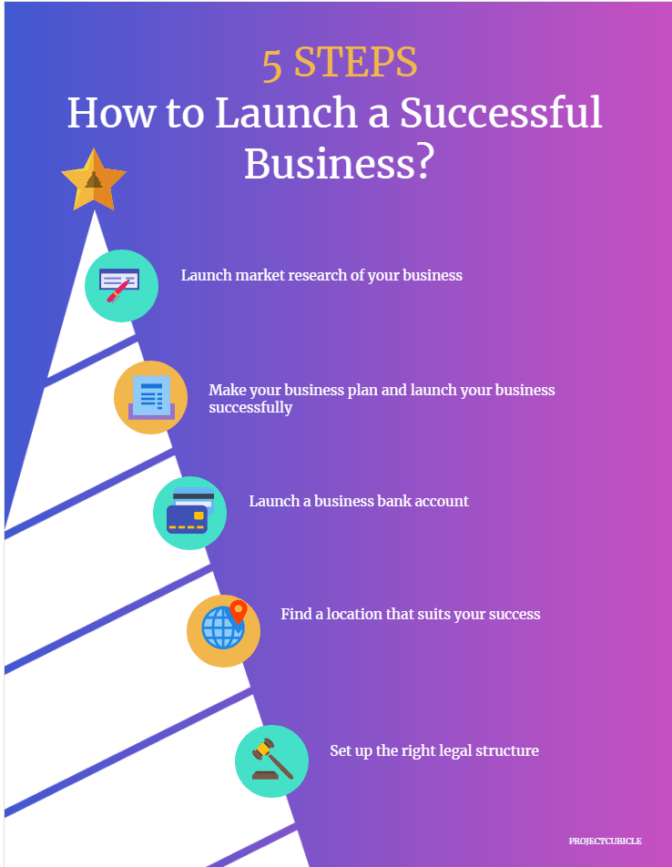
A successful business doesn’t just survive; it grows strategically. This requires a proactive approach to financial planning, reinvestment, and diversification.
Reinvesting Profits Smartly
Once your business achieves profitability, a crucial financial decision is how to utilize those earnings. Smart reinvestment is key to sustainable growth.
- Working Capital: Maintain adequate working capital to cover day-to-day operations, manage inventory, and bridge gaps in cash flow.
- Growth Initiatives: Invest in areas that will drive future revenue: expanding product lines, entering new markets, upgrading technology, enhancing marketing efforts, or hiring key talent.
- Debt Reduction: Use profits to pay down high-interest debt, reducing financial risk and freeing up cash flow.
- Emergency Fund: Build a financial cushion to weather unexpected downturns, market shifts, or unforeseen expenses.
- Owner’s Compensation: While important, ensure owner’s draws or salaries are balanced with the business’s need for reinvestment, especially in early growth stages.
Every reinvestment decision should align with your long-term financial goals and growth strategy, with a clear expected return on investment.
Diversifying Revenue Streams
Relying on a single product, service, or customer segment can be risky. Diversifying revenue streams builds financial resilience and opens new avenues for growth.
- New Products/Services: Expand your offerings to appeal to existing customers or new market segments.
- Different Pricing Models: Introduce subscription services, tiered pricing, bundles, or premium versions of your offerings.
- New Sales Channels: Explore e-commerce, wholesale, partnerships, or international markets.
- Licensing or Franchising: If applicable, license your intellectual property or franchise your business model.
- Ancillary Services: Offer complementary services that enhance your core offering and provide additional value.
Careful financial modeling is necessary when exploring new revenue streams to assess their potential profitability and impact on existing operations.
Financial Metrics for Success: KPIs and Analysis
Beyond basic profit and loss, tracking key performance indicators (KPIs) provides deeper insights into your financial health and efficiency.
- Gross Profit Margin: (Revenue – Cost of Goods Sold) / Revenue. Indicates the profitability of your core products/services.
- Net Profit Margin: Net Profit / Revenue. Shows the overall profitability after all expenses.
- Return on Investment (ROI): (Net Profit from Investment / Cost of Investment) * 100. Measures the efficiency of an investment.
- Customer Acquisition Cost (CAC): Total Marketing & Sales Costs / Number of New Customers. How much it costs to acquire one customer.
- Customer Lifetime Value (CLV): Average Purchase Value * Average Purchase Frequency * Average Customer Lifespan. The total revenue a customer is expected to generate.
- Burn Rate: The rate at which an unprofitable company is spending its venture capital to finance overhead before generating positive cash flow. Crucial for startups.
- Days Sales Outstanding (DSO): (Accounts Receivable / Total Credit Sales) * Number of Days. How long it takes to collect receivables.
Regularly analyze these KPIs to identify trends, pinpoint areas for improvement, and make data-driven financial decisions.
Mitigating Financial Risks and Building Resilience
A truly successful business is one that can withstand financial shocks and adapt to changing economic landscapes. This involves proactive risk management and strategic financial planning.
Emergency Funds and Contingency Planning
Just as individuals need an emergency fund, so do businesses. Set aside a reserve equivalent to several months of operating expenses. This fund provides a buffer against unexpected downturns, major equipment failures, natural disasters, or significant changes in market demand. Contingency planning involves outlining specific financial actions to take if adverse events occur, such as identifying non-essential expenses that can be cut, alternative revenue streams, or pre-approved credit lines.
Debt Management and Credit Building
Strategic use of debt can fuel growth, but mismanagement can lead to financial distress.
- Responsible Borrowing: Only take on debt that you can comfortably repay and that has a clear return on investment. Avoid high-interest debt for operational expenses.
- Maintain a Good Business Credit Score: This is distinct from your personal credit score. Pay suppliers on time, manage business credit cards responsibly, and ensure your financial statements are healthy. A strong business credit profile can lead to better loan terms in the future.
- Diversify Debt Sources: Don’t rely solely on one lender. Explore various options to get the best rates and terms.
Regularly review your debt portfolio and strategize ways to optimize it, potentially through refinancing or accelerated repayment of high-cost debt.

Legal and Tax Considerations for Financial Health
Ignoring legal and tax obligations can lead to significant financial penalties and even business failure.
- Choose the Right Legal Structure: Whether a sole proprietorship, LLC, S-Corp, or C-Corp, your business structure has significant implications for taxation, liability, and capital raising. Consult with a legal and tax professional to choose the structure that best suits your financial goals and risk profile.
- Understand Tax Obligations: Be fully aware of federal, state, and local taxes, including income tax, sales tax, payroll tax, and self-employment tax. Set aside funds regularly to cover these obligations.
- Maintain Meticulous Records: Accurate financial records are essential for tax compliance, audits, and sound financial decision-making. Leverage accounting software and professional bookkeeping services.
- Secure Appropriate Insurance: Protect your business from financial losses due to property damage, liability claims, business interruption, or employee-related issues. Adequate insurance is a crucial financial safeguard.
Building a successful business is a marathon, not a sprint. It demands continuous financial vigilance, strategic planning, and an unwavering commitment to sound money management. By prioritizing financial literacy, meticulous planning, and disciplined execution, entrepreneurs can build not just a business, but a lasting legacy of financial success.
aViewFromTheCave is a participant in the Amazon Services LLC Associates Program, an affiliate advertising program designed to provide a means for sites to earn advertising fees by advertising and linking to Amazon.com. Amazon, the Amazon logo, AmazonSupply, and the AmazonSupply logo are trademarks of Amazon.com, Inc. or its affiliates. As an Amazon Associate we earn affiliate commissions from qualifying purchases.