
Embarking on the entrepreneurial journey is a significant step towards financial independence and personal fulfillment. The dream of being your own boss, setting your own hours, and building something from the ground up resonates with countless individuals seeking an alternative to traditional employment. However, the critical first hurdle often lies in answering the fundamental question: “What best small business should I start?” This isn’t just about finding a good idea; it’s about identifying a financially viable, sustainable, and personally fulfilling venture that aligns with market demand and your own capabilities.
In an ever-evolving economic landscape, the opportunities for small businesses are vast, ranging from traditional brick-and-mortar establishments to innovative online ventures that leverage digital platforms for global reach. This article delves into the strategic financial considerations and profitable niches that can help aspiring entrepreneurs make informed decisions, focusing strictly on the monetary aspects of launching and sustaining a successful small business.
Navigating the Financial Landscape of Small Business Opportunities
Before diving into specific business ideas, it’s crucial to understand the overarching financial principles that underpin any successful venture. A robust financial framework isn’t merely about securing startup capital; it encompasses forecasting, managing cash flow, understanding profitability, and planning for sustainable growth.
Assessing Startup Capital and Funding Mechanisms
One of the most significant initial financial considerations is the amount of capital required to get your business off the ground. Small businesses are often attractive precisely because they can be started with relatively modest investments compared to larger enterprises.
Understanding Initial Investment Needs
The nature of your business will dictate your startup costs. A service-based business, such as consulting or freelance writing, might require little more than a computer, internet connection, and perhaps some professional software licenses. Conversely, a retail store or a manufacturing operation will entail substantial costs for inventory, equipment, rent, utilities, and potentially staff salaries. It’s vital to create a detailed startup budget that accounts for one-time expenses (equipment, legal fees, initial marketing) and recurring operational costs (rent, utilities, salaries, inventory purchases) for at least the first 6-12 months, as profitability often isn’t immediate.
Exploring Funding Options
Once you have an estimate of your capital needs, the next step is to explore funding sources.
- Bootstrapping: This involves self-funding your business using personal savings, credit cards, or by generating initial revenue quickly. It’s often preferred for its independence and lack of debt, but it requires careful personal financial management.
- Friends and Family: This can be a flexible source of capital, but it’s crucial to formalize the arrangement with clear terms to avoid potential conflicts.
- Small Business Loans: Traditional banks and credit unions offer various loan products tailored for small businesses. These often require a solid business plan, collateral, and a good personal credit score.
- Microloans: Organizations like the Small Business Administration (SBA) partner with lenders to provide smaller loans, often to underserved entrepreneurs or those who might not qualify for traditional bank loans.
- Crowdfunding: Platforms like Kickstarter or Indiegogo allow businesses to raise capital from a large number of individuals, often in exchange for early access to products or other rewards. This can also serve as a market validation tool.
- Grants: While competitive and often tied to specific industries or demographics, small business grants can provide non-repayable funds.
Projecting Revenue and Profitability
A compelling business idea is only truly viable if it can generate sufficient revenue to cover costs and yield a profit. This requires careful financial forecasting.
Developing Realistic Financial Projections
Creating a comprehensive financial forecast involves estimating sales volumes, pricing strategies, and anticipating variable and fixed costs. This typically includes a sales forecast, profit and loss statement, cash flow statement, and balance sheet for the first 3-5 years. While these are estimates, they force you to think critically about your business model, target market, pricing, and operational efficiency. Overly optimistic projections are a common pitfall; it’s often wiser to err on the side of conservatism.
Understanding Break-Even Analysis
A crucial financial metric for any new business is the break-even point. This is the level of sales volume (either in units or revenue) at which total costs equal total revenue, meaning the business is neither making nor losing money. Knowing your break-even point helps you understand how much you need to sell to simply cover your expenses, providing a clear financial target and a benchmark against which to measure performance.
Identifying Profitable Niches with Monetary Potential
With a grasp of the financial fundamentals, the next step is to explore specific business niches that offer strong monetary potential in today’s economy. The “best” small business often lies at the intersection of market demand, your personal skills, and a low barrier to entry financially.
Leveraging the Digital Economy: Online Income Streams
The internet has democratized entrepreneurship, allowing individuals to start businesses with minimal overheads and global reach, making online income a highly attractive category.
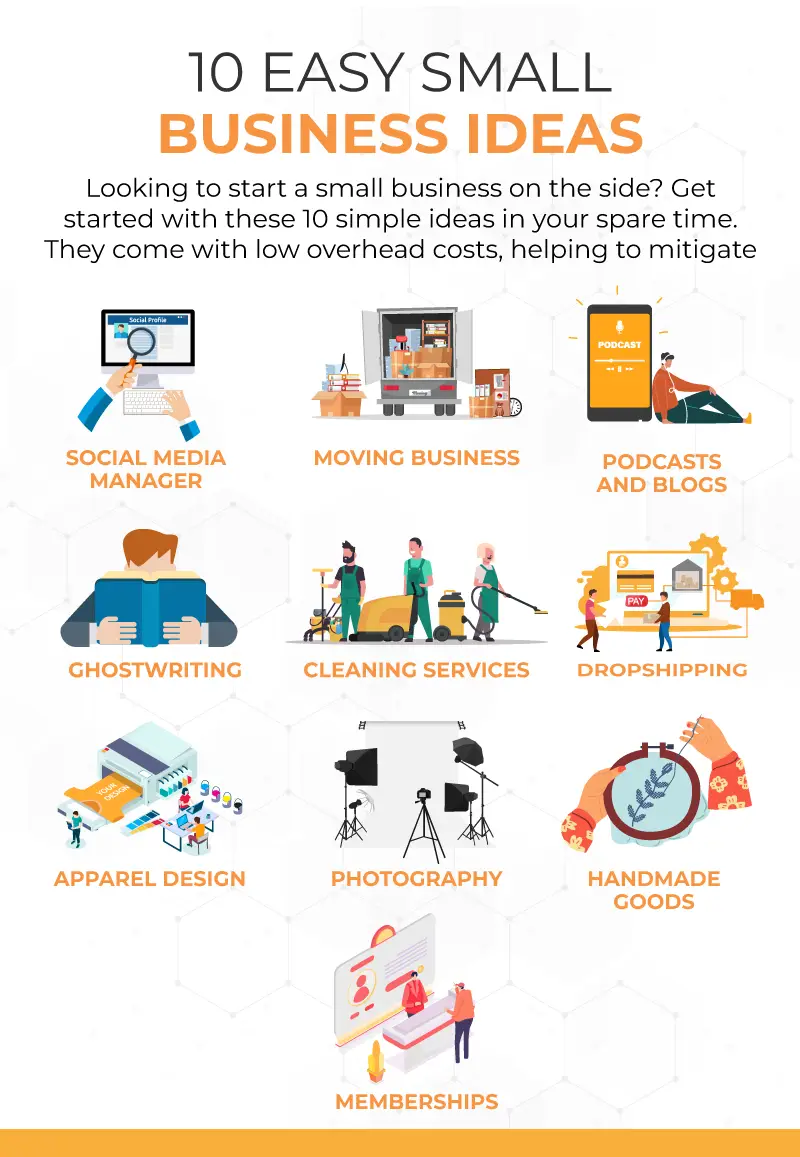
E-commerce and Dropshipping
Selling physical products online remains a robust business model.
- Dropshipping: This business model allows you to sell products without holding any inventory yourself. When a customer places an order, you purchase the item from a third-party supplier who then ships it directly to the customer. This significantly reduces startup capital requirements for inventory and warehousing, making it accessible. Success hinges on finding reliable suppliers, effective marketing, and identifying trending products with good profit margins.
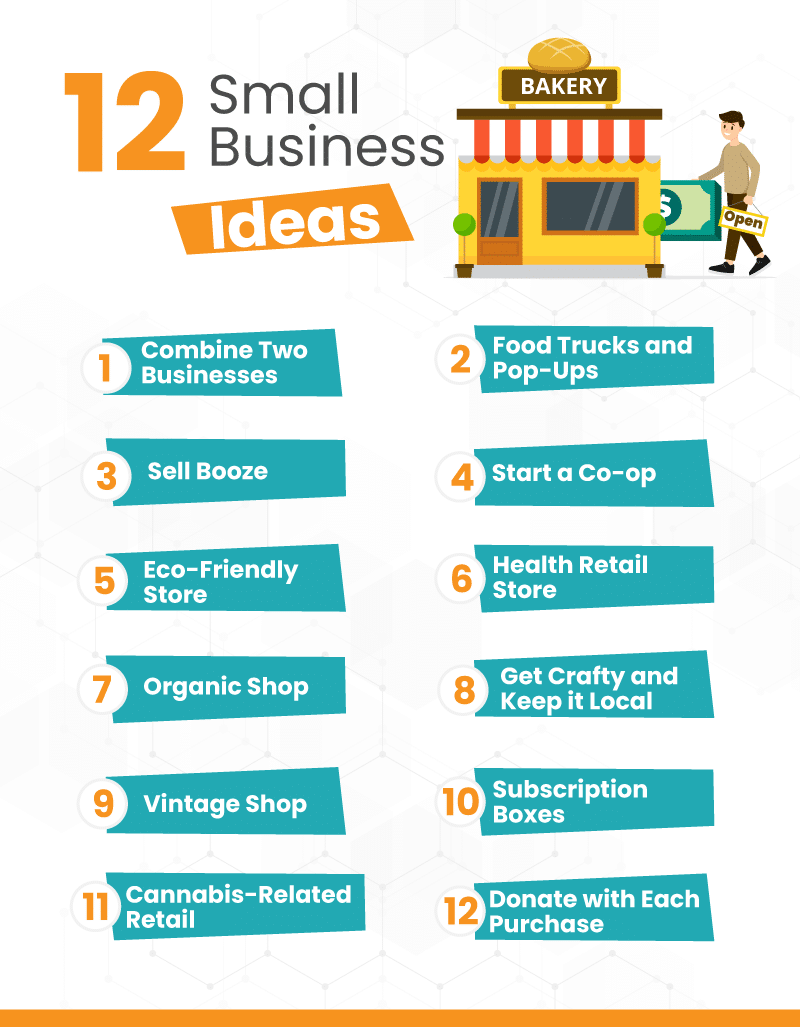
- Niche E-commerce Stores: Instead of a general store, focusing on a specific niche (e.g., sustainable pet products, artisanal coffee accessories, specialized fitness gear) can help you target a specific audience more effectively and build a strong brand presence. Platforms like Shopify, Etsy, or even Amazon FBA (Fulfillment by Amazon) facilitate entry into this space.
Digital Products and Online Courses
The creation and sale of digital products offer exceptionally high-profit margins once the initial development cost is covered, as there are no recurring manufacturing or shipping costs.
- E-books and Templates: If you have expertise in a particular area, creating and selling e-books, printable templates (e.g., budget planners, marketing kits), or digital art can be a low-cost, high-reward venture.
- Online Courses and Workshops: Leveraging your knowledge to teach others through online courses (on platforms like Teachable, Thinkific, or Udemy) or live workshops can generate substantial income. The upfront investment is primarily in content creation and marketing. This model also allows for scalability, as you can sell the same course multiple times.
Freelancing and Gig Economy Services
The gig economy continues to expand, offering numerous opportunities for individuals to monetize their skills on a flexible basis.
- Professional Services: Freelance writing, graphic design, web development, digital marketing, social media management, virtual assistance, and bookkeeping are just a few examples of services that are consistently in high demand. Platforms like Upwork, Fiverr, and LinkedIn provide avenues to connect with clients. The startup costs are generally very low, requiring mainly your skills, a computer, and an internet connection.
- Specialized Consulting: If you have deep expertise in a particular industry or business function (e.g., HR, supply chain, IT strategy), offering your services as a consultant to small and medium-sized businesses can command premium rates.
Service-Based Businesses with Low Overhead
Beyond the digital realm, many traditional service-based businesses continue to thrive, often requiring minimal initial investment and relying heavily on skill and good customer service.
Home and Personal Services
As populations age and lifestyles become busier, demand for convenient home and personal services grows.
- Cleaning Services: Residential and commercial cleaning services have consistent demand. Startup costs can be low, primarily involving cleaning supplies and basic marketing.
- Handyman/Maintenance Services: If you have a knack for repairs and home improvement, offering handyman services (e.g., minor repairs, painting, assembly) can be lucrative. Initial investment is for tools you likely already own.
- Pet Services: Pet sitting, dog walking, and mobile pet grooming are evergreen businesses driven by pet ownership trends.
- Personal Training/Wellness Coaching: With growing health consciousness, certified personal trainers or wellness coaches can build client bases through online and in-person sessions, often with minimal facility costs initially.
Niche Professional Services
Beyond generalized freelancing, highly specialized services can command higher fees.
- Mobile Notary/Signing Agent: Providing mobile notary services for legal documents or acting as a signing agent for real estate transactions offers flexibility and can be started with relatively low investment in training and bonding.
- Bookkeeping/Tax Preparation: For those with accounting skills, offering remote bookkeeping or tax preparation services to other small businesses or individuals is a consistent income generator.
- Event Planning (Niche Focus): Instead of general event planning, focusing on a specific niche like corporate workshops, sustainable weddings, or virtual events can help differentiate your service and attract a targeted clientele.
Strategies for Sustainable Financial Growth and Management
Starting a business is one challenge; sustaining its growth and ensuring long-term financial health is another. Effective financial management is paramount for longevity.
Mastering Cash Flow Management
Cash flow is the lifeblood of any business. Even profitable businesses can fail if they run out of cash.
Monitoring and Forecasting Cash Inflows and Outflows
It’s critical to consistently track money coming into your business (sales, payments) and money going out (expenses, salaries, loan repayments). A cash flow statement provides a clear picture of your liquidity. Regularly forecasting your cash flow allows you to anticipate potential shortfalls and take proactive measures, such as adjusting spending, pursuing overdue payments, or securing short-term financing. Tools like QuickBooks, Xero, or even simple spreadsheets can be invaluable.
Establishing Healthy Payment Terms
For service-based businesses, establishing clear and prompt payment terms with clients is essential. Consider requiring upfront deposits for large projects, invoicing promptly, and following up on overdue payments systematically. For product-based businesses, managing inventory levels efficiently prevents capital from being tied up in unsold goods.
Pricing for Profit and Value
Your pricing strategy directly impacts your revenue and profitability. It’s not just about covering costs; it’s about reflecting value.
Cost-Plus vs. Value-Based Pricing
- Cost-Plus Pricing: Adding a markup percentage to your total costs. While simple, it doesn’t always reflect market demand or perceived value.
- Value-Based Pricing: Setting prices based on the perceived value of your product or service to the customer. This often allows for higher profit margins, especially if your offering solves a significant problem or provides unique benefits. Researching competitor pricing is also crucial, but don’t let it be the sole determinant. Understand your unique selling proposition and price accordingly.
Dynamic Pricing and Bundling
Consider strategies like dynamic pricing (adjusting prices based on demand or time) or offering product/service bundles to increase average transaction value and attract different customer segments. Subscriptions models, for instance, offer predictable recurring revenue, which is a significant financial advantage.
Financial Monitoring and Reinvestment for Expansion
Continuous financial vigilance and strategic reinvestment are key to scaling your business.
Regular Financial Reviews and Adjustments
Beyond daily tracking, schedule regular (monthly/quarterly) deep dives into your financial statements. Analyze your profit and loss, balance sheet, and cash flow statement to identify trends, pinpoint areas of inefficiency, and assess profitability. Use these insights to make informed decisions about marketing spend, operational adjustments, and product development.

Strategic Reinvestment of Profits
As your business becomes profitable, decide how to best utilize those earnings.
- Working Capital: Maintain sufficient working capital to cover operational expenses and unforeseen contingencies.
- Growth Initiatives: Reinvesting in your business through new equipment, technology upgrades, expanded marketing efforts, hiring talent, or developing new products/services can fuel further growth.
- Personal Compensation: As the owner, ensure you are paying yourself a fair salary, separate from the business’s profits. This fosters good financial habits and provides personal financial stability.
The “best” small business to start isn’t a one-size-fits-all answer. It’s a calculated decision rooted in a thorough understanding of financial principles, a keen eye for market opportunities, and a realistic assessment of your own capabilities and risk tolerance. By focusing on smart financial planning, identifying niches with low barriers to entry and high demand, and implementing robust money management strategies, aspiring entrepreneurs can significantly increase their chances of building a small business that is not only personally rewarding but also financially thriving.
aViewFromTheCave is a participant in the Amazon Services LLC Associates Program, an affiliate advertising program designed to provide a means for sites to earn advertising fees by advertising and linking to Amazon.com. Amazon, the Amazon logo, AmazonSupply, and the AmazonSupply logo are trademarks of Amazon.com, Inc. or its affiliates. As an Amazon Associate we earn affiliate commissions from qualifying purchases.