
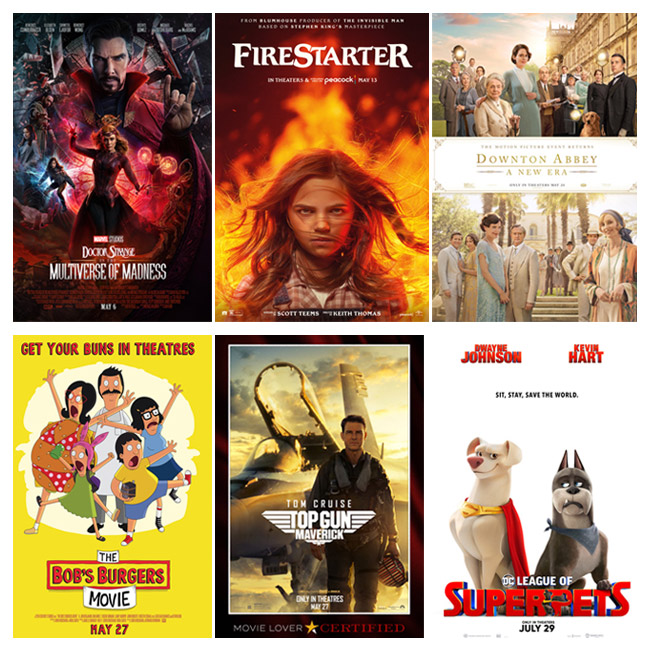
The venerable institution of the movie theater, once defined by flickering celluloid and static projection, is undergoing a profound metamorphosis. What’s “on theaters” today is no longer just about the films themselves, but the sophisticated technological ecosystem that brings them to life, distributes them, and shapes how audiences consume and interact with them. This isn’t merely an upgrade; it’s a redefinition of the entire cinematic experience, driven by relentless innovation in digital technology. From advanced projection systems to artificial intelligence in content creation and the blurring lines between physical and virtual spaces, technology is the silent protagonist in the ongoing narrative of the big screen.

The Digital Revolution: From Celluloid to Pixels
The most foundational shift in what’s “on theaters” has been the complete migration from analog film to digital formats. This transition, which began in earnest in the early 2000s, has revolutionized every aspect of film production and exhibition, enabling unparalleled clarity, flexibility, and cost efficiency.
Advanced Projection Systems: Beyond 2D
The core of the theatrical experience rests on its visual delivery, and modern projection technology is light-years ahead of its predecessors. Digital Cinema Projectors (DCPs) deliver pristine images with incredible resolution, color accuracy, and contrast. Beyond the standard digital presentation, several advanced formats have emerged, pushing the boundaries of immersion:
- 4K and Beyond: Standard 4K resolution provides four times the detail of traditional HD, making images incredibly sharp even on massive screens. The push towards 8K projection, though still nascent in commercial theaters, promises even greater fidelity.
- Laser Projection: Replacing traditional xenon lamps, laser projectors offer superior brightness, an expanded color gamut (Rec. 2020), and significantly improved energy efficiency and longevity. This technology is critical for premium large format (PLF) experiences like IMAX and Dolby Cinema.
- High Dynamic Range (HDR): HDR projection, particularly championed by Dolby Vision Cinema, dramatically increases the contrast ratio between the brightest whites and darkest blacks, revealing details previously lost and making images pop with lifelike realism.
- LED Screens for Cinema: While still a niche, LED screens are beginning to make their way into auditoriums, offering incredible brightness, true blacks, and no projection “hot spots.” Samsung’s Onyx Cinema LED is a prime example, challenging the traditional projector model.
- Higher Frame Rates (HFR): Experiments with HFR (e.g., 48fps or 60fps instead of 24fps) aim to reduce motion blur and create a smoother, more realistic image, though audience reception remains mixed.
Immersive Audio Technologies: Hearing is Believing
Sound design is half the magic of cinema, and technological advancements have transformed the auditory experience from simple stereo to multi-dimensional sonic landscapes.
- Dolby Atmos: This groundbreaking object-based audio format allows sound designers to place and move specific sounds anywhere in a three-dimensional space, including overhead. Instead of channels, sounds are individual objects mixed dynamically, creating an incredibly enveloping and precise auditory experience.
- DTS:X: A competing object-based audio standard, DTS:X offers similar capabilities to Atmos, providing flexibility in speaker layout and delivering an adaptive sound field that moves with the on-screen action.
- Auro 3D: While less widespread, Auro 3D focuses on a height layer above the traditional surround sound, creating an immersive “sound dome” that enhances spatial realism.
These technologies do more than just make films louder; they make them more resonant, more detailed, and profoundly more emotionally engaging, drawing the audience deeper into the narrative.
The Interplay of Theatrical and Home Entertainment
The rise of streaming platforms and sophisticated home entertainment systems has profoundly impacted what’s “on theaters,” forcing the industry to adapt its distribution strategies and re-emphasize the unique value proposition of the big screen.
Streaming’s Influence on Release Strategies
The direct-to-consumer model ushered in by streaming giants like Netflix, Amazon Prime Video, and Disney+ has fundamentally challenged the traditional theatrical window – the exclusive period a film plays in cinemas before home release.
- Shrinking Theatrical Windows: The pandemic accelerated a trend where theatrical windows dramatically shortened, or in some cases, disappeared entirely, with films premiering simultaneously in theaters and on streaming platforms.
- Hybrid Release Models: Studios experimented with various hybrid models, offering films in cinemas and via Premium Video-On-Demand (PVOD) at an elevated price for home viewing, or including them in streaming subscriptions immediately.
- Data-Driven Decisions: Streaming platforms gather vast amounts of viewer data, influencing content creation, marketing, and even the decision of whether a film gets a theatrical release at all. This data insight can help tailor content to specific audience segments.
Hybrid Models and Premium Video-On-Demand (PVOD)
The “day-and-date” release, once anathema to exhibitors, became a necessary adaptation during periods of cinema closures. While the industry largely favors a return to exclusive theatrical runs, the PVOD model has established a precedent for flexibility.
- Dynamic Pricing and Access: PVOD allows consumers to rent new releases at a premium price for a limited viewing window at home, offering convenience that traditional theatrical releases cannot match.
- Technological Infrastructure: The success of PVOD relies on robust digital rights management (DRM) technologies, secure payment gateways, and scalable streaming infrastructure capable of handling peak demand without compromising video quality.
- Impact on Box Office: While controversial, hybrid models generate new revenue streams and provide optionality, though the long-term impact on overall box office performance and theatrical attendance remains a subject of ongoing debate and technological fine-tuning.
AI, VR, and AR: Crafting the Future of Film
Beyond projection and distribution, cutting-edge technologies like artificial intelligence, virtual reality, and augmented reality are beginning to permeate film production, marketing, and even the very nature of cinematic storytelling, promising a radical evolution in what we experience “on theaters.”
Artificial Intelligence in Production and Personalization
AI is quietly revolutionizing various stages of filmmaking, from script development to post-production and audience targeting.
- Pre-Production and Script Analysis: AI algorithms can analyze scripts for market viability, predict box office success, and even assist writers by suggesting plot points, character arcs, or dialogue based on vast datasets of successful narratives.
- Visual Effects and Post-Production: Machine learning models are being used to automate tedious VFX tasks, generate realistic crowd simulations, de-age actors, or even create synthetic media (deepfakes) for specific purposes, enhancing realism and reducing costs.
- Personalized Marketing and Content Recommendation: AI-powered analytics can identify audience demographics most likely to be interested in a specific film, optimizing advertising spend and delivering highly personalized trailers and promotions. For streaming platforms, AI is the backbone of recommendation engines that dictate what content users see.
Virtual and Augmented Reality: New Frontiers for Storytelling
VR and AR offer unprecedented opportunities to immerse audiences and create interactive cinematic experiences, moving beyond the passive viewing model.
- VR Cinema: While dedicated VR headsets offer the deepest immersion, VR cinema is exploring ways to bring collective VR experiences to theatrical spaces, or integrate VR elements into traditional film narratives. This could involve pre-show VR experiences or even interactive segments within a film.
- AR in Theaters: Augmented reality applications could enhance the lobby experience, offering interactive posters, character meet-and-greets, or game-like elements that bridge the film’s world with the real environment. In auditoriums, AR could potentially offer personalized subtitles or supplementary content without distracting others, though this is still largely conceptual.
- Interactive Narratives: These technologies pave the way for choose-your-own-adventure style films where audience decisions, perhaps made via a connected app or simple in-seat controls, influence the storyline, creating unique viewing experiences for each showing.
Interactive Cinema and Experiential Design
The future of “what’s on theaters” might involve more than just watching; it might involve participating. Experiential design leverages technology to create multi-sensory and interactive events.
- Haptic Feedback Seating: Chairs that vibrate, rumble, and move in sync with on-screen action, intensifying explosions, impacts, or musical beats.
- Environmental Effects: Theaters incorporating wind, mist, scents, and synchronized lighting to further immerse the audience in the film’s environment (e.g., 4DX cinema).
- Gamification: Integrating game-like elements, where audience members can influence minor plot points or participate in a collective challenge before or during the film, leveraging second-screen apps or in-seat touchpads.
Securing the Digital Frontier: Data, Ticketing, and DRM
With the shift to digital, the technology underpinning the operational aspects of theaters has also undergone a massive transformation, with a strong emphasis on cybersecurity, data management, and efficient consumer interaction.
Cybersecurity in Digital Distribution
The digital nature of films introduces new vulnerabilities, making robust cybersecurity paramount for protecting valuable intellectual property.
- Digital Rights Management (DRM): Sophisticated DRM technologies encrypt content and control access, preventing unauthorized copying and distribution of films, particularly crucial during sensitive release windows.
- Secure Content Delivery Networks (CDNs): Films are delivered to theaters via secure CDNs, employing encryption and authentication protocols to prevent interception or tampering during transit.
- Combating Piracy: Technology plays a crucial role in tracing pirated content, employing forensic watermarking that embeds unique identifiers into each digital copy, allowing studios to pinpoint the source of leaks.
The Evolution of Smart Ticketing and Fan Engagement Platforms
The way audiences discover films, purchase tickets, and interact with cinemas has been digitized and streamlined for convenience and personalized service.
- Online and Mobile Ticketing: Apps and websites now dominate ticket sales, offering seat selection, mobile entry, and concession pre-ordering, reducing queues and improving customer flow.
- Dynamic Pricing Algorithms: Some theaters are experimenting with AI-powered dynamic pricing, adjusting ticket costs based on demand, time of day, and show popularity, maximizing revenue and filling seats.
- Loyalty Programs and Personalization: CRM systems track customer preferences and viewing habits, enabling theaters to offer personalized recommendations, exclusive promotions, and targeted marketing messages, fostering deeper fan engagement.
- Contactless Technology: From NFC payments to QR code scanning for entry, contactless technologies enhance safety and efficiency, aligning with modern consumer expectations.
The Experiential Cinema: Beyond the Screen
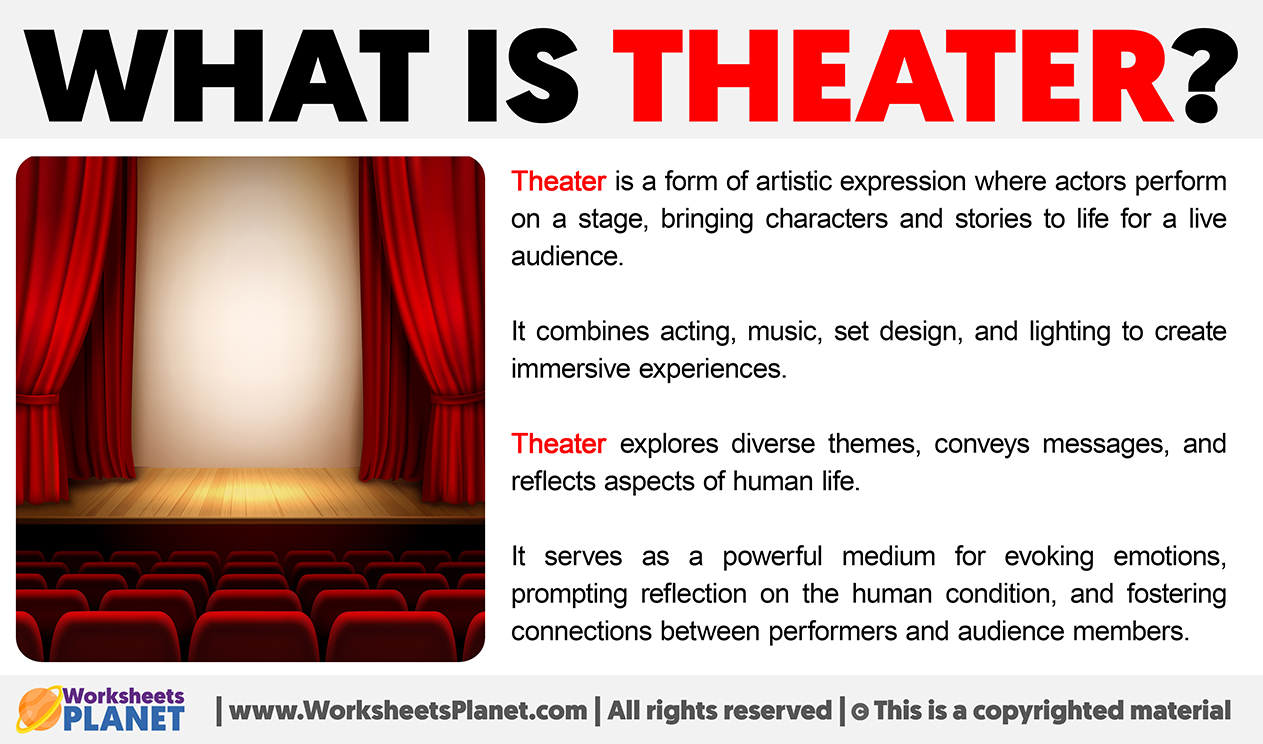
The ultimate evolution of “what’s on theaters” is the redefinition of the physical space itself, transforming it from a mere screening room into a dynamic, multi-sensory experience that leverages technology to create unforgettable moments.
Blending Physical and Digital Realities
The future theater might not just be a dark room; it could be a flexible space that adapts to the content and the audience.
- Multi-Screen and Environmental Projection: Moving beyond the single frontal screen, some concepts explore projecting images onto side walls, ceilings, and even the floor, creating truly immersive environments that blur the lines between the film and the physical space.
- Themed and Interactive Lobbies: Integrating digital displays, AR experiences, and interactive installations in lobby areas to extend the film’s narrative or create themed environments that enhance the overall visit.
- Flexible Seating and Social Spaces: Technology enabling modular seating arrangements that can transform a traditional auditorium into a more social, communal viewing space, or even an interactive gaming arena.
Customization and Hyper-Personalized Experiences
While the communal aspect of cinema remains vital, technology can also enable elements of personalization within a shared experience.
- Personalized Audio Delivery: Concepts for individual audio zones or even personal sound devices integrated into seats that could deliver language options or enhanced audio for specific hearing needs without disrupting others.
- App-Driven Interactions: Companion apps that allow audience members to access supplementary content, participate in polls, or even trigger minor interactive elements within the film or pre-show content.
- Adaptive Content: The potential for films to dynamically adjust certain elements (e.g., language, minor cultural references, or even specific narrative branches) based on audience demographics or preferences, though this pushes the boundaries of traditional filmmaking.
The journey of “what’s on theaters” is one of continuous technological evolution. From the pristine digital images and enveloping sound of today to the AI-driven narratives and fully interactive experiences of tomorrow, technology is not just supporting the cinematic arts; it’s actively reshaping them, ensuring the magic of the big screen endures and innovates for generations to come. The future of cinema is undoubtedly digital, dynamic, and deeply experiential.
aViewFromTheCave is a participant in the Amazon Services LLC Associates Program, an affiliate advertising program designed to provide a means for sites to earn advertising fees by advertising and linking to Amazon.com. Amazon, the Amazon logo, AmazonSupply, and the AmazonSupply logo are trademarks of Amazon.com, Inc. or its affiliates. As an Amazon Associate we earn affiliate commissions from qualifying purchases.