
Determining the precise cost of an AMC movie ticket is far more complex than a simple lookup. Unlike a fixed price for a gallon of milk, movie ticket prices are a dynamic financial landscape influenced by a myriad of factors, making budgeting for a night out at the cinema a nuanced personal finance exercise. For individuals managing their entertainment budget, understanding these variables is crucial to accurately forecast expenses and maximize value. From geographic location and showtime to premium formats and ancillary purchases, the “true cost” extends well beyond the initial ticket price, demanding a comprehensive financial perspective.

Decoding the Base Ticket Price: A Variable Landscape
The advertised price for an AMC movie ticket is rarely a static figure. It’s a foundational cost that fluctuates significantly based on several key financial determinants, making comparison shopping and strategic planning essential for the frugal moviegoer.
Geographic and Time-Based Pricing
One of the primary drivers of ticket price variation is location. AMC operates theaters across diverse markets, from bustling urban centers to quieter suburban areas. Tickets in major metropolitan areas like New York City or Los Angeles typically command higher prices due to increased operational costs, higher rents, and elevated demand, compared to theaters in smaller towns. For instance, a standard evening ticket in Manhattan might easily exceed $18–20, while the same film in a less populated region could be $12–15.
Beyond geography, the day and time of the showing play a crucial role. Matinee showings, typically before 4:00 PM or 5:00 PM, are almost universally cheaper than evening shows. Weekday tickets (Monday through Thursday) often carry a lower price point than weekend tickets (Friday evening through Sunday), reflecting peak demand. Special discount days, such as “Discount Tuesdays” offered by AMC, can significantly reduce the base price, sometimes by 30-50%, providing a substantial saving opportunity for budget-conscious consumers willing to plan their moviegoing accordingly. This dynamic pricing model is a direct reflection of demand-based financial strategies.
Premium Formats and Their Surcharge
Standard 2D presentations are the baseline, but the cinematic experience has evolved to include various premium formats, each carrying a significant surcharge. IMAX, Dolby Cinema, Prime at AMC, and 3D screenings all offer enhanced visual and auditory experiences, but at a premium cost.
- IMAX: Known for its larger screens and specialized projection, an IMAX ticket can add an additional $4–7 to the base price, depending on the location and specific film.
- Dolby Cinema: Featuring advanced projection technology (Dolby Vision) and immersive sound (Dolby Atmos), these auditoriums often command a similar premium, typically in the $5–8 range above a standard ticket.
- Prime at AMC: This proprietary premium large format (PLF) offers luxury recliners, enhanced sound, and large screens, with a price increment comparable to IMAX or Dolby Cinema.
- 3D: While less ubiquitous than before, 3D presentations still carry an additional fee, usually $3–5, primarily for the technology and the disposable glasses required.
From a financial perspective, these surcharges can inflate the cost of a single ticket by 25% to 50% or more, making it imperative to weigh the perceived value of the enhanced experience against the additional expenditure within one’s entertainment budget.
Age and Group Discounts
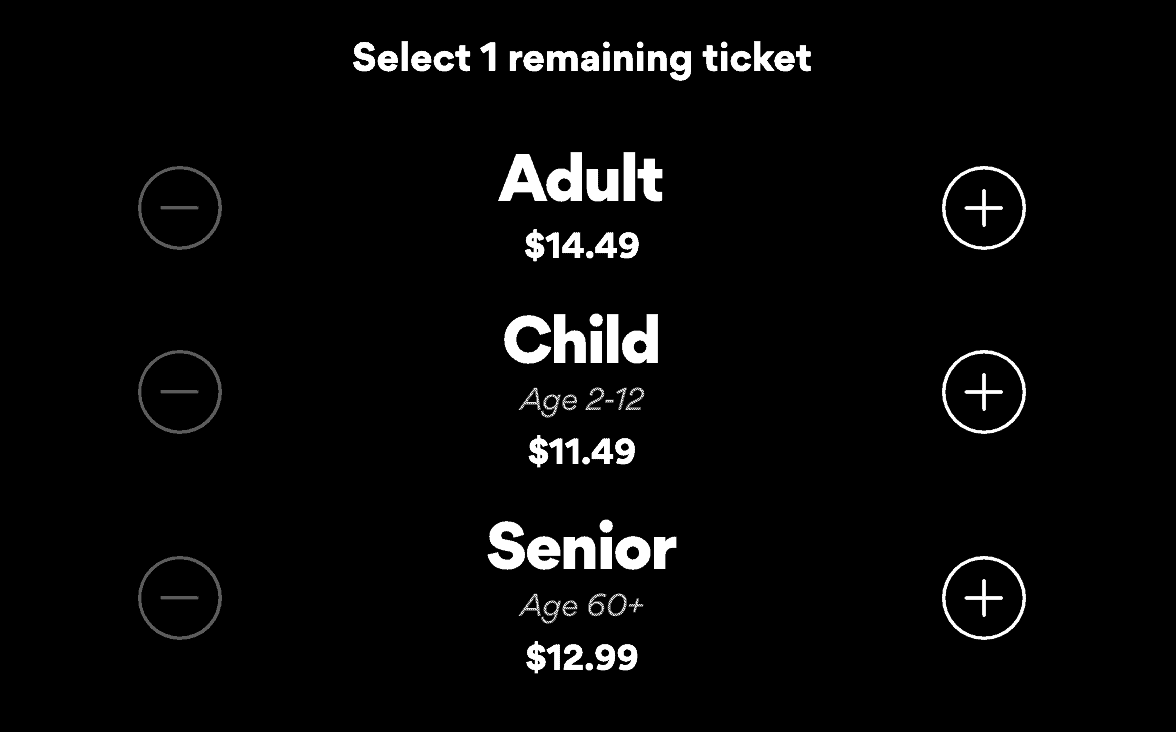
AMC, like most exhibitors, offers various discounts to specific demographics. Children’s tickets (typically for ages 2–12) and senior tickets (often for ages 60 or 65+) are generally priced lower than adult admission. Student discounts, requiring a valid student ID, are also commonly available, particularly on weekdays or specific promotional days. Military personnel may also qualify for special pricing. These targeted discounts represent a valuable savings avenue for qualifying individuals and families, directly impacting their personal finance. Group rates for large parties or special events can also be negotiated, further reducing the per-person cost, demonstrating how volume can influence pricing.
Beyond the Box Office: Ancillary Spending at AMC
While the ticket itself is the gatekeeper to the movie, the overall financial outlay for an AMC visit often swells dramatically once ancillary purchases are factored in. These additional expenditures, while optional, are a significant component of the total cost and a critical revenue stream for the cinema chain.
The Concession Stand: A Significant Expenditure
Perhaps the most notorious aspect of moviegoing economics is the concession stand. The markup on popcorn, soda, candy, and other snacks is substantial, often exceeding 500% in some cases. This high-profit margin is a deliberate business strategy to offset the relatively lower margins on ticket sales, which are heavily split with film distributors. A large popcorn and a large soda can easily add $15–20 to an individual’s expense, turning a $15 ticket into a $30–35 outing.
For a family of four, concession purchases can easily surpass the combined cost of the tickets, potentially pushing the total bill towards $100 or more. Financially astute moviegoers recognize this as the primary variable expenditure that can be controlled. Strategies such as eating a meal before arriving, sharing items, or opting for smaller sizes can mitigate this cost significantly. Some theaters permit sealed water bottles, offering a small but impactful saving on beverages.
Loyalty Programs and Subscription Models: Savings vs. Spending
AMC offers several loyalty programs designed to encourage repeat business, but their financial impact varies.
- AMC Stubs Insider: This free program offers points on purchases (20 points per $1 spent), which can be redeemed for discounts, and often provides free refills on large popcorn. While seemingly beneficial, the redemption rate means a substantial amount must be spent to accrue significant savings. For example, 5,000 points (requiring $250 in spending) might yield a $5 reward.
- AMC Stubs Premiere: For an annual fee (e.g., $15), members earn points at an accelerated rate (100 points per $1 spent), receive a complimentary upgrade on drinks and popcorn, and often benefit from waived online ticketing fees. This program makes financial sense for frequent moviegoers who spend enough at the theater annually for the accumulated rewards and fee waivers to exceed the membership cost.
- AMC Stubs A-List: This subscription service allows members to see up to three movies per week for a fixed monthly fee (e.g., $19.95–$24.95, varying by location). For avid moviegoers who see more than 1-2 movies per month, A-List offers substantial savings, especially when considering premium formats, which are often included. From a personal finance perspective, this transforms a variable ticket cost into a predictable recurring expense. The break-even point is typically after seeing two movies per month; beyond that, it represents significant value. However, for infrequent attendees, the monthly fee can become an unused expenditure, making it a financial drain rather than a saving.
Parking and Transportation Costs
The often-overlooked financial component of a movie outing is the cost of getting to and from the theater. In urban areas, parking fees can range from a few dollars to upwards of $20 for several hours, depending on the venue and city. Even suburban theaters in shopping centers may have paid parking. For those relying on public transportation, fares add to the total expense. Ride-sharing services, while convenient, also represent a variable cost that can fluctuate with demand and distance. Budgeting for these seemingly minor expenses ensures a more accurate reflection of the total cost of the cinematic experience.
Strategic Budgeting for Your Movie Night Experience
With a clear understanding of the variable costs, consumers can employ several strategies to optimize their spending and enhance their financial control over their entertainment choices.
Maximizing Savings with AMC Stubs and A-List
For those who enjoy the cinema regularly, strategically utilizing AMC’s loyalty and subscription programs is paramount. If you see more than two movies a month, especially premium formats, AMC Stubs A-List often presents the most significant savings, converting potentially hundreds of dollars in annual ticket costs into a predictable monthly subscription. Analyzing your past moviegoing habits can inform this decision. For less frequent visitors, AMC Stubs Premiere might be worthwhile if the cumulative savings from accelerated points and waived fees outweigh the annual membership fee. Even the free Insider tier offers basic point accumulation and occasional concessions benefits, which contribute to long-term savings.
Smart Concession Choices and Alternatives
Controlling concession spending is arguably the most impactful financial lever for individual moviegoers. Consider:
- Sharing: A large popcorn and drink can often be shared by two or more people.
- Eating Beforehand: Arriving at the theater with a full stomach significantly reduces the temptation for expensive snacks.
- Bringing Approved Items: Many theaters permit bringing in sealed water bottles or small, personal snacks (check local policy).
- Value Combos: While still marked up, combo deals can sometimes offer a slight discount compared to purchasing items individually.
- Budgeting for Snacks: Allocate a specific, fixed amount for concessions to avoid impulse overspending.
Leveraging Promotional Offers and Matinees
Always be on the lookout for promotional offers. Discount Tuesdays are a consistent and reliable way to save on tickets. Early bird shows, often on weekend mornings, also provide reduced prices. AMC frequently runs limited-time promotions, especially during slower seasons or for specific film releases. Students, seniors, and military personnel should always inquire about applicable discounts. Fathom Events, which present special content like classic films or live performances, sometimes offer different pricing structures that can be advantageous. Planning your movie outings around these offers can yield substantial savings over time.
The Financial Value Proposition of the Cinematic Experience
Ultimately, the cost of an AMC movie ticket, inclusive of all its variables, must be evaluated within the broader context of one’s personal finance and entertainment budget.
Comparing Entertainment Costs
When assessing the “value” of a movie ticket, it’s insightful to compare it against other forms of entertainment. A single movie ticket, even with concessions, might be less expensive than a live concert, a sporting event, or a full-service restaurant meal. However, it is typically more expensive than a month’s subscription to a streaming service, which offers vastly more content. Calculating the “cost per hour of entertainment” can provide a useful metric. A two-hour movie costing $25 (ticket plus concessions) is $12.50 per hour. A streaming service at $15 per month offering hundreds of hours of content is pennies per hour. The financial decision hinges on individual priorities and preferences.
The Intangible Returns of Moviegoing
While purely a financial analysis focuses on dollars and cents, it’s also worth acknowledging the intangible returns of the cinematic experience. The unique escapism, the communal experience of watching a film on a big screen with an audience, and the quality of the sound and picture in a dedicated theater environment offer a distinct value proposition that streaming at home often cannot replicate. For many, this unique experience justifies the financial outlay, making it not just an expenditure but an investment in personal well-being and shared cultural enjoyment. Understanding this balance is key to making informed financial decisions about entertainment.
aViewFromTheCave is a participant in the Amazon Services LLC Associates Program, an affiliate advertising program designed to provide a means for sites to earn advertising fees by advertising and linking to Amazon.com. Amazon, the Amazon logo, AmazonSupply, and the AmazonSupply logo are trademarks of Amazon.com, Inc. or its affiliates. As an Amazon Associate we earn affiliate commissions from qualifying purchases.