
The enduring appeal of The Walking Dead extends far beyond its initial premise, evolving into a cultural touchstone and a masterclass in brand longevity through serialized content. Asking “how many Walking Dead episodes” isn’t merely a quest for a number; it’s an inquiry into the formidable content engine that built a global entertainment franchise. The flagship series, which concluded its eleven-season run, boasts an impressive 177 episodes. This vast catalog, however, only scratches the surface of the brand’s expansive universe, highlighting a strategic approach to content proliferation that savvy brand managers can dissect for insights into sustained engagement and intellectual property (IP) maximization.

The Content Engine: Building a Multi-Season Brand
At its core, The Walking Dead represents a powerful example of how a narrative-driven property can be meticulously engineered for long-term viability. The sheer volume of episodes in the main series, coupled with an ever-expanding roster of spin-offs and related media, underscores a deliberate strategy to cultivate and maintain a passionate audience over more than a decade.
From Comic Panels to Global Phenomenon: Initial Brand Strategy
The journey of The Walking Dead from Robert Kirkman’s comic book series to a television juggernaut exemplifies a successful cross-media brand launch. The initial strategy focused on translating a beloved, gritty narrative into a visually compelling weekly drama. The brand’s early success hinged on several factors: a unique premise (post-apocalyptic survival against zombies, but more importantly, against human nature), strong character development, and a willingness to take bold narrative risks. This foundation allowed the brand to establish a distinct identity—one synonymous with high-stakes drama, moral ambiguity, and relentless tension—that resonated deeply with a diverse audience. The initial critical acclaim and strong viewership created a robust platform for future content expansion, proving the concept’s broad appeal beyond its niche comic book origins. This strategic leap from print to television solidified The Walking Dead as a transmedia brand, laying the groundwork for its extensive episode count and universe.
The Power of Serialized Storytelling: Audience Engagement and Retention
The episodic nature of television, particularly in a narrative-heavy drama like The Walking Dead, is a key driver of brand engagement and retention. Each of the 177 episodes served not just as an individual story but as a building block in a larger, overarching saga. This serialized format fosters deep emotional investment from viewers, encouraging them to return week after week, season after season. The promise of new characters, evolving threats, and the continuous development of a beloved cast creates a powerful draw. From a brand perspective, this consistent delivery of fresh, yet interconnected, content is invaluable. It generates anticipation, fuels water-cooler conversations, and cultivates a loyal fan base that actively participates in the brand’s journey. The cumulative effect of 177 episodes is a testament to the brand’s ability to sustain complex character arcs and world-building over an extended period, creating a rich tapestry that keeps audiences enthralled.
Navigating Content Saturation: The Value of a Deep Episode Library
In an era saturated with content, the extensive episode library of The Walking Dead acts as a significant brand asset. It provides both an immediate draw for new viewers and a continuous source of re-engagement for existing fans, illustrating how sheer volume, when paired with quality, can be a competitive advantage.
Leveraging Back Catalogs: Streaming’s Impact on Brand Value
The advent of streaming services has fundamentally reshaped how audiences consume content and, by extension, how brands derive value from their back catalogs. For a brand like The Walking Dead, its 177 episodes become a powerful evergreen asset. New viewers can binge-watch entire seasons, immersing themselves in the universe at their own pace, a luxury not available during its original linear broadcast. This accessibility lowers the barrier to entry for potential fans, allowing the brand to continuously recruit new adherents long after the original airing. Furthermore, existing fans often revisit favorite episodes or entire seasons, deepening their connection to the narrative and its characters. From a brand strategy perspective, a deep episode library on streaming platforms not only generates recurring revenue through licensing deals but also acts as a potent marketing tool, sustaining interest in the IP and providing a stable foundation for launching new spin-offs and merchandise.
Maintaining Relevance Through Spin-offs and Expansions
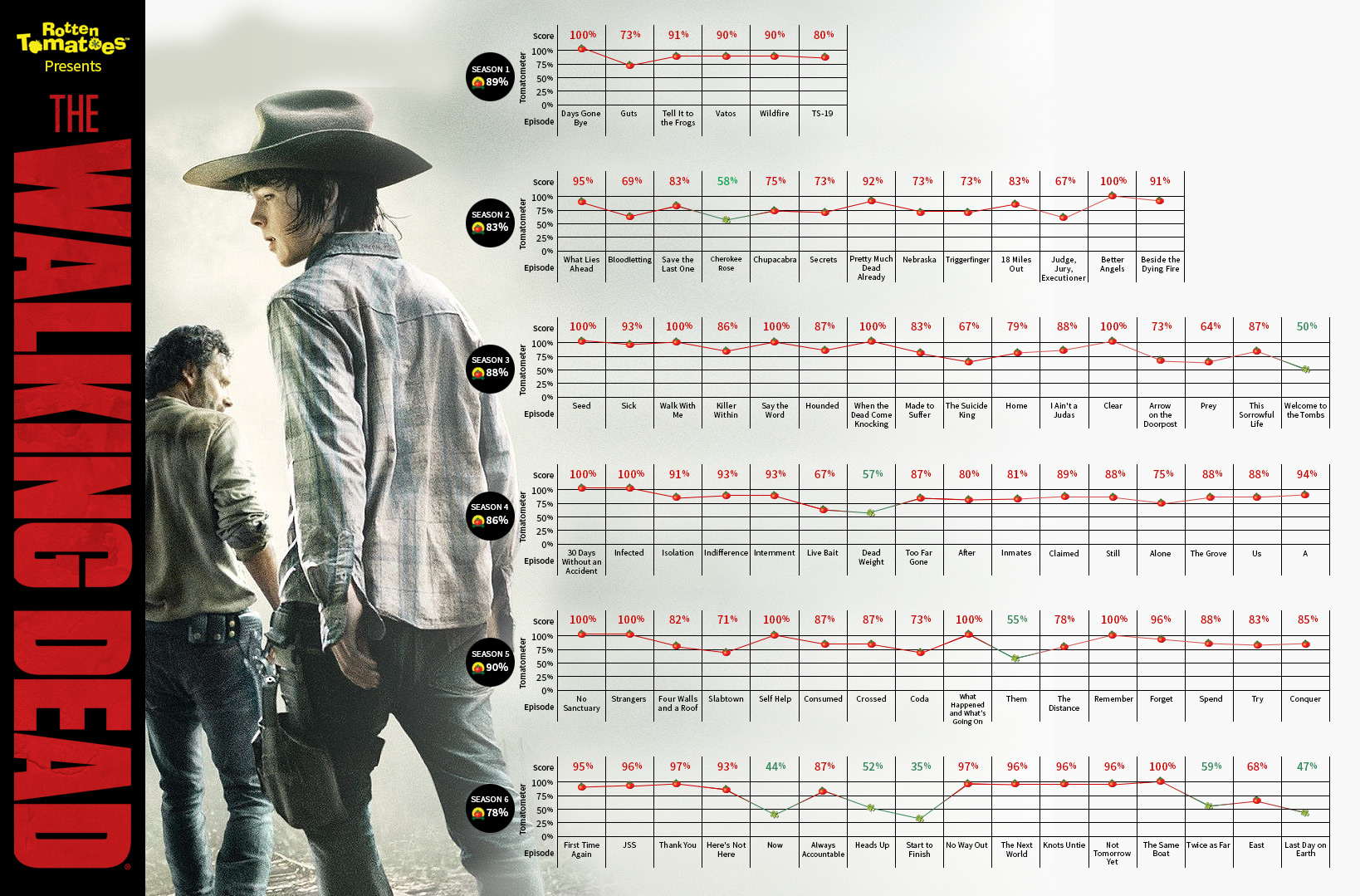
The growth of The Walking Dead brand is not limited to its flagship series’ episode count but strategically leverages its core IP through a robust ecosystem of spin-offs. Shows like Fear the Walking Dead, The Walking Dead: World Beyond, Tales of the Walking Dead, and upcoming projects focusing on fan-favorite characters (e.g., Daryl Dixon, Rick and Michonne) demonstrate a sophisticated content diversification strategy. Each new series or limited event adds to the overall episode count of the Walking Dead universe, but more importantly, it expands the brand’s narrative possibilities, explores new timelines or geographical locations, and introduces fresh perspectives. This multi-pronged approach ensures the brand remains relevant and vibrant, preventing fatigue by offering varied entry points and continuing the stories of characters audiences have grown to love. It’s a strategic move to extend the brand lifecycle, catering to different audience segments while reinforcing the central themes and aesthetic that define the Walking Dead IP.
Measuring Brand Engagement: Beyond Episode Counts
While the quantity of episodes is a tangible metric of content output, true brand engagement for The Walking Dead is measured through a multifaceted lens that captures the depth of its cultural impact and fan devotion.
Fan Loyalty and Community Building
The vast number of Walking Dead episodes has cultivated an exceptionally loyal and active fan base. This community is a crucial component of the brand’s continued success. Viewers don’t just consume the content; they engage with it through social media discussions, fan theories, conventions, and online forums. This level of active participation demonstrates a profound brand connection that transcends passive viewership. For brand managers, fostering such a community is paramount. The Walking Dead has successfully done this by consistently delivering compelling narratives, memorable characters, and plot twists that spark conversation. The sheer volume of content provides an almost endless wellspring for discussion and debate, keeping the community active and invested, turning individual viewers into brand advocates.
The Economic Impact of a Content Powerhouse
The extensive Walking Dead episode library underpins a significant economic ecosystem. Beyond subscription revenues and advertising, the brand has successfully diversified its income streams through merchandise, video games, theme park attractions, and live events. Each episode, especially iconic ones, can inspire new product lines or reinforce existing ones. The enduring presence of the brand on television, supported by its deep content catalog, ensures continuous visibility and relevance for these ancillary products. This demonstrates how a well-managed content brand, built on a foundation of a massive output like 177 main series episodes and numerous spin-offs, can translate narrative success into tangible economic value across various sectors, creating a robust and resilient franchise.
Lessons for Brand Builders: Sustaining Narrative Franchises
The journey of The Walking Dead offers invaluable lessons for any brand looking to build and sustain a narrative franchise over the long term, particularly in content-heavy industries.
Adaptability and Evolution in Storytelling
One of the key takeaways from The Walking Dead‘s extensive run is the importance of adaptability. Over 177 episodes and multiple seasons, the brand consistently evolved its narrative, introducing new characters, shifting antagonists, and even changing showrunners. This willingness to reinvent aspects of the story, while staying true to its core identity, prevented stagnation and kept the audience guessing. For brand builders, this highlights the necessity of being agile and responsive to audience feedback and evolving market trends, rather than rigidly adhering to initial formulas. The ability to refresh the brand’s narrative without losing its essence is critical for extending its lifespan beyond initial hype.

Strategic Content Pacing and Diversification
The careful pacing of the main series’ narrative over 177 episodes, combined with the strategic diversification into multiple spin-off series, is a masterclass in content strategy. The brand understood when to accelerate plot lines, when to allow character development to breathe, and crucially, when to expand the universe with new, distinct narratives. This approach avoids oversaturation of a single storyline while keeping the overall brand fresh and engaging. For brands looking to create their own expansive universes, The Walking Dead demonstrates the power of a thoughtful, diversified content plan that strategically leverages its core IP to maximize reach and sustain audience interest for years, and even decades, to come.
aViewFromTheCave is a participant in the Amazon Services LLC Associates Program, an affiliate advertising program designed to provide a means for sites to earn advertising fees by advertising and linking to Amazon.com. Amazon, the Amazon logo, AmazonSupply, and the AmazonSupply logo are trademarks of Amazon.com, Inc. or its affiliates. As an Amazon Associate we earn affiliate commissions from qualifying purchases.