
In the dynamic world of automotive transactions, one name stands out as a beacon of reliability and insight: Kelley Blue Book (KBB). For decades, KBB has served as the gold standard for vehicle valuation, empowering millions of buyers, sellers, and industry professionals with crucial financial data. But what exactly is KBB Value, and why has it become an indispensable tool in personal and business finance? Far more than just a fleeting price tag, KBB Value represents a sophisticated, data-driven assessment of a vehicle’s worth, reflecting the intricate interplay of market forces, condition, and desirability. Understanding KBB Value is fundamental to navigating the complex landscape of car buying, selling, financing, and insuring, making it a cornerstone for informed financial decision-making in the automotive sector. This comprehensive guide delves into the essence of KBB Value, exploring its methodologies, its various forms, and its profound implications for consumers and businesses alike, firmly placing it within the domain of critical financial tools.

Understanding the Core: What KBB Value Represents
At its heart, KBB Value is an estimated market price for a used vehicle, meticulously calculated by Kelley Blue Book, a company with a near-century-long history of providing trusted automotive information. It’s not merely an arbitrary figure but a reflection of what a vehicle is actually worth under specific market conditions and based on its unique characteristics. This value is a crucial reference point, helping individuals and businesses avoid overpaying for a car or underselling their own, thereby optimizing financial outcomes in a significant transaction.
More Than Just a Number: The Significance of KBB Value
The significance of KBB Value extends far beyond a simple numerical figure. It embodies market intelligence, providing a transparent benchmark in a market often characterized by asymmetric information. For a buyer, it offers confidence that they are paying a fair price, armed with data to negotiate effectively. For a seller, it sets realistic expectations, helping them price their vehicle competitively to attract serious buyers while maximizing their return. In a broader financial context, KBB Value acts as a liquid asset assessment tool. For lenders, it helps determine the collateral value of a car for a loan. For insurers, it aids in calculating total loss payouts. For fleet managers, it informs depreciation schedules and resale strategies. Its comprehensive nature makes it an indispensable financial instrument, guiding decisions that can amount to thousands of dollars.
Kelley Blue Book’s Legacy: A Trusted Authority
The authority of Kelley Blue Book stems from its long-standing history and unwavering commitment to accuracy and impartiality. Established in 1926, the company initially provided valuations for the nascent used car market, filling a critical void for consistent pricing information. Over the decades, KBB has evolved, adapting its methodologies to incorporate vast datasets, advanced statistical models, and real-time market dynamics. This continuous refinement, coupled with its transparent approach, has cemented its reputation as the most trusted source for vehicle valuation in the United States. Its independence from dealerships and manufacturers further bolsters its credibility, ensuring that its values are unbiased and solely reflect market realities. This legacy of trust is paramount in financial transactions, where reliable information is the bedrock of sound decision-making, particularly concerning assets that represent a substantial portion of an individual’s or business’s balance sheet.
The Mechanics Behind the Valuation: How KBB Calculates Value
The robust methodology underpinning KBB Value is what gives it its unparalleled accuracy and reliability. It’s an intricate process that synthesizes a vast array of data points, far exceeding a superficial assessment. Kelley Blue Book employs sophisticated algorithms and expert analysis to produce values that are as current and precise as possible, ensuring that the estimated worth truly reflects market realities at any given moment. This meticulous approach is vital for any financial tool where precision directly impacts monetary outcomes.
Key Factors Influencing KBB Value
Several critical variables converge to shape a vehicle’s KBB Value. Each factor plays a significant role, contributing to the nuanced final appraisal:
- Make, Model, Year, Trim: These fundamental identifiers are the starting point. The brand’s reputation, the model’s popularity, the car’s age, and the specific trim level (e.g., base, sport, luxury) directly correlate with its initial value and subsequent depreciation trajectory.
- Mileage: This is perhaps one of the most significant indicators of wear and tear. Higher mileage generally signifies a greater need for maintenance and a shorter remaining lifespan, thus reducing value. KBB benchmarks against average annual mileage figures to adjust its valuations.
- Condition (Interior, Exterior, Mechanical): A subjective yet crucial factor, condition is meticulously assessed. This includes the state of the paint, body panels (dents, scratches), interior upholstery, cleanliness, tire wear, and most importantly, the mechanical health of the engine, transmission, and other critical systems. KBB provides clear guidelines for “Excellent,” “Very Good,” “Good,” and “Fair” conditions, prompting users to make honest self-assessments.
- Location (Geographic Market Dynamics): Vehicle demand and pricing can vary significantly by region. A truck might fetch a higher price in a rural, agricultural area than in a dense urban center where smaller, fuel-efficient cars are preferred. KBB’s data incorporates localized market trends and inventory levels to provide geographically specific values.
- Supply and Demand (Current Market Trends): Economic forces profoundly impact car values. A surge in demand for SUVs due to lower gas prices, or a constriction in the supply of new vehicles due to manufacturing disruptions, can dramatically inflate used car prices. KBB continuously monitors these macro and micro economic shifts, integrating them into its real-time valuation models.
- Optional Features and Customizations: Premium sound systems, navigation packages, panoramic sunroofs, advanced driver-assistance systems, or specialized wheel packages can add to a vehicle’s value. Conversely, aftermarket modifications that are not universally appealing (e.g., extreme custom paint jobs or performance alterations) might sometimes detract from it.
Data-Driven Approach: Leveraging Market Intelligence
KBB’s valuation process is a sophisticated blend of statistical modeling, machine learning, and human expert oversight, all powered by an immense repository of market data. They aggregate data from millions of actual vehicle transactions—including dealer sales, private party sales, wholesale auctions, and online listings—across the nation. This real-time market intelligence allows KBB to identify trends, seasonal variations, and specific influences that might not be apparent from localized or anecdotal evidence alone. Their data scientists develop predictive models that factor in depreciation curves, market elasticity, and consumer preferences. Furthermore, a team of automotive experts provides qualitative input, especially concerning new models, emerging market trends, and unique vehicle attributes, ensuring that the algorithmic outputs are grounded in practical industry knowledge. This comprehensive, multi-faceted, data-driven approach is what enables KBB to offer values that are not just estimates, but highly informed financial forecasts of a vehicle’s market worth.
Different Kinds of KBB Value: Tailoring to Your Needs
Understanding that a single “value” doesn’t suffice for every scenario, Kelley Blue Book offers several distinct valuation types. Each KBB Value category is meticulously designed to reflect the specific context of a transaction, accounting for who is buying or selling, and the associated costs and expectations. This segmentation is crucial for accurate financial planning, enabling individuals and businesses to leverage the most appropriate metric for their particular needs. Using the right KBB Value type can mean the difference of hundreds or even thousands of dollars in a transaction.
KBB Trade-In Value: Selling to a Dealership
The KBB Trade-In Value is an estimate of what you can expect to receive when you trade your vehicle in at a dealership towards the purchase of a new or used car. This value is typically the lowest of the KBB valuations. The reason for this is primarily operational: dealerships need to factor in reconditioning costs, marketing expenses, administrative overhead, and, crucially, a profit margin when they eventually resell your car. When you trade in, you’re also benefiting from the convenience of a quick, hassle-free transaction, often with potential sales tax savings in many states (where the trade-in value reduces the taxable amount of the new purchase). For financial planning, understanding this value helps in budgeting for a new car and negotiating the total deal, not just the price of the new car or your trade-in in isolation.
KBB Private Party Value: Selling to an Individual
The KBB Private Party Value represents the price you might expect to get if you sell your car directly to another individual. This value is generally higher than the Trade-In Value because you, as the seller, assume the roles and risks that a dealership would otherwise undertake. You are responsible for marketing the car, handling inquiries, coordinating test drives, negotiating the price, and managing the paperwork. By cutting out the middleman (the dealership), you can potentially capture a larger share of the car’s market value. This option demands more time and effort but can yield a greater financial return. For someone focused on maximizing their cash back from a vehicle sale, this KBB value is the target figure to aim for.
KBB Retail Value: Buying from a Dealership
The KBB Retail Value is the estimated price that a consumer can expect to pay when purchasing a used vehicle from a dealership. This is typically the highest of the KBB values. It accounts for the dealership’s costs associated with reconditioning the vehicle to make it sale-ready, warranty offerings, administrative fees, and their necessary profit margin. When buying a car from a dealer, knowing the KBB Retail Value empowers you to determine if the listed price is fair, serving as a powerful negotiation tool. It provides a credible benchmark against which you can compare advertised prices, ensuring you’re making an astute financial decision and not overpaying for the conveniences and services a dealership provides.
KBB Instant Cash Offer: Quick Sale, Less Hassle

Beyond the traditional valuations, KBB also offers an “Instant Cash Offer” service. This unique offering provides a firm, no-obligation cash offer for your car from a participating dealership. Unlike the other values which are estimates, the Instant Cash Offer is a specific monetary amount you can receive, often valid for a few days, simply by bringing your car to the designated dealership for a final inspection. While this offer might sometimes be slightly less than the Private Party Value (as it includes the dealer’s costs and profit margin), it provides unparalleled convenience, speed, and certainty. For individuals or businesses needing to liquidate a vehicle quickly and without the hassle of private selling, the Instant Cash Offer represents a valuable financial tool, providing immediate liquidity and a guaranteed sale price. It’s a pragmatic solution for those prioritizing time and convenience over potentially squeezing every last dollar from the sale.
Why KBB Value Matters: Practical Applications for Consumers and Businesses
The ubiquitous presence and trusted nature of KBB Value extend its utility across a broad spectrum of financial activities, impacting everyone from individual consumers to large financial institutions. Its importance cannot be overstated in a market where a vehicle often represents one of the largest financial assets or liabilities an individual or small business may possess. KBB Value acts as a universal language for assessing automotive worth, streamlining complex financial interactions.
For Buyers: Making Informed Purchasing Decisions
For consumers looking to purchase a used car, KBB Value is an indispensable guide. It provides a transparent, third-party benchmark against which asking prices can be measured. Armed with the KBB Retail Value, buyers can confidently assess whether a vehicle is priced fairly, avoid overpaying, and engage in more effective negotiations with dealers or private sellers. This insight is crucial for personal finance, ensuring that a significant expenditure aligns with market realities and budget constraints. Furthermore, understanding the KBB value of similar models helps buyers compare options objectively, guiding them towards vehicles that offer the best long-term value and retain their worth effectively.
For Sellers: Maximizing Your Vehicle’s Worth
For those looking to sell their car, KBB Value serves as a strategic pricing tool. Whether aiming for a KBB Trade-In Value for convenience or a KBB Private Party Value for maximum return, sellers can price their vehicle competitively yet optimally. It helps set realistic expectations, preventing sellers from either overpricing (and deterring buyers) or underpricing (and leaving money on the table). By providing an objective assessment of their car’s worth, KBB Value empowers sellers to articulate their price with confidence, justifying it with authoritative market data. This maximizes financial outcomes for individuals and helps businesses optimize the divestment of company vehicles or fleet assets.
For Insurers: Determining Policy Premiums and Payouts
Insurance companies heavily rely on KBB Value for various critical operations. When calculating policy premiums, insurers use vehicle values to assess the financial risk associated with insuring a particular model. In the unfortunate event of a total loss (e.g., due to an accident or theft), KBB Value often forms the basis for determining the actual cash value payout to the policyholder. This ensures a fair and standardized method of compensation, aligning the payout with the vehicle’s market worth just before the loss occurred. Without a recognized standard like KBB, disputes over vehicle value would be far more common, making insurance processes less efficient and transparent, and ultimately more expensive for consumers.
For Lenders: Assessing Loan-to-Value Ratios
Financial institutions offering auto loans use KBB Value to assess the loan-to-value (LTV) ratio of a vehicle. The LTV ratio compares the amount of the loan to the market value of the asset (the car) it’s financing. A lower LTV ratio indicates less risk for the lender. KBB values help lenders determine how much they are willing to lend, the interest rate they will charge, and the down payment required. This safeguards the lender’s investment and ensures that the loan amount is commensurate with the vehicle’s collateral value, especially important in a depreciating asset market. For businesses, this impacts lines of credit tied to vehicle assets, or financing for fleet expansions.
For Dealers and Businesses: Inventory Management and Pricing Strategies
Automotive dealerships and businesses with significant vehicle fleets utilize KBB Value as a fundamental tool for inventory management and pricing strategies. Dealers use it to appraise trade-ins, price their used car inventory for resale, and track depreciation. This ensures they maintain competitive pricing, optimize profit margins, and manage their capital efficiently. For fleet managers, KBB Value helps in planning vehicle acquisitions, managing depreciation schedules, and timing the resale of vehicles to maximize recovery values. It’s a strategic financial instrument that informs budgeting, asset turnover, and overall business profitability within the automotive industry.
Maximizing Your KBB Value: Tips for Sellers
Understanding KBB Value is the first step; actively influencing it is the next. For anyone looking to sell a vehicle and maximize their financial return, there are proactive steps that can enhance its KBB Value, leading to a more profitable transaction. These tips focus on maintaining, preparing, and accurately representing your vehicle to potential buyers or dealerships.
Maintenance is Key: Keep Records
A well-maintained vehicle not only performs better but also commands a higher KBB Value. Regular oil changes, tire rotations, fluid checks, and timely repairs demonstrate a commitment to the car’s longevity and reliability. Crucially, keeping meticulous records of all maintenance and repairs is paramount. A binder full of service receipts, indicating when and where work was done, provides tangible proof of care. This documentation builds trust with buyers and validates your claims about the vehicle’s condition, often translating into a higher selling price or trade-in offer, as it reduces perceived future risks for the next owner.
Presentation Matters: Detailing and Minor Repairs
First impressions count, especially when selling a car. A thorough detailing, both inside and out, can significantly boost perceived value. This includes a deep clean of the interior (vacuuming, wiping surfaces, cleaning upholstery), a wash and wax for the exterior, and attention to tires and wheels. Beyond cleanliness, address minor cosmetic issues: touch up small paint chips, replace a cracked windshield wiper, or fix a burnt-out headlight. While major repairs might not always yield a positive return on investment, small, inexpensive fixes that improve the car’s aesthetics and functionality can make a substantial difference in its KBB Value and market appeal.
Be Honest: Accurate Condition Reporting
When utilizing KBB’s online tools to determine your vehicle’s value, honesty in reporting its condition is vital. Overstating your car’s condition will lead to an inflated KBB estimate that won’t hold up during an actual appraisal, causing frustration and potentially derailing a sale. Be realistic about any dents, scratches, mechanical issues, or interior wear. KBB provides clear definitions for “Excellent,” “Very Good,” “Good,” and “Fair” conditions. Aligning your assessment with these guidelines ensures that the KBB Value you receive is an accurate reflection of what the market will bear, setting realistic financial expectations for your sale.
Timing the Market: When to Sell
While not always feasible, considering market timing can influence your KBB Value. Certain seasons might see higher demand for specific vehicle types (e.g., convertibles in spring/summer, SUVs with AWD in fall/winter). Economic factors, such as fuel price fluctuations, interest rate changes, and the availability of new car inventory, also play a role. For instance, a shortage of new vehicles might temporarily inflate used car values. Staying informed about current automotive market trends, often reported by KBB itself, can help you decide if it’s an opportune moment to sell, potentially maximizing your vehicle’s financial return.
Empowering Financial Decisions with KBB Value
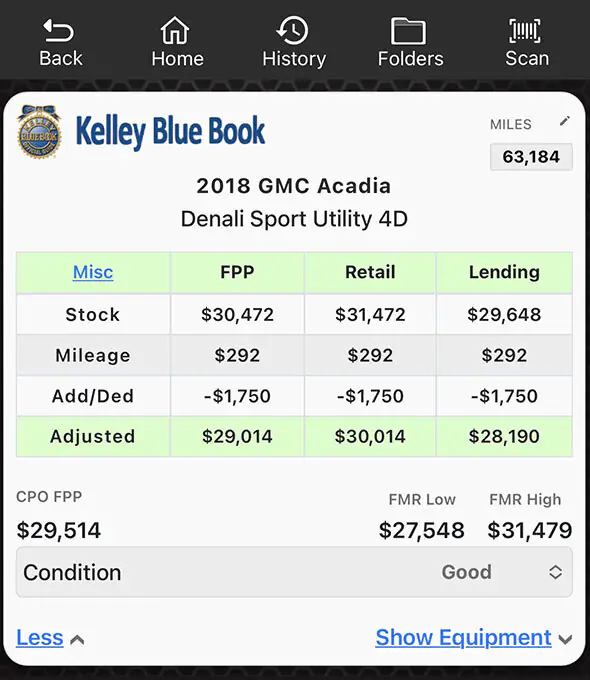
In conclusion, KBB Value is far more than a simple pricing guide; it is an indispensable financial instrument that underpins confidence and transparency in the automotive market. From guiding individual consumers in their largest personal expenditures to informing the strategic decisions of multi-million dollar businesses, its analytical rigor and trusted authority provide a common, credible benchmark. Whether you’re buying, selling, insuring, or financing a vehicle, understanding and leveraging the various facets of KBB Value empowers you to navigate the complexities of automotive transactions with clarity and financial prudence. In a world where every dollar counts, KBB Value stands as a beacon of informed financial decision-making, ensuring that both buyers and sellers can operate from a position of knowledge, optimizing their outcomes in one of life’s most significant financial dealings.
aViewFromTheCave is a participant in the Amazon Services LLC Associates Program, an affiliate advertising program designed to provide a means for sites to earn advertising fees by advertising and linking to Amazon.com. Amazon, the Amazon logo, AmazonSupply, and the AmazonSupply logo are trademarks of Amazon.com, Inc. or its affiliates. As an Amazon Associate we earn affiliate commissions from qualifying purchases.