
For many, owning a car is synonymous with freedom, convenience, and a rite of passage. It opens up new possibilities for commuting, travel, and daily errands. However, beneath the allure of a gleaming new vehicle or the practicality of a reliable used one lies a complex web of financial commitments that extend far beyond the initial purchase price. Understanding the true monthly cost of car ownership is crucial for responsible financial planning and avoiding unexpected budget strains. It’s not just about the car payment; it’s a multifaceted expense that touches upon everything from fuel and insurance to maintenance and depreciation.
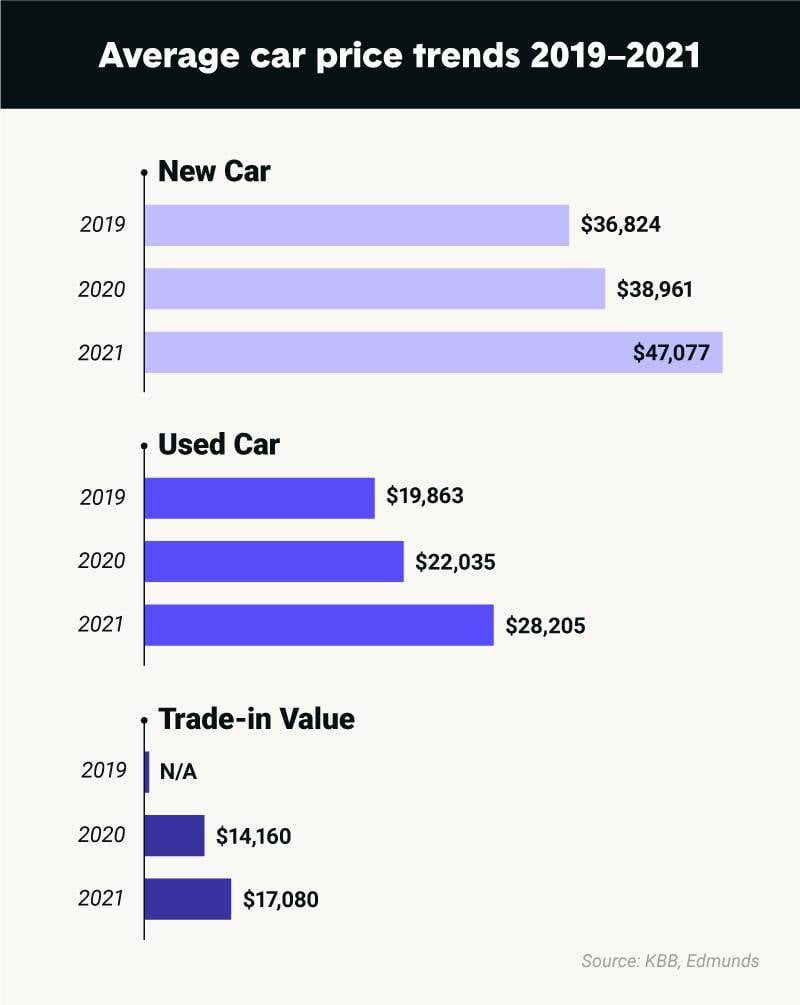
The question “how much does a car cost per month?” doesn’t have a single, universal answer. It varies dramatically based on numerous factors, including the type of car, where you live, your driving habits, and even your credit score. This comprehensive guide will dissect the various components that contribute to the monthly burden of car ownership, offering insights and strategies to help you accurately budget and, potentially, reduce these significant outlays.
The Initial Investment: More Than Just the Sticker Price
The most obvious financial commitment associated with a car is its purchase price. However, this figure is merely the tip of the iceberg when calculating your true initial investment and, subsequently, your monthly financial commitment.
Purchase Price and Financing Considerations
Whether you’re buying new or used, the price of the vehicle itself is the bedrock of your car-related expenses. Most people don’t pay cash for a car, opting instead for financing. This introduces a monthly loan payment, which is often the largest single component of a car’s monthly cost.
- New Cars: New cars come with higher sticker prices but often benefit from manufacturer incentives, lower interest rates for qualified buyers, and comprehensive warranties. A new car loan can range from 36 to 72 months, sometimes even longer, directly influencing the monthly payment. Shorter loan terms mean higher monthly payments but less interest paid over the life of the loan.
- Used Cars: Used cars generally have lower purchase prices and, consequently, lower monthly loan payments. However, interest rates on used car loans can sometimes be higher, and warranties might be shorter or non-existent, potentially leading to more out-of-pocket expenses for repairs down the line.
When considering financing, key factors include the loan amount, the interest rate (APR), and the loan term. Even a small difference in the interest rate can add hundreds or thousands of dollars to the total cost over several years. Tools like online loan calculators are invaluable for estimating potential monthly payments based on these variables.
Sales Tax, Registration, and Dealer Fees
Before you even drive off the lot, several mandatory upfront costs will add to your initial outlay. These are often rolled into the financing or paid out-of-pocket and can significantly inflate the total amount you need to budget for.
- Sales Tax: Most states levy a sales tax on vehicle purchases, which can range from a few percent to over 10% of the car’s price. For a $30,000 car, a 7% sales tax adds $2,100 to the cost.
- Registration and License Plate Fees: These vary by state and sometimes by vehicle type or weight. They are typically annual or biennial fees required to legally operate your car.
- Dealer Fees: Dealerships often charge various administrative fees, documentation fees, and sometimes even “prep” fees. While some are legitimate, others can be negotiable or excessive. Always ask for a breakdown and question any ambiguous charges.
These fees, if financed, will increase your loan amount and, consequently, your monthly payment. If paid upfront, they require significant immediate cash.
Down Payment and Its Impact on Monthly Costs
A down payment is the initial amount of money you pay upfront toward the purchase of a car, reducing the amount you need to borrow. The size of your down payment has a direct and substantial impact on your monthly car payment and the total interest you’ll pay.
- Larger Down Payment: A larger down payment means a smaller loan amount, which translates to lower monthly payments and less interest paid over the life of the loan. It also helps in building equity faster.
- Smaller/No Down Payment: While appealing for those with limited upfront cash, a small or no down payment leads to a larger loan principal, higher monthly payments, and significantly more interest accrued. It can also put you in an “upside-down” position, where you owe more than the car is worth, especially with a new car that depreciates rapidly.
Financial advisors often recommend a down payment of at least 10-20% for a new car and 10% for a used car to secure better loan terms and protect against rapid depreciation.
Ongoing Operational Expenses: The Monthly Budget Drain
Once the initial purchase is handled, a new set of recurring expenses takes over, forming the core of your monthly car costs. These operational expenses are non-negotiable for active car owners.
Fuel Costs: A Variable but Significant Expense
Unless you own an electric vehicle and charge primarily at home (which still adds to your electricity bill), fuel is a constant and often unpredictable expense.
- Factors Influencing Fuel Costs: These include the price of gasoline (which fluctuates based on global markets and local taxes), your car’s fuel efficiency (miles per gallon/liter), and your daily/monthly driving mileage.
- Calculating an Estimate: To estimate, track your average monthly mileage and divide it by your car’s MPG to get gallons used. Multiply this by your average local fuel price. For example, driving 1,000 miles a month in a car that gets 25 MPG requires 40 gallons of fuel. At $3.50/gallon, that’s $140 per month.
- Impact of Driving Habits: Aggressive driving, frequent short trips, and heavy traffic can significantly reduce fuel efficiency.
Car Insurance: A Non-Negotiable Necessity
Car insurance is legally mandated in most places and is a critical financial safeguard. Its cost is one of the most variable components of monthly car expenses.
- Factors Influencing Premiums: These include your age, driving record, location, type of vehicle (make, model, year, safety features), credit score, and chosen coverage limits and deductibles.
- Types of Coverage: Basic liability covers damage to others, while comprehensive and collision cover damage to your own vehicle from accidents, theft, or other incidents. Choosing higher coverage offers more protection but comes at a higher monthly premium.
- Shopping Around: Insurance rates can differ significantly between providers for the same coverage. It’s wise to get quotes from multiple insurers annually to ensure you’re getting the best rate.
Insurance can range from $50 to over $200 per month, sometimes even higher for young drivers, those with poor records, or owners of high-value vehicles.
Maintenance and Repairs: Planning for the Unexpected
While often overlooked in initial budget calculations, maintenance and repairs are an unavoidable part of car ownership. Skipping routine maintenance can lead to more expensive problems down the road.
- Routine Maintenance: This includes oil changes, tire rotations, brake inspections, filter replacements, and fluid checks. These are typically scheduled every few months or thousands of miles and can cost $50-$200 per visit.
- Scheduled Services: Manufacturers recommend more extensive services at specific mileage intervals (e.g., 30,000, 60,000, 90,000 miles) which can involve spark plug replacements, timing belt changes, or transmission fluid flushes, costing several hundred dollars or more.
- Unexpected Repairs: Flat tires, battery replacements, and more serious mechanical issues (e.g., transmission problems, engine work) can crop up without warning and incur costs ranging from hundreds to thousands of dollars.
- Budgeting for Contingencies: A common recommendation is to set aside $50-$100 per month specifically for car maintenance and unexpected repairs. This creates a buffer for when these expenses inevitably arise. New cars might have warranty coverage for a few years, but regular maintenance is still required.
Parking and Tolls: Overlooked Incremental Costs
Depending on where you live and drive, parking fees and tolls can add up to a substantial monthly expense.
- Parking: In urban areas, monthly parking permits, daily meter fees, or garage charges can easily run from $50 to $300+ per month. Even occasional street parking tickets can contribute to this category.
- Tolls: Commuters who regularly use toll roads, bridges, or tunnels will see these charges accumulate rapidly. Many toll systems offer transponders that provide discounts, but the cost remains.
These are highly location-specific costs, but they should absolutely be factored into your budget if applicable.
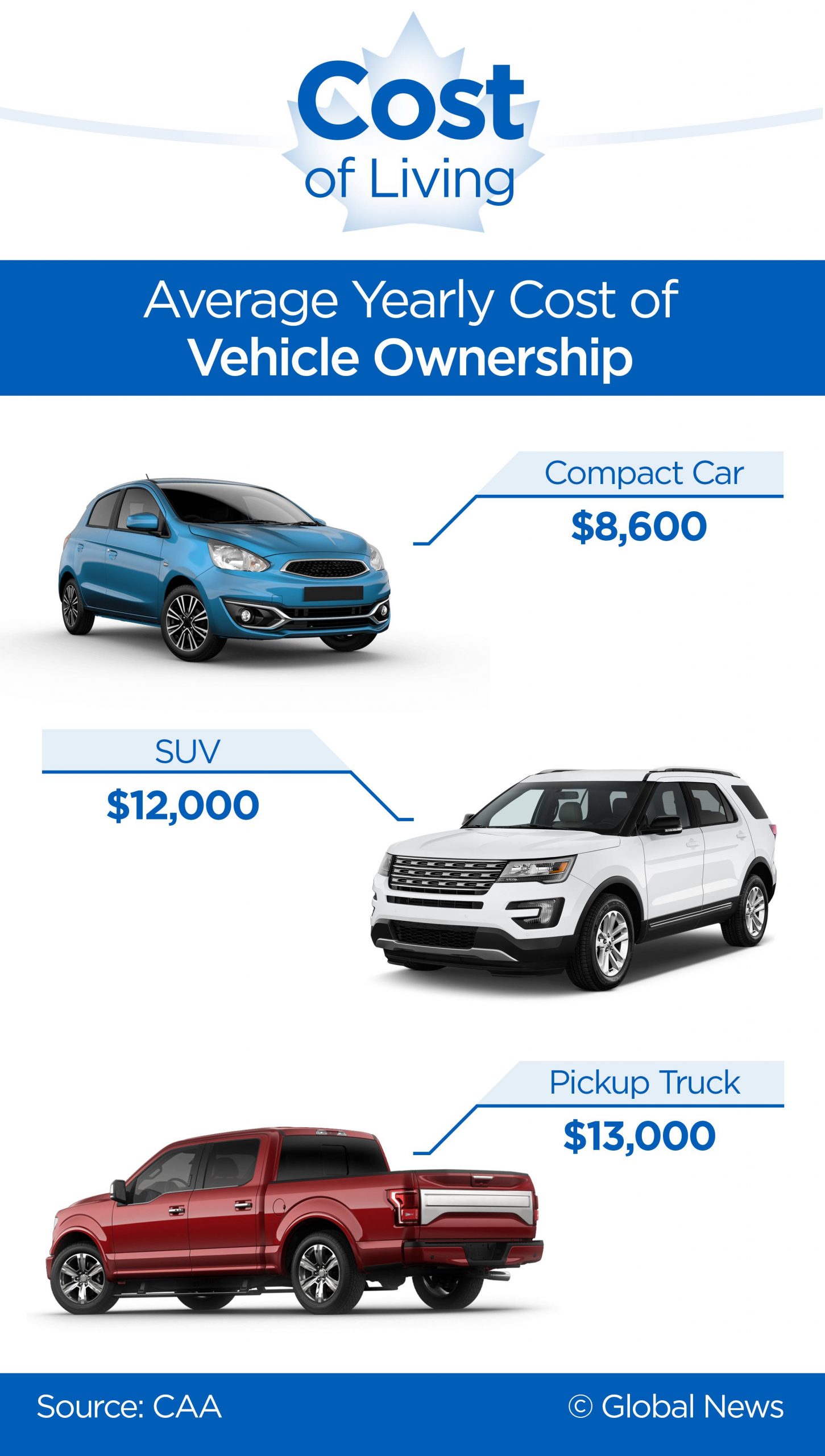
Depreciation and Resale Value: The Hidden Cost of Ownership
Perhaps the most significant, yet often overlooked, cost of car ownership is depreciation. This isn’t a direct monthly payment, but it represents a loss of asset value that impacts your overall financial standing.
Understanding Depreciation’s Impact
Depreciation is the decrease in a car’s value over time. It starts the moment you drive a new car off the lot, with some vehicles losing 10-20% of their value in the first year alone, and often 50-60% within five years.
- Financial Impact: While you don’t write a check for depreciation, it’s a real financial loss. If you sell your car, you’ll get less than you paid. If your car is totaled, the insurance payout will be based on its depreciated market value.
- Loan Implications: Rapid depreciation can be problematic if you have a high loan-to-value ratio, potentially leaving you “underwater” on your loan (owing more than the car is worth).
- Factors Affecting Depreciation: Brand reputation, reliability, popularity of the model, mileage, condition, and market demand all play a role. Some cars hold their value better than others.
Strategies to Mitigate Value Loss
While depreciation is inevitable, there are ways to minimize its impact:
- Buy Used: Used cars have already experienced their steepest depreciation curve. Buying a 2-3 year old used car can save you tens of thousands compared to buying new.
- Choose Models with Good Resale Value: Research cars known for strong resale value (e.g., certain Toyota, Honda, Subaru models often perform well).
- Maintain Your Vehicle: Regular maintenance, a clean service record, and keeping the car in good cosmetic condition can help preserve its value.
- Avoid Excessive Mileage: High mileage accelerates depreciation.
- Keep Records: Maintain all service records, original documents, and any aftermarket receipts.
Regional and Personal Factors Influencing Costs
The “average” cost of car ownership is a tricky concept because individual circumstances play a massive role in shaping actual expenses.
Geographic Location: Urban vs. Rural Differences
Where you live significantly impacts almost every aspect of car ownership costs.
- Urban Areas: Typically mean higher insurance premiums (due to increased traffic density and theft rates), expensive or limited parking, potential for higher sales taxes, and often increased wear and tear due to stop-and-go traffic. However, public transport alternatives might reduce daily driving needs.
- Rural Areas: Generally benefit from lower insurance rates, ample free parking, and potentially lower local taxes. However, longer commutes mean higher fuel costs, and access to mechanics or specialty parts might be limited or more expensive.
Driving Habits and Lifestyle Choices
Your personal choices behind the wheel and in daily life directly influence your budget.
- Commute Length: A long daily commute translates to higher fuel consumption, more frequent maintenance needs, and faster accumulation of mileage, accelerating depreciation.
- Aggressive Driving: Frequent acceleration and hard braking reduce fuel efficiency and increase wear on brakes and tires.
- Aftermarket Modifications: While personalizing your car is fun, certain modifications can increase insurance premiums or void warranties.
- Vehicle Usage: If a car is primarily for occasional weekend trips versus daily business use, the monthly cost will differ dramatically.
Vehicle Type and Age: New vs. Used, Luxury vs. Economy
The car you choose is perhaps the most defining factor in its monthly cost.
- New Cars: Generally have higher purchase prices, loan payments, and often higher insurance (due to replacement value). However, they come with warranties, modern safety features, and typically lower immediate maintenance costs.
- Used Cars: Offer lower purchase prices and often lower insurance. However, they might require more frequent and potentially more expensive repairs as they age, especially if out of warranty.
- Luxury Vehicles: Come with premium price tags, higher insurance premiums (expensive parts, higher risk of theft), and often specialized, more expensive maintenance requirements. Fuel efficiency can also be lower.
- Economy Cars: Typically have lower purchase prices, insurance rates, and excellent fuel efficiency, making them the most budget-friendly option.
Strategies to Reduce Your Monthly Car Expenses
Managing car costs effectively is about being proactive and making informed decisions. Here’s how you can take control of your monthly car budget.
Smart Car Shopping and Financing
The decisions you make before and during the purchase process have the most significant impact on your long-term monthly costs.
- Research Thoroughly: Look beyond the sticker price. Investigate total cost of ownership, including insurance costs for specific models, fuel economy, and projected maintenance costs.
- Negotiate Wisely: Be prepared to negotiate the purchase price, trade-in value, and dealer fees. Don’t be pressured into add-ons you don’t need.
- Secure Favorable Financing: Get pre-approved for a loan from a bank or credit union before visiting a dealership. This gives you leverage and a benchmark for comparison. Aim for the lowest interest rate and a loan term you’re comfortable with.
- Consider a Well-Maintained Used Car: Buying a reliable used car that’s a few years old can save you thousands in depreciation alone, making a significant difference to your monthly budget.
Optimizing Insurance Premiums
Car insurance is a major recurring expense that can often be reduced.
- Shop Around Annually: Get quotes from at least three different insurance providers every year. Rates change, and new discounts may become available.
- Increase Your Deductible: Opting for a higher deductible (the amount you pay out-of-pocket before insurance kicks in) can lower your monthly premium. Just ensure you can afford the deductible if an incident occurs.
- Bundle Policies: Many insurers offer discounts if you bundle your car insurance with home or renter’s insurance.
- Look for Discounts: Ask about discounts for good drivers, low mileage, good grades (for students), vehicle safety features, anti-theft devices, or completing defensive driving courses.
- Maintain a Good Driving Record: Avoid accidents and traffic violations, as these significantly increase premiums.
Proactive Maintenance and Fuel Efficiency Tips
How you maintain and drive your car directly affects fuel costs and repair bills.
- Follow Maintenance Schedule: Adhere to your car manufacturer’s recommended maintenance schedule. Regular oil changes, tire rotations, and inspections prevent minor issues from becoming costly major repairs.
- Check Tire Pressure Regularly: Properly inflated tires improve fuel efficiency and extend tire life.
- Drive Efficiently: Avoid aggressive driving (hard acceleration and braking). Maintain a consistent speed, use cruise control on highways, and avoid excessive idling.
- Lighten the Load: Remove unnecessary heavy items from your car, as extra weight reduces fuel economy.
- Plan Routes: Use navigation apps to find the most efficient routes and avoid heavy traffic, which wastes fuel.
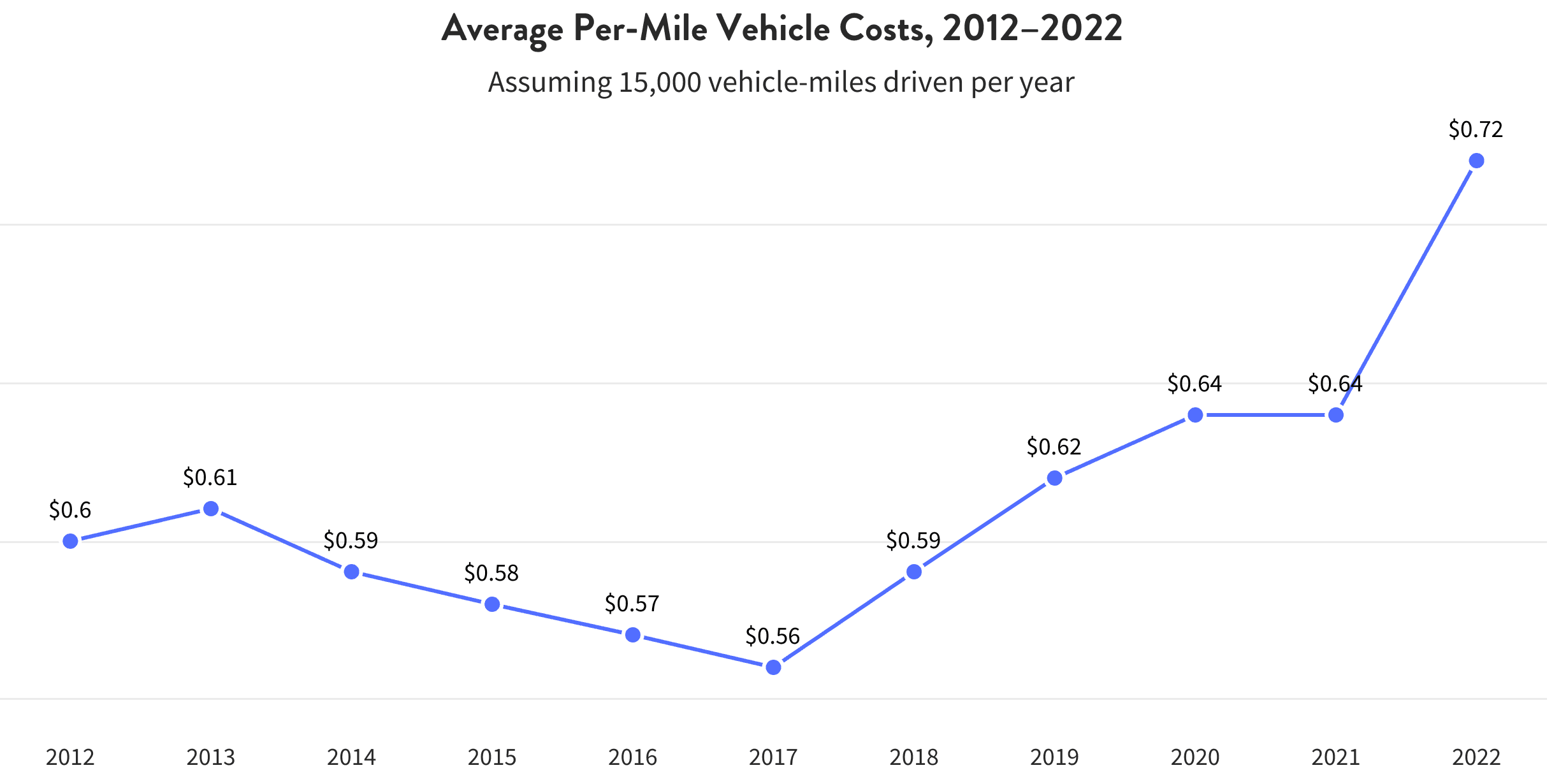
Exploring Alternatives to Traditional Car Ownership
For some, especially in urban environments, traditional car ownership might not be the most financially sensible option.
- Public Transportation: Utilize buses, trains, and subways if available. The monthly cost of a transit pass is often significantly less than car ownership.
- Ride-Sharing and Taxis: For occasional needs, services like Uber or Lyft can be more cost-effective than owning a car, especially if you rarely drive.
- Car-Sharing Services: Services like Zipcar allow you to rent a car by the hour or day, covering fuel and insurance, and are ideal for those who only need a car occasionally.
- Biking or Walking: For short distances, these are not only free but also beneficial for your health.
In conclusion, understanding “how much does a car cost per month” requires a detailed look at initial investments, ongoing operational expenses, the hidden cost of depreciation, and personal as well as regional factors. By being financially astute, researching thoroughly, and making conscious choices about buying, insuring, maintaining, and driving your vehicle, you can significantly mitigate these costs and ensure that the freedom of car ownership remains a financial asset rather than a burden.
aViewFromTheCave is a participant in the Amazon Services LLC Associates Program, an affiliate advertising program designed to provide a means for sites to earn advertising fees by advertising and linking to Amazon.com. Amazon, the Amazon logo, AmazonSupply, and the AmazonSupply logo are trademarks of Amazon.com, Inc. or its affiliates. As an Amazon Associate we earn affiliate commissions from qualifying purchases.