
For many, owning a car is more than just a convenience; it’s a necessity, a symbol of freedom, or even a passion. Yet, the journey to full ownership often begins with a significant financial commitment: a car loan. Understanding how long it takes to pay off a car, and what influences that timeline, is crucial for sound financial planning. It’s not just about the monthly payment; it’s about the total cost, the interest accrued, and the strategic decisions that can either shorten your debt burden or extend it considerably. This article will delve into the factors that dictate your car loan payoff period, explore current market trends, and equip you with actionable strategies to accelerate your path to a debt-free vehicle.

The Core Determinants of Your Car Loan Timeline
Paying off a car loan isn’t a one-size-fits-all scenario. The duration is a direct consequence of several interconnected financial variables, each playing a critical role in how quickly you can retire your debt. Grasping these fundamentals is the first step toward regaining control over your vehicle’s financing.
Loan Term Length
The loan term, or the duration over which you agree to repay the loan, is arguably the most straightforward determinant of your payoff timeline. Car loans typically range from 36 months (three years) to 84 months (seven years), though some lenders may offer even shorter or longer periods. A shorter loan term means larger monthly payments, but you’ll pay off the car faster and incur less interest over the life of the loan. Conversely, a longer loan term translates to lower monthly payments, which can make a more expensive car seem affordable. However, this extended timeline inevitably results in paying significantly more in interest, increasing the total cost of the vehicle and prolonging your debt obligation. The common industry average for new car loans has steadily crept up, with 60 to 72 months now being standard, and 84-month terms becoming increasingly prevalent for both new and used vehicles.
Interest Rate (APR)
The Annual Percentage Rate (APR) is the cost of borrowing money, expressed as a yearly percentage. A higher interest rate means a larger portion of your monthly payment goes towards interest, especially in the early stages of the loan, rather than reducing the principal balance. This effectively slows down your progress in paying off the car. Your APR is influenced by several factors, including your credit score, the lender, the current economic climate, and even the make and model of the car. Borrowers with excellent credit can secure lower rates, drastically reducing their total interest paid and shortening the effective payoff period if they stick to a disciplined payment schedule. Even a percentage point or two difference in APR can translate to hundreds or thousands of dollars saved (or spent) over the life of the loan, directly impacting how long it takes to become debt-free.
Principal Amount & Down Payment
The principal amount is the total sum of money you borrow to purchase the car. This figure is the difference between the car’s purchase price (plus taxes, fees, and any extended warranties) and any down payment or trade-in value you provide. A larger principal inherently means more money to repay, which will extend your payoff time unless you significantly increase your monthly payments. This is where a substantial down payment becomes a powerful tool. By reducing the principal from the outset, a down payment immediately lessens the amount you need to finance, leading to lower monthly payments, less total interest paid, and a potentially shorter payoff period. Furthermore, a larger down payment can often help you secure a better interest rate, compounding its benefits.
Your Monthly Payment Strategy
While loan terms and interest rates are set at the outset, your approach to making monthly payments offers a flexible lever to influence your payoff timeline. Sticking to the minimum payment amount for the entire loan term will see you pay off the car exactly when the loan agreement dictates, but it offers no advantage. Conversely, adopting a strategic payment approach can dramatically shorten the duration. Paying more than the minimum required each month, even a small additional amount, directly reduces your principal balance. Since interest is calculated on the remaining principal, this accelerated principal reduction means less interest accrues over time, making your money work harder for you and pushing you closer to a debt-free status much faster.
Navigating Today’s Car Loan Landscape and Common Trends
The automotive financing world is dynamic, constantly evolving with economic shifts, consumer preferences, and lender offerings. Understanding the current landscape is essential for anyone looking to finance a vehicle and manage their debt effectively.
Average Payoff Times and Shifting Norms
Historically, a 48-month or 60-month car loan was considered the norm. However, recent years have seen a significant shift, with the average new car loan term now often exceeding 68-70 months, and used car loans trailing closely behind. This lengthening of terms is largely driven by rising vehicle prices; as cars become more expensive, consumers seek lower monthly payments to fit their budgets. While this trend makes vehicle ownership more accessible to a wider demographic, it simultaneously extends the period borrowers are in debt. According to industry data, borrowers often keep their vehicles for around six to seven years before trading them in or selling them. This means that a considerable portion of car owners are trading in their vehicles while still carrying a significant balance on their existing loans, rolling negative equity into new financing.
The Lure of Extended Loan Terms – And Its Hidden Costs
The primary appeal of extended loan terms (72 or 84 months) is the promise of significantly lower monthly payments. For a $30,000 car at 6% APR, a 60-month loan might cost around $580 per month, whereas an 84-month loan could drop that to roughly $435. This difference of $145 per month can feel substantial for many households. However, this comfort comes at a considerable financial cost. In the 60-month example, total interest paid would be approximately $4,800, while the 84-month loan would accrue nearly $6,500 in interest – an extra $1,700 for the same car. Beyond the increased interest, longer loan terms expose borrowers to a higher risk of negative equity (owing more than the car is worth) and the car’s depreciation. By the time a 7-year loan is paid off, the vehicle may have significantly less market value, potentially requiring substantial maintenance, or even nearing the end of its useful life, diminishing the joy of true ownership.
Actionable Strategies to Accelerate Your Car Loan Payoff
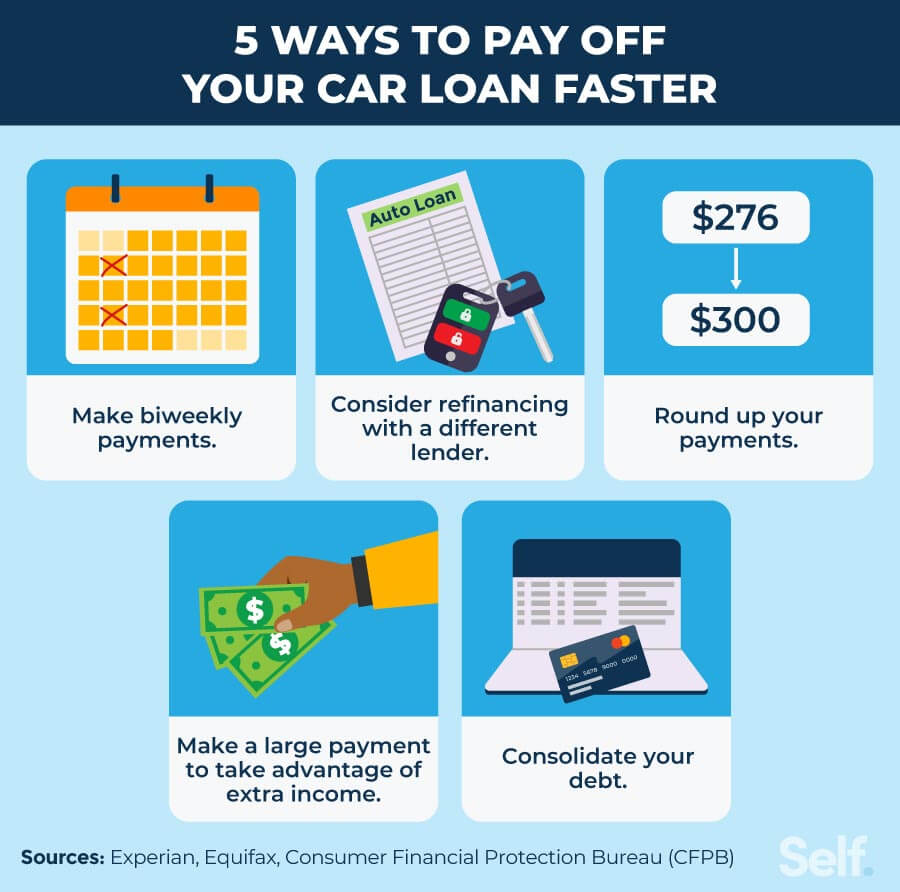
While the initial terms of your car loan dictate a baseline payoff period, you are not powerless to influence it. Proactive financial strategies can significantly reduce the time it takes to become debt-free, saving you money in the process.
Making Extra Payments and Bi-Weekly Schedules
The most direct way to shorten your loan term is to pay more than the minimum required each month. Even a small extra payment, consistently applied, can shave months—or even a year or more—off your loan. Ensure that any extra payments are explicitly applied to the principal balance, rather than being counted as a prepayment for the next month’s installment. Another effective strategy is to switch to a bi-weekly payment schedule. Instead of making one monthly payment, you make half the payment every two weeks. Since there are 52 weeks in a year, this results in 26 half-payments, which equates to 13 full monthly payments annually, rather than 12. This “extra” payment goes directly towards the principal, significantly accelerating your payoff without a drastic increase in your perceived payment frequency.
Refinancing for Better Terms
Refinancing your car loan involves taking out a new loan to pay off your existing one, ideally with more favorable terms. This strategy is particularly powerful if your credit score has improved since you initially took out the loan, or if current interest rates are lower than what you’re currently paying. A lower interest rate means more of your monthly payment goes towards the principal, reducing the total amount of interest paid and shortening the payoff period if you maintain your original payment amount. Alternatively, you could refinance to a shorter loan term, accepting a higher monthly payment in exchange for a much faster payoff and substantial interest savings. Before refinancing, compare offers from multiple lenders and calculate the total savings to ensure it’s a worthwhile move, taking into account any fees associated with the new loan.
Strategic Use of Windfalls (Bonuses, Tax Refunds)
Unexpected cash inflows, such as work bonuses, tax refunds, or even an inheritance, present a golden opportunity to make a substantial dent in your car loan principal. Instead of spending these windfalls, consider allocating a portion or all of them directly to your loan. A lump-sum payment applied directly to the principal can dramatically reduce the outstanding balance, immediately cutting down on the interest that accrues moving forward. This strategy offers a significant boost to your payoff efforts, as it leverages money you weren’t necessarily budgeting for in your regular expenses, turning an extra into a powerful debt-reduction tool.
The Power of a Significant Down Payment
While ideally made at the time of purchase, the importance of a down payment cannot be overstated for accelerating your payoff. A larger down payment reduces the principal amount borrowed from day one. Less principal means less interest over the life of the loan and lower monthly payments. If you can only afford a small down payment initially, consider saving up a larger sum for your next vehicle purchase. Additionally, maximizing your trade-in value when buying a new car serves a similar purpose to a down payment, effectively reducing the amount you need to finance and setting you on a faster path to debt freedom.
Beyond the Payoff: The Broader Financial Benefits of a Debt-Free Car
Achieving the milestone of paying off your car loan is more than just checking off a financial obligation; it opens doors to a host of significant financial benefits that can profoundly impact your overall well-being and future wealth building.
Financial Freedom and Enhanced Cash Flow
Once your car loan is paid off, that chunk of money you were dedicating to monthly payments is suddenly freed up. This enhanced cash flow grants you significant financial flexibility. You can redirect those funds towards other pressing financial goals, such as paying down higher-interest debt (like credit cards), bolstering your emergency fund, increasing contributions to retirement accounts, or saving for a down payment on a home. The psychological relief of not having that recurring payment is invaluable, reducing financial stress and empowering you to make choices based on desire rather than necessity.
Building Net Worth and Future Opportunities
A paid-off car becomes a debt-free asset, directly contributing to your net worth. While cars depreciate, owning one outright means you possess equity, rather than just carrying a liability. This asset can serve as a valuable trade-in for a future vehicle purchase, potentially eliminating the need for a new loan or at least significantly reducing the principal you’d need to finance. Furthermore, the money saved on interest by paying off your car sooner can be channeled into investments, allowing your capital to grow over time and further solidify your financial future. It transforms a depreciating asset with an attached liability into a more manageable part of your wealth portfolio.
Avoiding Negative Equity and Depreciation Traps
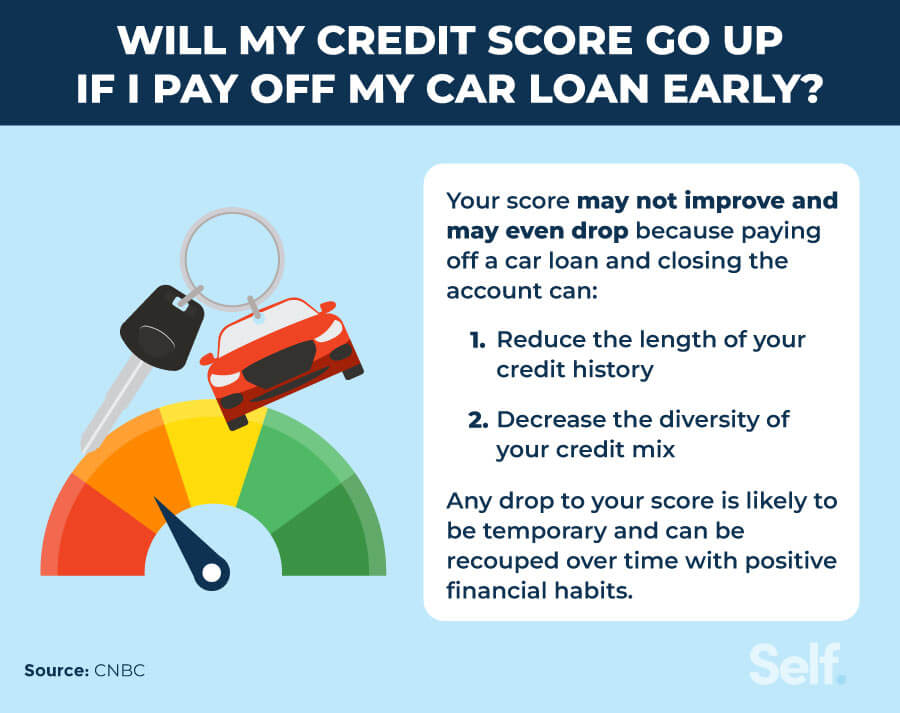
Long loan terms and rapid depreciation are a dangerous combination, often leading to negative equity where you owe more on the car than its market value. Paying off your car faster mitigates this risk significantly. By reducing your principal balance ahead of the depreciation curve, you minimize the chances of being upside down on your loan. This allows you greater flexibility if you need to sell the car unexpectedly or wish to trade up without rolling over a deficit into a new loan. A debt-free car essentially gives you a cleaner slate, protecting you from common financial traps associated with long-term vehicle financing.
Conclusion
The journey to paying off a car loan is a significant financial undertaking, but understanding the underlying factors and employing strategic planning can dramatically shorten your timeline and save you a substantial amount of money. From choosing the right loan term and securing a favorable interest rate to making proactive extra payments and leveraging financial windfalls, every decision contributes to your ultimate goal. A debt-free car isn’t just a vehicle; it’s a symbol of financial discipline and freedom, unlocking new opportunities for savings, investment, and reduced financial stress. By taking control of your car loan, you’re not just paying off a car; you’re investing in your broader financial well-being.
aViewFromTheCave is a participant in the Amazon Services LLC Associates Program, an affiliate advertising program designed to provide a means for sites to earn advertising fees by advertising and linking to Amazon.com. Amazon, the Amazon logo, AmazonSupply, and the AmazonSupply logo are trademarks of Amazon.com, Inc. or its affiliates. As an Amazon Associate we earn affiliate commissions from qualifying purchases.