
For many, purchasing a car is one of the most significant financial decisions they’ll make, second only to buying a home. It’s an exciting prospect, offering newfound freedom and convenience, but the path to vehicle ownership is often paved with financial considerations. Understanding how to finance a car effectively can save you thousands of dollars, protect your credit, and ensure you drive away with a deal that aligns with your financial well-being. This comprehensive guide will demystify the car financing process, empowering you to make informed decisions and secure the best possible terms for your next vehicle.

1. Laying the Financial Groundwork: Before You Shop
Before you even step foot on a dealership lot or browse online listings, the most crucial step is to understand your current financial standing. This proactive approach sets the stage for a smooth and affordable financing journey.
Assessing Your Budget and Affordability
The golden rule of car financing is to only buy what you can truly afford. This isn’t just about the monthly payment; it encompasses the total cost of ownership. Start by creating a detailed budget that accounts for all your income and expenses.
- Monthly Payment: A common guideline suggests that your total car expenses (including payment, insurance, fuel, and maintenance) should not exceed 10-15% of your net monthly income. Don’t let a low monthly payment seduce you into a longer loan term if it significantly increases the total interest paid.
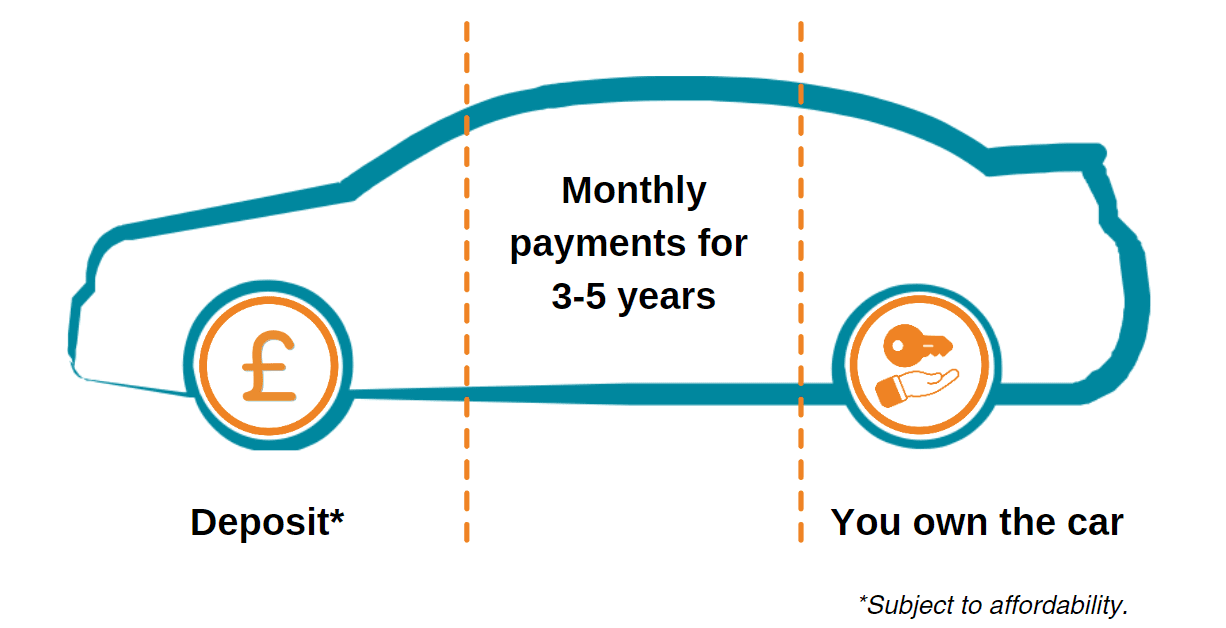
- Down Payment: Determine how much you can realistically put down upfront. A larger down payment reduces the amount you need to borrow, thereby lowering your monthly payments and the total interest accrued over the life of the loan. Aim for at least 10-20% of the car’s price if possible, especially for new cars, to avoid being “upside down” (owing more than the car is worth) early in the loan term.
- Ancillary Costs: Factor in ongoing expenses like car insurance (which can vary significantly based on the car’s value, your driving record, and your location), fuel, routine maintenance, and potential repair costs.
The Pivotal Role of Your Credit Score
Your credit score is arguably the most critical factor in determining the interest rate you’ll be offered on a car loan. Lenders use it to assess your creditworthiness and the risk associated with lending you money.
- Understanding Your Score: FICO scores range from 300 to 850. Generally, scores above 700 are considered good, while those above 760 are excellent. A higher score translates directly to lower interest rates, saving you substantial money over the loan term.
- Checking Your Credit Report: Obtain a free copy of your credit report from each of the three major bureaus (Experian, Equifax, TransUnion) annually via AnnualCreditReport.com. Review it carefully for any errors or discrepancies that could be dragging your score down. Dispute any inaccuracies promptly.
- Improving Your Credit: If your score needs improvement, focus on making all payments on time, reducing existing debt, and avoiding opening new credit lines just before applying for a car loan. Even a few points can make a difference in your interest rate.
The Power of a Down Payment
A substantial down payment offers several significant financial advantages:
- Reduced Loan Amount: You borrow less, meaning lower monthly payments and less interest paid over the loan’s life.
- Positive Equity: A larger down payment helps ensure you have positive equity in your vehicle from the start, meaning the car’s value exceeds the outstanding loan balance. This is crucial if you need to sell or trade in the car sooner than expected.
- Better Loan Terms: Lenders often offer more favorable interest rates and terms to borrowers who demonstrate a stronger financial commitment with a larger down payment.
- Lower Risk: Reduces the risk of being “underwater” on your loan, especially given how quickly new cars depreciate.
2. Deciphering Your Car Financing Avenues
Once you have a clear understanding of your financial capacity, it’s time to explore where you can secure a car loan. There are several popular options, each with its own advantages and disadvantages.
Traditional Lenders: Banks and Credit Unions
Many consumers start their financing search with their personal bank or a local credit union, and for good reason.
- Banks: Large national banks often offer competitive rates, especially to existing customers with good credit. They provide convenience and familiarity.
- Credit Unions: These member-owned financial institutions are renowned for offering some of the lowest interest rates on car loans. Their not-for-profit structure allows them to pass savings on to members. It’s often worth joining a credit union specifically for their auto loan rates.
- Pre-Approval: Both banks and credit unions typically offer pre-approval. This means they will assess your creditworthiness and provide you with a specific loan amount and interest rate before you go car shopping. This gives you a strong negotiating tool at the dealership, as you know the best rate you can get.
The Dealership Financing Route
Dealerships offer financing as a convenience, often working with a network of lenders.
- One-Stop Shop: You can select a car, get a loan, and drive away, all in one place.
- Special Offers: Dealerships sometimes have manufacturer-backed special financing deals, such as 0% APR for a limited term, especially on new vehicles. These can be attractive but are usually reserved for borrowers with excellent credit.
- Convenience vs. Cost: While convenient, dealership financing might not always offer the absolute best rate compared to pre-approved loans from external lenders. It’s crucial to compare their offer with any pre-approvals you’ve secured. They may also “mark up” the interest rate to earn a profit.
Exploring Online Lenders and Alternative Options
The digital age has brought forth a plethora of online lenders specializing in auto loans.
- Online Lenders: Companies like LightStream, Capital One Auto Finance, and others offer a streamlined application process, often with quick approvals and competitive rates. They allow you to shop for rates from multiple lenders without visiting physical branches.
- Peer-to-Peer Lending: While less common for car loans, some platforms may facilitate them, though typically with higher interest rates and stricter requirements.
- Leasing vs. Buying: While the title implies buying, it’s essential to briefly understand leasing as a financial alternative. Leasing involves paying for the depreciation of a car during a set term, rather than buying it outright. It typically results in lower monthly payments but means you never own the vehicle. For those who enjoy driving new cars every few years and want lower monthly costs without the hassle of resale, leasing can be a viable option, but it’s a different financial commitment than financing a purchase.
3. Navigating the Loan Application and Approval Process

Once you’ve identified potential lenders, the next step is to formalize your application. Understanding what lenders look for and the key terms involved is critical.
Essential Documentation and Information
When applying for a car loan, be prepared to provide:
- Personal Information: Name, address, phone number, date of birth, Social Security number.
- Employment Details: Employer’s name, address, phone number, duration of employment, salary.
- Financial Information: Bank account details, existing debt obligations (mortgage, credit cards, student loans), proof of income (pay stubs, tax returns).
- Vehicle Information: If you’ve already chosen a car, details like make, model, year, VIN, and sale price.
Understanding Key Loan Terms: APR, Term Length, and Total Cost
These three elements are the cornerstone of any car loan agreement.
- Annual Percentage Rate (APR): This is the true cost of borrowing, expressed as a yearly percentage. It includes the interest rate plus any other fees associated with the loan. A lower APR means lower borrowing costs. Don’t confuse it with the simple interest rate; APR gives a more complete picture.
- Loan Term Length: This is the duration over which you will repay the loan, typically expressed in months (e.g., 36, 48, 60, 72, or even 84 months).
- Shorter Terms (e.g., 36-48 months): Higher monthly payments but significantly less interest paid over the life of the loan. You pay off the car faster and build equity more quickly.
- Longer Terms (e.g., 72-84 months): Lower monthly payments but much more interest paid overall. You risk owing more than the car is worth for a longer period, making it harder to sell or trade in.
- Total Cost of the Loan: This is the sum of the principal loan amount plus all the interest you’ll pay over the entire loan term. Always compare this figure across different loan offers, as a seemingly low monthly payment over a very long term can hide a much higher total cost.
The Strategic Advantage of Pre-Approval
Getting pre-approved for a loan before you visit a dealership is a powerful strategy:
- Empowered Negotiation: You walk into the dealership with a firm offer in hand, essentially making you a cash buyer. This allows you to negotiate the car’s price separately from the financing, often leading to a better deal on both.
- Budget Clarity: You know exactly how much you can afford, preventing you from falling in love with a car outside your budget.
- Speed and Efficiency: Speeds up the buying process at the dealership.
- Leverage: Dealerships will often try to beat your pre-approved rate, giving you leverage to secure an even better deal.
4. Smart Strategies for Securing the Best Car Loan
Once you’ve done your homework and are ready to engage, employing smart strategies can further enhance your financing outcome.
Master the Art of Negotiation (Both Car Price and Loan Terms)
Negotiation is key at two levels:
- Vehicle Price: Always negotiate the purchase price of the car first, before discussing trade-ins or financing. Dealers often try to bundle these, making it harder to see where you’re getting a good deal (or not). Use market research (e.g., Kelley Blue Book, Edmunds) to understand fair pricing.
- Loan Terms: Once you have an agreed-upon car price, use your pre-approval to negotiate the best possible financing terms. If the dealership can beat your pre-approved rate, fantastic! If not, you have a solid fallback. Pay close attention to the APR, not just the monthly payment.
Prudent Consideration of Trade-ins
Trading in your old vehicle can simplify the process, but it requires careful handling.
- Separate Negotiation: Just like financing, negotiate your trade-in value separately from the new car price. Get independent appraisals (e.g., from CarMax or online valuation tools) to know your car’s true market value before heading to the dealership.
- Compare to Private Sale: A private sale typically yields more money than a trade-in, but it also involves more effort (advertising, showing the car, handling paperwork). Weigh the convenience of a trade-in against the potential financial gain of a private sale.
- Impact on Loan: A trade-in value reduces the amount you need to finance for your new car, which is beneficial.
The Pitfalls of Unnecessary Add-ons
Dealerships often attempt to sell various “add-ons” at the point of sale, such as extended warranties, paint protection, fabric protection, VIN etching, or gap insurance.
- Scrutinize Every Add-on: While some, like gap insurance (especially if you put little down or have a long loan term), might be wise, many are overpriced and unnecessary.
- Research and Compare: If an add-on interests you, research its cost and benefits independently. Extended warranties, for example, can often be purchased cheaper directly from third-party providers or even the manufacturer.
- Don’t Feel Pressured: Politely decline any add-ons you don’t want or need. Remember, these items significantly increase your total loan amount and thus your monthly payments and overall interest.
When to Consider Refinancing
Even after you’ve financed a car, your financial journey doesn’t have to end there. Refinancing can be a smart move if:
- Your Credit Score Improved: If your score has significantly risen since you took out the original loan, you might qualify for a lower APR.
- Interest Rates Have Dropped: Market interest rates fluctuate. If they’ve fallen, you could secure a better deal.
- You Want a Different Payment Term: You might refinance to shorten your loan term and pay less interest, or extend it to lower monthly payments (though this incurs more interest).
- You Got a Poor Initial Rate: If you rushed into a loan or had less-than-ideal credit initially, refinancing can correct an expensive mistake.
Refinancing involves applying for a new loan to pay off your existing car loan. Be sure to compare potential savings against any fees associated with the new loan.
Financing a car doesn’t have to be a daunting experience. By understanding your finances, exploring your options, meticulously navigating the application process, and employing smart negotiation tactics, you can secure a favorable loan that aligns with your budget and financial goals. Take your time, do your homework, and drive away confident in your financial decision.
aViewFromTheCave is a participant in the Amazon Services LLC Associates Program, an affiliate advertising program designed to provide a means for sites to earn advertising fees by advertising and linking to Amazon.com. Amazon, the Amazon logo, AmazonSupply, and the AmazonSupply logo are trademarks of Amazon.com, Inc. or its affiliates. As an Amazon Associate we earn affiliate commissions from qualifying purchases.