
Purchasing a car is a significant financial decision for most individuals, often representing one of the largest expenses after a home. While the excitement of a new set of wheels is undeniable, the process of financing that purchase can be complex and, at times, intimidating. Central to understanding the true cost of borrowing for a vehicle is the concept of the Annual Percentage Rate, or APR. More than just an interest rate, APR is a comprehensive metric that reflects the total yearly cost of a loan, encompassing not only the interest but also various fees charged by the lender. Grasping how APR functions on car loans is not merely academic; it’s a critical step toward making informed financial decisions, avoiding costly pitfalls, and ultimately saving thousands of dollars over the life of your loan. This guide will demystify APR, explore the factors that influence it, detail how it impacts your payments, and offer actionable strategies to secure the most favorable terms for your next car loan.
Demystifying APR: Beyond Just the Interest Rate
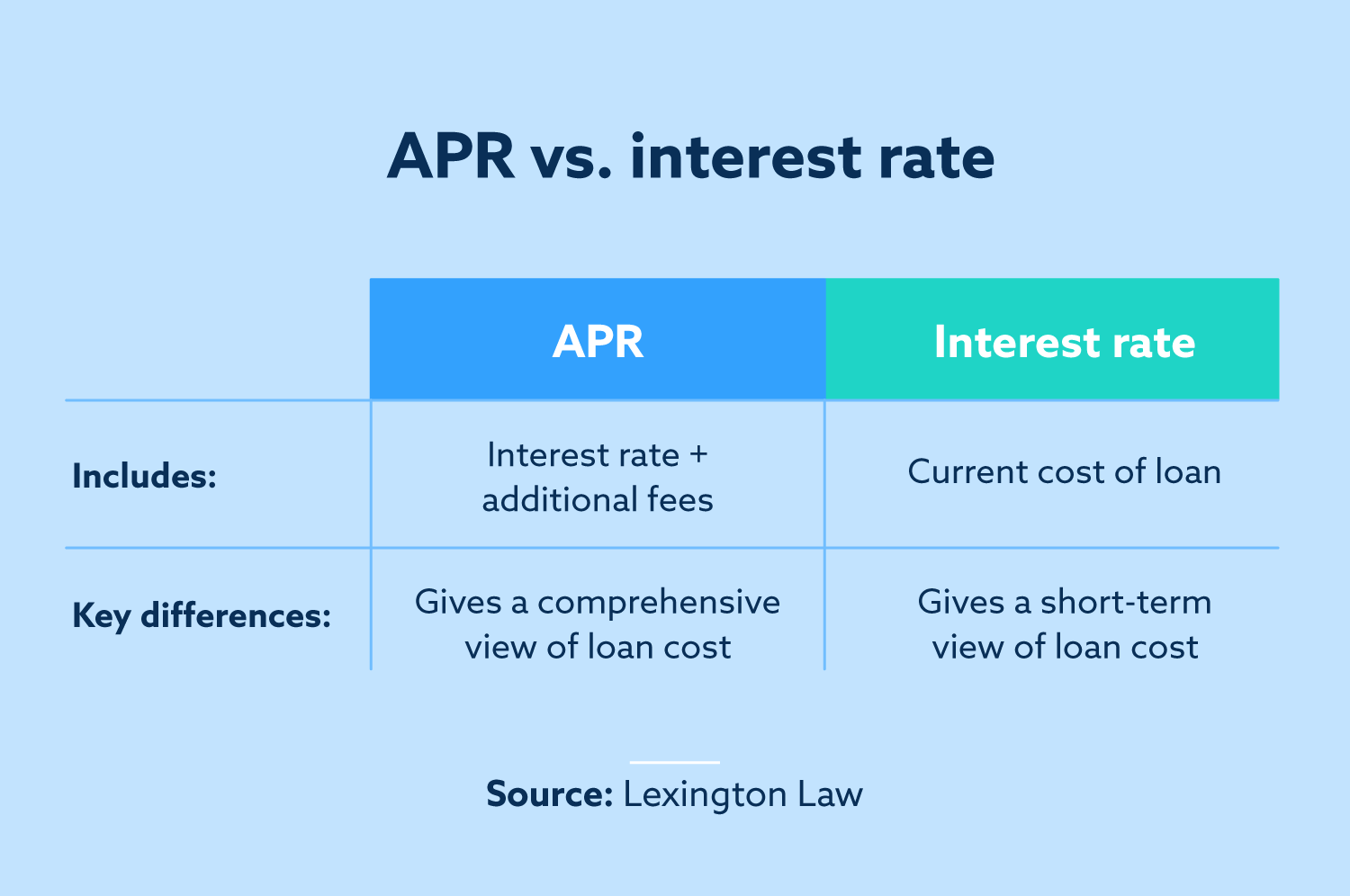
When comparing loan offers, many consumers instinctively look for the lowest interest rate. While the interest rate is undoubtedly a major component, it doesn’t tell the whole story. The Annual Percentage Rate (APR) provides a more holistic view of the cost of borrowing, as mandated by the Truth in Lending Act. Understanding the distinction between the nominal interest rate and the APR is foundational to navigating the car loan market effectively.
What is APR? The True Cost of Borrowing
APR stands for Annual Percentage Rate, and it represents the total yearly cost of a loan, expressed as a percentage of the loan amount. Unlike the simple interest rate, which only reflects the cost of borrowing the principal amount, APR includes the interest rate plus certain other charges and fees associated with obtaining the loan. These additional costs, when spread out over the term of the loan, contribute to a higher overall percentage rate than the nominal interest rate alone. For example, if a lender quotes you a 5% interest rate but charges a significant loan origination fee, your actual APR might be 5.5% or even higher. This seemingly small difference can amount to hundreds, if not thousands, of dollars over the life of a multi-year car loan. The primary purpose of APR is to provide consumers with a standardized way to compare the true cost of different loan offers, allowing for a more accurate side-by-side comparison between lenders.
Components of APR: Unpacking the Hidden Costs
To truly appreciate the power of APR, it’s essential to understand what exactly it encapsulates. By law, certain charges must be included in the APR calculation, while others are excluded.
- Interest Rate: This is the core cost of borrowing money. It’s the percentage charged by the lender on the principal amount over a year.
- Loan Origination Fees: These are fees charged by the lender for processing a new loan application. They can sometimes be a percentage of the loan amount or a flat fee.
- Document Fees: Charges for preparing and processing loan documents.
- Underwriting Fees: Fees associated with the lender’s evaluation of your creditworthiness.
- Broker Fees: If you use a loan broker to find financing, their fees might be rolled into the APR.
- Credit Insurance (if required or selected): While often optional, if a lender mandates credit insurance as a condition for the loan, or if you choose to include it in the loan principal, its cost would be factored into the APR. However, if it’s optional and financed separately, it might not be.
- Other Lender-Imposed Charges: Any other mandatory fees directly imposed by the lender as part of the loan agreement, not third-party charges like registration fees or taxes.
It’s important to note that certain third-party charges, such as vehicle registration fees, title fees, sales tax, or extended warranties (unless financed directly through the loan as a condition), are typically not included in the APR calculation. This is why always reviewing the full loan disclosure statement, which itemizes all costs, is crucial.
Factors Influencing Your Car Loan APR
Your car loan APR is not a one-size-fits-all figure. It’s a highly personalized rate determined by a confluence of factors, ranging from your personal financial health to the broader economic landscape. Understanding these influences can empower you to take proactive steps to secure a lower rate.
Your Credit Score: The Primary Driver
Without a doubt, your credit score is the most significant determinant of the APR you’ll be offered. Lenders use credit scores (like FICO and VantageScore) as a quick and reliable indicator of your creditworthiness – essentially, how likely you are to repay your loan on time.
- Excellent Credit (780+): Borrowers with excellent credit scores are perceived as low-risk and typically qualify for the lowest available APRs.
- Good Credit (670-779): Still considered low-risk, individuals in this range can expect competitive APRs, though perhaps not the absolute lowest.
- Fair Credit (580-669): Borrowers with fair credit may find it harder to secure prime rates and will likely face higher APRs due to increased perceived risk.
- Poor Credit (Below 580): Those with poor credit will typically be offered the highest APRs, if approved at all, as lenders attempt to mitigate the higher risk of default.
Improving your credit score before applying for a car loan can dramatically impact the APR you qualify for, potentially saving you thousands over the loan term. This involves paying bills on time, reducing existing debt, and correcting any errors on your credit report.
Loan Term and Down Payment: Striking a Balance
The length of your loan and the amount of money you put down upfront also play critical roles in shaping your APR.
- Loan Term: Generally, shorter loan terms (e.g., 36 or 48 months) often come with lower APRs compared to longer terms (e.g., 60 or 72 months). Lenders view shorter terms as less risky because the loan is repaid faster, reducing the chance of major economic shifts or vehicle depreciation impacting repayment ability. While a longer term means lower monthly payments, it almost always results in a higher overall interest paid due to the higher APR and the extended period of interest accumulation.
- Down Payment: A larger down payment reduces the amount you need to borrow. This lowers the lender’s risk exposure, as you have more equity in the vehicle from the start. Consequently, lenders are often willing to offer a lower APR to borrowers who make substantial down payments. A significant down payment also reduces your monthly payment and the total interest you’ll pay over the life of the loan.
Lender Type and Market Conditions
The institution you choose to borrow from and the broader economic environment also influence APRs.
- Lender Type: Different types of lenders have varying business models and risk appetites.
- Banks: Often offer competitive rates, especially to customers with good credit.
- Credit Unions: Known for member-friendly rates and terms, often having some of the lowest APRs.
- Dealership Financing: Can be convenient, but dealers often mark up the interest rate provided by the original lender, sometimes offering higher APRs. However, they can also offer promotional low-APR deals (sometimes 0%) on specific new vehicles.
- Online Lenders: Provide speed and convenience, often with competitive rates for a range of credit scores.
- Market Conditions: The overall interest rate environment, influenced by the Federal Reserve’s policies, directly impacts the rates lenders can offer. When the Fed raises its benchmark rates, car loan APRs tend to rise, and vice-versa. Economic stability and competition among lenders also play a role.
Vehicle Type and Age
Believe it or not, the car itself can affect your APR.
- New vs. Used Vehicles: New cars often come with lower APRs, especially if manufacturers offer special financing incentives (e.g., 0% APR for a limited period) to boost sales. Used cars, conversely, typically carry higher APRs. This is primarily because used cars are perceived as having a higher risk of mechanical issues and depreciate faster, making them less valuable collateral for the lender.
- Vehicle Value and Depreciation: Lenders consider how quickly a vehicle might lose value. A car that holds its value well might get a slightly better rate than one known for rapid depreciation, as the collateral remains stronger throughout the loan term.
Calculating Your Car Loan Payments: Putting APR into Practice
Understanding what APR is and what influences it is one thing; seeing how it translates into your monthly payments and the total cost of your loan is another. APR is the critical component in the mathematical formula lenders use to determine your amortization schedule and the total amount you’ll eventually repay.
The Basic Loan Payment Formula (Conceptual)
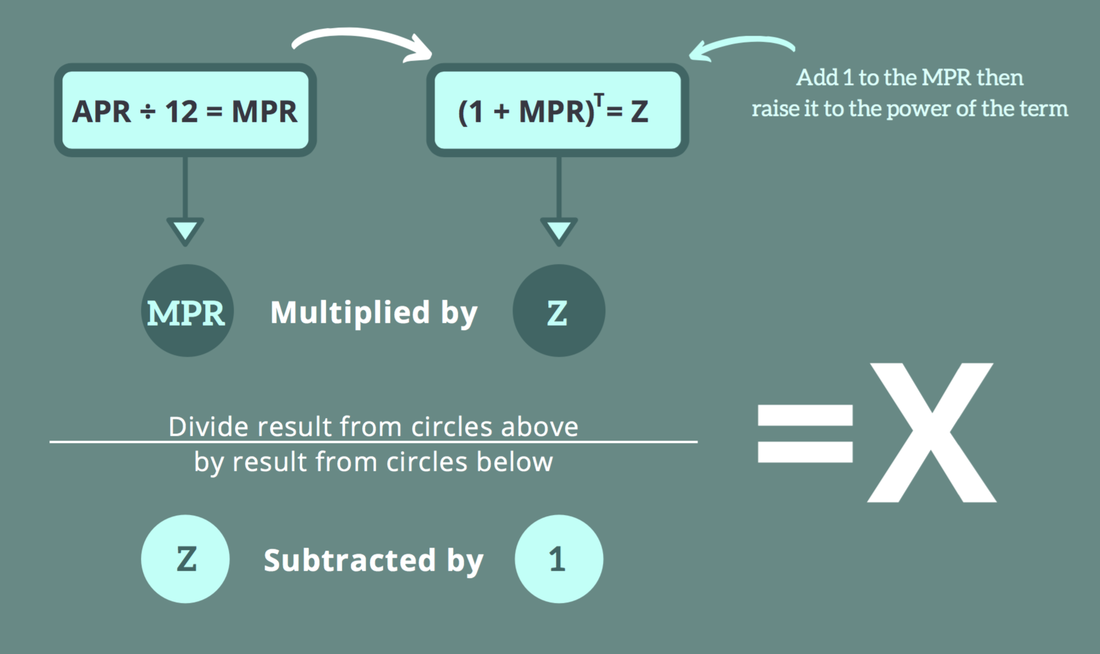
While the exact formula for calculating a loan payment can be complex, involving compounding interest, the core concept is straightforward: the APR is applied to the remaining principal balance over the loan term to determine your monthly payment. Most consumers will use online car loan calculators, which efficiently perform these calculations. You input the loan amount, the APR, and the loan term, and the calculator instantly provides your estimated monthly payment and the total interest paid. For instance, a $30,000 loan over 60 months at a 6% APR will result in a different monthly payment and total cost than the same loan at a 4% APR or a 72-month term. These calculators are invaluable tools for comparing different loan scenarios and understanding the direct impact of APR on your budget.
Amortization: Watching Your Principal Decrease
Car loans are typically amortized loans, meaning each monthly payment you make is split between covering the interest accrued since your last payment and reducing your outstanding principal balance. In the early stages of an amortized loan, a larger portion of your monthly payment goes towards interest, with a smaller portion reducing the principal. As the loan progresses and your principal balance decreases, the interest portion of your payment shrinks, and more of your payment is applied to the principal. This is a critical concept, as it illustrates why early payments have less impact on reducing your overall debt compared to later payments. Understanding the amortization schedule helps you see how your loan balance decreases over time and the total interest you’re paying.
Total Cost of the Loan: APR’s Ultimate Revelation
The true power of understanding APR lies in its ability to reveal the total cost of the loan beyond just the sticker price of the car. To calculate this, you simply multiply your monthly payment by the total number of payments (loan term in months). From this total, subtract the original principal amount borrowed, and the remainder is the total cost of interest and fees (the true cost of borrowing, as defined by the APR).
For example:
- Loan Amount: $30,000
- APR: 6%
- Loan Term: 60 months
- Monthly Payment (approx.): $579.98
- Total Paid: $579.98 x 60 = $34,798.80
- Total Cost of Loan (Interest & Fees): $34,798.80 – $30,000 = $4,798.80
Comparing this total cost across different APRs and loan terms highlights the significant impact of even a seemingly small percentage point difference in APR. A lower APR directly translates to less money flowing out of your pocket over the life of the loan.
Strategies for Securing a Favorable Car Loan APR
Armed with a thorough understanding of APR, you can proactively implement strategies to improve your chances of securing the lowest possible rate for your car loan. This proactive approach can lead to substantial long-term savings.
Boost Your Credit Score
As your credit score is the primary driver of your APR, taking steps to improve it before applying for a loan is paramount.
- Pay Bills On Time: Payment history accounts for 35% of your FICO score. Late payments can severely damage your credit.
- Reduce Existing Debt: Lowering your credit utilization (the amount of credit you’re using versus the amount available to you) can significantly improve your score. Aim for below 30%.
- Check Your Credit Report for Errors: Regularly review your credit reports from all three major bureaus (Equifax, Experian, TransUnion) for inaccuracies and dispute any errors immediately.
- Avoid New Credit Applications: Limit applying for new credit cards or loans in the months leading up to your car loan application, as each application can temporarily ding your score.
Shop Around Aggressively for Lenders
Never take the first loan offer you receive, especially from a dealership.
- Get Pre-Approved: Before stepping onto a dealership lot, get pre-approved for a loan from at least three different financial institutions (banks, credit unions, online lenders). This gives you a concrete APR offer to use as leverage.
- Compare APRs, Not Just Monthly Payments: Focus on the quoted APR and the total cost of the loan. A seemingly low monthly payment might be due to a stretched-out loan term with a higher APR, costing you more in the long run.
- Use Dealership Financing as a Competition: Once you have your pre-approvals, you can present them to the dealership’s finance department and see if they can beat or match your best offer. Dealers sometimes have access to special financing rates.
Make a Substantial Down Payment
The more you put down upfront, the less you need to borrow, which reduces the lender’s risk and can lead to a lower APR. A larger down payment also builds equity in your vehicle faster, potentially preventing you from being “upside down” on your loan (owing more than the car is worth). Aim for at least 10-20% of the vehicle’s price, if feasible.
Consider a Shorter Loan Term (If Affordable)
While a longer loan term means lower monthly payments, it almost always results in a higher overall interest paid and often a higher APR. If your budget allows for higher monthly payments, opt for the shortest loan term possible. This strategy significantly reduces the total interest you’ll pay over the life of the loan.
Negotiate All Fees
While some fees are non-negotiable, always question and try to negotiate any origination, documentation, or processing fees. A smaller fee amount reduces the overall cost of the loan, which can implicitly improve your effective APR or simply save you money directly.
Common Pitfalls and How to Avoid Them
Even with a solid understanding of APR, consumers can fall victim to common mistakes that lead to less favorable loan terms. Being aware of these pitfalls can help you navigate the car buying process more shrewdly.
Focusing Only on Monthly Payments
This is perhaps the most common trap. Dealerships often focus conversations on “how much can you afford per month?” rather than the total cost of the loan or the APR. While managing your monthly budget is important, solely focusing on a low monthly payment can lead to:
- Extended Loan Terms: You might agree to a 72- or 84-month loan, significantly increasing the total interest paid and potentially leaving you upside down on your loan for a longer period.
- Higher APRs: Lenders may offer a slightly higher APR on longer terms because of the increased risk.
- Increased Overall Cost: A lower monthly payment over a much longer term almost always means paying significantly more in total.
Always ask for the full loan disclosure, including the total cost of the loan and the APR, and compare these figures across offers.
Ignoring the Fine Print and Hidden Fees
The enthusiasm of buying a new car can make consumers overlook crucial details in the loan agreement.
- Read Everything Carefully: Before signing any document, thoroughly read the entire loan agreement, disclosure statements, and any add-ons.
- Question Every Fee: If you don’t understand a fee or its purpose, ask for clarification. Some fees may be negotiable or even optional.
- Beware of “Packs” and Unnecessary Add-ons: Dealers sometimes bundle services like extended warranties, rustproofing, or paint protection into the loan without clearly explaining them. Evaluate if these add-ons are truly necessary and if they are priced competitively. If financed, they inflate your loan amount and, consequently, your interest payments.
Not Getting Pre-Approved
Skipping the pre-approval step puts you at a distinct disadvantage at the dealership.
- Loss of Negotiation Power: Without a pre-approved offer in hand, you lack a baseline for comparison, making it harder to negotiate for a better rate. You’re essentially accepting whatever the dealer’s finance department offers first.
- Increased Pressure: You might feel pressured to take an unfavorable loan simply to get the car you want, rather than having the confidence to walk away or push for better terms.
- Lack of Clarity: Pre-approval separates the car negotiation from the loan negotiation, allowing you to focus on one aspect at a time.
Impulse Buying
Rushing into a car purchase without adequate research or preparation can be one of the most expensive mistakes.
- Insufficient Research: Failing to research vehicle prices, market values, and your own financial standing can lead to overpaying for the car or accepting a poor loan.
- Emotional Decisions: Car buying can be an emotional experience. Making financial decisions based on emotion rather than logic often results in buyer’s remorse and financial strain.
- No Time for Credit Improvement: Impulse buying leaves no time to improve your credit score, gather down payment funds, or shop around for the best APR.
Take your time, do your homework, and approach car buying with a clear head and a well-researched financial plan.

Conclusion
The Annual Percentage Rate (APR) is far more than just a number on a loan document; it is the definitive metric for understanding the true, all-encompassing cost of borrowing for your car. By meticulously including the interest rate and a host of lender-imposed fees, APR offers a transparent and standardized way to compare loan offers and ultimately determines how much extra you will pay beyond the vehicle’s purchase price. Factors ranging from your personal creditworthiness and the loan term you choose to broader market conditions and even the type of car you buy, all play a significant role in shaping the APR you are offered.
Empowering yourself with this knowledge means moving beyond merely focusing on the monthly payment. It means strategically preparing your finances, rigorously shopping around for the best rates from multiple lenders, and carefully scrutinizing every line of the loan agreement. Avoiding common pitfalls like impulse buying or ignoring the fine print can save you thousands of dollars and prevent long-term financial stress.
In a transaction as substantial as purchasing a car, financial literacy is your most powerful tool. Understanding how APR works on car loans isn’t just about getting a good deal; it’s about making a financially sound decision that supports your overall financial well-being for years to come. Approach your next car loan with confidence, armed with the insight to secure the most favorable terms possible.
aViewFromTheCave is a participant in the Amazon Services LLC Associates Program, an affiliate advertising program designed to provide a means for sites to earn advertising fees by advertising and linking to Amazon.com. Amazon, the Amazon logo, AmazonSupply, and the AmazonSupply logo are trademarks of Amazon.com, Inc. or its affiliates. As an Amazon Associate we earn affiliate commissions from qualifying purchases.