
The question of when Bitcoin first became “available to buy” is more nuanced than a simple calendar date. It requires an understanding of its genesis as a digital asset, its slow emergence into informal markets, and its eventual maturation into a globally traded financial instrument. While Bitcoin’s underlying technology was launched in early 2009, its availability for purchase with conventional fiat currency evolved gradually, mirroring its journey from a cryptographic experiment to a significant player in the global financial landscape.
The Genesis of Digital Value: Birth Without a Market
Bitcoin officially came into existence on January 3, 2009, with the mining of its genesis block by its pseudonymous creator, Satoshi Nakamoto. This act established the first 50 bitcoins and initiated the blockchain network. From this moment, Bitcoin was a verifiable, transferable digital asset, defined by the whitepaper Satoshi published in October 2008. However, its existence did not immediately equate to market availability for purchase.
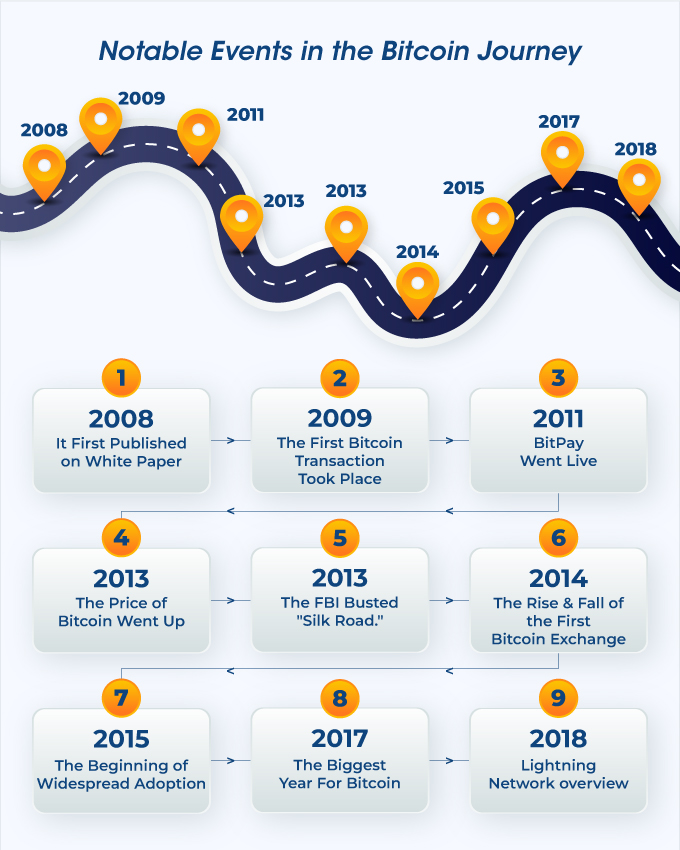
In these earliest days, the only way to “acquire” Bitcoin was through mining. Participants would use their computers to solve complex cryptographic puzzles, and in return, they would be rewarded with newly minted bitcoins. There was no exchange rate, no formal market, and no mechanism to convert traditional currencies like USD, EUR, or GBP into Bitcoin. Its value was purely theoretical, tied to the computational effort expended to secure the network, and to the inherent novelty of a decentralized digital currency.
Early transfers of Bitcoin between individuals, such as the famous transaction between Satoshi Nakamoto and programmer Hal Finney just days after the genesis block, demonstrated its functionality as a medium of exchange. Yet, these were transfers between developers and enthusiasts who were gifted or mined the coins; they were not “purchases” in the financial sense of exchanging fiat for digital assets. The crucial element missing was a pricing mechanism against established currencies and an infrastructure to facilitate such exchanges.
The Emergence of Informal Markets: The First Price Discovery
The concept of “buying” Bitcoin began to take shape not through centralized exchanges, but through informal, peer-to-peer (P2P) arrangements. These early interactions were driven by the growing curiosity and speculative interest in this nascent digital asset.
Peer-to-Peer Transactions and Forums
The very first instances of individuals directly exchanging fiat currency for Bitcoin appeared on online forums, most notably BitcoinTalk.org, which launched in November 2009. Enthusiastic early adopters would post offers to buy or sell their bitcoins, specifying a quantity and a desired price in traditional currencies like US dollars. Transactions were typically conducted via PayPal or direct bank transfers, relying heavily on mutual trust between strangers.
These early P2P markets were characterized by extreme illiquidity, high financial risk due to the lack of escrow services or regulatory oversight, and wildly fluctuating “prices” based on individual negotiations. Buyers faced the risk of sending money and not receiving Bitcoin, while sellers risked chargebacks. Despite these challenges, these forums represent the primordial soup from which Bitcoin’s market value first began to coalesce.
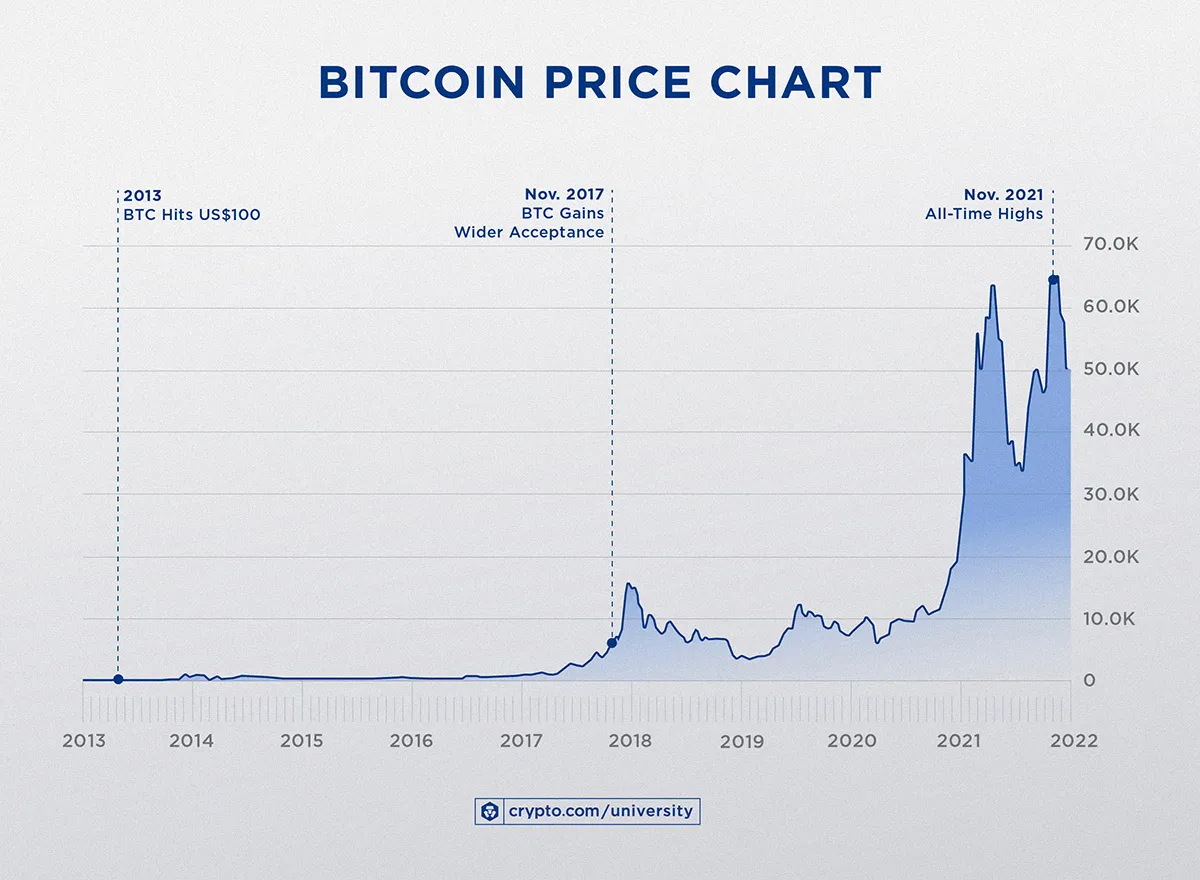
A pivotal, albeit informal, financial milestone occurred in October 2009 when Martti Malmi (known as “Sirius”), a Finnish developer and early Bitcoin contributor, sold 5,050 BTC for $5.02 via PayPal to a New York-based student. This transaction established Bitcoin’s first recorded valuation against the US dollar at approximately $0.00099 per BTC. This wasn’t a market price set by an exchange, but it was the first tangible instance of Bitcoin being “bought” with fiat, creating a rudimentary financial benchmark.
The Bitcoin Pizza Transaction: A Value Revelation
Perhaps the most famous early transaction, and one that highlighted Bitcoin’s emerging real-world value, was the “Bitcoin Pizza” event on May 22, 2010. Laszlo Hanyecz, a programmer living in Florida, offered 10,000 BTC to anyone who would order him two pizzas. Another BitcoinTalk forum user, Jeremy Sturdivant (aka “jercos”), accepted the offer, paying $25 for the pizzas and receiving the 10,000 BTC.
While seemingly a trivial event, this transaction was profoundly significant from a financial perspective. It marked the first time Bitcoin was used to purchase a physical good in the real world, establishing its utility as a medium of exchange beyond mere speculation among developers. The implied value of Bitcoin in this exchange was approximately $0.0025 per coin, a significant leap from Malmi’s earlier transaction. This event served as a powerful, albeit anecdotal, demonstration of Bitcoin’s potential to transcend its digital origins and hold tangible economic value, paving the way for more formal financial infrastructure.
The Advent of Centralized Exchanges: Formalizing the Market
The limitations of P2P trading – lack of trust, high friction, and poor liquidity – quickly spurred the need for more structured platforms. This led to the creation of the first centralized Bitcoin exchanges, which began to truly make Bitcoin “available to buy” in a more scalable and systematic manner.
Mt. Gox and Early Exchange Operations
The first significant centralized exchange was Mt. Gox, which launched in July 2010. Originally conceived as an online exchange for “Magic: The Gathering” trading cards, it was repurposed by Jed McCaleb to facilitate Bitcoin trading. This platform revolutionized the nascent Bitcoin market. Users could now deposit fiat currency (primarily USD via bank wire) into their Mt. Gox accounts and use these funds to buy bitcoins directly from other users through an order book system. This mechanism established a more efficient and transparent price discovery process, moving away from individual negotiations.
Mt. Gox quickly became the dominant Bitcoin exchange, handling the vast majority of all Bitcoin transactions at its peak. Its emergence marked the true beginning of Bitcoin being formally available to buy for fiat currency on a larger, albeit still niche, scale. While it dramatically increased market liquidity and accessibility, it also introduced new financial risks inherent in centralized systems, notably the risk of a single point of failure and vulnerability to hacks and mismanagement, which tragically materialized with its eventual collapse in 2014. Nevertheless, Mt. Gox played an indispensable role in transforming Bitcoin from a P2P curiosity into a globally traded asset.
Expanding Global Access and Competition
Following Mt. Gox’s initial success, the market for Bitcoin exchanges began to expand. Other significant platforms emerged, each contributing to improved accessibility, security, and liquidity for investors. Bitstamp, founded in Slovenia in 2011, offered an alternative, focusing on the European market. Kraken, also founded in 2011, aimed to provide a more secure and reliable trading experience.
A pivotal moment for broader mainstream accessibility arrived with the launch of Coinbase in 2012. Headquartered in the United States, Coinbase aimed to make buying and selling Bitcoin as straightforward as possible for the average user, offering easy integration with bank accounts. These platforms, along with many others that followed, gradually lowered the barriers to entry for potential investors, making Bitcoin available to a wider demographic beyond the tech-savvy early adopters. The competition among exchanges led to better user interfaces, stronger security measures (though still evolving), and more robust financial infrastructure, steadily legitimizing Bitcoin as an investable asset.
Bitcoin’s Maturation as an Investable Asset
From its humble beginnings, Bitcoin has undergone a profound transformation, moving from informal P2P exchanges to a sophisticated global financial asset class with diverse investment pathways.
Regulatory Frameworks and Institutional Interest
As Bitcoin’s market capitalization swelled and its financial impact became undeniable, governments and financial regulators worldwide began to take serious notice. Initial regulatory efforts often focused on Anti-Money Laundering (AML) and Know Your Customer (KYC) compliance for exchanges, attempting to integrate Bitcoin exchanges within existing financial oversight structures. This regulatory scrutiny, while sometimes perceived as a hindrance by early maximalists, was crucial for attracting traditional financial institutions and making Bitcoin a more credible asset for mainstream investors.
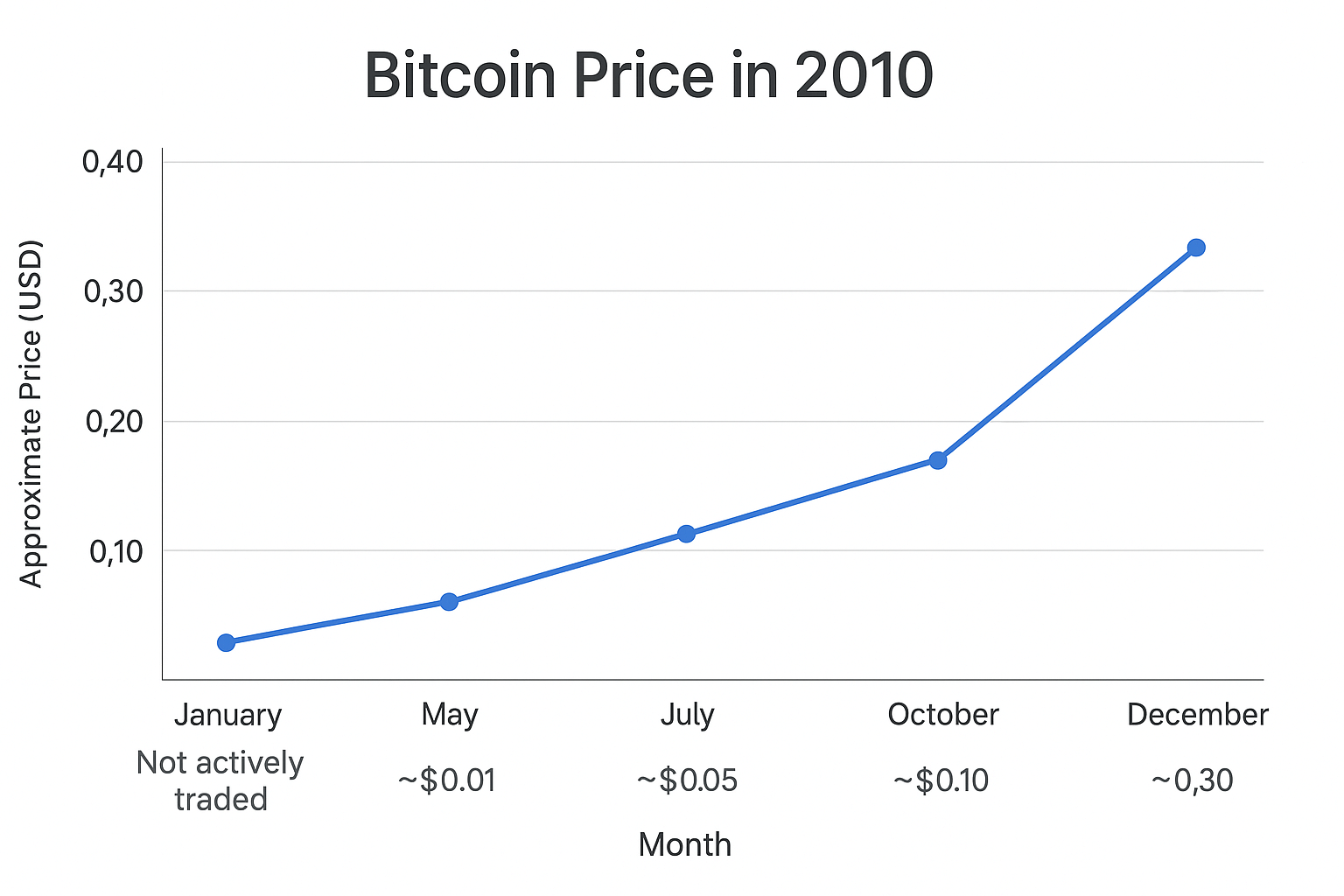
A significant step towards institutional acceptance occurred in December 2017 with the launch of Bitcoin futures contracts by the CME Group (Chicago Mercantile Exchange). This allowed institutional investors to gain indirect exposure to Bitcoin’s price movements without directly holding the cryptocurrency, marking a milestone in its integration into traditional financial markets. Subsequent approvals of Bitcoin ETFs (Exchange-Traded Funds) in various jurisdictions further solidified its status as a recognized, regulated investment product, accessible through standard brokerage accounts.
Diversified Investment Pathways
Today, the avenues for buying Bitcoin are remarkably diverse and user-friendly. Individuals can purchase Bitcoin through major cryptocurrency exchanges, traditional brokerage platforms that now offer crypto assets, mobile payment applications (such as Cash App and PayPal), and even specialized Bitcoin ATMs located globally. This proliferation of access points reflects Bitcoin’s journey from a niche digital commodity to a widely available financial instrument.
Furthermore, the ability to purchase fractions of a Bitcoin, known as satoshis (named after Satoshi Nakamoto), means that investors of all income levels can participate, making Bitcoin truly accessible. The discussion has evolved beyond simply “when was it available to buy” to encompass “how to best invest in it,” including considerations of custody, portfolio diversification, and long-term financial strategy. Bitcoin’s journey from a concept to a global asset, readily available for purchase, underscores a revolutionary shift in personal and business finance, fundamentally altering how we perceive and interact with value in the digital age.
aViewFromTheCave is a participant in the Amazon Services LLC Associates Program, an affiliate advertising program designed to provide a means for sites to earn advertising fees by advertising and linking to Amazon.com. Amazon, the Amazon logo, AmazonSupply, and the AmazonSupply logo are trademarks of Amazon.com, Inc. or its affiliates. As an Amazon Associate we earn affiliate commissions from qualifying purchases.