
The seemingly endless expanse of grasslands, teeming with life, offers a captivating spectacle of adaptation and survival. From the sprawling savannas of Africa to the rolling prairies of North America and the vast steppes of Eurasia, these biomes support an astonishing array of animal species, each uniquely evolved to thrive in their open, herbaceous environments. But what exactly are these animals, and how have they carved out their existence in these dynamic landscapes? While the initial question might seem straightforward, understanding the inhabitants of grasslands unveils a complex web of ecological relationships, the impact of environmental factors, and the surprising ways technology, branding, and even financial principles can intersect with these natural wonders.
The Pillars of Grassland Life: Herbivores and Their Adaptations
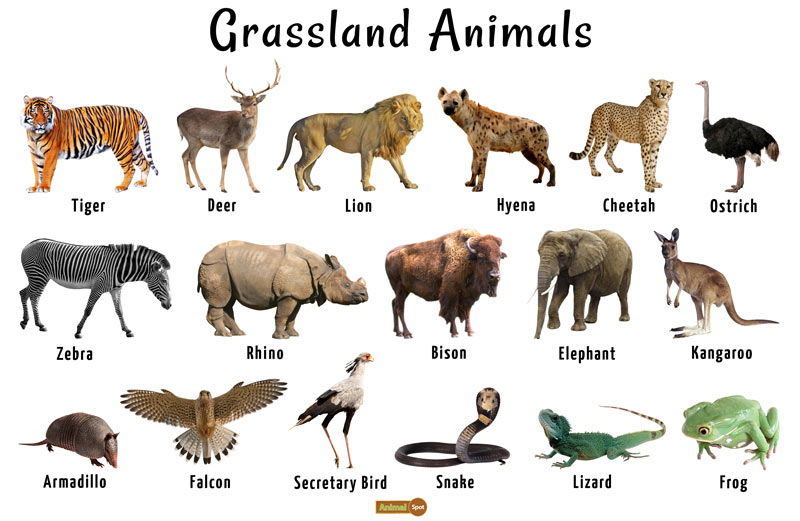
At the heart of any grassland ecosystem lies the herbivore. These plant-eaters form the foundation of the food chain, their grazing patterns directly shaping the vegetation that, in turn, sustains countless other species. The sheer diversity of herbivores in grasslands is a testament to the varied opportunities presented by these environments.
Majestic Grazers and Their Herd Mentality
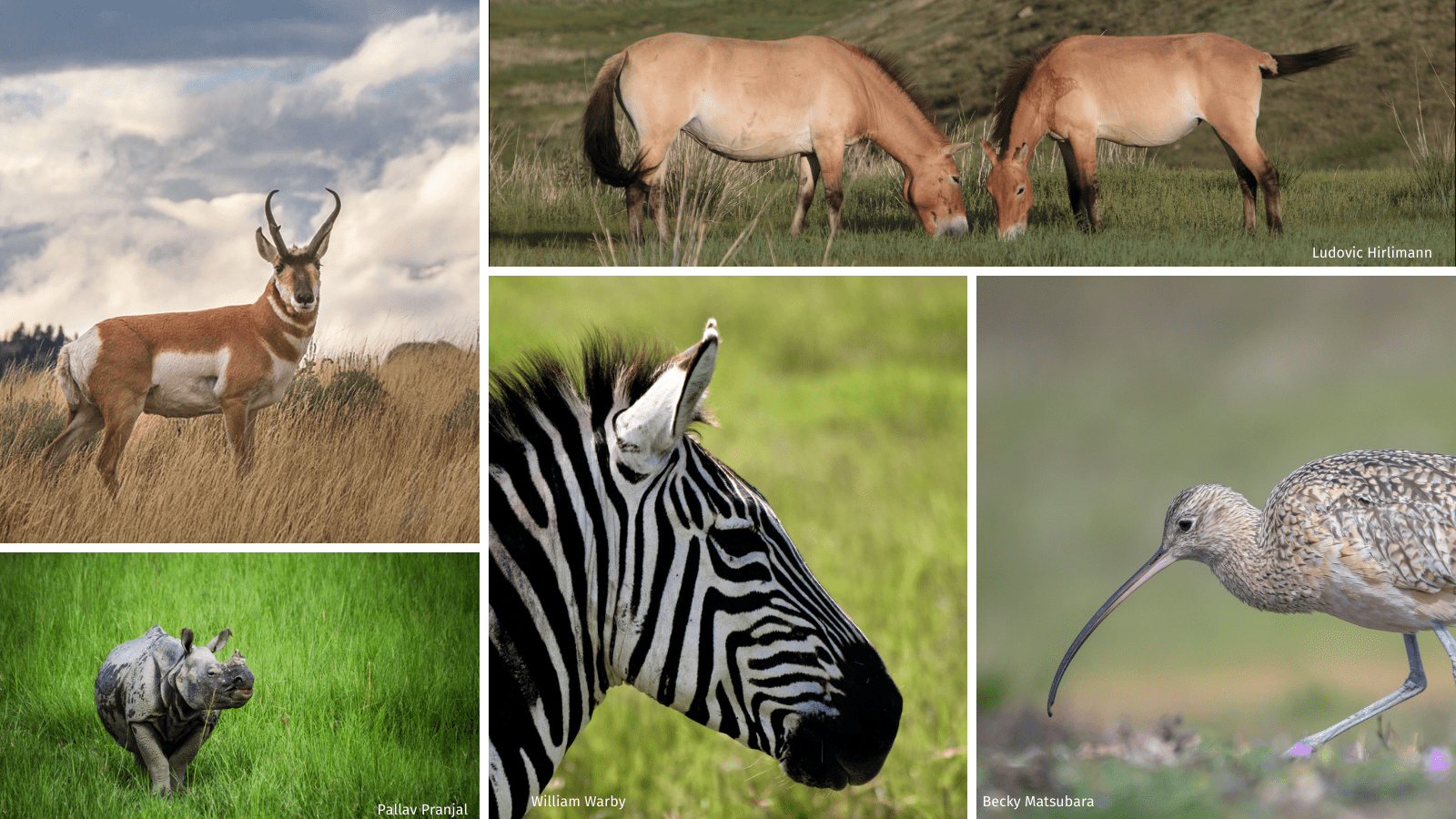
The most iconic grassland animals are undoubtedly the large grazers. Think of the majestic African elephants, their immense size and powerful trunks capable of uprooting acacia trees, their browsing habits influencing the very structure of the savanna. Then there are the wildebeest, their annual migration a breathtaking display of instinct and survival, following the rains in search of fresh pastures. Similarly, the zebras with their distinctive stripes, graze alongside wildebeest, their different grazing heights and dietary preferences reducing competition.
In North America, the American bison once roamed in unfathomable numbers, their grazing shaping the vast prairies. Though their populations were decimated, conservation efforts have seen a resurgence, reminding us of their historical significance. The pronghorn, often mistakenly called an antelope, is the fastest land mammal in North America and a quintessential prairie inhabitant, adapted for speed to evade predators in the open terrain.
Smaller, Agile Herbivores: Masters of Nimbleness
Beyond the giants, a multitude of smaller herbivores demonstrate remarkable agility and specialized diets. Rabbits and hares are ubiquitous, their rapid reproduction and keen senses allowing them to quickly escape danger. Their burrowing behaviors can also aerate the soil, contributing to grassland health. Rodents like prairie dogs and ground squirrels are industrious engineers, creating complex underground tunnel systems that provide shelter not only for themselves but also for other species. Their constant vigilance and alarm calls are crucial for the survival of many in the ecosystem.
Gazelles and antelopes in African and Asian grasslands are renowned for their speed and graceful leaps. Species like the Thomson’s gazelle are adapted to survive on scarce water, deriving most of their hydration from the plants they consume. Their ability to quickly digest tough grasses allows them to extract maximum nutrients.
The Shadowy Pursuers: Predators and Their Hunting Strategies
No ecosystem is complete without its predators, and grasslands are no exception. These carnivores play a vital role in regulating herbivore populations, preventing overgrazing and maintaining a healthy balance within the ecosystem. Their adaptations for hunting in open environments are as diverse as those of their prey.
Apex Predators: Masters of Power and Strategy
The iconic African lion reigns supreme on many savannas, their cooperative hunting strategies within prides allowing them to take down large prey like zebras and wildebeest. Their camouflage, a tawny coat that blends with dry grasses, is essential for stealthy approaches.
In the North American prairies, the coyote is a highly adaptable predator, preying on smaller mammals like rabbits and rodents, but also scavenging and opportunistic in its diet. Its keen sense of smell and hearing make it an efficient hunter in the wide-open spaces. The gray wolf, once a dominant predator on the North American plains, is slowly making a comeback in some areas, its pack hunting tactics a marvel of coordination.
Specialized Hunters: Efficiency in Every Niche
The cheetah, the fastest land animal, is a master of the sprint, using its incredible speed to chase down gazelles in the open plains. Its lightweight build and flexible spine are perfectly adapted for explosive acceleration.
Smaller predators also thrive. The African wild dog, with its unique coat patterns, hunts in coordinated packs, its stamina and relentless pursuit often wearing down prey. Birds of prey, such as eagles and hawks, are formidable hunters from above, their keen eyesight allowing them to spot small mammals scurrying across the grasslands from great distances. The barn owl is a nocturnal hunter, its silent flight and exceptional hearing making it a deadly predator of mice and voles.
The Unsung Heroes: Insects, Birds, and Other Essential Inhabitants
The grassland ecosystem is far from solely populated by large mammals. A multitude of smaller creatures, often overlooked, play crucial roles in maintaining the health and functionality of these environments.
The Buzzing Workforce: Insects and Their Ecological Impact
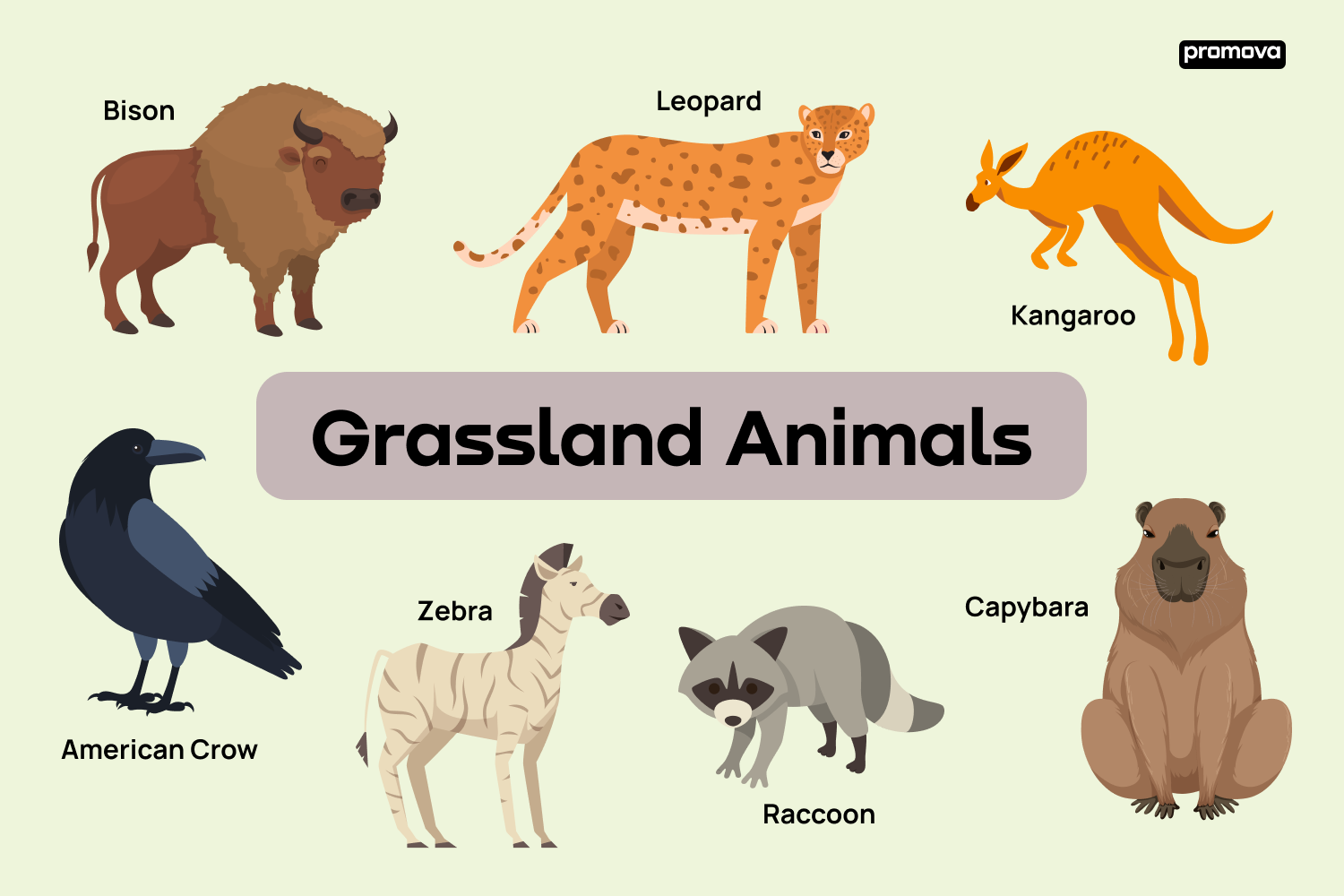
Insects are the true architects of many ecological processes in grasslands. Bees and butterflies are vital pollinators, ensuring the reproduction of countless flowering plants, which in turn provide food and habitat for other animals. Grasshoppers and beetles are decomposers, breaking down dead plant matter and returning nutrients to the soil. Termites and ants create intricate underground societies, their activities aerating the soil and influencing its structure.
The dung beetle is a prime example of an unsung hero. By diligently rolling and burying animal dung, they prevent the spread of parasites and disease, improve soil fertility, and reduce the visual impact of waste, making grasslands a more pleasant and healthy environment for all.
Avian Wonders: Wings Over the Open Plains
Grasslands are a haven for a diverse range of bird species, each adapted to exploit the resources available. Ground-nesting birds, like the quail and meadowlark, rely on the dense grasses for camouflage and protection. Their chicks are precocial, able to walk and feed shortly after hatching, a crucial adaptation in environments with fewer hiding places.
Raptors, as mentioned, dominate the skies, but numerous songbirds also inhabit grasslands, foraging for insects and seeds. The horned lark, with its distinctive “horns,” is a common sight, its territorial songs filling the air. Vultures, like the ** Lappet-faced Vulture**, play an essential role as scavengers, cleaning up carcasses and preventing the spread of disease.
Reptiles and Amphibians: Adapting to Aridity and Occasional Moisture
While often associated with more humid environments, grasslands can support a surprising variety of reptiles and amphibians. Snakes, such as the prairie rattlesnake, are important predators of rodents, helping to keep their populations in check. Their ability to regulate their body temperature through basking in the sun is crucial in these open, often hot environments.
Lizards, like the plains fence lizard, are also common, feeding on insects. Toads and frogs, while needing access to water for breeding, can often be found in grasslands, especially near ephemeral ponds or during wetter seasons, where they contribute to the insect control.
Grasslands in the Digital Age: Technology, Branding, and the Future of Conservation
The question of “what are the animals in the grasslands” extends beyond mere identification. In our interconnected world, understanding these ecosystems and ensuring their survival often involves modern tools and strategies.
Leveraging Technology for Wildlife Monitoring and Conservation
The realm of Tech is revolutionizing how we study and protect grassland animals. AI-powered camera traps can now identify species, count individuals, and even detect unusual behavior, providing invaluable data for conservation efforts. Drones equipped with thermal imaging can track animal movements and monitor habitat health, especially in vast and remote areas. Satellite imagery and GPS tracking devices allow scientists to monitor migration patterns, understand habitat use, and identify threats like poaching or habitat degradation.
The development of apps for citizen science empowers the public to contribute to data collection. By simply identifying and reporting sightings of grassland animals, individuals can help build comprehensive datasets that inform conservation strategies. Digital security is also becoming increasingly important, not only for protecting sensitive research data but also for combating illegal wildlife trade online.
The Power of Branding in Conservation Narratives
Brand strategy plays a surprisingly significant role in the success of conservation initiatives. Protecting grassland animals often requires public support, and effective branding can help create emotional connections and inspire action. Personal branding for conservationists, researchers, and organizations can build trust and amplify their message.
Corporate identity for organizations dedicated to grassland conservation can foster recognition and loyalty. Marketing campaigns that highlight the beauty, ecological importance, and vulnerability of grassland animals can raise awareness and encourage donations. Case studies of successful conservation projects can serve as powerful marketing tools, demonstrating the impact of support. Ultimately, building a strong reputation for ethical and effective conservation work is paramount for attracting resources and fostering long-term change.
The Financial Ecosystem of Conservation: Investing in Biodiversity
The financial aspects of grassland conservation are as critical as the ecological ones. Personal finance principles can be applied by individuals looking to support conservation through mindful spending or investing. Investing in companies with strong environmental, social, and governance (ESG) practices can indirectly contribute to habitat preservation.
Online income streams can be generated through eco-tourism focused on grassland wildlife, ethical souvenir sales, or platforms that facilitate donations to conservation projects. Side hustles in related fields, such as wildlife photography or guided eco-tours, can provide both income and contribute to awareness. Business finance for conservation organizations involves securing grants, managing budgets, and exploring sustainable revenue models. The development and utilization of financial tools that support impact investing and carbon offsetting can also play a role in funding grassland protection.
In conclusion, the question “what are the animals in the grasslands” opens a door to a world of incredible biodiversity and intricate ecological relationships. From the thundering herds of wildebeest to the silent glide of the owl, each creature is a vital thread in the tapestry of these vital ecosystems. And as we navigate the complexities of our modern world, understanding how technology, branding, and financial principles can be harnessed for their protection ensures that these magnificent animals and the grasslands they call home will continue to thrive for generations to come.
aViewFromTheCave is a participant in the Amazon Services LLC Associates Program, an affiliate advertising program designed to provide a means for sites to earn advertising fees by advertising and linking to Amazon.com. Amazon, the Amazon logo, AmazonSupply, and the AmazonSupply logo are trademarks of Amazon.com, Inc. or its affiliates. As an Amazon Associate we earn affiliate commissions from qualifying purchases.