
The word “alcohol” conjures up various images and associations. For many, it immediately brings to mind beverages like beer, wine, or spirits – the intoxicating kind that we consume socially. However, in the realm of chemistry and industry, “alcohol” is a much broader term, encompassing a diverse family of organic compounds with distinct properties and applications. While the common understanding often refers to a specific type, understanding the broader classification reveals a fascinating world of molecules that are fundamental to countless processes, from fuel production to pharmaceuticals.
When we discuss “types of alcohol” in a scientific context, we’re generally referring to variations within the alcohol functional group, which is characterized by a hydroxyl (-OH) group bonded to a saturated carbon atom. The “type” often depends on the number of carbon atoms in the hydrocarbon chain and the position and number of hydroxyl groups. This article will delve into the four primary categories of alcohols, exploring their chemical structures, characteristics, and their surprising relevance across the technological, branding, and financial landscapes.
Understanding the Core: Aliphatic Alcohols
The most commonly encountered and relevant types of alcohol for everyday understanding and industrial use fall under the umbrella of aliphatic alcohols. These are alcohols where the hydroxyl group is attached to a carbon atom within an aliphatic (non-aromatic) hydrocarbon chain. The key differentiator within this broad category, and the basis for our discussion of “four types,” often relates to the number of carbon atoms in the simplest, unbranched series, or sometimes the complexity of their structure.
1. Methanol (CH₃OH): The Simplest Alcohol, A Potent Industrial Workhorse
Methanol, also known as methyl alcohol or wood alcohol, is the simplest alcohol with the chemical formula CH₃OH. It consists of a single carbon atom bonded to a hydroxyl group and three hydrogen atoms.
Chemical Properties and Production: Methanol is a clear, colorless, volatile, and flammable liquid with a distinctive odor. It is highly soluble in water. Industrially, methanol is primarily produced from natural gas through a process involving steam reforming to produce synthesis gas (syngas), followed by catalytic conversion. It can also be derived from coal or biomass, positioning it as a potential biofuel.
Technological Applications: In the tech world, methanol’s significance is multifaceted.
- Fuel and Energy Storage: Methanol is a promising alternative fuel, offering a cleaner burning alternative to gasoline. It’s used in fuel cells, particularly for portable electronics and emerging electric vehicle technologies, providing a more energy-dense storage solution than batteries in some applications. Its high octane rating also makes it suitable as a gasoline additive to boost performance and reduce emissions.
- Chemical Feedstock: Methanol is a crucial building block for a vast array of chemicals. It’s used to produce formaldehyde, which is essential for manufacturing resins, plastics, adhesives, and a wide range of construction materials. It’s also a precursor to acetic acid (used in vinegar, solvents, and plastics), methyl tert-butyl ether (MTBE, a gasoline additive, though its use is declining due to environmental concerns), and various solvents.
- Solvents and Reagents: In laboratory settings and certain industrial processes, methanol serves as a polar solvent for many organic and inorganic compounds. It’s also used as a reagent in numerous chemical syntheses.
Branding and Reputation: While methanol itself isn’t typically a consumer-facing brand, its derivatives play a significant role in brand creation and product integrity.
- Material Innovation: The plastics and resins derived from methanol are the backbone of countless consumer goods. The durability, flexibility, and aesthetic qualities of these materials directly impact a brand’s perceived quality and value. Think of the sleek finish on electronics, the robust construction of appliances, or the appealing packaging of food products – many of these rely on methanol-derived chemicals.
- Sustainability Narratives: As the world moves towards greener solutions, methanol’s role as a potential biofuel and its production from renewable sources can be leveraged in corporate branding. Companies investing in sustainable methanol production or utilizing it in eco-friendly applications can build a strong reputation for environmental responsibility.
Financial Implications: Methanol’s economic impact is substantial, influencing various sectors.
- Commodity Trading: Methanol is a globally traded commodity, with its price fluctuations impacting chemical manufacturers, energy companies, and the downstream industries that rely on it. Its cost is closely tied to natural gas prices.
- Investment Opportunities: The growing demand for alternative fuels and sustainable chemical feedstocks presents investment opportunities in methanol production facilities, fuel cell technology utilizing methanol, and companies developing new applications for this versatile alcohol.
- Cost of Production: For manufacturers, the cost of methanol as a raw material is a significant factor in their profitability. Efficient production processes and secure supply chains are crucial for maintaining competitive pricing.
2. Ethanol (C₂H₅OH): The Familiar, The Fermented, The Fuel
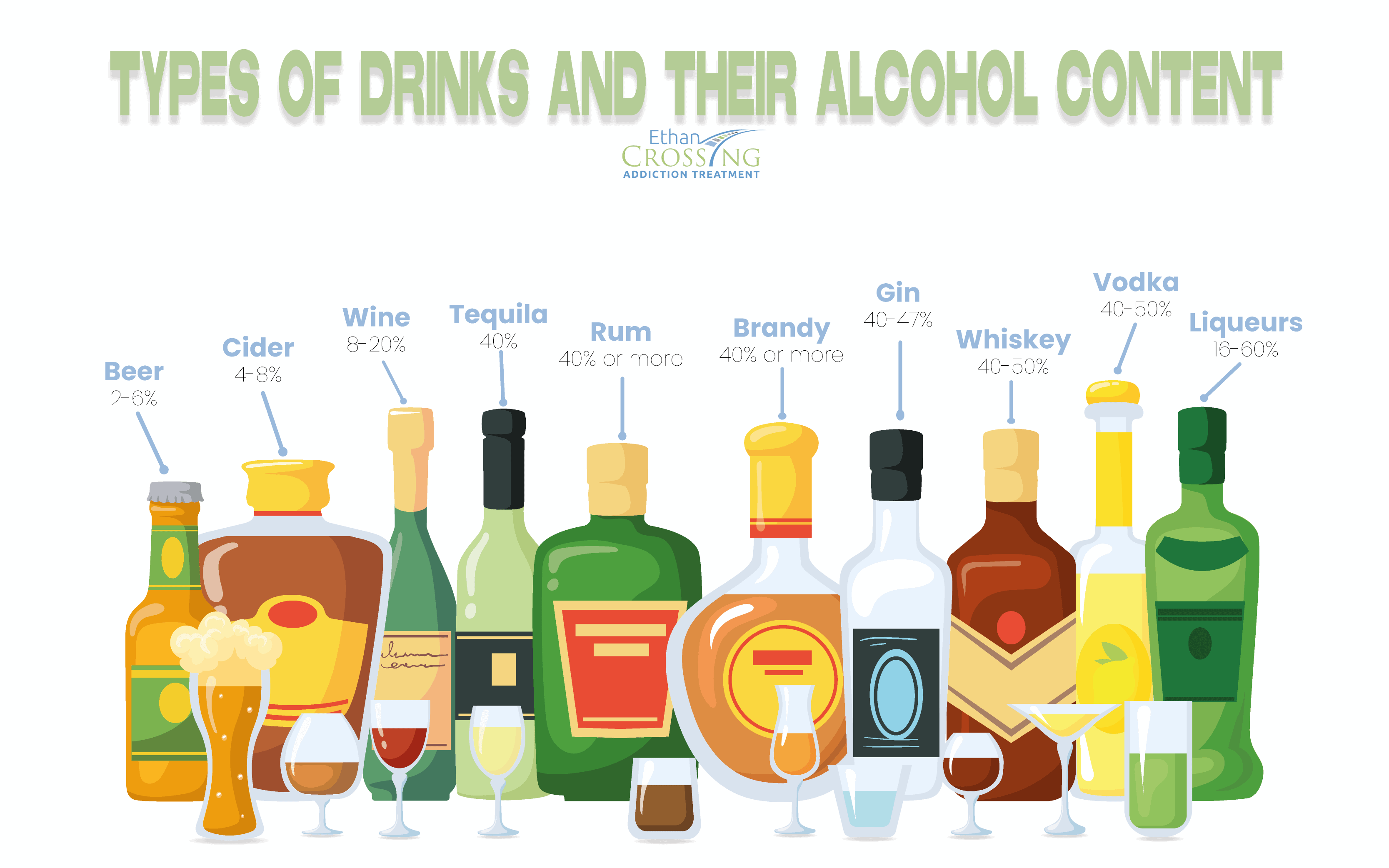
Ethanol, or ethyl alcohol, is perhaps the most widely recognized type of alcohol, primarily due to its presence in alcoholic beverages. It has the chemical formula C₂H₅OH, featuring a two-carbon chain with a hydroxyl group.
Chemical Properties and Production: Ethanol is a clear, colorless, volatile, flammable liquid with a characteristic pungent odor. It is miscible with water in all proportions. Ethanol is produced through two primary methods:
- Fermentation: This biological process involves the conversion of sugars into ethanol and carbon dioxide by yeast. This is how alcoholic beverages are made.
- Hydration of Ethylene: This industrial process involves reacting ethylene with steam in the presence of a catalyst, yielding high-purity ethanol for industrial use.
Technological Applications: Ethanol’s technological footprint extends far beyond its recreational use.
- Biofuels: Ethanol is a major component of biofuels, blended with gasoline to create E10, E15, and even E85 fuels. This reduces reliance on fossil fuels and lowers greenhouse gas emissions. Research continues into optimizing its use in engines and developing advanced biofuels.
- Solvents and Disinfectants: Ethanol is an excellent solvent for a wide range of substances, including oils, waxes, and resins. It’s a common ingredient in cleaning products, sanitizers (hand sanitizers are a prime example), and pharmaceuticals. Its antimicrobial properties make it invaluable in healthcare and hygiene.
- Chemical Intermediate: Ethanol serves as a precursor for producing ethyl acetate (a common solvent and flavoring agent), diethyl ether (an anesthetic and solvent), and other organic chemicals.
- Laboratory Reagent: In scientific research, ethanol is a widely used solvent and reactant.
Branding and Reputation: Ethanol’s dual nature – as a recreational substance and a vital industrial ingredient – shapes its brand perception.
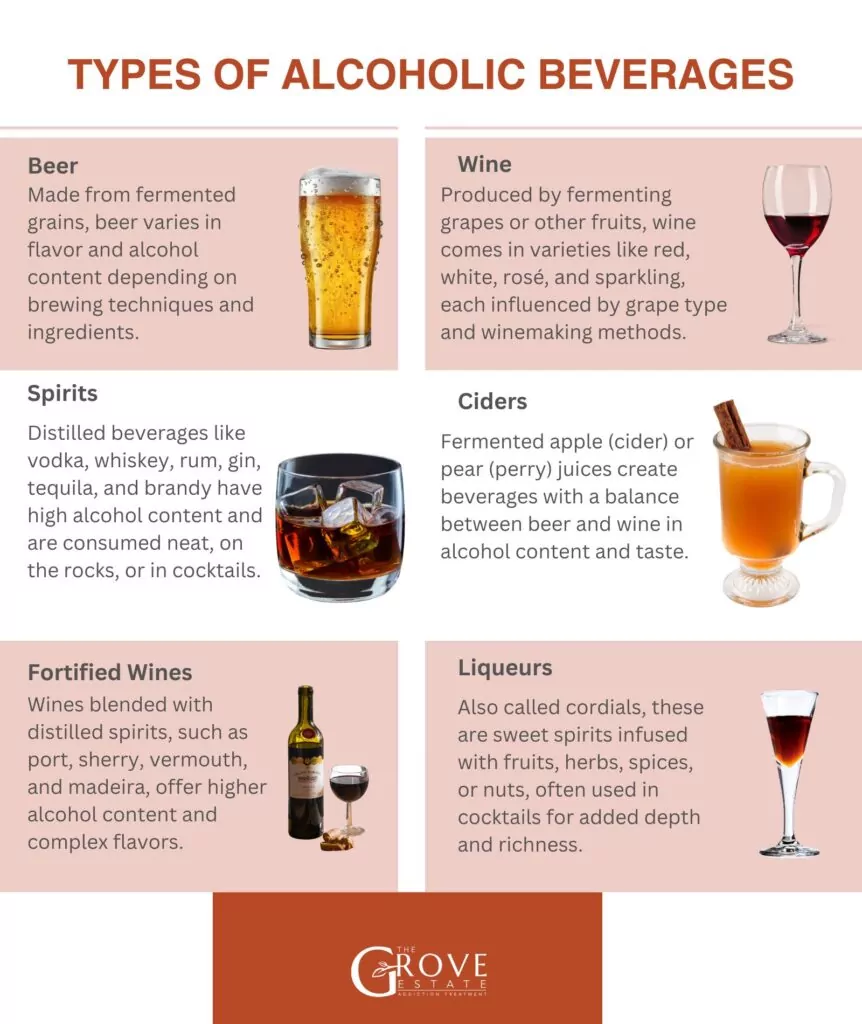
- Beverage Branding: The alcoholic beverage industry is a massive global market built entirely around ethanol. Brands differentiate themselves through the type of spirit (whiskey, vodka, rum), the aging process, flavor profiles, and the lifestyle they associate with their products. Marketing and packaging are crucial for establishing brand identity and consumer loyalty.
- Health and Safety Messaging: For industrial and medicinal ethanol, branding focuses on purity, effectiveness, and safety. Companies producing hand sanitizers, for instance, emphasize their germ-killing power and gentle formulation.
- “Green” Credentials: The use of ethanol as a biofuel allows brands in the automotive and energy sectors to associate themselves with sustainability and environmental responsibility.
Financial Implications: Ethanol is a significant economic driver.
- Agricultural Economy: The production of fuel ethanol often relies on crops like corn and sugarcane, making its market deeply intertwined with agricultural prices and policies.
- Energy Markets: Ethanol prices are influenced by crude oil prices and government mandates for biofuel usage, impacting both consumers and fuel producers.
- Consumer Spending: The alcoholic beverage industry represents a substantial portion of consumer discretionary spending, with significant revenue generated from the sale of ethanol-based drinks.
- Investment in Biofuel Technology: The ongoing development of more efficient and sustainable ethanol production methods presents investment opportunities in agricultural technology and biochemical engineering.
3. Propanol (C₃H₇OH): Isomers and Industrial Uses
Propanol refers to a group of isomers, meaning they have the same chemical formula (C₃H₇OH) but different structural arrangements. The two main isomers are n-propanol (propan-1-ol) and isopropanol (propan-2-ol).
Chemical Properties and Production: Both isomers are clear, colorless, flammable liquids with characteristic odors. They are soluble in water and organic solvents. They are typically produced through the hydration of propene.
Technological Applications: Propanols, particularly isopropanol, find widespread use in technology and industry.
- Isopropanol (Isopropyl Alcohol): This is arguably the more commonly encountered propanol. It’s a ubiquitous disinfectant and solvent.
- Electronics Cleaning: Isopropanol is a staple for cleaning electronic components, circuit boards, and optical lenses. Its ability to evaporate quickly without leaving residue makes it ideal for delicate electronics.
- Medical and Personal Care: It’s used as an antiseptic for skin preparation before injections and as a rubbing alcohol. It’s also a solvent in cosmetics and personal care products.
- Automotive: It’s found in windshield washer fluids and as a de-icer.
- n-Propanol: Less common in direct consumer applications, n-propanol is used as a solvent in paints, lacquers, and inks, and as a chemical intermediate in the production of other chemicals.
Branding and Reputation: Propanol’s branding is often associated with cleanliness, efficacy, and functionality.
- Hygiene and Health Brands: For disinfectants and sanitizers, the brand promise is germ eradication and safety. Products are often marketed with clear labeling indicating their active ingredient, such as “isopropyl alcohol.”
- Electronics Brands: When electronics are marketed with “clean” or “optimized” performance, the underlying cleaning agents (often isopropanol-based) contribute to this perception of quality and reliability.
- Industrial Product Branding: For n-propanol used in coatings or inks, brand messaging would focus on performance, consistency, and material properties.
Financial Implications: The market for propanols is driven by demand in the healthcare, electronics, and manufacturing sectors.
- Supply Chain Stability: Consistent and reliable supply of propanols is crucial for industries that depend on them for essential processes.
- Cost-Effectiveness: The price of propanols impacts the cost of finished goods, from sanitizers to electronics.
- Specialty Chemical Markets: While not as high-volume as methanol or ethanol, propanols occupy important niches in the specialty chemical market, with established pricing structures.
4. Butanol (C₄H₉OH): Versatility in Solvents and Fuels
Like propanol, butanol exists as four different structural isomers: n-butanol, sec-butanol, isobutanol, and tert-butanol. The most industrially significant are n-butanol and isobutanol.
Chemical Properties and Production: Butanols are typically colorless, flammable liquids with characteristic odors. They have a higher boiling point than methanol, ethanol, and propanol. Industrially, they can be produced through petrochemical processes (e.g., from propylene) or through fermentation (biobutanol).
Technological Applications: Butanols are highly valued for their solvent properties and potential as biofuels.
- Solvents: Butanols are excellent solvents for resins, paints, lacquers, coatings, and inks. Their slower evaporation rate compared to ethanol can be advantageous in certain applications, allowing for better flow and leveling.
- Plasticizers: They are used in the production of plasticizers, which are added to plastics to increase their flexibility and durability.
- Chemical Intermediates: Butanols serve as precursors for producing butyl acrylate, butyl acetate, and other important chemicals used in various industries.
- Biofuels: Biobutanol, produced from fermentation of biomass, is gaining traction as a potential biofuel. It has a higher energy density than ethanol and can be blended with gasoline at higher concentrations, even used in existing engines with minimal modification.
Branding and Reputation: Butanol’s branding is associated with performance, durability, and emerging sustainable solutions.
- Coatings and Adhesives Brands: For brands producing paints, lacquers, or adhesives, the quality and performance of their products are directly linked to the solvents used. Butanol’s properties contribute to good finish and longevity, enhancing brand reputation.
- Green Technology Brands: The development and marketing of biobutanol align with brands focused on sustainability, renewable energy, and reducing carbon footprints. Companies investing in this area can build a reputation as innovators.
- Material Science Companies: Brands in the plastics and materials sector that utilize butanol-derived plasticizers emphasize the enhanced properties of their products.
Financial Implications: The butanol market is influenced by both petrochemical and biofuel trends.
- Petrochemical Feedstock Costs: The price of propylene, a key feedstock for petrochemical butanol, directly impacts its market price.
- Biofuel Market Development: The growth of biobutanol as a viable alternative fuel is creating new investment opportunities and influencing market dynamics.
- Industrial Demand: The demand for butanols in the coatings, adhesives, and plastics industries significantly drives its market value.

Beyond the Four: A Broader Perspective on Alcohols
While methanol, ethanol, propanol, and butanol represent the simplest and most industrially significant monohydric alcohols (alcohols with one hydroxyl group), it’s important to note that the world of alcohols is far more extensive. There are polyhydric alcohols (or polyols), which contain more than one hydroxyl group, such as ethylene glycol (used in antifreeze) and glycerol (used in soaps, cosmetics, and as a sweetener).
Furthermore, the concept of alcohols extends to aromatic alcohols, where the hydroxyl group is attached to an aromatic ring (like phenol), which have vastly different properties and applications from aliphatic alcohols.
However, for the purposes of understanding the most common and widely applied types of alcohol that impact technology, branding, and finance, our focus on methanol, ethanol, propanol, and butanol provides a comprehensive overview. These four families of compounds are the silent enablers of numerous industries, shaping the products we use, the brands we trust, and the economic landscape we navigate. Their journey from basic chemical structures to indispensable components of modern life is a testament to the power and versatility of organic chemistry.
aViewFromTheCave is a participant in the Amazon Services LLC Associates Program, an affiliate advertising program designed to provide a means for sites to earn advertising fees by advertising and linking to Amazon.com. Amazon, the Amazon logo, AmazonSupply, and the AmazonSupply logo are trademarks of Amazon.com, Inc. or its affiliates. As an Amazon Associate we earn affiliate commissions from qualifying purchases.