
Accumulating savings is a significant first step towards financial well-being, a testament to discipline and foresight. However, allowing those hard-earned funds to sit idly in a low-interest checking or savings account is akin to owning a powerful engine but never putting it in gear. The real challenge, and opportunity, lies not just in saving, but in strategically deploying those savings to achieve your financial aspirations, protect your future, and generate wealth. This guide will explore a comprehensive roadmap for transforming your savings from inert capital into a dynamic force for financial growth and security, navigating the crucial decisions that will define your financial journey.
Establishing Your Financial Foundation: Beyond the Emergency Fund
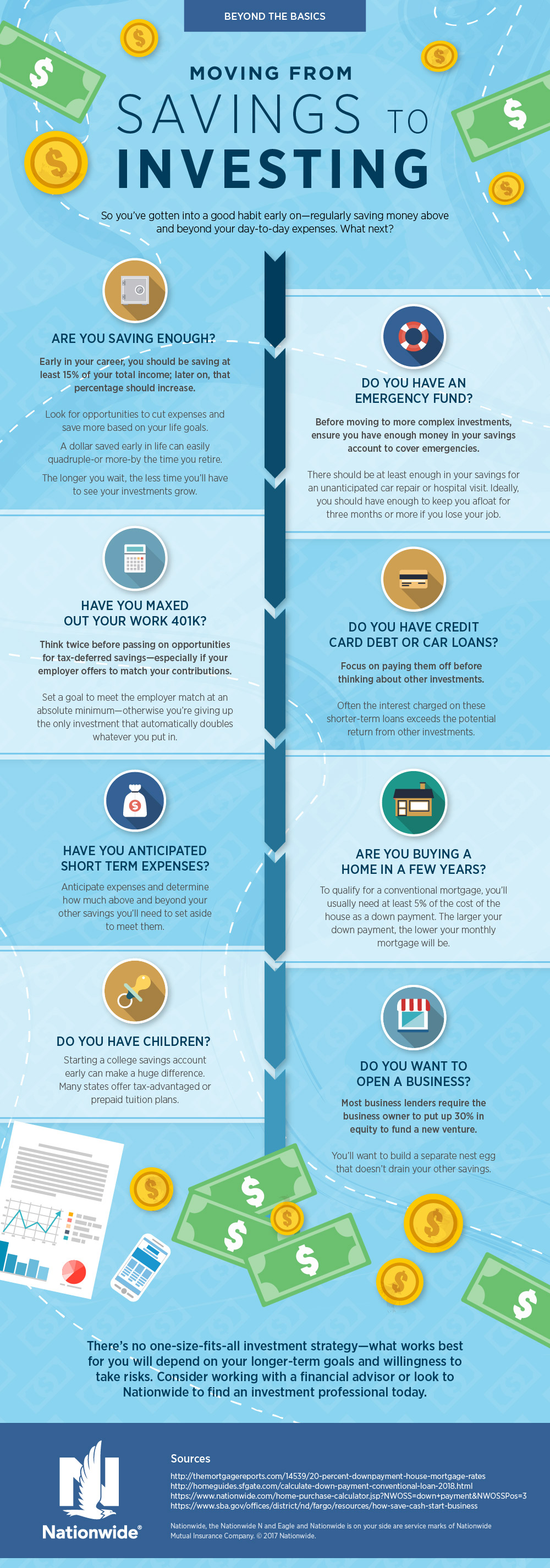
Before embarking on an aggressive investment journey, it’s paramount to build an unshakeable financial bedrock. This involves not only securing yourself against unforeseen circumstances but also addressing any existing financial liabilities that could impede future growth.
The Indispensable Emergency Fund
The cornerstone of any sound financial plan is a robust emergency fund. This isn’t just a convenience; it’s a critical buffer designed to protect you from life’s inevitable curveballs – job loss, medical emergencies, unexpected home repairs, or car breakdowns – without derailing your long-term financial goals.
What it is: A readily accessible pool of money specifically earmarked for emergencies. It should be kept separate from your daily spending accounts.
How much: Financial experts generally recommend having enough to cover 3 to 6 months’ worth of essential living expenses. For those with less stable incomes, higher deductibles on insurance, or dependents, 6 to 12 months might be more appropriate.
Where to keep it: The primary goal is liquidity and safety, not high returns. High-yield savings accounts, money market accounts, or short-term Certificates of Deposit (CDs) are ideal. These offer better interest rates than traditional checking accounts while keeping your funds accessible. Avoid investing your emergency fund in volatile assets like stocks, as you might need to access it during a market downturn, forcing you to sell at a loss.
Debt Reduction: High-Interest First
Once your emergency fund is sufficiently padded, the next critical step is to tackle high-interest debt. Carrying balances on credit cards, personal loans, or even some student loans can be an enormous drag on your financial progress. The interest rates on these debts often far outpace any returns you could realistically expect from conservative investments, making debt reduction a financially savvy move with a guaranteed return.
Prioritize High-Interest Debt: Focus on debts with the highest annual percentage rates (APRs) first. Credit card debt, with its notoriously high interest rates (often 15-25% or more), should typically be the first target. Paying off a credit card balance with a 20% APR is equivalent to earning a guaranteed 20% return on your money – a return rarely matched by most investments.
Debt Payoff Strategies:
- Debt Avalanche Method: Pay the minimum on all debts except the one with the highest interest rate. Throw all extra savings at that highest-interest debt until it’s paid off, then move to the next highest. This method saves you the most money on interest.
- Debt Snowball Method: Pay the minimum on all debts except the smallest balance. Once that’s paid off, roll the payment you were making on it into the next smallest debt. This method provides psychological wins that can keep you motivated.
The choice depends on whether you prioritize mathematical efficiency or psychological momentum. The key is to commit to a plan and stick with it.
Setting Clear Financial Goals
With your financial foundation secured, it’s time to define where you want your savings to take you. Vague intentions lead to vague results. Clear, specific financial goals are essential for directing your savings effectively and maintaining motivation.
SMART Goals: Ensure your goals are:
- Specific: What exactly do you want to achieve? (e.g., “Save $20,000 for a down payment” instead of “Save for a house”).
- Measurable: How will you track progress? (e.g., “$500 per month” instead of “Save more”).
- Achievable: Is it realistic given your income and expenses?
- Relevant: Does it align with your broader life plans and values?
- Time-bound: When do you want to achieve it by? (e.g., “by December 2028”).
Categorize Your Goals:
- Short-Term Goals (1-3 years): Vacation, new car, emergency fund top-up, large appliance purchase.
- Mid-Term Goals (3-10 years): Down payment on a home, child’s education fund, significant home renovation.
- Long-Term Goals (10+ years): Retirement, significant wealth accumulation, leaving a legacy.
Each goal will dictate a different savings and investment strategy. Short-term goals typically require more conservative, liquid options, while long-term goals can withstand higher risk for greater growth potential.
Strategic Allocation: Investing for Growth
Once your foundation is solid and your goals are clear, the next phase involves strategically allocating your savings into investments designed to make your money work harder for you. This is where compounding interest truly begins to manifest its power.
Understanding Risk Tolerance and Time Horizon
Before diving into specific investments, it’s crucial to assess your personal comfort level with risk and the timeframe you have for your investments.
- Risk Tolerance: This is your psychological willingness and financial ability to take on investment risk. Are you comfortable with the possibility of your investment losing value in the short term for the potential of higher returns over the long term, or do you prefer stability, even if it means lower gains? Your personality, age, income stability, and existing assets all play a role.
- Time Horizon: This refers to the length of time you plan to hold an investment. Longer time horizons generally allow for greater risk-taking, as there’s more time to recover from market downturns. Short-term goals, by contrast, demand lower-risk investments to avoid potential losses just when you need the funds.
These two factors are intertwined and profoundly influence your optimal asset allocation. A young investor saving for retirement (long time horizon) might have a high-risk tolerance, favoring a portfolio heavily weighted in stocks. An older investor nearing retirement (short time horizon) might have a lower risk tolerance, preferring a more conservative mix of bonds and stable income-generating assets.
Diversification: Spreading Your Bets
The adage “don’t put all your eggs in one basket” is nowhere more relevant than in investing. Diversification is the strategy of spreading your investments across various asset classes, industries, and geographies to minimize risk. If one investment or sector performs poorly, others may perform well, mitigating the overall impact on your portfolio.
Asset Classes:
- Equities (Stocks): Offer potential for high growth but come with higher volatility.
- Fixed Income (Bonds): Generally provide lower returns but offer more stability and income.
- Real Estate: Can provide both income (rentals) and capital appreciation, often serving as a hedge against inflation.
- Alternatives: Commodities, cryptocurrencies, private equity – these can offer diversification but often come with higher risk and complexity.
A well-diversified portfolio balances these different assets according to your risk tolerance and time horizon.
Exploring Common Investment Vehicles
The investment landscape offers a plethora of options. Understanding the most common vehicles can help you make informed choices.
Retirement Accounts (401k, IRA)
These are arguably the most powerful wealth-building tools due to their significant tax advantages.
- 401(k) / 403(b): Employer-sponsored plans allowing pre-tax contributions (reducing your taxable income now) that grow tax-deferred until retirement. Many employers offer a matching contribution, which is essentially free money – always contribute at least enough to get the full match.
- Traditional IRA: Individual Retirement Arrangement allowing pre-tax contributions that grow tax-deferred. Contributions may be tax-deductible depending on income and other retirement plans.
- Roth IRA / Roth 401(k): Contributions are made with after-tax dollars, but qualified withdrawals in retirement are entirely tax-free. This is particularly attractive if you anticipate being in a higher tax bracket in retirement.
Taxable Brokerage Accounts
These accounts offer flexibility as there are no restrictions on when you can withdraw funds. However, investments held here are subject to capital gains taxes and taxes on dividends/interest in the year they are earned or realized. They are ideal for saving for mid-term goals or for investing beyond the limits of your retirement accounts.
Real Estate
Beyond your primary residence, real estate can be an investment.
- Rental Properties: Direct ownership can provide passive income and potential appreciation, but also entails landlord responsibilities and significant capital.
- Real Estate Investment Trusts (REITs): Allow you to invest in a portfolio of income-generating real estate without direct ownership. They trade like stocks on major exchanges, offering liquidity and diversification.
Mutual Funds and Exchange-Traded Funds (ETFs)
These are popular choices for diversification and professional management.
- Mutual Funds: Managed by professionals who invest in a diversified portfolio of stocks, bonds, or other securities. They can be actively managed (higher fees) or passively managed (index funds, lower fees).
- ETFs: Similar to mutual funds but trade like individual stocks on an exchange. They often track specific indexes, sectors, or commodities, offering lower expense ratios and greater trading flexibility than many mutual funds.

Bonds and Fixed Income
Bonds represent loans made to governments or corporations, paying interest over a specified period. They are generally considered less risky than stocks and provide a stable income stream, making them suitable for conservative investors or those nearing retirement who prioritize capital preservation.
The Power of Compounding and Regular Contributions
Regardless of the investment vehicles chosen, two principles dramatically accelerate wealth accumulation:
- Compounding Interest: This is the process where the interest earned on an investment also earns interest. Over long periods, even modest returns can snowball into substantial wealth. The earlier you start, the more time compounding has to work its magic.
- Regular Contributions (Dollar-Cost Averaging): Consistently investing a fixed amount of money at regular intervals (e.g., monthly), regardless of market fluctuations. This strategy, known as dollar-cost averaging, averages out your purchase price over time, reducing the risk of investing a large sum at an unfavorable market peak. It also instills discipline and automates your investing habit.
Optimizing Your Financial Health: Beyond Traditional Investments
While traditional investments form the backbone of wealth building, a holistic approach to your financial health extends beyond just stocks and bonds. Strategic use of your savings can also involve investing in yourself, generating additional income, and safeguarding your assets.
Investing in Yourself: Education and Skills
One of the most potent investments you can make is in your own human capital. Using savings to further your education, acquire new skills, or obtain certifications can directly lead to higher earning potential, career advancement, and greater job security. This form of investment often yields one of the highest returns.
- Higher Education: Degrees or advanced certifications can open doors to higher-paying careers.
- Skills Training: Coding bootcamps, specialized trade skills, data analytics courses – these can directly increase your market value.
- Personal Development: Courses in public speaking, leadership, or negotiation can enhance your professional effectiveness.
Consider the long-term ROI. A relatively small investment in a specialized course now could lead to a significant increase in your annual salary for decades to come.
Entrepreneurship and Side Hustles
For those with an entrepreneurial spirit, savings can be a launchpad for new ventures. Whether it’s funding a small business idea or providing seed capital for a side hustle, deploying savings here involves a higher risk but also offers the potential for substantial rewards and greater financial autonomy.
- Starting a Business: This could be a significant investment requiring a detailed business plan, market research, and careful risk assessment.
- Funding a Side Hustle: Even smaller amounts can be used to purchase equipment, develop a website, or invest in marketing for a part-time venture (e.g., freelance writing, e-commerce store, consulting).
The key here is to balance enthusiasm with pragmatism, understanding the risks involved and starting small where possible.
Smart Spending and Budgeting
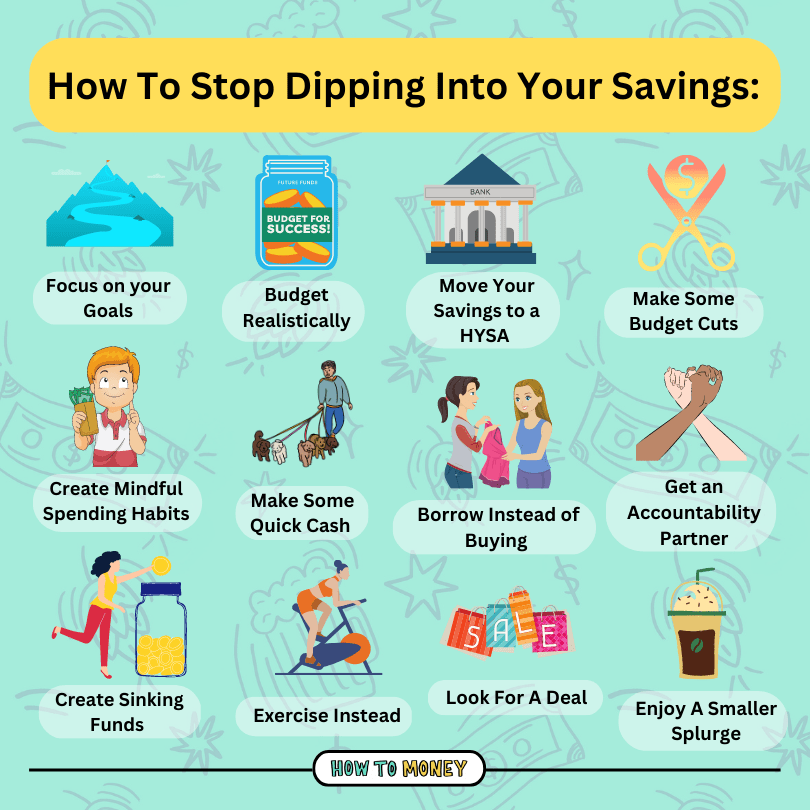
It might seem counterintuitive to discuss spending when talking about savings, but how you manage your outflow directly impacts your ability to save and invest. A well-crafted budget and mindful spending habits are not just about deprivation; they are about aligning your spending with your values and financial goals.
- Track Your Spending: Understand where your money is actually going.
- Create a Budget: Allocate specific amounts to different categories (housing, food, entertainment, savings).
- Automate Savings: Set up automatic transfers from your checking to your savings and investment accounts on payday, so you “pay yourself first.”
- Mindful Consumption: Distinguish between needs and wants. Challenge impulse purchases.
Optimizing your spending habits frees up more capital to direct towards your investment goals, amplifying the impact of your existing savings.
Estate Planning and Insurance
Protecting your accumulated wealth and ensuring its smooth transition is a crucial, often overlooked, aspect of financial health.
- Insurance: Adequate health, life, disability, and property insurance protects your assets from catastrophic events that could otherwise wipe out your savings.
- Wills and Trusts: These legal documents ensure your assets are distributed according to your wishes, minimizing disputes and potential taxes.
- Beneficiary Designations: Ensure your retirement accounts and insurance policies have up-to-date beneficiary designations.
While these might not directly generate returns, they safeguard your financial future and provide peace of mind, making them an indispensable “investment” in your overall financial security.
Navigating Market Fluctuations and Staying Informed
The world of finance is dynamic, influenced by economic cycles, geopolitical events, and technological advancements. A successful long-term investor understands that market volatility is normal and requires a steady hand and a commitment to continuous learning.
The Importance of Patience and Discipline
One of the greatest dangers to an investment portfolio is emotional decision-making. Market downturns can induce panic, leading investors to sell at the bottom, locking in losses. Bull markets can breed overconfidence, leading to excessive risk-taking.
- Stick to Your Plan: Develop an investment strategy based on your goals and risk tolerance, and adhere to it through thick and thin.
- Avoid Market Timing: Trying to predict market peaks and troughs is notoriously difficult, even for professionals. A consistent, long-term approach (like dollar-cost averaging) is generally more effective.
- Rebalance Periodically: As your investments grow, your asset allocation may drift from your target. Periodically (e.g., once a year) rebalancing your portfolio back to your desired percentages helps manage risk and keeps your strategy aligned.
Continuous Learning and Adaptation
The financial landscape is ever-evolving. Staying informed about economic trends, new investment products, and changes in tax laws is vital.
- Read Reputable Sources: Follow financial news from trusted outlets, read books on personal finance, and subscribe to newsletters from established experts.
- Understand Economic Indicators: Familiarize yourself with concepts like inflation, interest rates, GDP, and employment figures, as they influence market performance.
- Review Your Strategy: Periodically (e.g., annually) review your financial plan to ensure it still aligns with your life circumstances, goals, and market realities. Be open to adapting your strategy as needed.
Seeking Professional Guidance
While self-education is powerful, there are times when professional guidance can be invaluable, especially as your financial situation becomes more complex.
- Financial Advisors: A CERTIFIED FINANCIAL PLANNER™ (CFP®) or other qualified financial advisor can help you create a comprehensive financial plan, select appropriate investments, optimize taxes, and plan for retirement or estate needs.
- Specific Expertise: You might seek out specialists for tax planning, estate law, or real estate investment advice.
When choosing an advisor, look for fiduciaries who are legally obligated to act in your best interest and understand their fee structure (e.g., fee-only vs. commission-based).
Conclusion
The journey of “what to do with savings” is far more intricate and rewarding than simply accumulating cash. It’s a dynamic process of building a strong financial foundation, strategically investing for growth, continuously optimizing your financial habits, and safeguarding your assets against unforeseen challenges. By understanding your goals, embracing patience, practicing discipline, and committing to lifelong financial learning, you can transform your savings from dormant potential into a powerful engine that propels you towards financial freedom and security. Take control of your financial destiny, make informed decisions, and watch your wealth grow.
aViewFromTheCave is a participant in the Amazon Services LLC Associates Program, an affiliate advertising program designed to provide a means for sites to earn advertising fees by advertising and linking to Amazon.com. Amazon, the Amazon logo, AmazonSupply, and the AmazonSupply logo are trademarks of Amazon.com, Inc. or its affiliates. As an Amazon Associate we earn affiliate commissions from qualifying purchases.