
In the vast and ever-evolving digital landscape, the way we consume information has changed dramatically. Gone are the days of dense, uninterrupted blocks of text dominating web pages. Today’s online readers are a discerning bunch, armed with short attention spans and a constant barrage of notifications. They scan, they skim, and they make split-second decisions about whether a piece of content is worth their precious time. In this environment, the structure and readability of your content are paramount. This is where subheaders step in, acting as your content’s trusty navigators, guiding readers through complex information and making it accessible, engaging, and ultimately, more impactful.

Subheaders, also known as headings or subheadings, are secondary titles that break up large sections of text within a larger piece of content, such as a blog post, article, or webpage. They are distinct from the main title (H1) and serve to organize ideas, highlight key points, and provide a hierarchical structure that makes the content easier to digest. Think of them as signposts on a journey, indicating what lies ahead and allowing readers to choose their path based on their interests and needs.
This article will delve deep into the multifaceted world of subheaders. We’ll explore their fundamental purpose, dissect their benefits across various content formats, and provide actionable strategies for crafting effective subheaders that enhance user experience, boost SEO, and ultimately, contribute to the success of your digital endeavors, whether you’re navigating the fast-paced world of tech, building a powerful brand, or managing your finances.
The Essential Role of Subheaders in Content Organization and Readability
At their core, subheaders are about clarity and structure. In a world saturated with information, a well-organized piece of content stands out. Without them, even the most brilliant insights can get lost in a sea of words, leaving readers feeling overwhelmed and disengaged.
Enhancing User Experience Through Scannability
The primary benefit of subheaders is their ability to transform dense text into a scannable format. Modern internet users rarely read every single word on a page. Instead, they employ a scanning technique, their eyes darting across the content, looking for keywords, bolded text, and, crucially, headings. Subheaders act as visual anchors, drawing the reader’s attention and allowing them to quickly grasp the main themes and identify sections relevant to their interests.
Imagine you’re researching the latest AI tools for productivity. You land on an article and are met with a wall of text. You’re likely to scroll away. Now, imagine the same article with clear subheaders like “Top AI Writing Assistants,” “AI for Project Management,” and “Ethical Considerations of AI in the Workplace.” Immediately, you can navigate to the sections that directly address your needs, saving you time and frustration. This improved user experience leads to longer dwell times, reduced bounce rates, and a greater likelihood of readers consuming your content fully.
Guiding the Reader’s Journey
Subheaders don’t just break up text; they tell a story. They create a logical flow, guiding the reader from one idea to the next in a coherent and progressive manner. This is particularly important when dealing with complex topics, such as in-depth tech tutorials, intricate brand strategy frameworks, or detailed financial planning guides.
For instance, in a tutorial on setting up a new piece of software, subheaders might follow a logical progression: “Step 1: Downloading and Installation,” “Step 2: Initial Configuration,” “Step 3: Advanced Settings,” and “Step 4: Troubleshooting Common Issues.” This step-by-step approach, facilitated by clear subheaders, empowers users to follow along with confidence, reducing confusion and increasing their chances of success.
Improving Comprehension and Retention
When content is well-structured with subheaders, it becomes easier for the brain to process and retain information. Subheaders act as mental bookmarks, helping readers to compartmentalize information and build a mental outline of the content. This makes it easier to recall key points and understand the overall message.
Consider an article on building a personal brand. Subheaders like “Defining Your Unique Value Proposition,” “Crafting Your Personal Narrative,” “Choosing Your Platforms,” and “Measuring Your Success” provide distinct pillars of information. Each subheading encapsulates a core concept, making it easier for readers to absorb and remember the advice offered. This improved comprehension is vital for readers seeking actionable insights they can apply to their own lives and businesses.
Subheaders in Action: Tailoring to Tech, Brand, and Money Content
The principles of effective subheader usage remain consistent, but their specific application can be tailored to the nuances of different content categories. Whether you’re exploring the cutting edge of technology, navigating the complexities of brand building, or demystifying personal finance, subheaders are your indispensable allies.
Navigating the Tech Landscape with Clarity
The world of technology is characterized by rapid innovation, complex jargon, and a constant influx of new tools and concepts. Effective subheaders are essential for making this information accessible and actionable.
H2: Demystifying Tech Trends and Tools with Hierarchical Headings
When discussing technology trends, for example, subheaders can break down broad topics into digestible segments. An article on “The Future of AI” might include subheaders such as:
- H3: AI in Everyday Life: From Smart Homes to Personalized Recommendations (Focuses on practical, relatable applications)
- H3: The Rise of Generative AI: Revolutionizing Content Creation and Design (Highlights a specific, impactful AI subfield)
- H3: Ethical Implications and Challenges of Advanced AI (Addresses critical societal aspects)
For tutorials on software or gadgets, subheaders are crucial for guiding users through the setup and usage process. Instead of a lengthy, uninterrupted manual, you’ll find sections like:
- H3: Unboxing and Initial Setup
- H3: Core Features and Functionality
- H3: Advanced Customization Options
- H3: Troubleshooting Common Problems
This hierarchical approach ensures that users can quickly find the information they need, whether they are beginners looking for basic instructions or experienced users seeking advanced tips. Similarly, digital security content can benefit from subheaders that break down threats and defenses into understandable categories, such as “Understanding Phishing Scams,” “Best Practices for Password Management,” and “Securing Your Home Network.”
H2: Structuring Reviews and Comparisons for Informed Decisions
In the tech world, reviews and comparisons are incredibly popular. Well-structured subheaders make these articles invaluable resources for consumers.
- H3: Design and Build Quality
- H3: Performance and Speed
- H3: Key Features and User Interface
- H3: Battery Life and Charging
- H3: Value for Money and Alternatives
By using these subheaders, readers can quickly compare specific aspects of different products and make informed purchasing decisions without having to wade through lengthy, subjective prose. This allows them to focus on what matters most to them.
Crafting Compelling Brand Narratives with Strategic Subheadings
In the realm of branding, subheaders play a vital role in articulating a brand’s strategy, identity, and impact. They help to structure narratives, communicate value, and showcase success.
H2: Building Authority and Trust Through Organized Brand Insights
When discussing brand strategy, subheaders can dissect complex concepts into manageable components, making them more understandable and actionable. For instance, an article on “Developing a Powerful Personal Brand” might feature:

- H3: Identifying Your Core Values and Mission (Focuses on foundational elements)
- H3: Crafting Your Unique Selling Proposition (USP) (Highlights differentiation)
- H3: Designing Your Visual Identity (Covers aesthetic aspects)
- H3: Strategizing Your Content and Communication (Addresses engagement and outreach)
- H3: Building and Nurturing Your Community (Emphasizes relationship building)
Similarly, corporate identity pieces can be broken down to explain the nuances of logo design, brand voice, and mission statements using clear subheadings. This systematic approach helps readers to grasp the multifaceted nature of branding and apply the principles effectively to their own ventures.
H2: Showcasing Success and Strategies with Case Study Structures
Case studies are a powerful tool for demonstrating brand effectiveness. Subheaders are instrumental in organizing these narratives for maximum impact.
- H3: The Challenge: Understanding the Client’s Problem
- H3: The Solution: Our Strategic Approach
- H3: The Implementation: Bringing the Vision to Life
- H3: The Results: Quantifiable Success and Impact
- H3: Key Takeaways and Future Implications
This structured format allows potential clients or stakeholders to quickly understand the problem, the solution, and the tangible benefits achieved, fostering trust and encouraging engagement.
Simplifying Financial Concepts with Accessible Subheadings
For many, finance can be an intimidating subject. Subheaders are crucial for breaking down complex financial concepts, making them accessible and empowering individuals to take control of their money.
H2: Guiding Readers Through Personal Finance and Investment Strategies
Whether the topic is personal finance, investing, or online income, subheaders can transform a potentially overwhelming subject into a clear roadmap. An article on “Mastering Your Personal Finances” might include:
- H3: Budgeting Basics: Tracking Your Income and Expenses (Starts with foundational steps)
- H3: Saving Strategies for Short-Term Goals (Addresses immediate needs)
- H3: Investing for Long-Term Wealth Creation (Explores growth opportunities)
- H3: Managing Debt Effectively (Tackles common financial challenges)
- H3: Planning for Retirement and Financial Freedom (Focuses on future security)
This breakdown allows readers to focus on the areas most relevant to their current situation and gradually build their financial literacy. Online income and side hustle articles can benefit from subheaders that detail different income streams, marketing strategies, and operational considerations, making it easier for aspiring entrepreneurs to navigate the possibilities.
H2: Illuminating Business Finance and Financial Tools with Clarity
For businesses, understanding financial tools and strategies is paramount. Subheaders can effectively guide business owners through this landscape.
- H3: Understanding Key Financial Statements
- H3: Choosing the Right Accounting Software
- H3: Strategies for Optimizing Cash Flow
- H3: Securing Business Loans and Funding
- H3: Leveraging Financial Analytics for Growth
By segmenting information with clear subheadings, businesses can quickly identify the financial tools and strategies that best suit their needs, leading to more informed decision-making and improved financial health.
Crafting Effective Subheaders: Best Practices for Maximum Impact
Beyond simply breaking up text, well-crafted subheaders can actively enhance your content’s performance. Here are some best practices to consider:
Keep Them Concise and Descriptive
Subheaders should be short, punchy, and immediately convey the topic of the section. Avoid vague or overly long headings. Aim for clarity and directness. Instead of “Some Things to Think About Regarding Smartphone Technology,” opt for “Key Smartphone Features to Consider.”
Use Keywords Strategically
Incorporate relevant keywords into your subheaders, especially if your content is intended for search engines. This can improve your content’s visibility and help readers find what they’re looking for. However, avoid keyword stuffing; the primary goal is still to be readable and informative for humans.
Maintain a Logical Hierarchy
Ensure your subheaders follow a clear, logical progression. Use H2 tags for major sections and H3 tags for subsections within those major sections. This creates a clear organizational structure that is easy for both readers and search engines to understand.
Make Them Action-Oriented (When Appropriate)
For tutorials, guides, or advice-driven content, using action-oriented verbs in your subheaders can be highly effective. Phrases like “Setting Up Your Account,” “Boosting Your Productivity,” or “Investing Wisely” encourage engagement and clearly indicate what the reader will learn or be able to do.
Vary Your Subheader Style
While consistency is important, don’t be afraid to experiment with different phrasing to keep your readers engaged. You can use questions, declarative statements, or even short, impactful phrases depending on the tone and subject matter of your content.
Proofread and Refine
Just like any other part of your content, subheaders should be proofread for typos and grammatical errors. Regularly review your subheaders to ensure they accurately reflect the content they introduce and remain relevant to your audience’s needs.
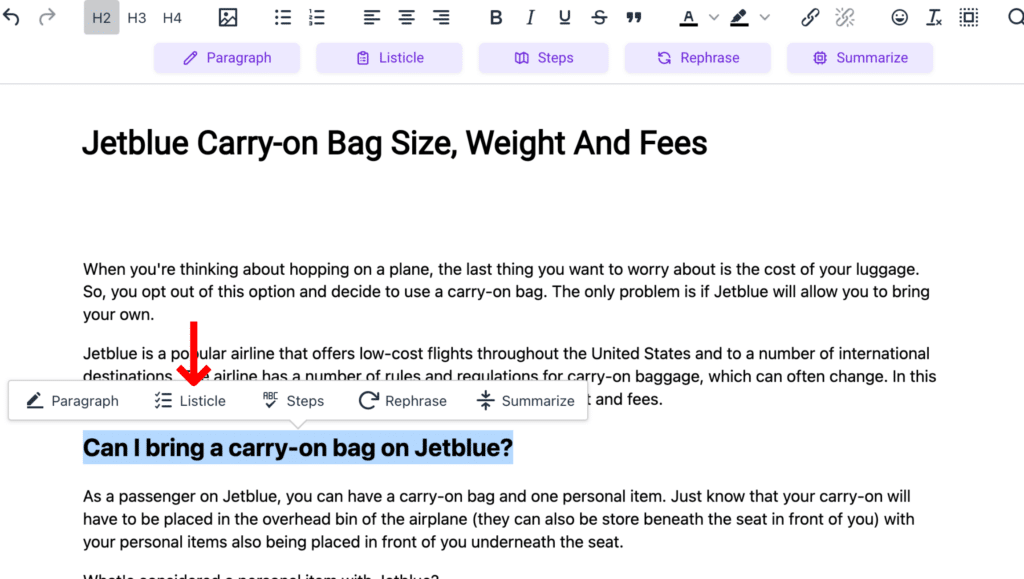
Conclusion: Subheaders as the Backbone of Engaging Content
In the digital age, where attention is a precious commodity, subheaders are no longer just an optional formatting element; they are a fundamental necessity for creating effective, engaging, and discoverable content. They transform dense information into accessible journeys, guide readers with clarity, enhance comprehension, and crucially, improve user experience.
From the fast-paced world of tech, where understanding complex innovations is key, to the nuanced strategies of brand building, and the essential guidance needed for sound financial management, subheaders provide the organizational backbone that makes information digestible and actionable. By mastering the art of crafting compelling subheaders, you empower your readers to navigate your content with ease, leading to increased engagement, better retention, and ultimately, a more successful online presence. So, the next time you’re creating content, remember to leverage the power of subheaders – they are the unsung heroes of the digital word.
aViewFromTheCave is a participant in the Amazon Services LLC Associates Program, an affiliate advertising program designed to provide a means for sites to earn advertising fees by advertising and linking to Amazon.com. Amazon, the Amazon logo, AmazonSupply, and the AmazonSupply logo are trademarks of Amazon.com, Inc. or its affiliates. As an Amazon Associate we earn affiliate commissions from qualifying purchases.