
In the dynamic world of investing, discerning the right vehicles for wealth accumulation and preservation can feel like navigating a complex maze. Among the plethora of options available, Exchange Traded Funds (ETFs) have emerged as powerful, accessible tools for investors of all experience levels. One such prominent ETF, frequently discussed and widely utilized, is IVV. But what exactly is IVV, and why does it command such attention in the financial landscape?
At its core, IVV is an investment product offered by iShares, a division of BlackRock, designed to provide investors with exposure to the S&P 500 Index. This seemingly simple definition, however, unravels into a sophisticated yet straightforward mechanism for participating in the performance of the largest publicly traded companies in the United States. Understanding IVV means grasping not only its structure and benefits but also its place within a well-rounded investment strategy. This article will delve into the intricacies of IVV, illuminating its function, advantages, and who might benefit most from incorporating it into their financial portfolio.
Understanding IVV: A Gateway to the S&P 500
IVV stands as a cornerstone for many investors seeking broad market exposure with simplicity and efficiency. It’s not just a collection of stocks; it’s a meticulously designed financial instrument that mirrors one of the most significant benchmarks in global finance.
The Basics of IVV: An ETF Explained
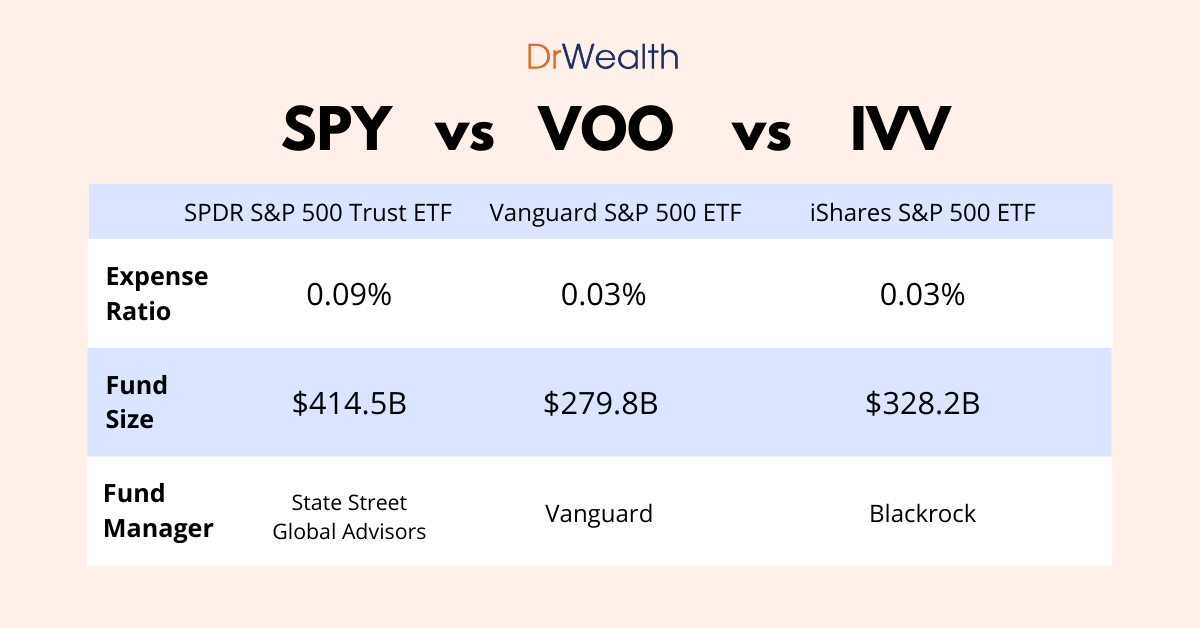
IVV, or the iShares Core S&P 500 ETF, is an investment fund that trades on stock exchanges, much like individual stocks. Its primary objective is to track the investment results of an index composed of large-capitalization U.S. equities. The word “Core” in its name signifies its intent to be a foundational, long-term holding for investors. Unlike actively managed mutual funds where a fund manager makes buy and sell decisions, IVV operates passively, simply aiming to replicate the performance of its target index. This passive approach often translates to lower costs for investors, making it an attractive option for those conscious of expense ratios.
What is an ETF, Really?
To fully appreciate IVV, it’s essential to understand the broader category of ETFs. An Exchange Traded Fund is a type of investment fund that holds assets such as stocks, bonds, or commodities, and then divides ownership of those assets into shares. These shares are then listed and traded on stock exchanges throughout the day, just like ordinary stocks. This intraday liquidity is a key differentiator from traditional mutual funds, which are typically bought and sold once per day at their net asset value (NAV) after the market closes. ETFs blend characteristics of both mutual funds (diversification, professional management of the underlying portfolio) and individual stocks (ease of trading, real-time pricing). They are popular for their transparency, flexibility, and often, their lower expense ratios compared to actively managed funds.
The S&P 500 Index: IVV’s Underlying Benchmark
The true power and appeal of IVV stem from its underlying benchmark: the S&P 500 Index. This index is one of the most widely recognized and respected indicators of large-cap U.S. equities and the U.S. stock market’s health. It comprises 500 of the largest publicly traded companies in the United States, selected by a committee at Standard & Poor’s based on factors like market size, liquidity, and sector representation.
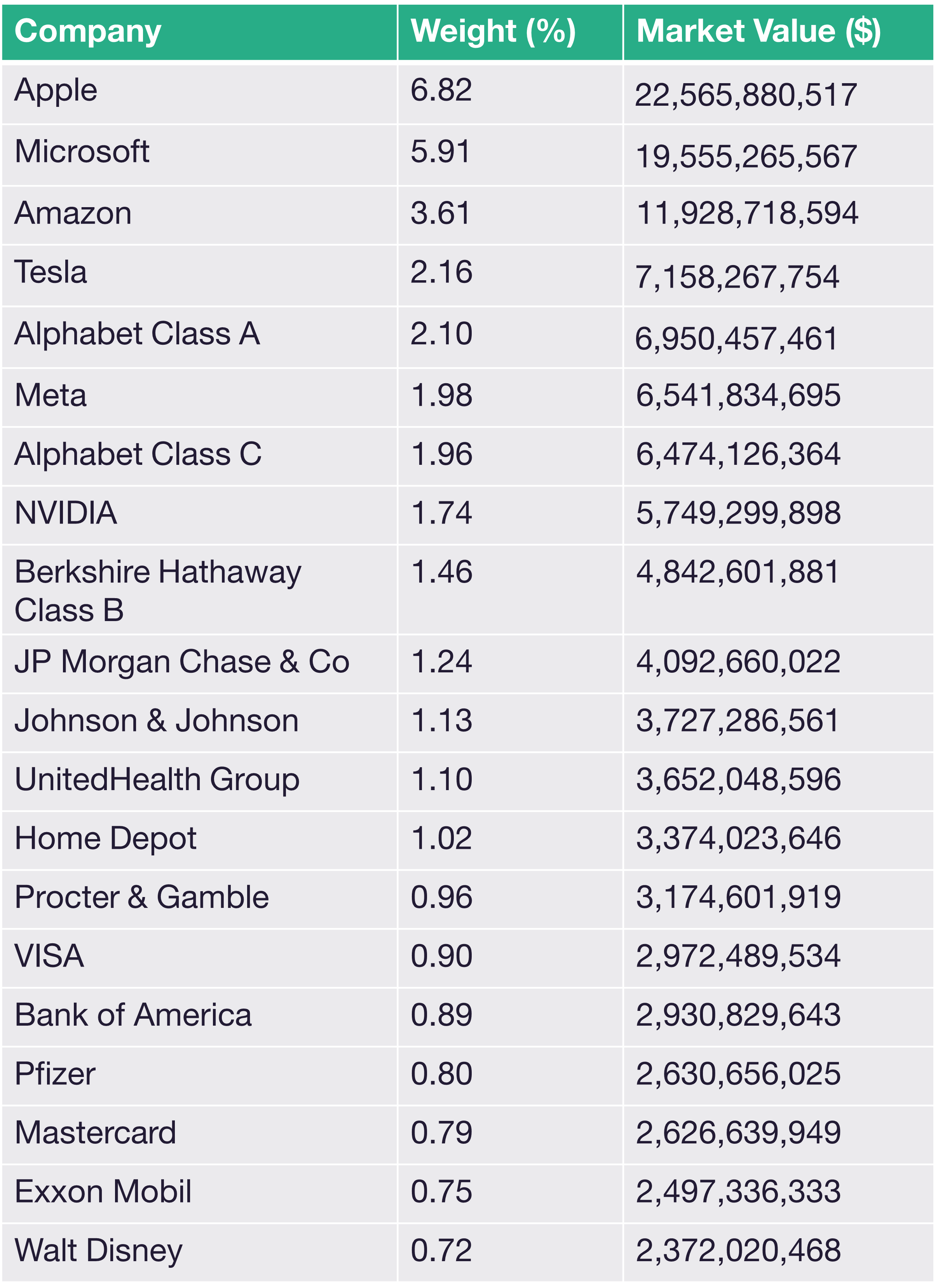
Investing in IVV means you are essentially buying a small piece of all these 500 companies. This gives investors immediate exposure to giants like Apple, Microsoft, Amazon, Alphabet (Google), and Tesla, among hundreds of others. By tracking such a broad and significant index, IVV offers investors a diversified stake in a substantial portion of the American economy, rather than relying on the performance of just a few individual companies. This inherent diversification is a critical component of its appeal and risk management strategy.
Why Invest in IVV? Key Benefits and Advantages
The popularity of IVV is not accidental; it’s a direct result of several compelling benefits that align with sound investment principles. For many, IVV represents an efficient and effective path to achieving long-term financial goals.
Diversification at Your Fingertips
One of the most significant advantages of investing in IVV is the instant diversification it provides. By holding a single share of IVV, an investor gains exposure to 500 different companies across various sectors of the U.S. economy. This broad market exposure inherently reduces the risk associated with individual stock picking. If one company performs poorly, its impact on the overall portfolio is significantly diluted by the performance of the other 499 companies. This principle, often summarized as “not putting all your eggs in one basket,” is fundamental to prudent investing and is effortlessly achieved with IVV.
Cost-Efficiency: Low Expense Ratios
Expense ratios are a crucial factor in long-term investing, as even small percentages can compound over decades to significantly impact total returns. IVV is known for its remarkably low expense ratio, typically around 0.03%. This means that for every $10,000 invested, you’d only pay approximately $3 per year in fees. This cost-efficiency is a hallmark of passive ETFs and a stark contrast to many actively managed mutual funds, which can charge 0.50% to 1.50% or even more annually. Over time, these low fees allow more of your investment capital to remain invested and compound, significantly boosting your net returns.
Liquidity and Flexibility
As an ETF, IVV trades on major stock exchanges throughout the day. This intraday liquidity offers investors the flexibility to buy or sell shares at any point during market hours, at real-time market prices. This contrasts with mutual funds, which are priced and traded only once per day after the market closes. The ability to react quickly to market conditions, or simply to execute trades whenever convenient, adds a layer of flexibility that appeals to many investors, from day traders to long-term holders looking to rebalance their portfolios.
Simplicity for Long-Term Growth
For investors focused on long-term growth and capital appreciation, IVV offers unparalleled simplicity. Instead of researching individual companies, analyzing financial statements, and constantly monitoring market trends for specific stocks, an investor can simply purchase IVV and essentially “set it and forget it” (with periodic rebalancing, of course). This passive approach allows investors to capture the overall growth of the U.S. economy without the complexities and time commitment of active stock management. It makes investing accessible even for those with limited financial knowledge or time.
Transparency and Portfolio Insight
ETFs like IVV offer high levels of transparency. The exact holdings of the fund are typically disclosed daily, allowing investors to see precisely which stocks they own and in what proportions. This level of insight stands in contrast to some mutual funds that only disclose their holdings quarterly. This transparency helps investors understand what they are invested in and ensures the fund is truly tracking its stated index.
How IVV Works: Mechanics of Tracking the Market
Understanding the benefits of IVV is one thing; comprehending the mechanics behind its operation provides deeper insight into its reliability and efficiency. IVV’s success lies in its sophisticated yet streamlined approach to index tracking.
Index Tracking Methodology
IVV employs a “passive” or “index-tracking” strategy. This means it doesn’t try to beat the market; instead, its goal is to replicate the performance of the S&P 500 Index as closely as possible. It achieves this primarily through a technique called “full replication,” where the fund holds all 500 stocks in the S&P 500 in approximately the same weights as they appear in the index. For example, if Apple makes up 7% of the S&P 500, then Apple will make up roughly 7% of IVV’s portfolio. The fund’s managers are not making subjective investment decisions; they are simply adjusting the portfolio to reflect changes in the underlying index (e.g., when companies are added or removed from the S&P 500, or when their market caps change).
Dividends and Reinvestment
The companies within the S&P 500 frequently pay dividends to their shareholders. As an owner of these companies through IVV, you are entitled to receive these dividends. IVV collects these dividends from all its underlying holdings and typically distributes them to IVV shareholders on a quarterly basis. Investors have the option to receive these dividends as cash or, in many brokerage accounts, to automatically reinvest them back into purchasing more IVV shares. Reinvesting dividends is a powerful strategy for compounding returns over the long term, as it allows your investment to grow exponentially by purchasing more assets that then generate even more dividends.
Buying and Selling IVV Shares
As mentioned, IVV trades like a regular stock. You can buy or sell shares through any standard brokerage account during market hours. The price of IVV fluctuates throughout the day based on supply and demand, as well as the real-time performance of its underlying S&P 500 holdings. You can place market orders (to buy or sell immediately at the current market price) or limit orders (to buy or sell at a specific price or better). This ease of transaction makes IVV highly accessible and integrates seamlessly into most investors’ existing trading habits.
Authorized Participants and Market Creation/Redemption
A crucial mechanism behind the smooth functioning of ETFs like IVV is the role of “Authorized Participants” (APs). These are large institutional investors (often banks or specialized trading firms) that have the ability to create or redeem large blocks of ETF shares directly with the fund provider (BlackRock, in this case). If the market price of IVV shares drifts significantly from the net asset value (NAV) of its underlying holdings, APs step in. If IVV shares trade at a premium to NAV, APs can create new shares by delivering a basket of the underlying S&P 500 stocks to BlackRock, which then increases the supply of IVV shares and drives its market price back down towards NAV. Conversely, if IVV shares trade at a discount, APs can buy IVV shares in the market and redeem them for the underlying basket of stocks, reducing supply and pushing the market price back up. This arbitrage mechanism ensures that IVV’s market price generally stays very close to the value of its underlying assets.
Who Should Consider IVV? Investor Profiles and Strategies
IVV is not a one-size-fits-all solution, but its broad appeal means it can fit into a variety of investment strategies and cater to diverse investor profiles. Recognizing who benefits most from IVV can help potential investors determine if it’s the right choice for their financial journey.
The Long-Term Investor
For individuals with a long-term investment horizon (e.g., saving for retirement, a child’s education, or a down payment on a house several years away), IVV is an excellent foundational holding. Its exposure to the S&P 500 historically has provided robust returns over extended periods, reflecting the growth and innovation of the U.S. economy. The low expense ratio ensures that more of these long-term gains stay in the investor’s pocket, compounding over decades.
Beginners in the Investment World
New investors often feel overwhelmed by the sheer number of investment options and the complexity of stock analysis. IVV offers a straightforward entry point into the stock market. Instead of trying to pick winning stocks, which can be risky and time-consuming, beginners can invest in IVV and instantly gain a diversified portfolio of established, high-quality companies. This approach allows them to participate in market growth without needing extensive prior knowledge or constant monitoring.
Those Seeking Broad Market Exposure
Experienced investors often use IVV to gain broad, diversified exposure to the U.S. large-cap market. Whether they are building a core-satellite portfolio (where IVV is the “core” and individual stocks or niche ETFs are the “satellites”) or simply seeking to balance out more aggressive or specialized holdings, IVV provides a reliable benchmark-tracking component that captures the overall market’s performance.
Building a Diversified Portfolio
IVV can serve as a central component of a well-diversified portfolio. While it offers diversification within U.S. large-cap equities, it’s often paired with other asset classes or funds to create an even broader portfolio. For example, an investor might combine IVV with an international stock ETF (like IXUS or VEA), a bond ETF (like BND or AGG), and perhaps a small-cap or mid-cap ETF to achieve truly comprehensive diversification across geographies, company sizes, and asset types.
Contrasting IVV with Mutual Funds and Individual Stocks
Compared to actively managed mutual funds, IVV offers lower costs, greater transparency, and intraday trading flexibility, though it won’t attempt to outperform the market (which active funds aspire to, but often fail to do consistently after fees). When contrasted with individual stocks, IVV provides instant diversification, significantly reducing company-specific risk and the need for extensive research. For many, IVV strikes an optimal balance between the broad exposure of a mutual fund and the trading flexibility of a stock.
Potential Considerations and Risks
While IVV offers numerous advantages, like any investment, it is not without its considerations and risks. Understanding these factors is crucial for making informed investment decisions.
Market Risk: The Inherent Ups and Downs
The most significant risk associated with IVV is market risk. Since IVV tracks the S&P 500 Index, its value will fluctuate with the overall performance of the U.S. stock market. If the stock market experiences a downturn (a “bear market”), the value of IVV will decrease commensurately. There is no guarantee of returns, and investors could lose money, particularly if they need to sell during a market slump. This inherent volatility is a fundamental characteristic of equity investing.
Tracking Error: A Minor Deviation
While IVV aims to replicate the S&P 500’s performance as closely as possible, a perfect match is almost impossible. There can be minor deviations between the ETF’s performance and the index’s performance, known as “tracking error.” This can be due to various factors, including the fund’s expense ratio (which slightly reduces returns), costs associated with rebalancing, or cash held by the fund that isn’t fully invested. However, for a well-managed fund like IVV, tracking error is typically very small and inconsequential for long-term investors.
Expense Ratios: While Low, Still a Factor
Although IVV boasts an extremely low expense ratio, it is still a cost. Over very long periods, even tiny percentages can add up. It’s important to be aware of this and, where possible, choose funds with the lowest expense ratios for similar market exposure. However, IVV is already among the most cost-effective options available for S&P 500 exposure.
Tax Implications of ETFs
ETFs like IVV can have tax implications. When you sell IVV shares for a profit, you’ll incur capital gains taxes. If the ETF distributes dividends, these are typically taxable in the year they are received (unless held in a tax-advantaged account like an IRA or 401k). Additionally, while not as significant a concern for broad market ETFs, some ETFs can have “capital gains distributions” from rebalancing activities, which can be taxable even if you haven’t sold your shares. Consulting a tax advisor is always recommended to understand the specific tax implications for your situation.

Conclusion
IVV, the iShares Core S&P 500 ETF, stands out as a highly efficient, cost-effective, and accessible investment vehicle for gaining broad exposure to the U.S. large-cap stock market. By mirroring the performance of the venerable S&P 500 Index, IVV offers investors instant diversification across 500 leading American companies, coupled with the liquidity and transparency of an exchange-traded fund.
Whether you are a novice investor seeking a simple entry point into equities, a seasoned professional building a robust core portfolio, or anyone in between looking for long-term growth, IVV presents a compelling option. Its low expense ratio ensures that more of your investment capital works for you, while its passive tracking strategy frees you from the complexities of active management. While it carries the inherent market risks associated with any equity investment, its advantages in diversification, cost-efficiency, and simplicity make it a foundational tool for a wide array of financial goals. For those wondering “what is IVV,” the answer is clear: it’s a powerful and practical instrument for participating in the growth of the American economy.
aViewFromTheCave is a participant in the Amazon Services LLC Associates Program, an affiliate advertising program designed to provide a means for sites to earn advertising fees by advertising and linking to Amazon.com. Amazon, the Amazon logo, AmazonSupply, and the AmazonSupply logo are trademarks of Amazon.com, Inc. or its affiliates. As an Amazon Associate we earn affiliate commissions from qualifying purchases.