
The financial markets are a complex, ever-evolving ecosystem, and for many, the performance of the Dow Jones Industrial Average (DJIA) serves as a primary barometer of economic health and investor sentiment. Often simply referred to as “the Dow,” this iconic index offers a daily pulse on the corporate giants that underpin the American economy. When investors, analysts, or even the general public ask, “How’s the Dow Jones doing right now?”, they’re seeking more than just a number; they’re looking for insights into the underlying forces shaping market trends, potential economic shifts, and the collective mood of the financial world. Understanding its current trajectory requires a dive into its composition, the myriad factors influencing its movements, and how to interpret these shifts within a broader investment strategy.

Understanding the Dow Jones Industrial Average (DJIA)
To accurately assess its current state, one must first grasp the fundamental nature of the Dow Jones Industrial Average. It is more than just a collection of stocks; it’s a historical benchmark that has evolved significantly since its inception.
What is the DJIA?
The Dow Jones Industrial Average, first calculated in 1896 by Charles Dow, is one of the oldest and most widely recognized stock market indexes in the world. Originally composed of 12 industrial stocks, it has expanded to include 30 prominent, publicly-owned American companies that are leaders in their respective industries. Unlike the S&P 500, which is market-capitalization weighted, the DJIA is a price-weighted average. This means that stocks with higher share prices have a greater influence on the index’s value, regardless of their total market capitalization. This unique weighting methodology gives particular prominence to companies whose individual share price movements can disproportionately sway the index. The selection of companies is not based on rigid quantitative rules but rather by a committee from S&P Dow Jones Indices, aiming for broad representation of the U.S. industrial economy. This historical perspective is crucial because it highlights the Dow’s enduring role as a snapshot of the established corporate landscape.
Why Does the Dow Matter?
Despite criticisms regarding its price-weighted methodology and its limited number of constituents compared to the broader market, the Dow Jones Industrial Average remains immensely significant. It acts as a bellwether for the overall health of the U.S. economy, particularly its industrial and consumer sectors. When the Dow is performing well, it often signifies robust corporate earnings, strong consumer confidence, and a generally optimistic outlook for economic growth. Conversely, sustained downturns can signal investor apprehension, economic headwinds, or a deceleration in corporate profitability. Its daily movements are extensively reported and discussed, influencing everything from individual investor decisions to national economic policy debates. For many, it’s the simplest and most accessible proxy for “the market,” making its performance a critical data point for sentiment analysis. It’s also often seen as representing the ‘old economy’ or ‘blue-chip’ sector, providing a contrast to more growth-oriented indices like the Nasdaq.
Key Components and Their Influence
The 30 companies that comprise the Dow are household names, representing a diverse array of sectors from technology and finance to healthcare and industrials. These include giants like Apple, Microsoft, Johnson & Johnson, JPMorgan Chase, Procter & Gamble, Boeing, and Visa. Because the index is price-weighted, a $1 move in a higher-priced stock (like UnitedHealth Group or Microsoft) will have a greater impact on the Dow’s overall points than a $1 move in a lower-priced stock (like Intel or Cisco Systems), even if the lower-priced stock has a larger market cap. This weighting means that the performance of a select few high-priced components can disproportionately drive the index’s direction on any given day. For instance, strong earnings from a few of its largest constituents can often lift the entire index, while significant setbacks from even one of these behemoths can drag it down. Understanding this internal dynamic is essential for interpreting its movements beyond simple headline figures.
Current Market Dynamics and Recent Performance
Assessing “how the Dow is doing right now” requires looking beyond a single day’s trading. It necessitates examining recent trends, immediate catalysts, and the broader economic narrative influencing investor behavior.
A Snapshot of Today’s Trading
To determine the Dow’s immediate status, one would typically look at its performance during the current trading session. Is it up or down? By how many points? What’s the percentage change? These figures offer a real-time pulse. Beyond the numbers, understanding the narrative is key. What headlines are dominating the news? Are investors reacting to a new inflation report, a Federal Reserve announcement, geopolitical developments, or a significant earnings report from a Dow component? For example, positive momentum might stem from an unexpected dip in inflation, strong retail sales data, or upbeat corporate guidance. Conversely, a decline could be triggered by rising interest rate concerns, slowing economic growth indicators, or geopolitical instability impacting global supply chains. The collective sentiment, often driven by these immediate catalysts, dictates the daily ebb and flow of the index.
Performance Over the Short Term
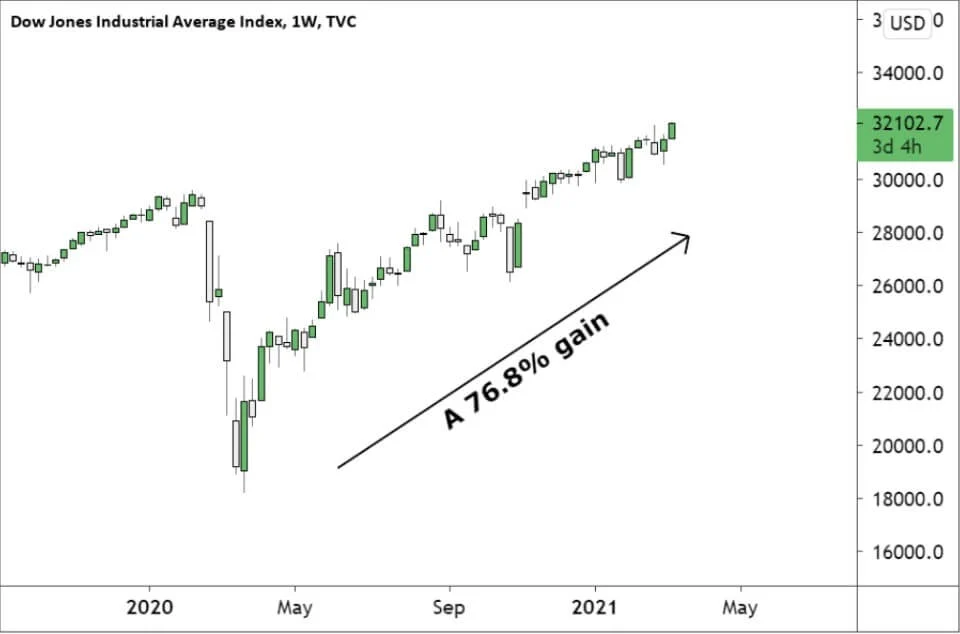
While daily fluctuations grab headlines, a more meaningful assessment often comes from looking at the Dow’s performance over a slightly longer short-term horizon – say, over the past week, month, or quarter. Has it been trending upwards, suggesting a sustained period of optimism? Is it experiencing a correction or a more significant downturn, signaling investor caution or profit-taking? Or is it largely trading sideways, indicating a period of consolidation as investors await clearer economic signals? Analyzing these short-term trends helps distinguish between ephemeral market noise and more substantial shifts in market dynamics. For instance, a persistent upward trend might suggest underlying economic resilience, while prolonged volatility could point to uncertainty regarding future economic policy or corporate earnings outlooks.
Key Economic Indicators at Play
The Dow’s performance is intrinsically linked to a wide array of economic indicators. Right now, factors such as inflation rates (Consumer Price Index – CPI, Producer Price Index – PPI), employment figures (Jobs Report, unemployment rate), manufacturing data (PMI), and consumer spending reports (retail sales) are constantly being digested by the market. Each data point provides clues about the health of the economy and, by extension, the profit potential of Dow companies. For instance, lower-than-expected inflation could signal that the Federal Reserve might ease monetary policy, potentially boosting corporate valuations. Conversely, strong wage growth combined with high inflation could spark fears of persistent inflation, prompting the Fed to maintain a restrictive stance, which typically weighs on stock prices. Geopolitical tensions, such as conflicts abroad or trade disputes, also play a significant role, affecting commodity prices, supply chains, and overall global economic stability.
Factors Shaping the Dow’s Trajectory
Beyond immediate catalysts, several structural and cyclical factors exert a powerful influence on the Dow’s long-term and short-term movements. Understanding these forces provides a deeper insight into its current behavior and potential future direction.
Monetary Policy and Interest Rates
Perhaps no single factor influences the market as much as the Federal Reserve’s monetary policy, particularly its stance on interest rates. When the Fed raises interest rates, it typically makes borrowing more expensive for businesses and consumers, potentially slowing economic growth and reducing corporate profits. This can put downward pressure on stock valuations, including those within the Dow. Conversely, when the Fed cuts rates or signals a more accommodative stance, it can stimulate economic activity, making equities more attractive. The market is constantly trying to anticipate the Fed’s next move, and any commentary from central bank officials or new economic data that hints at a change in policy can cause significant shifts in the Dow’s trajectory. Right now, the ongoing debate around inflation, the pace of rate hikes (or cuts), and the potential for a “soft landing” versus recession heavily dictates investor sentiment and, by extension, the Dow’s performance.
Corporate Earnings and Guidance
The fundamental driver of any stock index is the earnings performance of its constituent companies. The 30 companies in the Dow Jones Industrial Average are massive entities, and their quarterly earnings reports and future guidance are meticulously scrutinized. Strong earnings growth across multiple Dow components signals robust business health and can propel the index higher. Conversely, widespread earnings misses or pessimistic outlooks can trigger a broad market sell-off. Investors look not just at past performance but also at the forward guidance companies provide, as this offers a glimpse into future profitability. Factors like cost management, revenue growth in key segments, and the impact of global economic conditions on supply chains and consumer demand all play a role in shaping these earnings reports and, consequently, the Dow’s direction. A mixed earnings season, where some companies excel while others falter, can lead to increased volatility and a less clear directional bias for the index.
Geopolitical Events and Global Economy
In an increasingly interconnected world, geopolitical events and the health of the global economy have profound implications for the Dow. Conflicts, trade wars, sanctions, energy price shocks, and even major elections in other significant economies can create uncertainty, disrupt supply chains, alter consumer behavior, and impact corporate profitability. Many Dow components are multinational corporations with significant international exposure, meaning their earnings can be affected by economic conditions and political stability far beyond U.S. borders. For example, a surge in oil prices due to Middle East tensions can increase operating costs for airlines and manufacturing companies, while a slowdown in China’s economy can hurt companies reliant on that market for sales. These external factors introduce a layer of unpredictability that investors must constantly monitor when assessing the Dow’s current standing.
Technological Advancements and Innovation
While the Dow is often seen as representing traditional industries, its components are far from static. Continuous technological advancements and innovation within these companies are crucial for their long-term growth and, by extension, the index’s performance. From AI and automation transforming manufacturing processes to breakthroughs in biotechnology and digital services enhancing consumer offerings, innovation drives efficiency, creates new markets, and boosts competitive advantage. Companies like Microsoft and Apple, while established, are at the forefront of technological change, constantly introducing new products and services that drive revenue growth. Even traditional industrial companies like Boeing or Caterpillar are investing heavily in advanced manufacturing and digital solutions. The ability of Dow companies to adapt, innovate, and leverage new technologies directly contributes to their financial health and the overall upward potential of the index. This isn’t about the tech sector exclusively, but rather how technological adoption within Dow components fuels their economic performance.
Interpreting Dow Movements for Investors
For individual investors, understanding “how the Dow is doing” is not merely about tracking daily numbers but about interpreting those movements within the context of a broader investment strategy.
Beyond the Headlines: What Daily Swings Mean
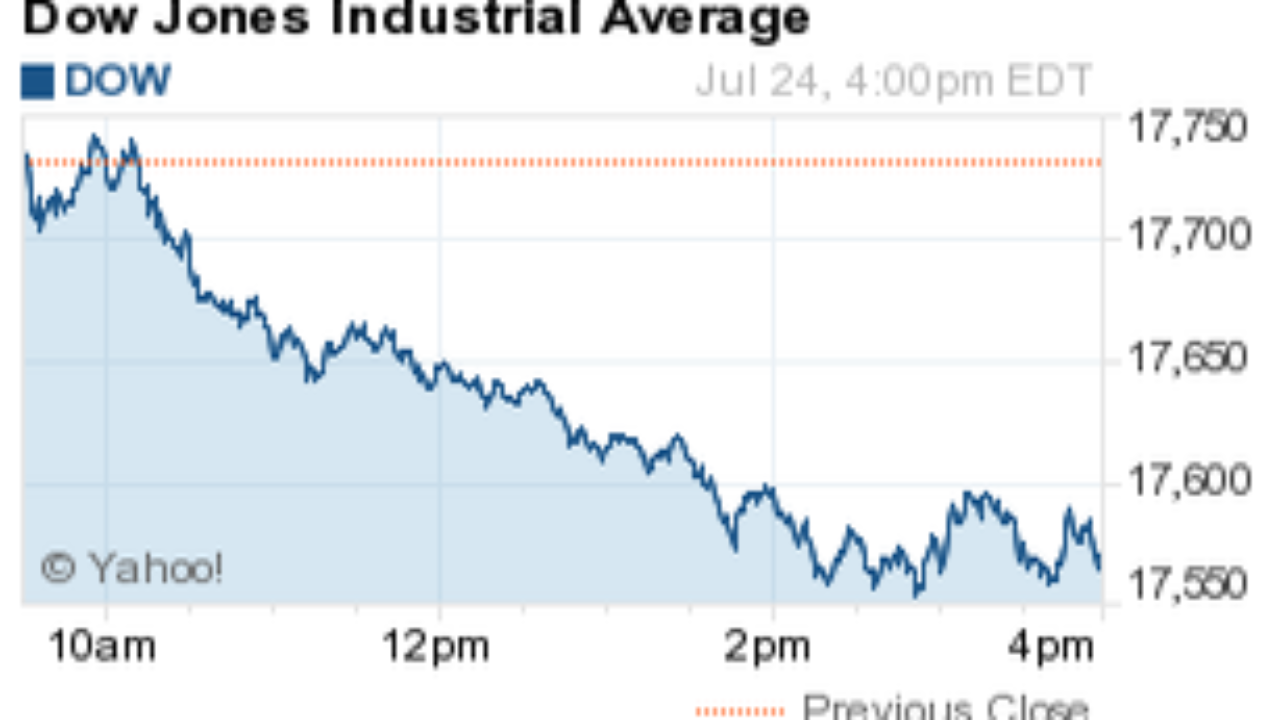
It’s easy to get caught up in the emotional rollercoaster of daily market fluctuations. A 300-point swing in the Dow might seem significant, but in the context of a 38,000-point index, it might represent less than a 1% change. Daily movements are often driven by short-term news, algorithmic trading, and speculator activity. For long-term investors, these daily swings are largely noise. What matters more is the trend over weeks, months, and years. Does the Dow show a consistent upward trajectory over time, despite periodic corrections? Or is it entering a prolonged bear market? Focusing on the underlying economic rationale behind broader movements, rather than reacting impulsively to intraday volatility, is crucial for sound decision-making. Investors should avoid letting daily headlines dictate panic selling or speculative buying.
The Dow as Part of a Broader Portfolio
While the Dow is a prominent index, it represents only 30 large-cap, established U.S. companies. For a truly diversified portfolio, it’s essential to consider other indices and asset classes. The S&P 500 offers broader exposure to 500 large U.S. companies, while the Nasdaq Composite is heavily weighted towards technology and growth stocks. International equities, bonds, real estate, and alternative investments all play a role in creating a well-rounded portfolio that mitigates risk. The Dow’s performance provides a valuable perspective on a specific segment of the market, but it should be viewed as one piece of a larger puzzle. A heavy reliance solely on the Dow might lead to concentrated risks if its constituent companies face sector-specific challenges.
Strategies for Navigating Market Conditions
Regardless of whether the Dow is surging, tumbling, or stagnating, prudent investment strategies remain largely consistent. Dollar-cost averaging – investing a fixed amount regularly, regardless of market highs or lows – helps reduce the impact of volatility. Diversification across various asset classes and geographic regions helps spread risk. Rebalancing the portfolio periodically ensures it remains aligned with one’s risk tolerance and financial goals. Most importantly, maintaining a long-term perspective is paramount. Historically, equity markets, including the Dow, have trended upwards over extended periods, rewarding patience and discipline. Avoiding emotional reactions like panic selling during downturns or chasing hot stocks during rallies is key to successful investing. Understanding the Dow’s current state should inform, not dictate, these core principles.
In conclusion, “how the Dow Jones is doing right now” is a multi-faceted question with no simple answer. It involves a dynamic interplay of economic data, corporate performance, monetary policy, geopolitical events, and investor sentiment. While its daily fluctuations capture headlines, a truly insightful assessment requires understanding its composition, analyzing short-term trends within a broader context, and interpreting its movements through the lens of long-term investment principles. For sophisticated investors and financial newcomers alike, the Dow remains an indispensable, if imperfect, window into the health and direction of the financial world. By staying informed and adopting a measured approach, one can better navigate the complexities of the market, regardless of the Dow’s immediate performance.
aViewFromTheCave is a participant in the Amazon Services LLC Associates Program, an affiliate advertising program designed to provide a means for sites to earn advertising fees by advertising and linking to Amazon.com. Amazon, the Amazon logo, AmazonSupply, and the AmazonSupply logo are trademarks of Amazon.com, Inc. or its affiliates. As an Amazon Associate we earn affiliate commissions from qualifying purchases.