
The question “how much money did the stock market lose?” is one that echoes through financial news cycles, investor forums, and personal finance discussions during periods of economic uncertainty. It’s a natural inquiry, driven by a blend of curiosity, concern, and the very real impact market movements have on individual and institutional wealth. While seemingly straightforward, answering this question requires a nuanced understanding of market dynamics, historical context, and the various ways “loss” can be measured and experienced.
The stock market, an aggregation of various indices representing thousands of companies, is a dynamic entity, perpetually fluctuating based on a myriad of factors from corporate earnings and economic data to geopolitical events and investor sentiment. Periods of rapid growth, known as bull markets, are often celebrated, but they are invariably punctuated by downturns—corrections, bear markets, or even full-blown crashes—where significant sums of perceived wealth can evaporate, at least on paper. Understanding these cycles, quantifying their impact, and learning how to navigate them is fundamental for any investor.
The Nature of Stock Market Declines
When we talk about the stock market “losing money,” we’re not referring to a physical entity misplacing cash. Instead, it signifies a broad decrease in the collective value of publicly traded companies, as reflected by major stock indices. This reduction in value translates directly into a decrease in investor wealth, creating what are often called “paper losses” until an investor sells their holdings. The actual amount “lost” is therefore a moving target, dependent on the timeframe and the specific market segments being observed.
Defining a Market Loss
A market loss can be defined in several ways, each offering a different perspective on the severity and scope of a downturn:
- Percentage Declines: The most common metric involves tracking the percentage drop from a market’s peak. A “correction” is typically defined as a 10% to 20% decline from a recent high in a major index (like the S&P 500, Dow Jones Industrial Average, or Nasdaq Composite). A “bear market,” a more severe downturn, is characterized by a drop of 20% or more. A “market crash” is often used to describe sudden, dramatic, and often unexpected, double-digit percentage drops in a very short period.
- Total Market Capitalization: Beyond index points, market losses can be quantified by the total amount of market capitalization wiped out. Market capitalization is the total value of all outstanding shares of a company (share price multiplied by the number of shares). For an entire market, this sums up the value of all companies. During a downturn, trillions of dollars can be shed from this collective value, representing a massive shift in global wealth.
- Individual Stock vs. Index: It’s crucial to distinguish between losses in specific stocks or sectors and the overall market. While the broader market might only correct by 10%, certain sectors or individual companies can experience much deeper, catastrophic declines.
Key Drivers of Market Downturns
Market downturns are rarely triggered by a single factor, but rather a confluence of economic, political, and psychological elements. Understanding these drivers helps contextualize the “why” behind the losses:
- Economic Recessions: Periods of significant economic contraction, characterized by declines in GDP, employment, and industrial production, almost invariably lead to market declines. Examples include the Dot-Com Bust (partially driven by overvaluation and subsequent economic slowdown), the Global Financial Crisis (triggered by the subprime mortgage crisis), and the COVID-19 pandemic (due to lockdowns and disrupted supply chains).
- High Inflation and Interest Rate Hikes: When inflation runs hot, central banks typically respond by raising interest rates to cool down the economy. While necessary, higher rates increase borrowing costs for businesses and consumers, potentially slowing economic growth and reducing corporate profits, which in turn pressures stock prices.
- Geopolitical Events: Wars, trade disputes, political instability, and major international conflicts can inject significant uncertainty into global markets, leading investors to reduce risk exposure and sell off assets.
- Company-Specific and Sectoral Issues: Scandals, bankruptcies of major corporations, or systemic issues within an entire industry (e.g., the energy sector collapse due to oil price drops) can trigger sector-wide sell-offs that might spill over into broader market sentiment.
- Investor Sentiment and Panic Selling: Fear and greed are powerful forces in financial markets. Periods of extreme fear can lead to widespread panic selling, where investors rush to liquidate assets, often exacerbating the decline beyond what fundamentals might suggest.
Quantifying Historical Market Losses
To truly grasp “how much money the stock market lost,” it’s helpful to look at historical examples of significant downturns. These events illustrate the scale and duration of losses across various market cycles.
Noteworthy Bear Markets and Crashes
- Black Monday (October 19, 1987): On this single day, the Dow Jones Industrial Average plummeted by 22.6%—its largest one-day percentage drop ever. While devastating in its immediacy, the market began to recover relatively quickly, showcasing resilience.
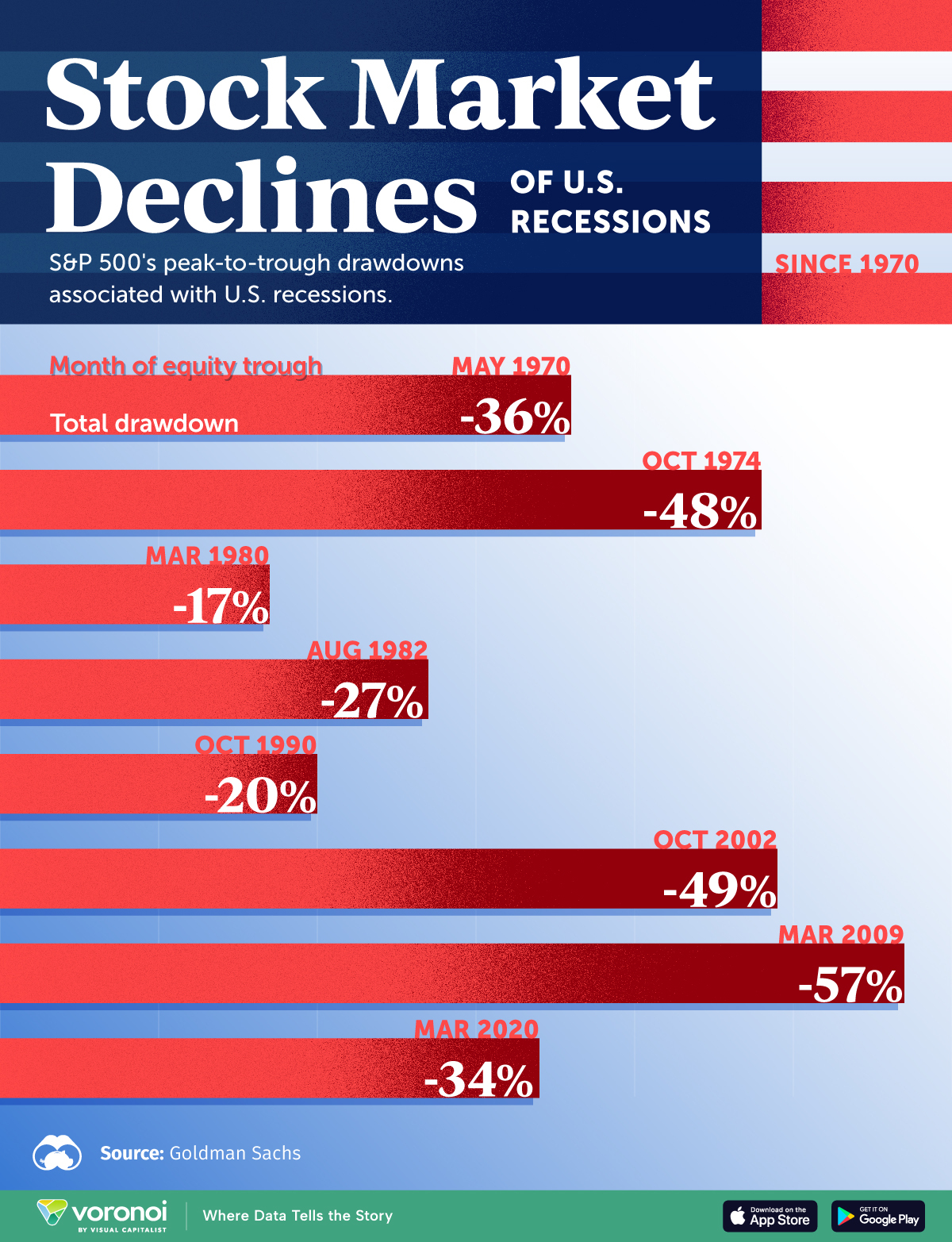
- Dot-Com Bubble Burst (2000-2002): Following an era of rampant speculation in internet-related companies, the tech-heavy Nasdaq Composite index lost approximately 78% of its value from its peak in March 2000 to its trough in October 2002. The broader S&P 500 index fell by roughly 49%. This period saw trillions in market capitalization vanish, particularly from the tech sector.
- Global Financial Crisis (2008-2009): Triggered by the collapse of the U.S. housing market and subprime mortgage crisis, this downturn saw the S&P 500 fall by about 57% from its October 2007 peak to its March 2009 low. This crisis had global ramifications, leading to widespread job losses, bankruptcies, and government bailouts, wiping out estimated trillions of dollars in wealth globally.
- COVID-19 Pandemic Crash (2020): In February and March 2020, as the global pandemic took hold, the stock market experienced one of the fastest bear markets in history. The S&P 500 dropped by about 34% in just over a month. However, fueled by massive fiscal and monetary stimulus, it also recorded one of the fastest recoveries.
The Concept of Market Capitalization Lost
Translating percentage drops into actual dollar figures reveals the staggering scale of market losses. For instance, if the total market capitalization of all U.S. stocks stood at $50 trillion, a 20% bear market would equate to $10 trillion in lost value. While these are “paper losses” for long-term investors who don’t sell, they represent a very real contraction of perceived wealth, affecting investor confidence, corporate balance sheets, and the overall economic landscape. During the 2008 financial crisis, it’s estimated that global equity markets lost over $15 trillion in value.
The Impact of Market Losses on Investors
Beyond the raw numbers, market losses have profound real-world implications for individual investors, retirement savers, and the broader economy.
Psychological and Emotional Toll

Market downturns are not just financial events; they are deeply psychological experiences. The sight of rapidly declining portfolio values can trigger fear, anxiety, and even panic. Investors who have diligently saved for retirement or other long-term goals might feel a sense of betrayal or regret, especially if they see years of gains eroded in a short period. This emotional toll often leads to irrational decision-making, such as selling assets at the bottom of the market, thereby turning paper losses into permanent, realized losses. Maintaining emotional discipline and a long-term perspective is one of the greatest challenges during these periods.
Practical Financial Consequences
The tangible effects of market losses can be significant:
- Retirement Savings: For many, the stock market is the primary vehicle for retirement savings through 401(k)s, IRAs, and pension funds. A severe downturn can delay retirement plans, force individuals to work longer, or necessitate a reduction in expected retirement living standards.
- Investment Portfolios: Beyond retirement, other investment goals like saving for a down payment on a home, a child’s education, or a significant purchase can be jeopardized as portfolio values decline.
- Wealth Redistribution: While painful for many, market downturns also present opportunities. Savvy or well-capitalized investors can acquire assets at discounted prices, potentially leading to significant wealth accumulation during the subsequent recovery. However, this often exacerbates the wealth gap, as those with less capital or greater immediate needs are often forced to sell.
- Economic Contraction: Consumer spending, business investment, and overall economic activity can slow down as individuals feel less wealthy, leading to a broader economic downturn.
Navigating and Mitigating Market Losses
Understanding that market losses are an inevitable part of investing is the first step. The next is to develop strategies to navigate and mitigate their impact.
Diversification and Asset Allocation
One of the most fundamental principles of investing is diversification. Spreading investments across different asset classes (stocks, bonds, real estate, commodities), industries, geographies, and company sizes helps cushion the blow when one particular segment of the market performs poorly. A well-constructed asset allocation, tailored to an investor’s risk tolerance and time horizon, ensures that not all “eggs are in one basket.” Bonds, for instance, often perform well during stock market downturns, providing a ballast to a portfolio. Regular rebalancing helps maintain the desired allocation.
Long-Term Perspective and Dollar-Cost Averaging
History repeatedly shows that stock markets, despite severe downturns, tend to recover and reach new highs over the long run. Adopting a long-term perspective (thinking in terms of decades, not months or years) helps investors ride out the volatility. Dollar-cost averaging, which involves investing a fixed amount of money at regular intervals regardless of market fluctuations, is a powerful strategy during downturns. When prices are low, your fixed investment buys more shares, positioning you for greater gains when the market recovers. This strategy removes emotion from the investment process.
Emergency Funds and Financial Planning
Having a robust emergency fund (typically 3-6 months of living expenses) in an easily accessible, liquid account (like a high-yield savings account) is crucial. This fund prevents investors from being forced to sell their investments at a loss to cover unexpected expenses during a market downturn. Comprehensive financial planning, including defining clear goals, understanding one’s risk tolerance, and regularly reviewing the investment strategy, provides a roadmap during turbulent times.
The Inevitable Recovery and Future Outlook
While market losses can be deeply unsettling, it’s vital to remember that they are almost always followed by periods of recovery and subsequent growth. The stock market is cyclical, and history offers a powerful testament to its resilience.
Historical Recovery Patterns
Every major market downturn in history has eventually been followed by a recovery, with markets often surging to new highs. The average bear market typically lasts less than a year, while the subsequent bull market often lasts for several years. For instance, despite the severe 57% drop during the Global Financial Crisis, the S&P 500 not only recovered its losses but went on a record-breaking bull run that lasted over a decade. This pattern reinforces the notion that patience and discipline are paramount.
Learning from Downturns
Each market downturn, while financially challenging, provides invaluable lessons for investors. It highlights the importance of prudent financial planning, risk management, and emotional fortitude. Investors who learn to resist the urge to panic sell and instead stick to a well-thought-out long-term strategy often emerge stronger and wealthier from these periods. They also offer opportunities to re-evaluate investment theses, trim underperforming assets, and invest in quality companies at attractive valuations.

Conclusion
The question “how much money did the stock market lose?” captures the immediate concern and tangible impact of market declines. From percentage drops in major indices to trillions of dollars in market capitalization evaporating, the numbers can be daunting. However, understanding the nature of these losses—their drivers, historical context, and the difference between paper and realized losses—is critical. For the discerning investor, market downturns are not merely periods of loss but also inevitable phases of the economic cycle, offering critical lessons and, for those prepared, opportunities. By focusing on diversification, maintaining a long-term perspective, and adhering to sound financial planning, investors can navigate the inevitable turbulence of the stock market, ultimately positioning themselves for sustained growth and wealth accumulation over time.
aViewFromTheCave is a participant in the Amazon Services LLC Associates Program, an affiliate advertising program designed to provide a means for sites to earn advertising fees by advertising and linking to Amazon.com. Amazon, the Amazon logo, AmazonSupply, and the AmazonSupply logo are trademarks of Amazon.com, Inc. or its affiliates. As an Amazon Associate we earn affiliate commissions from qualifying purchases.