
The daily movements of the Dow Jones Industrial Average (DJIA) are a constant focal point for investors, financial news outlets, and even the casual observer. It serves as one of the most recognized barometers of the stock market’s health, offering a snapshot of economic sentiment and corporate performance. While the exact number of points the Dow gained or lost on any given day is a fluctuating figure, understanding why it moves and what those movements signify is far more valuable than the number itself. This article delves into the mechanics of the Dow, the myriad factors influencing its daily performance, and how investors can interpret these fluctuations with a balanced perspective.
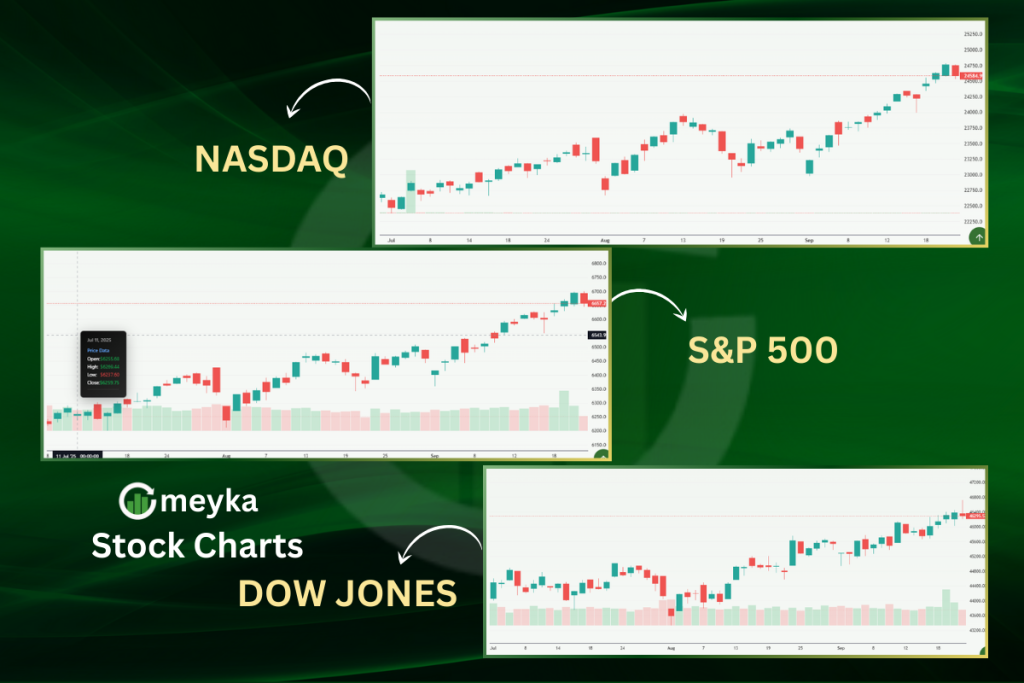
Understanding the Dow Jones Industrial Average (DJIA)
To truly grasp the significance of the Dow’s daily performance, one must first comprehend what the index represents and its role in the broader financial landscape. It’s more than just a collection of numbers; it’s a historical artifact and a powerful indicator.
What is the Dow?
The Dow Jones Industrial Average, often simply called “the Dow,” is a stock market index that tracks the performance of 30 large, publicly-owned companies trading on the New York Stock Exchange (NYSE) and NASDAQ. Established in 1896 by Charles Dow, editor of The Wall Street Journal, it is one of the oldest and most frequently cited market indexes in the world. Despite its name, the companies within the index are no longer predominantly “industrial” but rather represent a diverse cross-section of major sectors within the U.S. economy, including technology, healthcare, finance, and consumer goods. These “blue-chip” companies are selected for their substantial size, reputation, and historical significance, making them bellwethers for their respective industries.
Significance as a Market Indicator
The Dow’s primary significance lies in its role as a proxy for the overall health of the U.S. stock market and, by extension, the broader economy. When the Dow rises, it often signals investor confidence in the future earnings and growth prospects of large American corporations. Conversely, a decline can suggest a more cautious or pessimistic outlook. While critics sometimes point out that 30 companies cannot fully represent an economy with millions of businesses, the Dow’s constituent companies are so influential that their collective performance often correlates strongly with wider economic trends. Its daily movements are thus meticulously tracked as a quick reference point for how “the market” is doing.
How the Dow is Calculated
Unlike some market indexes that are weighted by market capitalization (where larger companies have a greater impact), the DJIA is a price-weighted index. This means that stocks with higher share prices have a greater influence on the index’s value than those with lower share prices, regardless of their total market value. The sum of the prices of the 30 stocks is divided by a “Dow divisor,” a number that is adjusted for stock splits, spin-offs, and other structural changes to ensure historical continuity and comparability. This unique calculation method is a point of frequent discussion among financial analysts, as a single point change in a high-priced stock can move the entire index more significantly than a similar percentage change in a lower-priced, but potentially larger, company.
Factors Influencing Daily Dow Performance
The daily fluctuation of the Dow is not random; it’s the result of a complex interplay of economic, corporate, geopolitical, and psychological factors. Pinpointing a single cause for a specific day’s movement is often an oversimplification, as multiple forces typically converge to shape market sentiment.
Economic Indicators
Macroeconomic data releases are powerful catalysts for market movement. Investors closely watch reports on Gross Domestic Product (GDP), inflation rates (like the Consumer Price Index), employment figures (such as non-farm payrolls and unemployment rates), consumer confidence surveys, manufacturing data, and housing market statistics. Positive economic news, indicating growth or stability, often fuels optimism and pushes the Dow higher. Conversely, signs of economic weakness, recession fears, or persistent inflation can trigger sell-offs. For example, a surprisingly strong jobs report might suggest a robust economy, leading to a Dow rally, while unexpectedly high inflation could signal future interest rate hikes, dampening investor enthusiasm.
Corporate Earnings and News
Since the Dow is composed of 30 individual companies, the performance of these constituent entities significantly impacts the index. Quarterly earnings reports are particularly potent. When major Dow components report stronger-than-expected earnings, provide optimistic forward guidance, or announce positive developments like new product launches or strategic partnerships, it can lift the entire index. Conversely, missed earnings estimates, reduced forecasts, or negative corporate news (e.g., lawsuits, regulatory issues, scandals) can exert downward pressure. Analyst upgrades or downgrades of these key stocks also frequently precede price movements.
Geopolitical Events
The global interconnectedness of markets means that events far beyond the U.S. borders can send ripples through the Dow. Geopolitical tensions, trade disputes between major economies, conflicts, political instability in critical regions, or significant policy shifts by foreign governments can introduce uncertainty and fear into the market. For instance, concerns over global supply chains, energy prices stemming from international events, or the stability of trade agreements can lead investors to de-risk, causing the Dow to fall. Conversely, resolution of such issues can spur relief rallies.

Central Bank Policies
Central banks, most notably the U.S. Federal Reserve, play a critical role in shaping market dynamics. Decisions regarding interest rates, quantitative easing (buying bonds to inject money into the economy), or quantitative tightening (reducing the money supply) directly impact borrowing costs for businesses and consumers, corporate profitability, and the attractiveness of alternative investments like bonds. A hawkish stance (raising rates) can cool an overheated economy but also make equities less appealing, potentially leading to a Dow decline. A dovish stance (lowering rates or stimulating the economy) generally supports higher stock valuations. Investors scrutinize every statement and meeting minute from the Fed for clues about future policy direction.
Market Sentiment and Technical Factors
Beyond fundamentals, human psychology and trading dynamics also influence daily movements. Market sentiment, driven by fear and greed, can lead to overreactions. Positive news can ignite buying frenzies, while negative headlines can trigger panic selling. Technical factors, such as trading volume, support and resistance levels, and algorithmic trading, can also amplify or mitigate daily price swings. Large institutional trades, program trading, and even short squeezes can contribute to rapid and significant intraday moves in the Dow.
Interpreting Daily Market Moves: Beyond Just the Numbers
While it’s tempting to obsess over the Dow’s daily gains or losses, a sophisticated investor understands that short-term volatility is normal and that context is paramount. Focusing solely on the daily ticker can be misleading and lead to suboptimal financial decisions.
Short-Term Volatility vs. Long-Term Trends
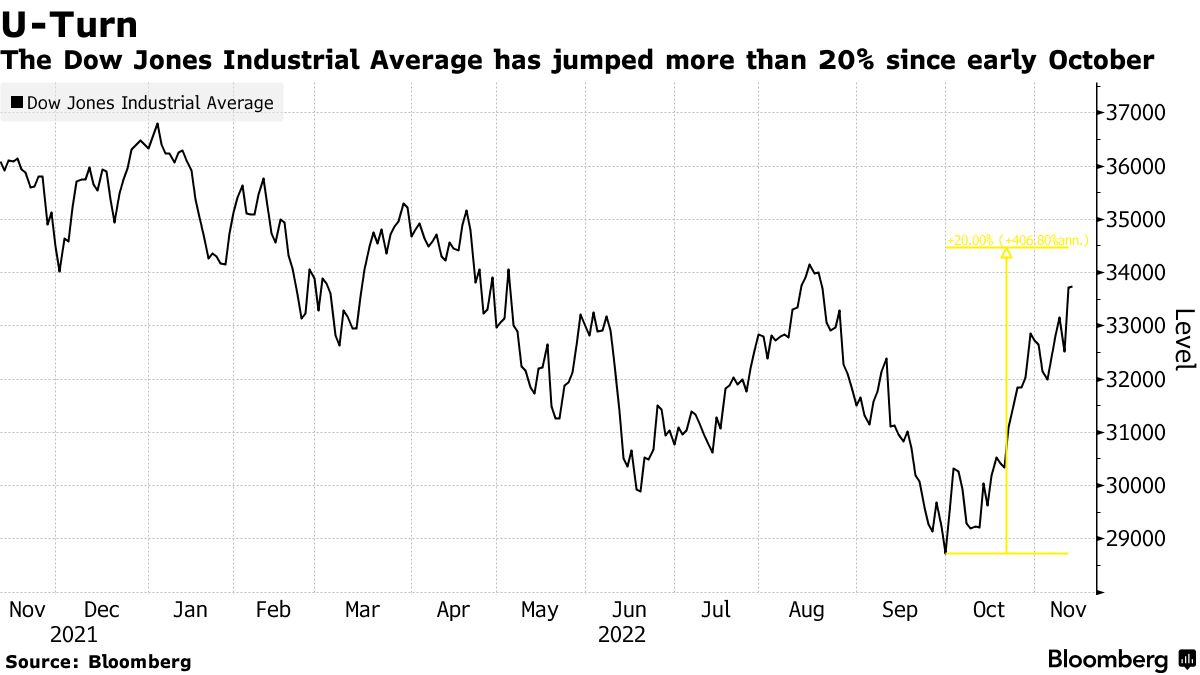
The stock market is inherently volatile. Daily swings of hundreds of points in the Dow are not uncommon. These short-term movements are often characterized as “market noise,” influenced by the immediate news cycle, algorithmic trading, and transient sentiment. However, true wealth creation in the stock market typically comes from understanding and riding long-term trends. A single day’s performance, whether positive or negative, rarely dictates the long-term trajectory of a well-diversified portfolio. Historically, despite numerous corrections and bear markets, the Dow has trended upwards over decades, reflecting economic growth and corporate innovation. Investors should differentiate between daily fluctuations and more significant shifts in market direction.
The Importance of Context
When analyzing a day’s Dow performance, the crucial question isn’t just “how much?” but “why?” Understanding the underlying reasons for a rise or fall—whether it’s a strong earnings report, an inflation surprise, or geopolitical tension—provides valuable context. For instance, a decline driven by profit-taking after a significant rally might be less concerning than one caused by a severe economic slowdown. Similarly, a gain fueled by speculative excitement might carry more risk than one based on robust corporate fundamentals. Context helps investors avoid knee-jerk reactions and allows for more informed decision-making.
Diversification and Risk Management
An exclusive focus on the Dow’s daily numbers can lead to a narrow perspective. A fundamental principle of sound investing is diversification. A portfolio solely tied to the 30 companies of the Dow, or even just U.S. large-cap stocks, is exposed to specific risks. Diversifying across different asset classes (stocks, bonds, real estate), geographies (international markets), and market capitalizations (small-cap, mid-cap) helps mitigate the impact of any single day’s or even year’s performance in one specific index. Risk management involves not only diversification but also aligning investments with one’s financial goals, time horizon, and risk tolerance, ensuring that daily market movements don’t derail a long-term strategy.
Practical Implications for Investors
For the average investor, the Dow’s daily performance is a signal, not a directive. It informs, but it shouldn’t dictate impulsive actions. A thoughtful approach prioritizes long-term strategy over short-term market noise.
Monitoring the Market Without Obsessing
Staying informed about market trends and economic news is wise. However, constant monitoring and obsessing over every daily fluctuation of the Dow can be detrimental to an investor’s emotional well-being and financial performance. Excessive focus on daily movements can lead to emotional investing – buying high in excitement and selling low in fear. Instead, investors should aim for periodic reviews of their portfolio, perhaps quarterly or annually, and focus on whether their investments are still aligned with their financial goals and risk profile. Reliable financial news sources can provide the necessary updates without encouraging constant vigilance.
Long-Term Investing Principles
Successful investing, particularly in equities, is often a long-term endeavor. Principles like compounding, dollar-cost averaging, and staying invested through market cycles are far more impactful than trying to time the market based on daily Dow movements. Compounding allows returns to generate further returns over time, accelerating wealth growth. Dollar-cost averaging involves investing a fixed amount regularly, regardless of market highs or lows, which helps mitigate risk by averaging out the purchase price over time. Staying invested through periods of volatility prevents locking in losses and ensures participation in subsequent market recoveries. For most investors, a “set it and forget it” approach with periodic rebalancing often outperforms active trading driven by daily headlines.
Utilizing Financial News and Tools
While avoiding obsession, investors should still utilize credible financial news outlets, analytical tools, and, if needed, professional financial advisors. These resources can help interpret market events, identify emerging trends, and provide guidance tailored to individual financial situations. Understanding the context behind the Dow’s movements allows for more informed decisions about asset allocation, sector exposure, and overall portfolio adjustments, rather than reacting solely to the “up or down” number. Tools that track personal portfolio performance can also provide a clearer picture of an investor’s actual returns versus a broad index like the Dow.
In conclusion, “how much did the Dow go up today?” is a question asked millions of times daily. While the answer provides a superficial snapshot, its true value lies in the deeper understanding it prompts. The daily fluctuations of the Dow Jones Industrial Average are a complex dance of economic indicators, corporate performance, global events, and human psychology. For investors, the wisdom lies not in memorizing the daily points but in comprehending the forces at play, maintaining a long-term perspective, and adhering to sound financial principles that transcend the noise of day-to-day market movements.
aViewFromTheCave is a participant in the Amazon Services LLC Associates Program, an affiliate advertising program designed to provide a means for sites to earn advertising fees by advertising and linking to Amazon.com. Amazon, the Amazon logo, AmazonSupply, and the AmazonSupply logo are trademarks of Amazon.com, Inc. or its affiliates. As an Amazon Associate we earn affiliate commissions from qualifying purchases.