
For both seasoned investors and curious newcomers, understanding the intricacies of stock market trading hours is far more critical than a mere curiosity. It underpins strategic decision-making, risk management, and the very timing of your financial moves. The seemingly straightforward question, “How late is the stock market open today?” unlocks a complex world of standard sessions, extended trading, holiday closures, and the global, interconnected nature of financial markets. This guide will delve deep into the operational rhythms of the stock market, providing the insights necessary to make informed investment choices within the ever-moving landscape of modern finance.
The stock market isn’t a 24/7 entity in the same way, for instance, a cryptocurrency exchange might be. Its structured trading windows are a legacy of its physical origins, evolving to balance market efficiency, investor access, and the human capacity for analysis. For anyone looking to invest, whether actively day trading or building a long-term portfolio, knowing when you can buy or sell assets is fundamental. Beyond the standard bell-to-bell times, there are often critical pre-market and after-hours sessions that present unique opportunities and challenges. Mastering these timings is a hallmark of a truly savvy investor, allowing them to react to news, capitalize on momentum, and optimize their trading strategies.
Understanding Standard Stock Market Trading Hours
The backbone of U.S. equity trading rests upon the standardized operating hours of its primary exchanges. These times are meticulously set to foster an orderly market, providing sufficient liquidity and price discovery for the vast majority of transactions. While many exchanges exist globally, the New York Stock Exchange (NYSE) and the Nasdaq Stock Market (Nasdaq) serve as the titans of American equity trading, setting the rhythm for the financial world.
The Core Trading Window (9:30 AM – 4:00 PM ET)
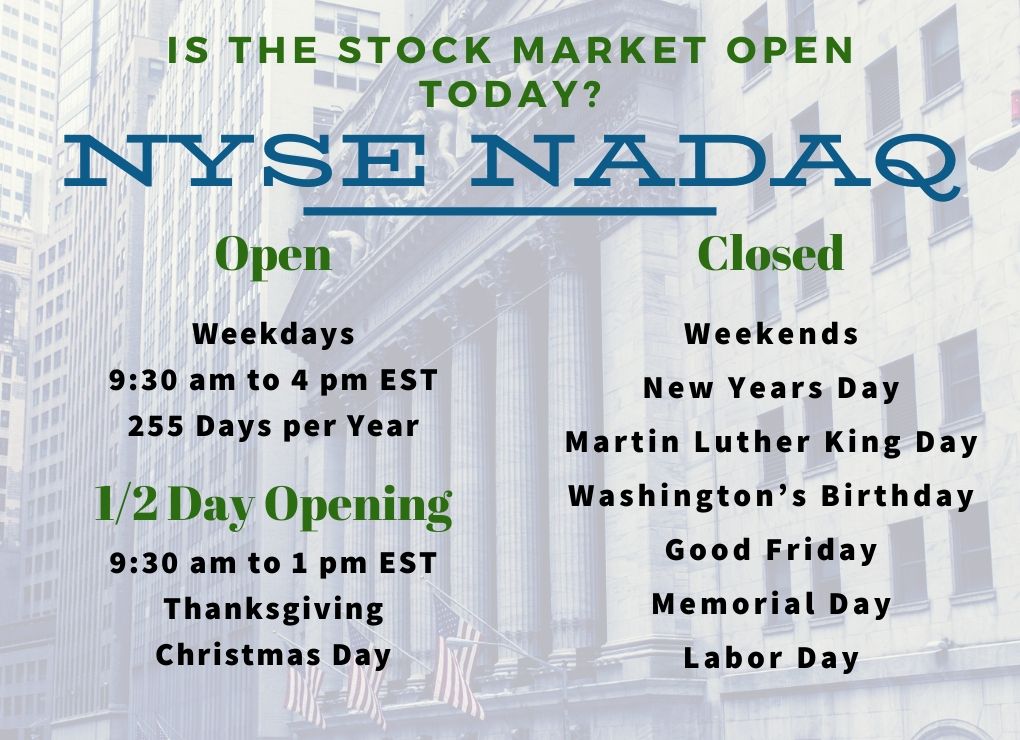
For most individual investors, the “stock market open” refers to the core trading session that runs from 9:30 AM Eastern Time (ET) to 4:00 PM ET, Monday through Friday. This six-and-a-half-hour window is when the overwhelming majority of trading volume occurs. During these hours, liquidity is at its highest, bid-ask spreads are typically at their narrowest, and market makers are most active, ensuring efficient price discovery. This period is characterized by intense activity, driven by corporate earnings reports, economic data releases, and geopolitical developments that frequently unfold throughout the day. Investors executing trades during these hours generally benefit from the greatest depth of market and the most competitive pricing. The opening bell often brings a surge of activity as orders accumulated overnight are processed, and the closing bell frequently sees a flurry of last-minute trades, particularly from institutional investors rebalancing portfolios.
Why These Hours? Historical Context and Market Efficiency
The seemingly arbitrary 9:30 AM to 4:00 PM ET schedule has deep historical roots. Originally, trading was a physical activity conducted on trading floors, and these hours accommodated the logistics of opening and closing the physical exchange, processing paperwork, and allowing brokers and clerks sufficient time for their operations. While technology has largely replaced manual processes, the core hours have largely persisted due to their effectiveness in creating a concentrated period of activity. This concentration maximizes liquidity, meaning there are always buyers and sellers available, which minimizes price volatility and ensures fair pricing. Extended hours could dilute liquidity, leading to wider spreads and potentially more volatile price swings, especially for less actively traded securities. The current schedule also aims to align with traditional business hours, making it practical for institutional investors, analysts, and market participants across the East Coast of the United States.
Major U.S. Exchanges: NYSE and Nasdaq
Both the New York Stock Exchange (NYSE) and the Nasdaq Stock Market adhere to these identical core trading hours. The NYSE, located on Wall Street in New York City, is known for its traditional auction-based market structure, where designated market makers facilitate trading in a physical or hybrid environment. It hosts many of the world’s largest and most established companies. The Nasdaq, on the other hand, is an entirely electronic exchange, characterized by its dealer-based market where competing market makers continuously quote prices. It is home to many prominent technology and growth companies. Despite their differing operational models, their commitment to the same standard trading window ensures synchronicity across the dominant U.S. equity markets, providing a consistent framework for all investors. Understanding this shared schedule is the first step in effectively planning your investment activities.
Beyond the Bell: Exploring Extended Trading Sessions
While the core trading session defines the regular market day, significant activity also takes place outside these standard hours. These “extended trading sessions” – pre-market and after-hours – offer unique opportunities and come with their own set of considerations, particularly concerning liquidity and volatility. For investors looking to react quickly to news or strategize around major announcements, these sessions can be crucial.
Pre-Market Trading: Getting a Head Start (4:00 AM – 9:30 AM ET)
Pre-market trading refers to the period before the official opening bell, typically running from 4:00 AM ET to 9:30 AM ET. This session allows market participants to place trades and react to news that breaks overnight or early in the morning, before the full market opens.
- Reasons for Pre-Market Trading: Key drivers for pre-market activity include corporate earnings reports released before market open, analyst upgrades/downgrades, major economic data from Europe or Asia, and significant geopolitical events. Institutional investors often use this time to adjust their positions based on overnight news, while individual investors might look for early momentum plays.
- Risks and Opportunities: The primary risk of pre-market trading is significantly lower liquidity compared to the regular session. Fewer participants mean wider bid-ask spreads, making it more challenging to get favorable execution prices. Lower liquidity can also lead to increased volatility, with smaller trade volumes capable of causing disproportionately large price swings. However, opportunities exist for those who can quickly and accurately interpret pre-market news, potentially getting a jump on the broader market. It’s also a time when stocks with heavy news flow can experience substantial price movements, offering chances for rapid gains or losses.
After-Hours Trading: Post-Close Activity (4:00 PM – 8:00 PM ET)
After-hours trading takes place after the closing bell, generally from 4:00 PM ET to 8:00 PM ET. Similar to pre-market, this session extends the trading day, allowing for reactions to late-breaking news.
- Drivers of After-Hours Trading: Many companies release their earnings reports or significant announcements immediately after the market closes. After-hours trading provides a direct avenue for investors to react to this information. Large institutional block trades, adjustments by mutual funds, and reactions to global market movements also contribute to after-hours volume.
- Considerations for After-Hours Participants: Like pre-market trading, after-hours sessions are characterized by reduced liquidity and increased volatility. It’s often institutional investors and high-frequency traders who dominate these periods. Individual investors need to exercise caution due to potentially larger price swings and the difficulty in getting orders filled at desired prices. Stop-loss orders can be less effective due to gapping prices. While it offers the advantage of reacting immediately to post-market news, the risks associated with thinner order books mean that positions taken after-hours should be approached with a heightened awareness of potential price discrepancies and rapid reversals.
Both extended trading sessions require advanced order types, typically limit orders, as market orders are ill-advised due to the wide spreads and potential for unfavorable execution. Access to these sessions is generally provided by most major brokerage firms, but understanding the nuances of these periods is paramount for effective risk management.
The Impact of Weekends, Holidays, and Special Closures
While the regular trading hours define the typical weekday rhythm, the stock market is not operational every single day of the year. Investors must factor in weekends, federal holidays, and occasional unforeseen circumstances that can alter or halt trading. Ignoring these closures can lead to missed opportunities or frustration when attempting to execute trades.
Weekend Closures: A Time for Reflection and Research
Every Saturday and Sunday, the U.S. stock markets, including the NYSE and Nasdaq, are closed. This provides a consistent break for market participants, allowing for a period of reflection, research, and planning without the pressure of live trading. For long-term investors, weekends are an ideal time to analyze portfolio performance, read financial news, assess economic trends, and refine investment strategies without immediate market noise. For active traders, it’s a crucial time to review trading journals, identify patterns, and prepare for the upcoming week. While the exchanges are closed, global news continues to unfold, and astute investors use the weekend to digest this information, anticipating its potential impact on Monday’s open. The concept of “weekend gap” refers to the difference between Friday’s closing price and Monday’s opening price, often caused by significant news released over the non-trading days.
U.S. Stock Market Holiday Schedule: What to Expect
The U.S. stock market observes several federal holidays throughout the year, during which the exchanges are fully closed or operate on an abbreviated schedule. These closures are typically announced well in advance by the exchanges.
- Full-Day Closures: The NYSE and Nasdaq are generally closed for nine full federal holidays each year. These include New Year’s Day, Martin Luther King, Jr. Day, Presidents’ Day, Good Friday, Memorial Day, Juneteenth National Independence Day, Independence Day, Labor Day, Thanksgiving Day, and Christmas Day. Specific dates vary slightly year-to-year if a holiday falls on a weekend (e.g., if Christmas is on a Saturday, the market might close on Friday). These closures allow for a collective pause, and investors should always consult the official holiday schedule for the current year.
- Early Closures (e.g., day before holiday): In some instances, the market may close early on the day before a major holiday, such as the day before Independence Day or Thanksgiving. These early closures, often at 1:00 PM ET, provide market participants with additional time off while still allowing for a half-day of trading. It’s important to note these specific early closure times, as they can significantly shorten the trading day and potentially impact liquidity during the shortened afternoon session.
Unforeseen Circumstances: Market Halts and Emergency Closures
Beyond scheduled holidays, there are rare occasions when the market may halt trading or close entirely due to unforeseen circumstances.
- Market-Wide Halts (Circuit Breakers): These are mechanisms designed to prevent panic selling and extreme volatility. If a major stock index (like the S&P 500) declines by a specific percentage (e.g., 7%, 13%, or 20%) within a single trading day, trading may be temporarily halted across all U.S. exchanges. These “circuit breakers” are triggered to give investors time to absorb news and reassess market conditions.
- Emergency Closures: Extremely rare events, such as natural disasters (e.g., Hurricane Sandy) or national emergencies (e.g., 9/11), can lead to unexpected, full-day market closures. While infrequent, these possibilities underscore the importance of staying informed through reliable financial news sources. Understanding these potential disruptions is crucial for managing portfolios and planning trading activity effectively.
International Markets: A Global Perspective on Trading Hours
While the focus often remains on the U.S. stock markets, the global nature of finance means that somewhere in the world, a stock market is almost always open. Understanding the operating hours of major international exchanges provides a broader context for global economic trends and offers diversification opportunities for savvy investors.
Key Global Exchanges and Their Operating Times
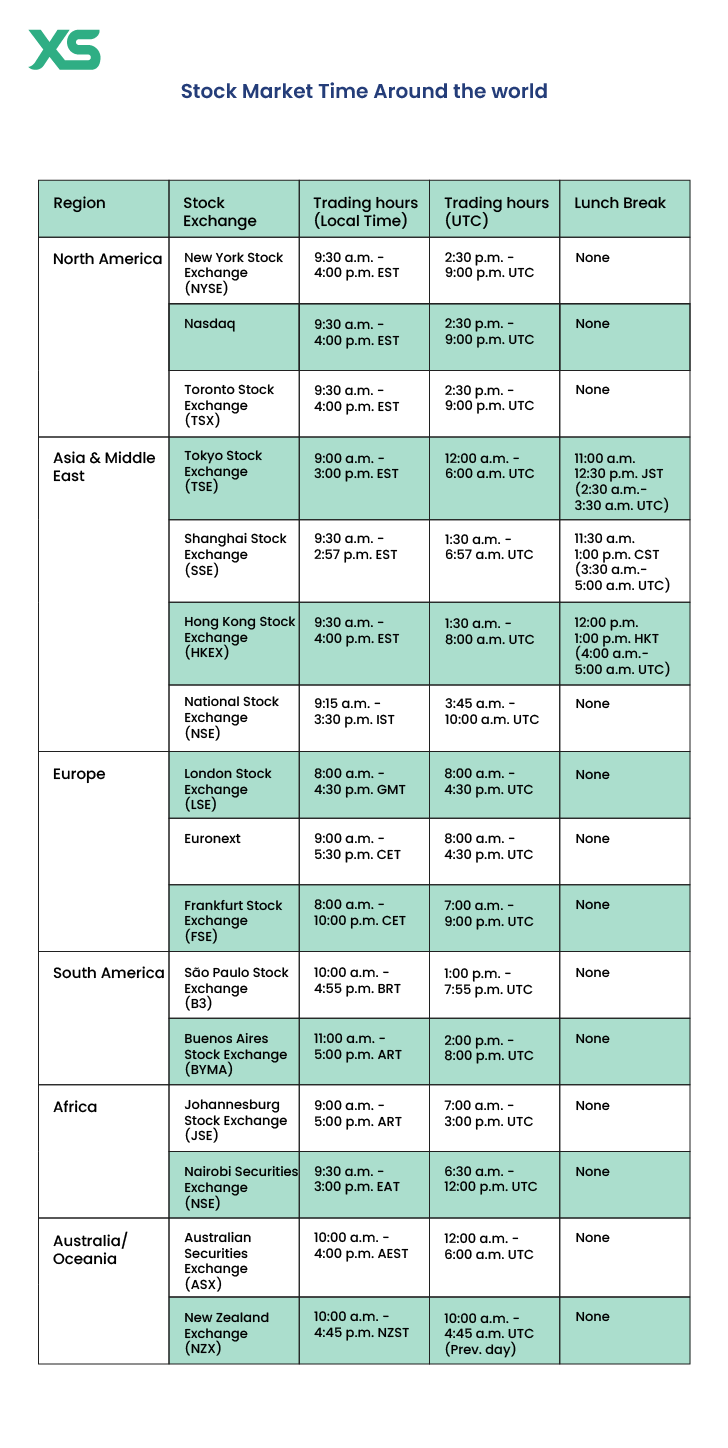
The world’s major financial centers each have their own distinct trading hours, often overlapping or preceding U.S. market activity. This creates a continuous chain of market action across different time zones.
- Europe: The London Stock Exchange (LSE) is a key player, typically operating from 8:00 AM to 4:30 PM GMT (Greenwich Mean Time). Other major European exchanges include Euronext (Paris, Amsterdam, Brussels, Lisbon) and the Frankfurt Stock Exchange (Xetra), which generally operate during similar local business hours.
- Asia: Asian markets are among the first to open in the global trading day. The Tokyo Stock Exchange (TSE) typically runs from 9:00 AM to 3:00 PM JST (Japan Standard Time), with a lunch break. The Shanghai Stock Exchange (SSE) and Hong Kong Stock Exchange (HKEX) generally follow similar local operating hours, opening earlier than their European and American counterparts.
- Other Regions: Markets in Australia, India, and South America also contribute to the global trading tapestry, each with their own distinct local trading hours.
These varied timings mean that news and economic data released in one part of the world can impact markets as they open in subsequent time zones. For instance, a major economic announcement from China during U.S. after-hours could influence how European markets open, which then, in turn, sets the tone for the U.S. pre-market session.
The 24/5 Nature of Global Markets: Opportunities for Diversification
When considering the sum total of major exchanges around the globe, there is effectively a continuous “24/5” trading environment for equities, meaning the world’s stock markets are open virtually around the clock from Sunday evening ET (when Asian markets open) until Friday afternoon ET (when U.S. markets close). This constant activity provides opportunities for global diversification. Investors can access a wider range of companies, industries, and economic growth stories by investing in international equities. Furthermore, global market movements can serve as leading indicators. A strong or weak close in Asian or European markets can influence sentiment and prices for the upcoming U.S. session. This interconnectedness allows for arbitrage opportunities and strategic hedging for sophisticated investors and institutions.
Currency and Commodity Markets: Different Trading Rhythms
It’s also important to distinguish between equity markets and other financial markets, which often have different trading schedules.
- Forex (Foreign Exchange) Market: The forex market, where currencies are traded, is genuinely a 24-hour, 5-day-a-week market. It opens on Sunday evening ET and closes on Friday evening ET, with no daily closing bell, due to its decentralized, over-the-counter nature and the sequential opening of major financial centers globally.
- Commodity Markets: Futures and options on commodities (like oil, gold, corn) also often trade for much longer hours than equities, sometimes nearly 24 hours a day, depending on the specific commodity and exchange. For example, crude oil futures on the NYMEX can trade from Sunday evening through Friday afternoon with only brief daily breaks.
These different trading rhythms highlight that the concept of “how late is the market open” varies significantly depending on the specific asset class being traded. For equity investors, however, understanding the global cycle provides invaluable context for anticipating market movements and reacting to international developments that might ripple through their U.S. holdings.
Strategic Implications for Investors: Maximizing Your Trading Day
For investors and traders, understanding stock market hours is not just about knowing when you can place an order; it’s about strategizing how and when to engage with the market to maximize opportunities and mitigate risks. Different trading sessions present unique characteristics that demand tailored approaches.
Aligning Trading Strategy with Market Hours
The various trading sessions each have distinct profiles that should influence an investor’s strategy.
- Day Traders vs. Long-Term Investors: Day traders, who seek to profit from intra-day price movements, are intensely focused on the core trading session (9:30 AM – 4:00 PM ET). They thrive on high liquidity and volatility, often avoiding extended hours due to wider spreads and unpredictable movements. Long-term investors, conversely, are less concerned with intra-day fluctuations. Their primary concern with market hours might be ensuring their buy or sell orders are executed during periods of high liquidity to achieve the best possible price for their long-term positions, often using limit orders.
- News-Driven Trading and Volatility: News breaks constantly, but its impact is often concentrated around specific market hours. Earnings reports released after hours can cause significant price gaps during the next pre-market or regular session. Experienced traders often monitor news feeds closely during extended hours, looking for opportunities to react early, while managing the increased volatility inherent in these periods. Understanding which sessions tend to react most strongly to specific types of news is crucial for speculative strategies.
- Sector-Specific Considerations: Certain sectors might be more sensitive to specific global market hours. For instance, technology stocks might react more to news from Asian tech hubs, making pre-market analysis of Asian market performance relevant. Energy stocks, on the other hand, might be heavily influenced by commodity futures prices, which trade nearly 24 hours a day.
Leveraging Technology and Financial Tools
Modern financial technology plays a critical role in helping investors navigate complex market hours and capitalize on opportunities across different sessions.
- Real-time Data and News Feeds: Access to real-time stock quotes, Level 2 data (showing bid and ask prices and volumes), and lightning-fast news feeds is indispensable. This allows investors to react instantaneously to market-moving information, whether it’s during the core session or extended hours. Many brokerage platforms offer these tools, sometimes with a subscription.
- Algorithmic Trading and Automated Alerts: For sophisticated traders, algorithmic trading systems can be programmed to monitor market conditions and execute trades automatically based on predefined criteria, even during extended hours when manual oversight might be impractical. For all investors, setting up automated alerts for specific stock price movements or news events can provide timely notifications, ensuring they don’t miss critical developments, regardless of when they occur.
- Advanced Order Types: Understanding and utilizing advanced order types is crucial. Limit orders are essential during extended hours to protect against unfavorable execution prices due to low liquidity and wide spreads. Stop-loss orders can help manage risk, though their effectiveness can be limited during highly volatile extended sessions or if large price gaps occur.

Risk Management Across All Trading Sessions
Regardless of strategy or technology, robust risk management is paramount.
- Liquidity Awareness: Always be acutely aware of the liquidity of the specific stock or ETF you are trading, especially during extended hours. Low liquidity means it can be difficult to enter or exit positions at desired prices, leading to slippage.
- Volatility Management: Volatility is inherent in extended sessions. Position sizing should be adjusted accordingly. Smaller positions might be appropriate when volatility is high and liquidity is low.
- Information Asymmetry: During extended hours, institutional investors often have superior information access and resources. Individual investors should be cautious and ensure they have done their due diligence before trading against professional algorithms in these less transparent periods.
In conclusion, the question “how late is the stock market open today” is a gateway to a sophisticated understanding of financial market mechanics. By mastering the nuances of standard trading hours, leveraging extended sessions wisely, staying informed about closures, and recognizing the global tapestry of financial activity, investors can significantly enhance their ability to navigate the markets effectively, build robust portfolios, and pursue their financial goals with greater confidence and precision.
aViewFromTheCave is a participant in the Amazon Services LLC Associates Program, an affiliate advertising program designed to provide a means for sites to earn advertising fees by advertising and linking to Amazon.com. Amazon, the Amazon logo, AmazonSupply, and the AmazonSupply logo are trademarks of Amazon.com, Inc. or its affiliates. As an Amazon Associate we earn affiliate commissions from qualifying purchases.