
In the ever-evolving landscape of finance, particularly within the booming world of investing, a concept has emerged that is significantly lowering the barrier to entry for aspiring investors: stock fractions. Once an exclusive domain for those with substantial capital, investing in the stock market is now more accessible than ever, thanks to innovations driven by technology and a growing understanding of how to empower individuals financially. This shift is particularly relevant to the “Money” section of our platform, touching upon personal finance and investing, but its implications also ripple into the “Tech” domain through the digital tools that enable it, and even “Brand” by influencing how companies present themselves to a wider investor base.
The Traditional Hurdles of Stock Ownership
Historically, investing in individual stocks meant purchasing whole units, or “shares,” of a company. For instance, if a company’s stock was trading at $500 per share, an investor would need at least $500 to buy even one share. This straightforward model, while simple in concept, presented a significant hurdle for many.
The Capital Conundrum
The most obvious obstacle was the sheer amount of capital required. Many individuals, especially those just starting their investment journeys, simply did not have hundreds or thousands of dollars to allocate to a single stock. This meant that potentially lucrative investment opportunities in well-established, high-growth companies remained out of reach. The minimum investment requirement effectively created a class division in the investment world, favoring those already possessing wealth.
The Diversification Dilemma
Beyond the initial capital hurdle, the inability to purchase fractional shares also made diversification a challenge for smaller investors. Diversification, the strategy of spreading investments across different assets to reduce risk, is a cornerstone of sound investing. To diversify effectively, an investor needs to own a stake in multiple companies, ideally across various industries. However, if each company’s stock price is high, even acquiring a small stake in a handful of companies could quickly become prohibitively expensive. This forced many smaller investors into concentrated, higher-risk portfolios, or worse, deterred them from investing altogether.
The Psychological Barrier
The psychological impact of these barriers cannot be overstated. For many, the idea of investing in the stock market felt intimidating and exclusive. The large dollar figures associated with individual stocks could create a sense of detachment and a belief that it was a game only for the wealthy and financially savvy. This perception, while not entirely accurate, was reinforced by the practical limitations of the traditional share ownership model.
Enter Stock Fractions: A Paradigm Shift
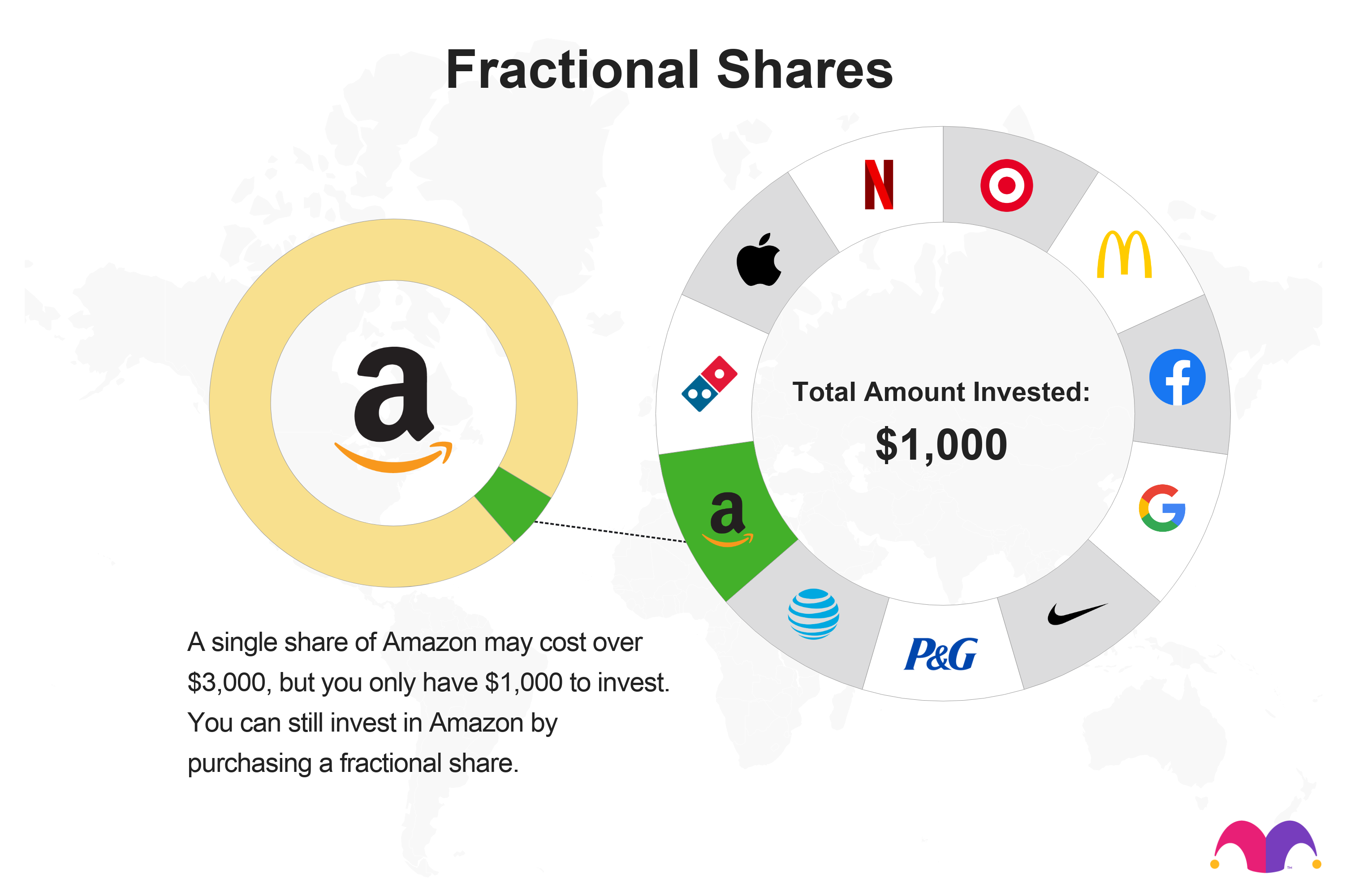
Stock fractions, also known as fractional shares, are precisely what their name suggests: a portion of a whole share of a company’s stock. Instead of buying an entire share, investors can now buy a dollar amount’s worth of a stock, effectively owning a piece of that share. For example, if a stock is trading at $500 per share, an investor could choose to invest $50, and they would own 1/10th of a share.
The Technological Enablers
The rise of stock fractions is inextricably linked to advancements in financial technology, or “FinTech.” Online brokerage platforms and mobile trading apps have been instrumental in making fractional shares a reality for the everyday investor. These platforms leverage sophisticated software and algorithms to manage these smaller ownership stakes seamlessly.
- Digital Brokerages: Companies like Robinhood, Charles Schwab, Fidelity, and many others have embraced fractional share trading, integrating it into their user-friendly interfaces. This has democratized access, allowing anyone with a smartphone and an internet connection to participate.
- Sophisticated Backend Systems: Behind the scenes, these platforms have developed robust systems to track and manage ownership of fractions of shares. When you buy a fraction of a share, the brokerage essentially aggregates many fractional purchases from different investors and buys whole shares on their behalf. They then hold these whole shares in “street name” and maintain accurate records of each investor’s fractional ownership.
- Data Management and Transparency: The ability to track millions of fractional share holdings and ensure accurate reporting, dividend distribution, and trading execution requires advanced data management capabilities. Technology has made this complex process efficient and transparent, building trust among users.
The Mechanics of Fractional Investing
Understanding how fractional shares work in practice is crucial for investors.
- Dollar-Based Investing: The most common way to buy fractional shares is through dollar-based orders. You decide how much money you want to invest in a particular stock, and the brokerage platform executes the purchase of the corresponding fraction of a share at the current market price.
- Dividend Reinvestment: When a company whose stock you own a fraction of declares a dividend, you are entitled to your proportional share of that dividend. Many platforms automatically reinvest these dividends, allowing you to purchase even more fractional shares, further accelerating your investment growth through compounding.
- Trading and Selling: Selling fractional shares is just as straightforward as buying them. You can sell your fraction of a share for its current market value, receiving the cash equivalent.
The Unpacking of Benefits: Why Stock Fractions Matter
The introduction and widespread adoption of stock fractions have brought about a wealth of benefits for investors, fundamentally reshaping the investment landscape.
H2: Unlocking Accessibility and Affordability
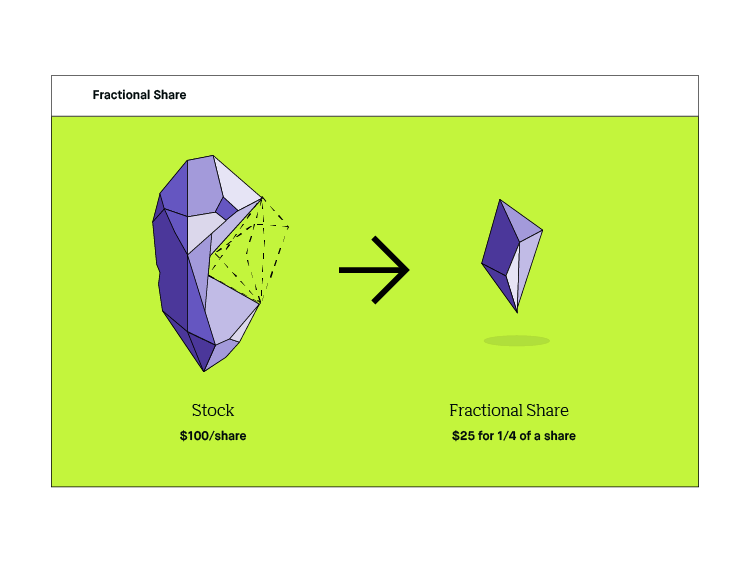
The most significant advantage of fractional shares is their ability to make investing accessible to a much broader audience.
H3: Lowering the Entry Point
As previously discussed, the prohibitive cost of whole shares was a major deterrent. Fractional shares dismantle this barrier entirely. An investor can now start their investment portfolio with as little as $1, $5, or $10, depending on the brokerage’s minimum. This means that anyone, regardless of their income level, can begin building wealth through stock ownership. This is particularly impactful for younger generations and those in the early stages of their careers who are looking to start saving and investing for their future.
H3: Enabling Diversification for All
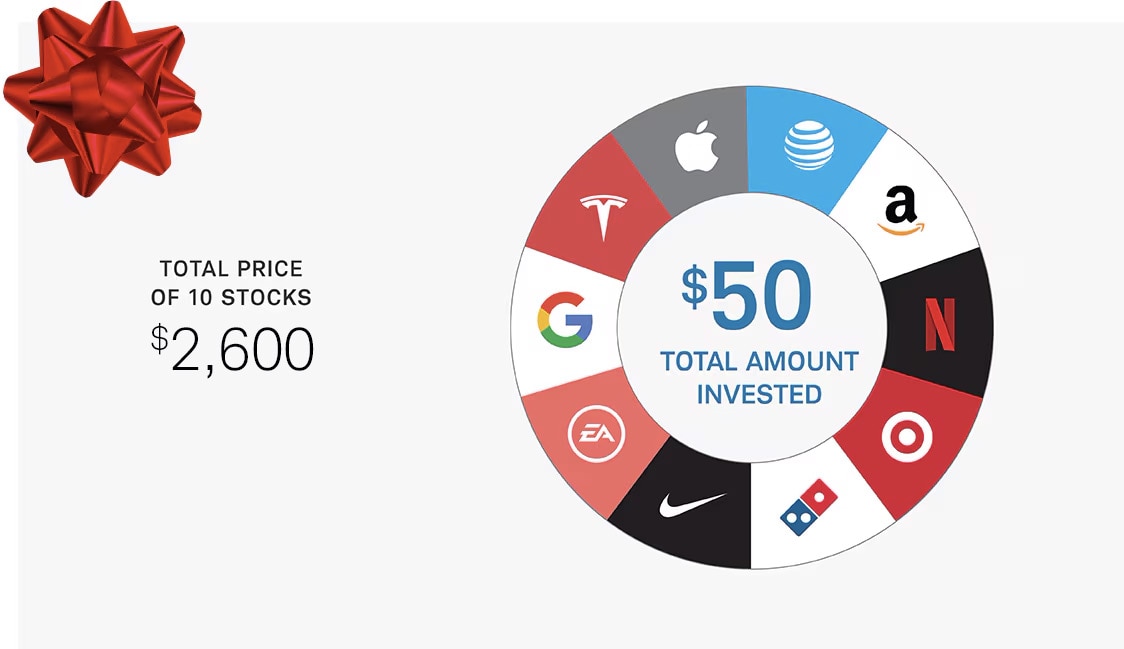
With fractional shares, true diversification becomes a tangible goal for every investor. Instead of being limited to one or two expensive stocks, an investor can now spread their capital across a dozen or even a hundred different companies. This allows them to:
- Reduce Portfolio Risk: By not having all their eggs in one basket, investors are less vulnerable to the downturn of any single company or industry.
- Access Growth Opportunities: They can invest in a wider range of high-growth companies, capturing potential upside from various sectors of the economy.
- Build a Balanced Portfolio: Investors can create a portfolio that aligns with their risk tolerance and financial goals, incorporating a mix of established blue-chip companies and emerging growth stocks.
H2: Enhancing Investment Flexibility and Control
Beyond affordability, fractional shares offer a level of flexibility that empowers investors to manage their portfolios more effectively.
H3: Strategic Investing with Precision
Fractional shares allow for highly precise investment decisions. Investors are no longer forced to buy more stock than they intended simply because they are close to a whole share price. This precision is invaluable for:
- Dollar-Cost Averaging: This strategy involves investing a fixed amount of money at regular intervals, regardless of the stock price. Fractional shares make dollar-cost averaging incredibly easy and effective, as you can invest your predetermined amount precisely each time.
- Rebalancing Portfolios: When market movements cause your asset allocation to drift, rebalancing your portfolio involves selling some assets and buying others to return to your desired mix. Fractional shares simplify this process, allowing for small, incremental adjustments to maintain your target allocation.
- Taking Advantage of Market Swings: If an investor believes a stock is temporarily undervalued, they can use fractional shares to buy a small, precise amount without overcommitting capital.
H3: Empowering Long-Term Wealth Building
The ability to consistently invest small amounts over time, combined with the power of compounding dividends, is a powerful engine for long-term wealth creation. Fractional shares transform this abstract concept into a practical reality. For individuals who are consistently saving a portion of their income, fractional shares provide an immediate and efficient way to put that money to work in the stock market, fostering a habit of disciplined investing from an early age.
H2: The Broader Economic and Brand Implications
The impact of fractional shares extends beyond individual investors, influencing the broader economy and how companies engage with their potential shareholder base.
H3: Fostering Financial Inclusion and Economic Growth
By democratizing access to the stock market, fractional shares contribute to greater financial inclusion. As more people become active investors, there is a potential for increased capital formation within the economy. This capital can then be used by companies for expansion, research and development, and job creation, ultimately fueling economic growth. A more financially literate and engaged population is also more likely to make sound financial decisions, contributing to overall economic stability.
H3: Enhancing Corporate Branding and Investor Relations
For companies, offering fractional shares can be a strategic branding move.
- Wider Shareholder Base: It allows companies to attract a much broader and more diverse group of shareholders, including those who might not have been able to afford whole shares previously. This can lead to increased brand loyalty and a more engaged community of stakeholders.
- Positive Public Perception: Companies that embrace fractional share trading can cultivate a positive public image as being accessible and committed to empowering individual investors. This can be particularly attractive to younger demographics and socially conscious investors.
- Stronger Investor Relations: A larger and more distributed shareholder base can, in some instances, lead to more robust investor relations efforts, as companies aim to communicate effectively with a wider audience. This can foster a sense of ownership and advocacy among a broader segment of the public.
In conclusion, what are stock fractions? They are not just a technical innovation; they represent a fundamental shift in how individuals can participate in the growth and wealth creation potential of the stock market. Enabled by technology, they have shattered traditional barriers, making investing affordable, accessible, and flexible for everyone. As FinTech continues to evolve, we can expect even more innovative solutions that further empower individuals to take control of their financial futures, solidifying the role of fractional shares as a cornerstone of modern investing.
aViewFromTheCave is a participant in the Amazon Services LLC Associates Program, an affiliate advertising program designed to provide a means for sites to earn advertising fees by advertising and linking to Amazon.com. Amazon, the Amazon logo, AmazonSupply, and the AmazonSupply logo are trademarks of Amazon.com, Inc. or its affiliates. As an Amazon Associate we earn affiliate commissions from qualifying purchases.