
The financial markets operate on a structured schedule, typically from 9:30 AM to 4:00 PM Eastern Time for the major U.S. stock exchanges. However, shrewd investors and active traders know that market activity isn’t confined solely to these “regular” hours. One critical component of the extended trading day is pre-market trading, a period where significant price movements and trading volumes can occur even before the opening bell rings. Understanding pre-market trading is essential for anyone looking to gain an edge, react swiftly to market-moving news, or simply comprehend the full scope of financial market dynamics.
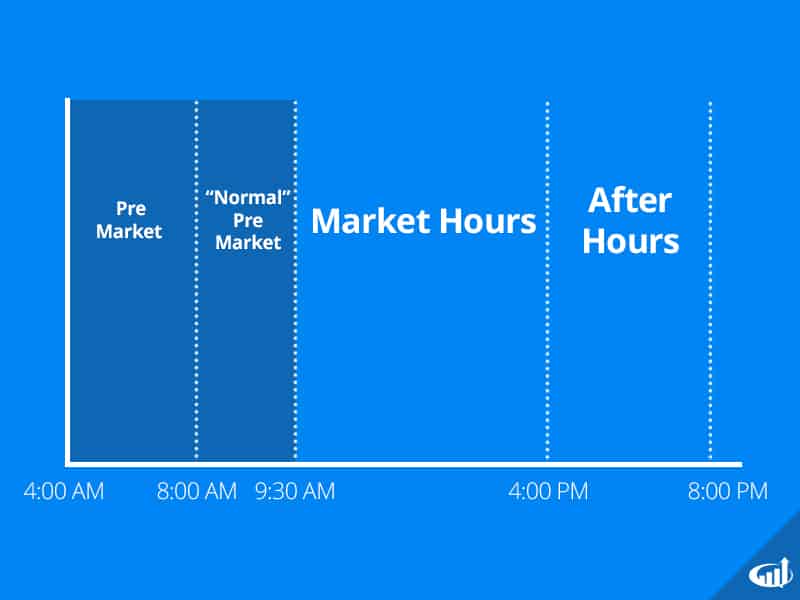
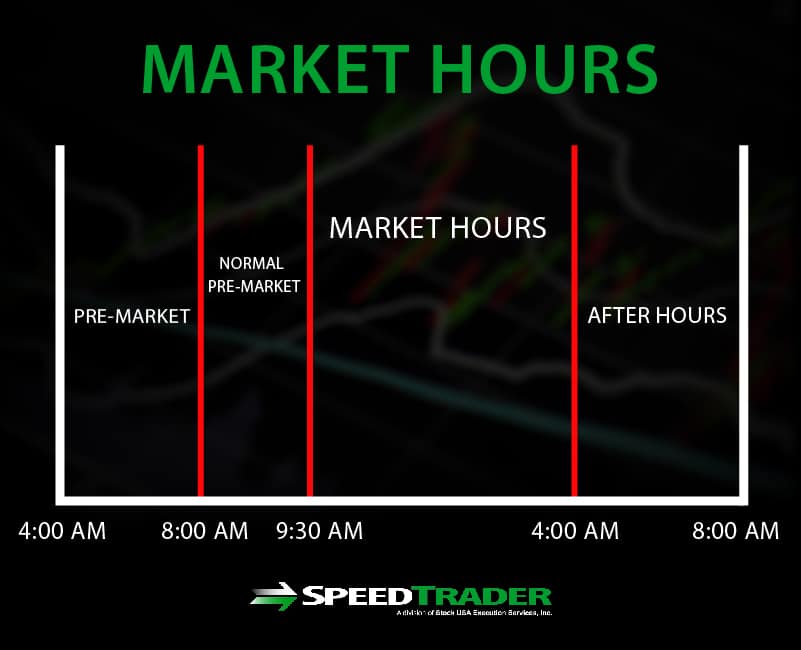
Pre-market trading refers to the period of time before the official opening of a stock exchange during which certain securities can be bought and sold. While the exact hours can vary slightly depending on the brokerage or electronic communication network (ECN) used, it typically begins as early as 4:00 AM ET and extends until 9:30 AM ET. This early window offers market participants the opportunity to react to overnight news, earnings reports released after the previous day’s close, or economic data published before the standard market opens. For many, it’s a critical period for setting the tone for the trading day, often dictating initial price targets and momentum when the market officially begins.
The Mechanics and Timing of Pre-Market Sessions
Engaging in pre-market trading requires a clear understanding of its operational framework, which differs notably from regular trading hours. It’s not simply an earlier start to the same market conditions; rather, it operates under distinct rules and characteristics.
When Does Pre-Market Trading Occur?
As mentioned, pre-market trading usually runs from approximately 4:00 AM ET to 9:30 AM ET. However, the specific start time can vary by broker. Many retail brokers typically open their pre-market access closer to 7:00 AM or 8:00 AM ET, while institutional platforms may offer the full 4:00 AM window. It’s crucial for traders to confirm their broker’s specific pre-market hours, as this directly impacts the windows of opportunity and liquidity they can access. The earlier the start, generally, the thinner the liquidity, but also the greater the potential for significant, rapid price shifts based on fresh news.
How Orders are Executed
Unlike regular trading hours, where orders are processed through a broad network of market makers and exchanges, pre-market trading primarily relies on Electronic Communication Networks (ECNs). ECNs are automated systems that match buy and sell orders directly, bypassing traditional market makers. This direct matching can lead to quicker execution, but it also means that liquidity is largely dependent on the number of participants using that specific ECN at any given moment.
Traders typically place “limit orders” during pre-market sessions. A limit order specifies the maximum price a buyer is willing to pay or the minimum price a seller is willing to accept. Market orders, which instruct the broker to buy or sell immediately at the best available current price, are often ill-advised or even disallowed during pre-market hours due to the thinner liquidity and potential for significant price swings. Executing a market order in a low-liquidity environment can result in “slippage,” where the actual execution price is far worse than the quote seen just moments before.
Key Participants
Pre-market trading is often dominated by institutional investors, such as hedge funds, mutual funds, and large investment banks. These entities possess sophisticated trading algorithms, advanced data feeds, and dedicated analysts who can quickly process and react to new information. Market makers, who facilitate trading by quoting both buy and sell prices, also play a role, albeit a more limited one than during regular hours. Retail investors with access to pre-market trading through their brokerage accounts also participate, often looking to capitalize on perceived opportunities or adjust their positions ahead of the main session. However, the playing field is not entirely level, given the institutional advantage in terms of resources and information access.
Why Traders Engage in Pre-Market Activity
The allure of pre-market trading stems from several strategic advantages it can offer to those who understand its dynamics and risks.
Reacting to Breaking News and Earnings Reports
One of the primary drivers of pre-market activity is the immediate reaction to corporate news and earnings reports. Companies frequently release their quarterly earnings results or other material news (such as M&A announcements, drug trial results, or regulatory approvals) either after the market closes or before it opens. Pre-market trading allows investors to digest this information and place trades before the broader market gets a chance to react. This can lead to substantial price movements, creating opportunities for significant gains (or losses) for those who position themselves quickly and accurately. The first few minutes or hours after a major announcement can see the most dramatic swings as the market attempts to price in the new information.
Capitalizing on Liquidity and Price Gaps
While overall liquidity is lower, specific stocks experiencing significant news can see surges in pre-market liquidity. Traders can leverage this to enter or exit positions at prices that might not be available once the regular session begins. Additionally, pre-market trading often sets the stage for “price gaps” at the market open. A gap occurs when a stock’s opening price is significantly higher or lower than its previous day’s closing price. These gaps are frequently a direct result of pre-market trading, where demand or supply imbalances based on fresh news push the price up or down. Astute traders attempt to predict and trade these gaps, aiming to profit from the initial directional move.
Positioning Ahead of the Main Session
For many, pre-market trading is about strategic positioning. Institutional traders might use this period to accumulate or offload large blocks of shares without unduly influencing prices during regular hours. Retail traders might take initial positions, hedging bets, or simply adjusting their portfolios based on overnight developments. It provides a strategic window to establish a stance, whether bullish or bearish, before the full volume and volatility of the regular session come into play, potentially allowing for better entry or exit points.
Understanding the Risks and Challenges

Despite its potential benefits, pre-market trading is inherently riskier than trading during regular market hours. These elevated risks necessitate careful consideration and a robust risk management strategy.
Reduced Liquidity
This is perhaps the most significant risk. With fewer participants, particularly in the earlier hours, the volume of shares traded is generally much lower than during regular hours. Reduced liquidity leads to “wider spreads” (the difference between the highest bid price and the lowest ask price) and can make it difficult to execute large orders without significantly impacting the stock’s price. A trader might find it challenging to buy or sell a substantial number of shares at their desired price, leading to unfavorable fills.
Increased Volatility
Thinner liquidity, coupled with reactions to major news, can lead to exaggerated price movements. A relatively small order can send a stock’s price soaring or plummeting, creating a highly volatile environment. While this volatility can present opportunities for rapid gains, it equally exposes traders to the risk of substantial losses if prices move against their positions quickly. Stop-loss orders, typically used to mitigate risk, can be less effective during volatile pre-market periods due to potential “slippage” across wide price gaps.
Information Asymmetry
Institutional investors often have access to faster news feeds, advanced analytical tools, and greater research capabilities than the average retail trader. This creates an information asymmetry, where institutions might be able to process and react to news faster and more effectively, potentially gaining an edge over individual traders. Retail traders must be particularly diligent in their research and ensure they are acting on timely and accurate information.
Limited Order Types and Protections
Some brokerage platforms may offer limited order types during pre-market hours, restricting traders to only limit orders. Furthermore, standard market protections and mechanisms designed to ensure fair and orderly trading, which are robust during regular hours, may be less prevalent or effective in the pre-market. For instance, regulatory protections against extreme volatility, like circuit breakers, might not apply in the same way or at all during extended hours.
Strategies and Best Practices for Pre-Market Traders
Navigating the complexities of pre-market trading successfully requires discipline, a strategic approach, and a deep understanding of market dynamics.
Thorough Research and Due Diligence
Before engaging in any pre-market trade, comprehensive research is paramount. This includes staying abreast of economic calendars, monitoring company-specific news (earnings reports, analyst upgrades/downgrades, press releases), and understanding the broader market sentiment. Identify the catalysts driving pre-market price action and assess their potential long-term impact on the stock. Don’t trade merely on price movement; understand why the price is moving.
Risk Management and Position Sizing
Given the heightened volatility and reduced liquidity, strict risk management is non-negotiable. Only allocate a small percentage of your trading capital to pre-market trades. Use appropriate position sizing to ensure that even if a trade moves significantly against you, the loss remains manageable. Consider setting mental stop-loss levels, understanding that automated stop-loss orders might suffer from significant slippage in this environment. Be prepared to cut losses quickly.
Utilizing Advanced Trading Platforms
Access to real-time data, Level 2 quotes (showing bid and ask sizes), and fast order execution is crucial. Ensure your trading platform provides reliable access to pre-market trading, allows for limit order placement, and offers robust charting tools to analyze price action and volume. Some platforms also provide news feeds integrated into their interface, allowing for quicker reaction times.
Monitoring Key Economic Indicators and Global Markets
Pre-market trading in the U.S. doesn’t happen in a vacuum. Overnight news from European and Asian markets, as well as key economic data releases (e.g., inflation reports, unemployment figures) from around the globe, can significantly influence sentiment and price action in U.S. stocks. Monitoring these broader indicators can provide valuable context and help anticipate potential market moves.
Practice and Patience
Pre-market trading, like any specialized form of investing, requires practice. Start with small positions, or even paper trading, to familiarize yourself with the pace and characteristics of the pre-market session. Develop a trading plan that outlines your entry and exit criteria, risk tolerance, and profit targets. Patience is key; not every pre-market session will offer high-probability setups. Wait for clear opportunities that align with your strategy.
In conclusion, pre-market trading is a powerful, albeit challenging, component of the financial markets. It offers experienced traders unique opportunities to react to information and position themselves ahead of the regular trading session. However, its inherent risks—primarily reduced liquidity, increased volatility, and information asymmetry—demand a disciplined approach, thorough research, and stringent risk management. For those who master its intricacies, pre-market trading can be a valuable tool in their financial arsenal.
aViewFromTheCave is a participant in the Amazon Services LLC Associates Program, an affiliate advertising program designed to provide a means for sites to earn advertising fees by advertising and linking to Amazon.com. Amazon, the Amazon logo, AmazonSupply, and the AmazonSupply logo are trademarks of Amazon.com, Inc. or its affiliates. As an Amazon Associate we earn affiliate commissions from qualifying purchases.